
Body Care Products
Buy Body Care Products in Bulk
-

 16% OFF
Romance Massage Oil
Regular price From Rs. 999.00Regular priceUnit price perRs. 1,200.00Sale price From Rs. 999.00Sale -

 42% OFF
Shea Butter
Regular price From Rs. 799.00Regular priceUnit price perRs. 1,400.00Sale price From Rs. 799.00Sale -

 28% OFF
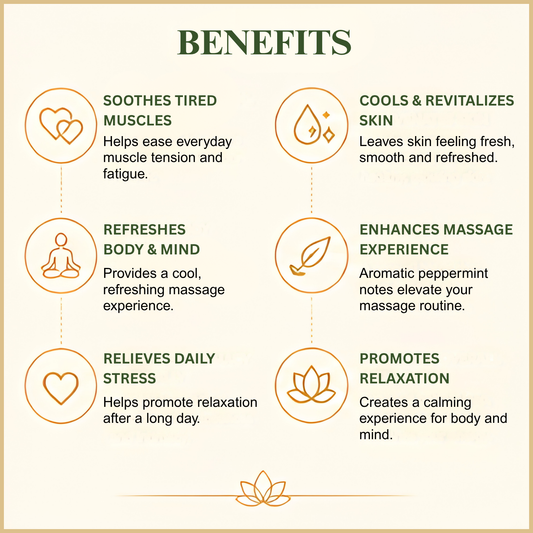
Peppermint Massage Oil
Regular price From Rs. 999.00Regular priceUnit price perRs. 1,400.00Sale price From Rs. 999.00Sale -
 33% OFF
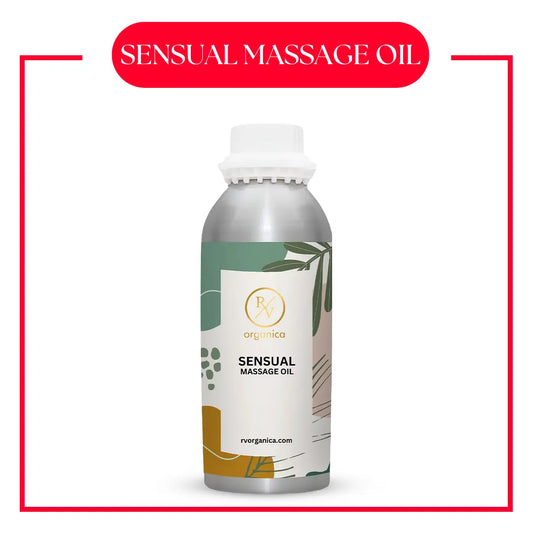
Sensual Couple Massage Oil
Regular price From Rs. 999.00Regular priceUnit price perRs. 1,499.00Sale price From Rs. 999.00Sale -

 37% OFF
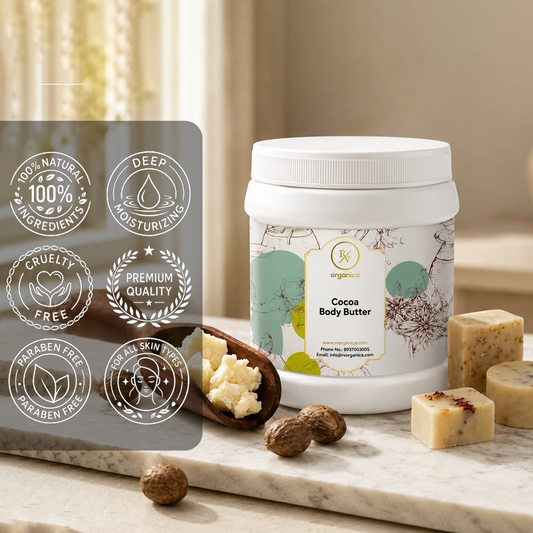
Cocoa Butter
Regular price From Rs. 1,499.00Regular priceUnit price perRs. 2,400.00Sale price From Rs. 1,499.00Sale -

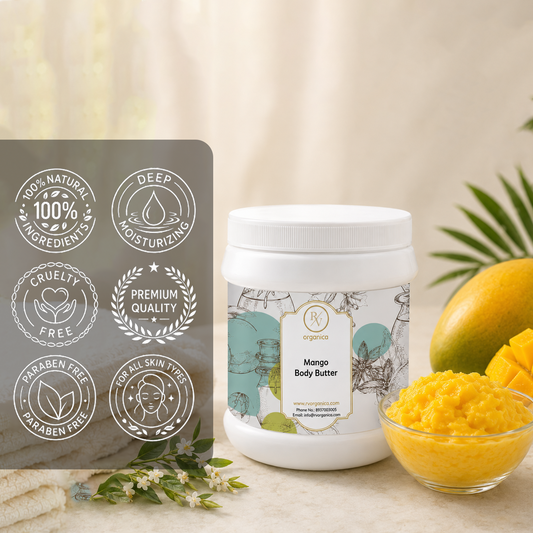 45% OFF
Mango Body Butter
Regular price From Rs. 1,099.00Regular priceUnit price perRs. 2,000.00Sale price From Rs. 1,099.00Sale -

 50% OFF
Lavender Massage Oil
Regular price From Rs. 999.00Regular priceUnit price perRs. 1,999.00Sale price From Rs. 999.00Sale -

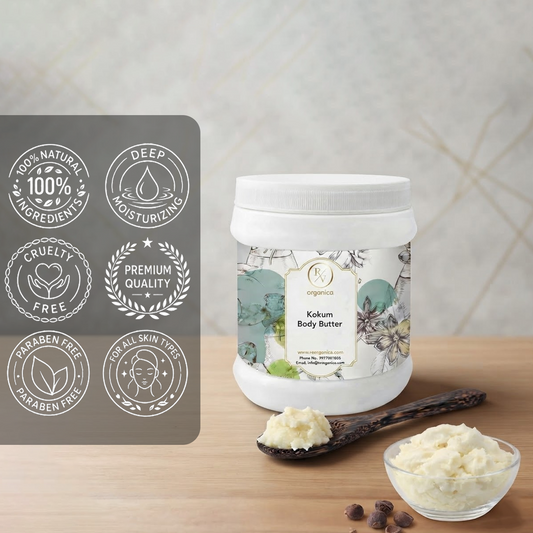 37% OFF
Kokum Body Butter
Regular price From Rs. 999.00Regular priceUnit price perRs. 1,600.00Sale price From Rs. 999.00Sale -

 46% OFF
Relaxation Massage Oil
Regular price From Rs. 699.00Regular priceUnit price perRs. 1,300.00Sale price From Rs. 699.00Sale -

 45% OFF
Rose Geranium Massage Oil
Regular price From Rs. 599.00Regular priceUnit price perRs. 1,100.00Sale price From Rs. 599.00Sale -

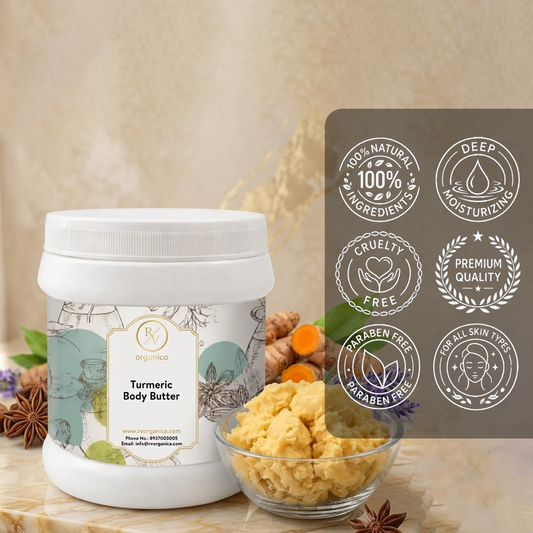 45% OFF
Turmeric Body Butter
Regular price From Rs. 1,099.00Regular priceUnit price perRs. 2,000.00Sale price From Rs. 1,099.00Sale -

 28% OFF
Jojoba Massage Oil
Regular price From Rs. 999.00Regular priceUnit price perRs. 1,399.00Sale price From Rs. 999.00Sale -

 45% OFF
Sesame Massage Oil
Regular price From Rs. 649.00Regular priceUnit price perRs. 1,200.00Sale price From Rs. 649.00Sale -

 50% OFF
DeStress Massage Oil
Regular price From Rs. 749.00Regular priceUnit price perRs. 1,500.00Sale price From Rs. 749.00Sale -

 41% OFF
Sandalwood Turmeric Massage Oil
Regular price From Rs. 649.00Regular priceUnit price perRs. 1,100.00Sale price From Rs. 649.00Sale -

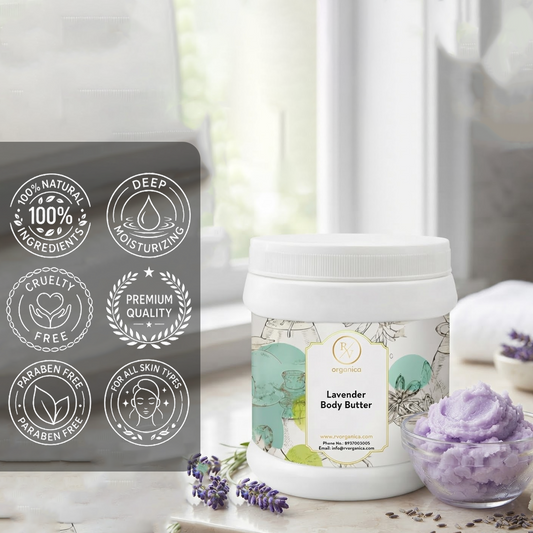 26% OFF
Lavender Body Butter
Regular price From Rs. 2,200.00Regular priceUnit price perRs. 2,999.00Sale price From Rs. 2,200.00Sale -

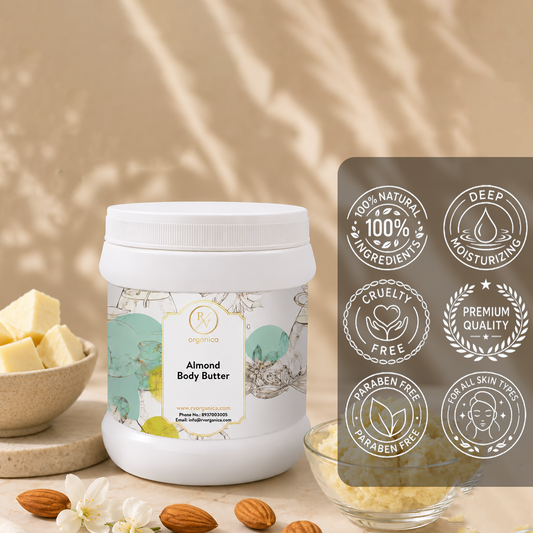 23% OFF
Almond Body Butter
Regular price From Rs. 999.00Regular priceUnit price perRs. 1,300.00Sale price From Rs. 999.00Sale -

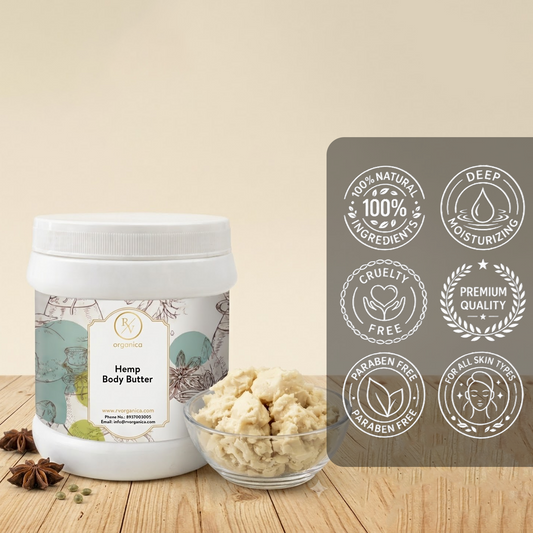 26% OFF
Hemp Body Butter
Regular price From Rs. 2,200.00Regular priceUnit price perRs. 2,999.00Sale price From Rs. 2,200.00Sale -

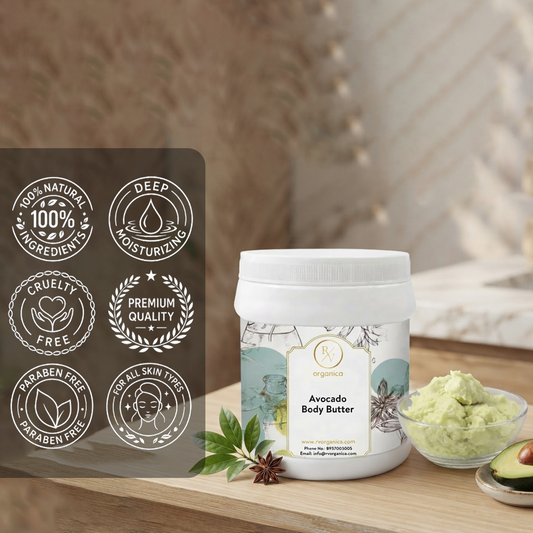 40% OFF
Avocado Body Butter
Regular price From Rs. 1,200.00Regular priceUnit price perRs. 2,000.00Sale price From Rs. 1,200.00Sale -

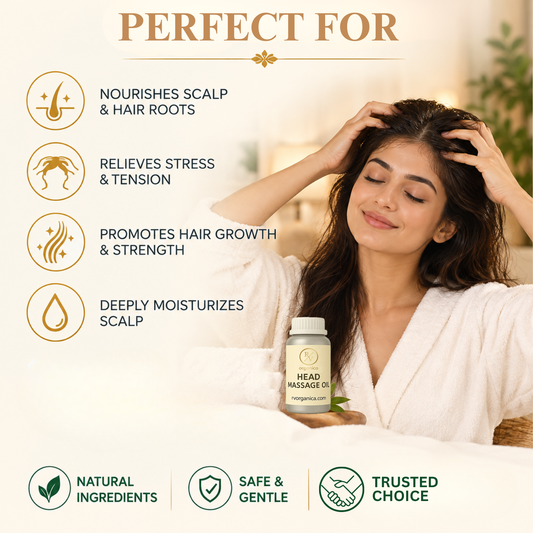 45% OFF
Head Massage Oil
Regular price From Rs. 599.00Regular priceUnit price perRs. 1,100.00Sale price From Rs. 599.00Sale


About Body Care Products

Body Care Products for Women & Men: Body Oils and Body Butters for Glow, Massage & Daily Care
Quick answer: Body care products cover leave-on formulations applied after bathing, including body oils, body butters, and massage oils. Body oils absorb into damp skin to lock moisture; body butters are thicker and better suited to very dry areas like elbows, knees, and heels; massage oils are formulated for slip and glide during application. For Indian conditions, lightweight non-greasy oils and fast-absorbing butters work better in summer, while richer formulations are appropriate from October through February.
RV Organica supplies body care ingredients and finished formulations from its Panipat, Haryana facility, including body oils, body butters, and massage oil bases used across personal care brands, salon and spa businesses, and home formulators. This collection covers the leave-on products applied to skin after bathing, distinct from face care, scalp treatment, or rinse-off formats.
What Are Body Care Products and What Does This Collection Include?
Body care refers to leave-on skin formulations applied to the body rather than the face or scalp. The practical distinction matters because body skin is thicker, less sensitive, and tolerates higher fragrance and oil concentrations than facial skin, while still requiring formulation discipline around absorption rate, greasiness, and fragrance load. This collection covers three core formats:
Body oils are lightweight to medium-weight carrier oil blends, sometimes with fragrance or essential oil additions, applied to damp skin immediately after bathing. Absorption before dressing is the practical test. Sweet almond, jojoba, and fractionated coconut are the standard lightweight carriers for Indian conditions; sesame and castor are used in specific Ayurvedic formulations but are heavier and slower to absorb. A body oil that sits on skin rather than absorbing within two to three minutes is either too heavy for the climate or overloaded with slow-absorbing oils.
Body butters are solid or semi-solid emollients, typically shea or kokum butter based, used on very dry patches. Their thick texture means they work better as spot treatments in Indian summer than as all-over applications. In winter, they perform as full-body moisturisers in northern regions where ambient humidity drops significantly from November through January.
Massage oils are formulated for sustained slip during active application, not absorption. They require a balance between glide duration and eventual skin feel, since a massage oil that stays wet for too long becomes uncomfortable, and one that absorbs too quickly stops working mid-massage. Grapeseed and sweet almond are common massage bases; heavier additions like castor or beeswax-based slip agents extend glide time.
How Do Body Oils Work for Skin Glow and Daily Moisturising?
The glow effect from body oils comes from two mechanisms: physical light reflection from the oil film on skin, and genuine improvement in skin hydration over time with consistent use. The immediate reflective effect is visible but temporary - it lasts until the oil absorbs or is rubbed off. The hydration benefit requires regular use over two to four weeks before it shows as improved skin texture rather than just a surface sheen.
Applying body oil to damp skin immediately after showering is meaningfully more effective than applying to dry skin. The water on the skin surface helps the oil distribute evenly and creates an occlusive layer that slows water evaporation - this is the mechanism behind the glow and softness, not the oil penetrating deeply into skin. Carrier oils don't significantly cross the skin barrier at the molecular level; their benefit is surface-level moisture retention.
For Indian summer conditions, a body oil that feels comfortable needs to absorb within two to three minutes and leave no significant residue on clothing. Lightweight options like jojoba (technically a wax ester, which is why it absorbs so cleanly), fractionated coconut, and sweet almond meet this requirement. Sesame oil is warming in Ayurvedic terms and used for winter abhyanga, but it's too slow-absorbing for daily post-shower use in humid Indian summers without adding lighter carrier oil to the blend.
What Is the Difference Between Body Butter and Body Oil?
The practical difference is texture, absorption rate, and best-use scenario, not a fundamental difference in what they do to skin. Both are emollient formulations that reduce moisture loss from skin surfaces. Body butter stays on the surface longer due to its solid-fat composition and provides a protective layer on very dry skin. Body oil absorbs faster and distributes more evenly, making it better for daily full-body use.
Shea butter, the base for most body butters, contains a high proportion of unsaponifiable fractions that are credited with its skin-conditioning reputation, though the research on specific mechanisms is less settled than most product copy implies. Its practical advantage is that it's stable, non-comedogenic at normal use levels, and accepted well by most skin types. Kokum butter is firmer and more brittle, used in stick formulations and as a partial replacement for shea where a harder texture is needed without synthetic hardeners.
In Indian conditions, body butter as a year-round all-over product works well only in northern states during winter. Across the rest of India through most of the year, body butter is better positioned as a targeted treatment for elbows, knees, heels, and very dry patches rather than a full-body daily product. Marketing body butter as an everyday moisturiser for Indian summer without acknowledging the climate fit is a positioning problem that leads to customer dissatisfaction.
Which Body Care Products Work Best for Indian Skin and Climate?
Climate determines format more than skin type in most of India. The practical breakdown:
In coastal and humid regions (Mumbai, Chennai, Kolkata, Kerala) through most of the year, lightweight body oils or water-based lotions are the appropriate format. Thick butters and heavy oils cause discomfort, block sweat glands, and feel greasy before they absorb. A rose or mogra fragranced lightweight body oil is a realistic daily product for this climate; a thick shea body butter marketed the same way will generate returns.
In northern plains (Delhi, Punjab, Haryana, UP) from October through February, richer formulations work well. Body butters perform as intended in low humidity, and heavier oils like sesame and mustard carry traditional use associations (winter tel maalish) that most buyers recognise and trust. From March through September, those same regions flip back to needing lightweight options.
Across Rajasthan and other arid regions, dry heat rather than humid heat is the condition. Body oils absorb quickly and don't cause the discomfort associated with humid-heat climates, so medium-weight formulations work year-round. Body butters still perform better as targeted treatments than all-over products.
Fragrance performance also changes with climate. Heavier base-note fragrance oils (sandalwood, oudh, vanilla) linger longer in dry cool conditions and can be overpowering in humid summer. Lighter citrus and fresh florals dissipate quickly in any warm condition but are the better choice for summer body care products where something subtle is appropriate.
How Do You Use Massage Oils for Body and Relaxation?
Massage oil is formulated around slip - the ability to move across skin without friction during active massage strokes. The right viscosity depends on massage type: deep tissue work needs less slip and more resistance; relaxation massage needs more glide and gentler application. Most general-purpose massage oil bases sit in the middle range.
Warming a massage oil to body temperature before application improves absorption and client comfort significantly. Heating to above 40 degrees C changes the viscosity of some oils and can cause fragrance components to volatilise quickly, reducing the sensory experience. Keeping oil in a warm water bath at 35 to 38 degrees C before use is the standard spa approach.
For home use, traditional Indian tel maalish with sesame or mustard oil is a different application than Western-style relaxation massage. The traditional practice involves more vigorous strokes and full absorption is the goal; the oil is left on skin for 20 to 30 minutes before bathing. Western relaxation massage with a lighter grapeseed or sweet almond base is applied and left on, or removed with a hot towel. These are genuinely different applications and the oil formulation should match the intended method.
Fragrance in massage oils works at a different concentration than in perfume or candles. At 1 to 3 percent fragrance oil in the blend, the scent is perceptible during application and fades as the carrier absorbs. Lavender and sandalwood are the standard choices for relaxation; eucalyptus and peppermint for energising or sports massage applications. Both should be tested for skin safety at intended concentration levels before commercial use.
Which Body Care Products Are Most Popular?
Rose Body Oil - Lightweight sweet almond or jojoba base with rose fragrance, suitable for daily post-shower use across most Indian climates. The rose note carries strong recognition in gifting contexts and works across age groups without being niche.
Sandalwood Body Butter - Shea-based with sandalwood fragrance, best suited to winter use in northern regions or as a targeted treatment for dry patches year-round. The chandan association in Indian personal care gives it strong positioning in traditional and Ayurvedic-adjacent lines.
Mogra Massage Oil - Grapeseed or sweet almond base with mogra fragrance. The ceremonial associations of mogra make it a natural fit for spa and salon services, and it performs consistently in relaxation massage applications.
Vitamin E Body Oil - Lightweight base with vitamin E addition, positioned for skin repair and glow. Vitamin E (tocopherol) functions primarily as an antioxidant that slows oil oxidation, with limited skin-penetration evidence at the levels used in body oils, though it remains a well-recognised consumer ingredient that supports premium positioning.
Kokum Body Butter - Firmer than shea, better suited to stick formats and targeted dry-area treatments. Less commonly used as an all-over product due to texture, but well-regarded for heel and elbow applications where its solid texture helps with application.
Browse the complete body care products collection at RV Organica for current stock and pricing.
About RV Organica
RV Organica supplies body care ingredients and formulations from Panipat, Haryana, with pack sizes from 100g to 25kg and COA documentation on every batch order. Bulk pricing applies from 1kg upward.
Frequently asked questions
What is the difference between body oil and body butter? Body oil is a lightweight to medium-weight liquid formulation that absorbs into damp skin within two to three minutes, suited for daily full-body use. Body butter is a thicker solid or semi-solid emollient that stays on the skin surface longer, better suited as a targeted treatment for very dry areas or as an all-over product in dry-cool winter conditions.
Which body oil is best for glowing skin? Lightweight oils like jojoba, sweet almond, and fractionated coconut applied to damp skin immediately after bathing create a reflective glow effect and improve hydration retention over consistent use. The absorption speed matters in Indian conditions: an oil that doesn't absorb within two to three minutes will feel greasy through the day.
Can body butter be used in Indian summer? As an all-over daily product, body butter is generally too heavy for humid Indian summer conditions and works better as a targeted treatment for elbows, knees, and heels. In air-conditioned environments, it's more practical. As a full-body daily moisturiser, it suits northern India from October through February.
What fragrance is best for body massage oil? Lavender and sandalwood are standard for relaxation massage; eucalyptus and peppermint for energising applications. Fragrance load in massage oil typically sits at 1 to 3 percent, lower than in perfume or body mists, since the oil stays in contact with skin during active application.
- Choosing a selection results in a full page refresh.
- Opens in a new window.
