Buy PureCandle DyeOnline in India - Bulk & Wholesale
Buy Candle Dye in Bulk
-
62% OFFPink Soap & Candle Colour
Regular price From Rs. 299.00Regular priceUnit price / perRs. 800.00Sale price From Rs. 299.00Sale -
92% OFFPurple Soap & Candle Colour
Regular price From Rs. 299.00Regular priceUnit price / perRs. 3,800.00Sale price From Rs. 299.00Sale -
92% OFFPeach Soap & Candle Colour
Regular price From Rs. 299.00Regular priceUnit price / perRs. 3,800.00Sale price From Rs. 299.00Sale -
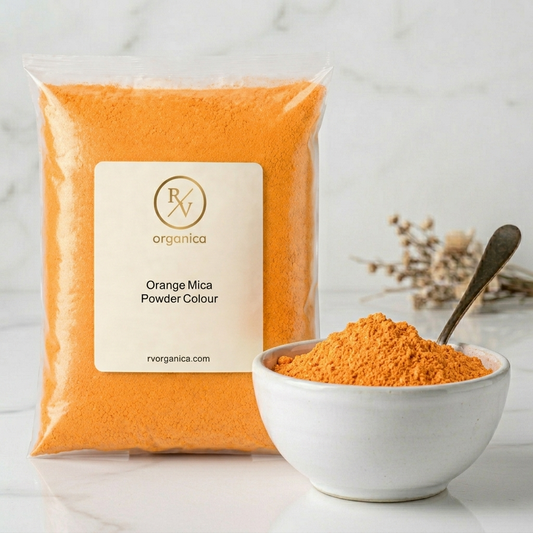
92% OFFOrange Soap & Candle Colour
Regular price From Rs. 299.00Regular priceUnit price / perRs. 3,800.00Sale price From Rs. 299.00Sale -
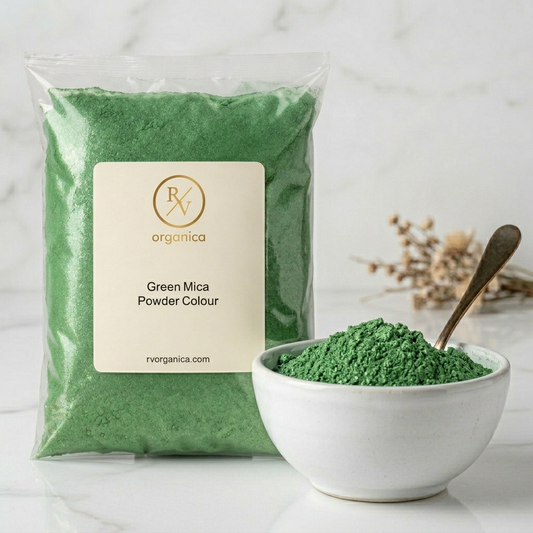
92% OFFGreen Soap & Candle Colour
Regular price From Rs. 299.00Regular priceUnit price / perRs. 3,800.00Sale price From Rs. 299.00Sale -
92% OFFBlue Soap & Candle Colour
Regular price From Rs. 299.00Regular priceUnit price / perRs. 3,800.00Sale price From Rs. 299.00Sale -
92% OFFYellow Soap & Candle Colour
Regular price From Rs. 299.00Regular priceUnit price / perRs. 3,800.00Sale price From Rs. 299.00Sale -
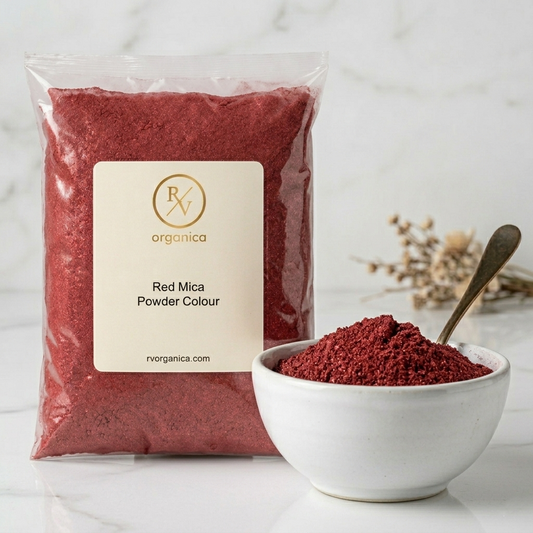
92% OFFRed Soap & Candle Colour
Regular price From Rs. 299.00Regular priceUnit price / perRs. 3,800.00Sale price From Rs. 299.00Sale -
62% OFFBrown Soap & Candle Colour
Regular price From Rs. 299.00Regular priceUnit price / perRs. 800.00Sale price From Rs. 299.00Sale
Collapsible content
Which candle dye works best for beginners in India?
Liquid candle dye is the most manageable starting format because you're adding in drops — colour intensity is adjustable incrementally, which blocks and powder don't allow as easily. New makers working with paraffin (still the most widely available candle wax in Indian local markets) will find standard liquid dyes dissolve reliably at paraffin working temperatures of 70–75°C. Those starting with soy wax should look specifically for liquid dyes labelled as soy-compatible. General-purpose liquid candle dyes sometimes underperform in vegetable-based waxes, producing paler results or separation on cooling.
What is the difference between liquid candle dye and dye blocks?
Concentration and control are the main practical differences. Liquid dye is pre-diluted and measured in drops — good for creative batches, colour mixing experiments, and small pours where adjustability matters. Candle dye blocks are solid concentrated pigment in a paraffin base; achieving the same depth that takes 8–10 drops of liquid might take a 0.1g shaving of block. For commercial-scale production runs where you're repeating the same shade across many batches, blocks work out more economical and are easier to transport in bulk. The choice often comes down to batch size: small and creative versus large and repetitive.
Which candle dye works best for soy wax candles?
Soy needs a dye that stays in solution at lower temperatures — typically 50–65°C — since soy's melting point is well below paraffin's. Standard paraffin dye blocks sometimes work in soy, but incomplete dissolution and dye bleed on cooling are real risks. Liquid dyes formulated specifically for soy generally perform more consistently. There's one nuance worth knowing: soy candles cool more slowly than paraffin, which can cause slight colour pooling near the base of the container before the wax fully sets. This shows more in liquid-dyed soy candles at high dye loads. Keeping the pour temperature consistent until full set — and avoiding moving cooling candles — reduces it.
How do I achieve consistent candle wax color in every batch?
Weigh your dye additions rather than relying on drops or visual estimation. This is the single most reliable way to reduce batch-to-batch variation. Keep a production log: dye weight per 100g wax, pour temperature, fragrance oil used, and final shade result. Fragrance oil has to be in the log because high-vanillin fragrances will shift pale and cream candles toward yellow regardless of dye. Once you know how a specific fragrance interacts with your wax in your production formulation, you can account for it. For very precise colour matching, premix the dye into a small amount of wax at high temperature before adding to the full batch — this ensures complete dissolution before dilution.
Are candle dyes available for wholesale supply in India?
Yes — though batch consistency and supplier documentation vary significantly. What distinguishes a reliable bulk candle dye supplier from a cheaper one isn't usually the initial colour result; it's whether the same shade is reproducible across the second and third order at the same concentration. For production-scale buyers, always ask for a COA for each dye batch. A mismatch in dye concentration between orders costs more in colour-correction time than a slightly higher unit price would have. RV Organica supplies candle dye for both retail and wholesale quantities with documentation on request. For candle wax to pair with your dye selection, the candle waxes range covers paraffin and soy options with similar supply documentation.
About Candle Dye
Candle Colours — High-Quality Dyes for Home, Festive & Bulk Candle Making
>The color your finished candle ends up with depends on more than which candle dye you choose. Wax type, mixing temperature, fragrance oil chemistry, and batch-to-batch measurement consistency all feed into the result — get any one wrong and you'll see it in the pour: streaks, uneven saturation, or a final shade that looks nothing like the test sample. RV Organica stocks candle dye in liquid, block, and powder formats to suit different wax types and production scales, from small Diwali gifting batches to commercial candle runs.
What Are Candle Colours?
>Candle colours are wax-soluble dyes — specifically designed to dissolve fully into melted wax, not sit as suspended particles. This is the distinction that separates candle dye from regular craft pigment. Wax is non-polar; most standard pigments can't bond with it, so they remain in suspension, eventually settling or migrating. This causes wick clogging and colour inconsistency on the candle surface. True wax-soluble dye integrates into the wax matrix at a molecular level and stays there.
Formats — liquid, block, powder — each have different profiles around dosing precision, shelf stability, and colour intensity. Which performs better depends on your wax, your setup, and the kind of finish you need.
One thing worth being direct about: candle wax color is a function of the full formulation, not just the dye. The same liquid dye used in clear paraffin, soy wax, and beeswax will produce three noticeably different tones. Paraffin shows colour most vividly. Soy's creamy base softens and warms every shade — reds shift toward terracotta, blues toward teal. Beeswax adds a natural honey cast over everything. Testing in your actual wax is not optional; it's the only way to know what the final candle actually looks like.
Types of Candle Dye
>Liquid Candle Dye
Drops go directly into fully liquid wax, and under a minute of stirring at 70–80°C produces an evenly distributed colour. Intensity scales predictably: for most liquid candle dyes, 3 drops per 100g gives a pale, translucent result; 8–10 drops approaches saturated and opaque. This format is most intuitive for small-batch work, layered pours, and gradient designs where you're adjusting colour depth between layers. The limitation is at production scale — dropper measurement introduces human variability, and the dye's apparent potency can shift near the bottom of the bottle as concentration changes. For repeat shade matching, weigh liquid additions rather than counting drops.
Candle Dye Blocks
Solid blocks are concentrated dye in a paraffin carrier — dense enough that a shaved sliver produces meaningful colour. The standard starting range is 0.1–0.2g per 100g wax for medium tones, though actual concentration varies by product. For Diwali production runs or commercial batches where you're replicating the same shade across many pours, blocks have a clear advantage: they're stable at room temperature, don't require sealed storage, and transport well in bulk. The practical challenge is cutting consistent portions — estimating by eye introduces the same batch variation you're trying to avoid. A gram-accurate scale takes that risk out.
Candle Dye Powder
Highest colour strength per gram of any format. Powder is the right choice for deeply saturated shades — dark reds, blacks, navy blues — where achieving the same depth with liquid or blocks would mean disproportionately high usage rates that interfere with fragrance throw or wick performance. The obstacle is dispersion. Powder added to wax below its full liquid state won't dissolve evenly, and clumping in humid storage (a real concern during India's June–September monsoon months) produces inconsistent results. In a controlled environment — consistent temperature, measured additions, thorough stirring — powder delivers the most intense candle colour output available in any format.
Candle Wax Color
A few variables affect final candle wax color that have nothing to do with the dye itself. Fragrance oil chemistry is the main one. Vanillin — present in vanilla, tobacco, caramel, and many warm-note fragrances common in Indian candle collections — discolours wax toward yellow-brown through oxidation during the cure period. This isn't a dye defect; it's what vanillin does to wax. High-vanillin fragrance oils combined with a pale or white wax base will push the finished candle toward amber regardless of which colorant was used. Pour temperature matters too: wax poured at the lower end of its working range cools faster and can trap uneven dye distribution before it fully settles. Test the complete formulation — wax, dye, and fragrance together — at your actual pour temperature before committing to production.
Candle Dye for Soy Wax
Soy wax requires a different approach than paraffin. Its melting point is lower (typically 50–55°C for container-grade blends), its fatty acid profile is different, and its translucency means colour inconsistencies that paraffin would hide are clearly visible in the finished candle. Paraffin-grade dye blocks in soy can resist full dissolution below 65°C, and on cooling — as soy shrinks away from container walls — dye bleed lines show clearly. Candle dye for soy wax is formulated to stay in solution at lower temperatures and distribute evenly through the setting process. Add it above 60°C and stir for at least a full minute. For buyers in Delhi, Kolkata, or other high-humidity regions: soy wax absorbs atmospheric moisture faster than paraffin does, so dyed soy candles sitting in unpackaged storage for several days before dispatch can develop surface texture changes that affect how the colour reads.
Candle Dye for Beginners
Start with liquid format. The learning curve with candle dye for beginners isn't chemistry — it's proportioning. Liquid lets you add in small increments, watch the colour shift, and stop when it looks right. With a dye block, miscutting a portion even slightly produces a result you can't easily correct within the same pour. Begin with lighter shades: pastels are more forgiving than saturated festive colours because measurement errors show less dramatically and test pours are cheaper to run. Build toward deeper tones — reds, greens, deep golds for Diwali collections — once you've established reliable measurements for your specific wax weight and pour temperature. Keep a batch log from the first pour, noting dye count, wax weight, temperature, and fragrance oil. Without records, repeating a shade is mostly luck.
Popular Candle Colours and Best Uses
>Red Soap and Candle Colour Red sits at the high end of demand for festive candle production and is one of the more technically demanding shades to get right. In paraffin, it reads bright crimson at full saturation. In soy, the creamy base shifts it warmer — closer to brick red or deep terracotta — which can actually suit certain Diwali and wedding décor aesthetics. For pillar candles and container pours, 0.15–0.20g of block per 100g wax delivers rich colour without loading the dye so heavily it starts interfering with fragrance throw.
Pink Soap and Candle Colour One of the more versatile shades in this range — pink spans spa candles, feminine gifting collections, wedding favours, and spring seasonal lines without the technical difficulty of red. Unlike red in soy, pink actually benefits from the wax's warm base, which enhances softness rather than distorting the shade. Light additions produce blush tones; increase the dose incrementally for a deeper, more saturated rose.
Green Soap and Candle Colour Useful for eco-themed ranges, herbal candle collections, and festive formats tied to traditional Indian celebrations. One caveat with green in soy wax: the shade can appear visually cooler or yellower under natural daylight than it looks during the pour. Test under the actual display lighting before finalising the colour for a retail collection. Pairs cleanly with eucalyptus, mint, or tulsi fragrance oils.
Purple Soap and Candle Colour Strong seller in the premium and spiritual segment — meditation candle collections, puja-inspired gifting sets, and luxury presentation boxes where the colour is meant to signal quality or ritual purpose. Achieving consistent purple in wax takes care: the red and blue dye components can separate slightly at lower temperatures. Add above 70°C and hold temperature through the full stirring period.
Orange Soap and Candle Colour The natural festive choice. Orange is central to Diwali candle production and autumn-themed collections, and it pairs readily with cinnamon, clove, cardamom, and spiced fragrance oils. In paraffin, it reads bright and clear. In soy, it softens toward a warm amber-orange that works particularly well with vanilla or caramel bases. Among all the common festive shades, orange tends to be one of the more stable across different wax batches — reliable for production runs that need to match across shipments.
Yellow Soap and Candle Colour Yellow has specific rather than broad application. It's often used to deepen the natural honey tone in beeswax candles without pushing toward green. For paraffin-based Diwali diyas, yellow combined with a warm fragrance oil creates celebratory colour without the full visual weight of red. Powder format is particularly effective here — small, controlled additions allow very precise warmth adjustment.
Brown Soap and Candle Colour Often underestimated. Brown candles — in soy wax with coffee, tobacco, or sandalwood fragrances — perform consistently in premium retail and D2C ranges. The shade sits better on home décor shelves than high-saturation festive colours, which is exactly what makes it relevant for year-round product lines rather than seasonal-only. Works cleanly in both paraffin and soy.
Browse the full range: Candle Colours at RV Organica
How to Choose the Right Candle Dye
>The format question matters less than the wax question. Start by confirming whether your wax is paraffin, soy, beeswax, or a blend — this decision narrows your options more than any other factor. Paraffin works with all three candle dye formats. Soy requires dyes that dissolve at lower temperatures; not everything labelled "candle dye" behaves reliably in vegetable-based wax. Blended waxes vary by formulation, so test before assuming.
A common and expensive mistake: using soap colorants in candles. Soap micas and pigments are designed for a water or glycerin environment. They don't dissolve in wax the way wax-soluble dyes do — they'll sink, mottle, or produce surface bloom. If the product listing doesn't explicitly state wax-soluble dye, assume it won't behave correctly in a candle pour.
Always do a test pour with your full formulation — wax, dye, and fragrance together — before production. Fragrance oil interaction changes the final colour significantly, particularly in pale or cream candle bases. Oriental and sweet fragrances with high vanillin content (common in Indian collections) are the most likely to shift colour toward yellow-amber during the cure period. This isn't something you can predict from the dye alone.
Documentation is the step most buyers skip until something goes wrong in a larger order. Request a COA and MSDS for any candle dye you're purchasing in significant volume. The COA confirms chemical composition and concentration — relevant for customer-facing safety claims about your candles. The MSDS covers handling and storage requirements, which matter in North Indian summer conditions where storage temperatures routinely exceed 40°C between March and June.
For wholesale sourcing specifically, ask whether the supplier can provide matched colour batches — multiple shipments of the same shade at the same concentration. Batch variation in dye is a genuine problem with some suppliers and it shows directly in production colour matching.
Storage: Keep all formats in cool, dry conditions away from direct sunlight. Liquid dyes should stay sealed between uses. Powder formats are most vulnerable to humidity — improper storage during monsoon months can degrade colour performance within a few months of purchase.
RV Organica
>RV Organica stocks candle dye in liquid, block, and powder formats; COA and MSDS are available for each product on request. Orders are processed for both individual makers and bulk buyers, with dispatch to addresses across India. The candle colour range covers red, pink, green, purple, orange, yellow, brown, and peach tones — the core shades used in Indian festive, home décor, and commercial candle production.
- Choosing a selection results in a full page refresh.
- Opens in a new window.