
Buy PureDetergent FragranceOnline in India - Bulk & Wholesale
Buy Detergent Fragrance in Bulk
-

 50% OFF
Comfort Blue Detergent Fragrance Oil
Regular price From Rs. 389.00Regular priceUnit price perRs. 779.00Sale price From Rs. 389.00Sale -

 50% OFF
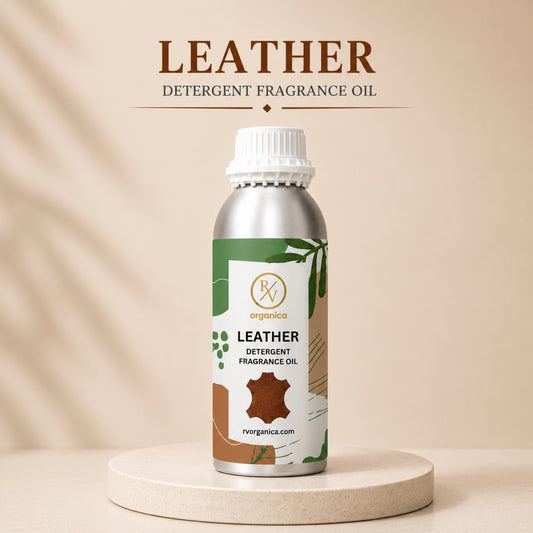
Leather Detergent Fragrance Oil
Regular price From Rs. 389.00Regular priceUnit price perRs. 779.00Sale price From Rs. 389.00Sale -

 50% OFF
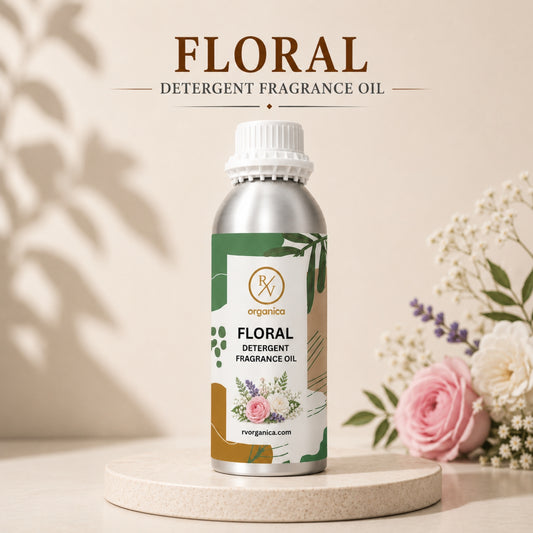
Floral Detergent Fragrance Oil
Regular price From Rs. 359.00Regular priceUnit price perRs. 719.00Sale price From Rs. 359.00Sale -

 50% OFF
Surf Excel Detergent Fragrance Oil
Regular price From Rs. 399.00Regular priceUnit price perRs. 799.00Sale price From Rs. 399.00Sale -
 50% OFF
Eucalyptus, Rosemary & Tea Tree Detergent Fragrance Oil
Regular price From Rs. 399.00Regular priceUnit price perRs. 799.00Sale price From Rs. 399.00Sale -

 50% OFF
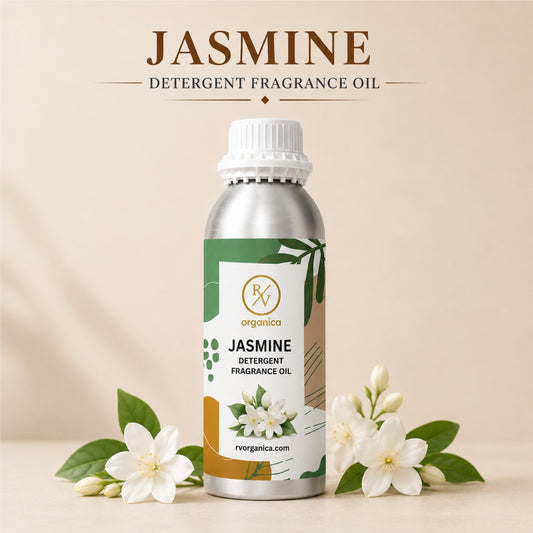
Jasmine Detergent Fragrance Oil
Regular price From Rs. 379.00Regular priceUnit price perRs. 759.00Sale price From Rs. 379.00Sale -

 50% OFF
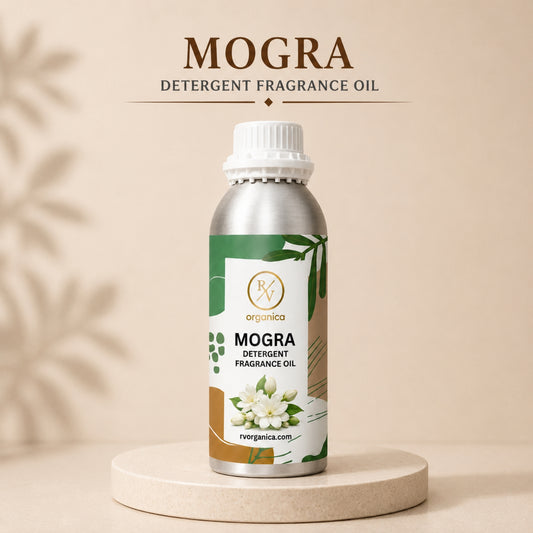
Mogra Detergent Fragrance Oil
Regular price From Rs. 369.00Regular priceUnit price perRs. 739.00Sale price From Rs. 369.00Sale -

 50% OFF
Lemongrass Detergent Fragrance Oil
Regular price From Rs. 349.00Regular priceUnit price perRs. 699.00Sale price From Rs. 349.00Sale -

 50% OFF
Fresh Linen Detergent Fragrance Oil
Regular price From Rs. 359.00Regular priceUnit price perRs. 719.00Sale price From Rs. 359.00Sale -

 50% OFF
Fresh Laundry Detergent Fragrance Oil
Regular price From Rs. 349.00Regular priceUnit price perRs. 699.00Sale price From Rs. 349.00Sale -

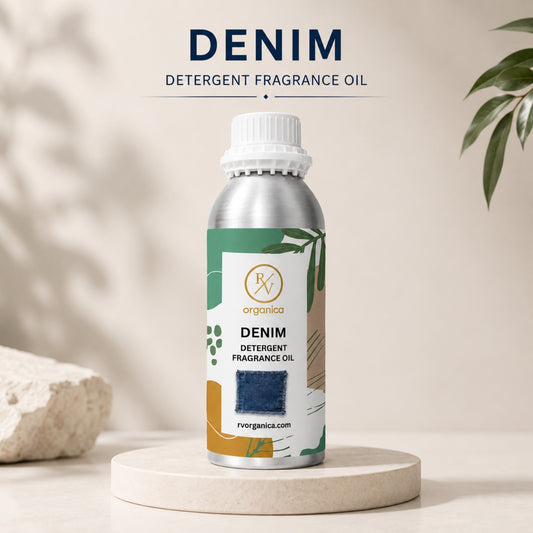 50% OFF
Denim Detergent Fragrance Oil
Regular price From Rs. 379.00Regular priceUnit price perRs. 759.00Sale price From Rs. 379.00Sale -

 50% OFF
Crystal Bulgaria Detergent Fragrance Oil
Regular price From Rs. 399.00Regular priceUnit price perRs. 799.00Sale price From Rs. 399.00Sale -

 50% OFF
Cool Blue Detergent Fragrance Oil
Regular price From Rs. 359.00Regular priceUnit price perRs. 719.00Sale price From Rs. 359.00Sale -

 50% OFF
British Tea Rose Detergent Fragrance Oil
Regular price From Rs. 389.00Regular priceUnit price perRs. 779.00Sale price From Rs. 389.00Sale -

 50% OFF
Bergamot & Lime Detergent Fragrance Oil
Regular price From Rs. 379.00Regular priceUnit price perRs. 759.00Sale price From Rs. 379.00Sale -

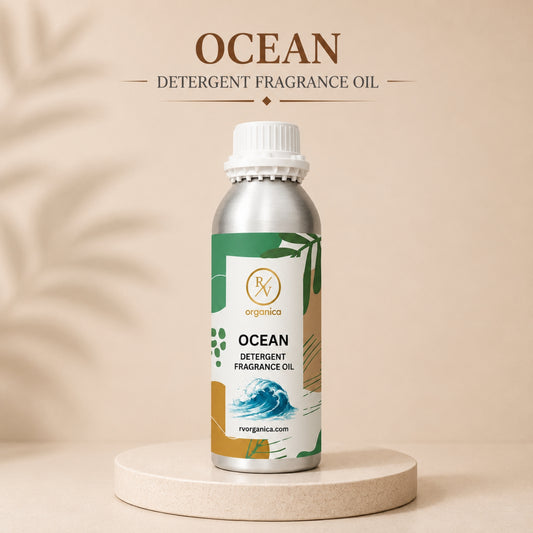 50% OFF
Ocean Detergent Fragrance Oil
Regular price From Rs. 359.00Regular priceUnit price perRs. 719.00Sale price From Rs. 359.00Sale -

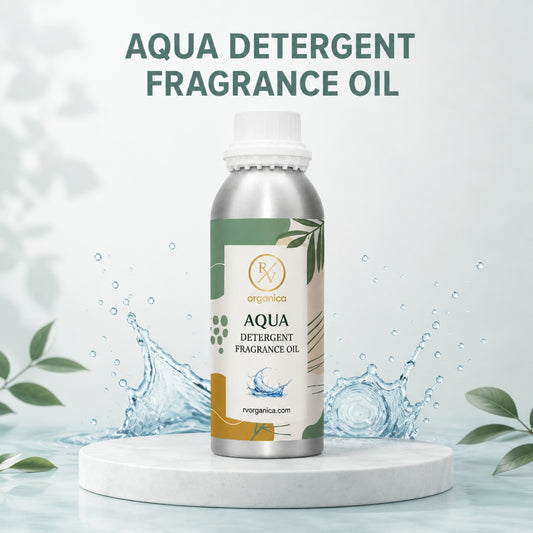 50% OFF
Aqua Detergent Fragrance Oil
Regular price From Rs. 359.00Regular priceUnit price perRs. 719.00Sale price From Rs. 359.00Sale -

 50% OFF
Eazy Clean Detergent Fragrance Oil
Regular price From Rs. 369.00Regular priceUnit price perRs. 739.00Sale price From Rs. 369.00Sale -

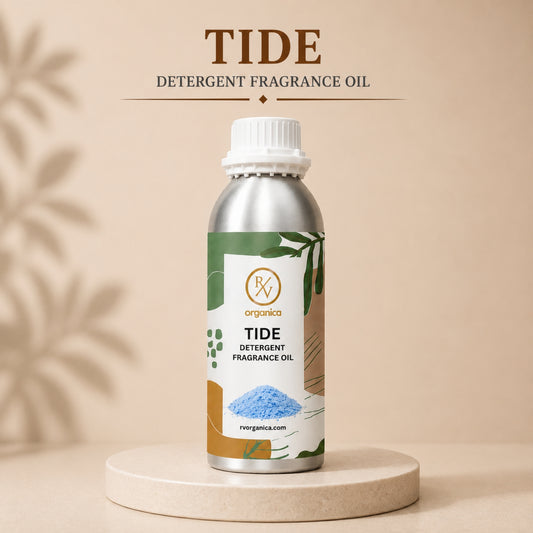 50% OFF
Tide Detergent Fragrance Oil
Regular price From Rs. 399.00Regular priceUnit price perRs. 799.00Sale price From Rs. 399.00Sale -

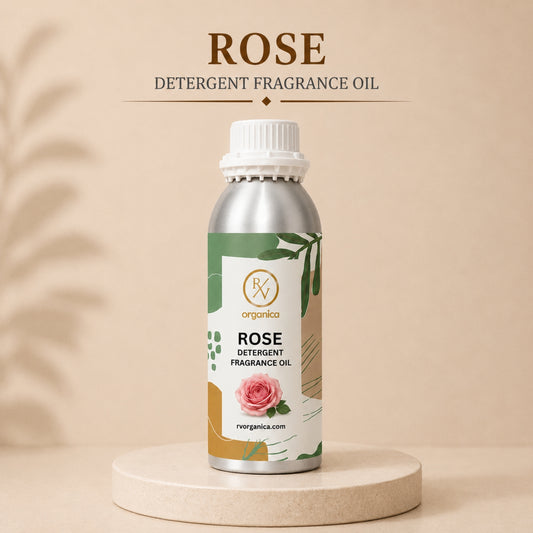 50% OFF
Rose Detergent Fragrance Oil
Regular price From Rs. 379.00Regular priceUnit price perRs. 759.00Sale price From Rs. 379.00Sale


Detergent Fragrances Long-Lasting Scents for Liquid, Powder and Laundry Care Manufacturing
Detergent fragrances are purpose-built aromatic compounds engineered to survive alkaline pH, high-surfactant concentrations, and extended storage in Indian warehouses that hit 38 to 42°C through summer, rather than repurposed cosmetic or candle-grade oils. RV Organica's detergent fragrances collection covers blends formulated specifically for liquid detergent, powder detergent, fabric softener, and laundry care manufacturing.
What separates detergent fragrances from cosmetic fragrance oils
A cosmetic fragrance oil built to hold at pH 5 to 6 can completely separate, discolor, or lose headspace in a detergent base sitting at pH 9 to 12. Detergent-grade blends use raw materials that resist oxidation from bleaching agents, stay homogeneous at high-surfactant concentrations, and don't react with builders like STPP or zeolites. The word "fragrance" on a supplier listing tells you nothing about suitability for a specific system — what actually matters is the tested usage rate in alkaline systems and whether it's been verified against a specific anionic-to-nonionic surfactant ratio. Terms like "industrial-grade" or "detergent-safe" without supporting data are marketing, not formulation guidance.
How detergent fragrance oils perform by application
Liquid detergent
Liquid detergent systems are predominantly water-based, alkaline, and built on anionic surfactants like LAS or SLES. A fragrance oil for liquid detergent needs to disperse uniformly at 0.3 to 1.5 percent dosing without causing cloudiness or phase separation. Citrus and aquatic profiles — lemon, ocean, fresh cotton — tend to work well here because they're built around polar aroma chemicals that integrate readily into water-continuous systems.
Fragrance added too early in a hot-fill process, above 60°C, loses top notes before the container is even sealed. Cold-process or cooled-batch addition preserves the scent profile more reliably, though it adds a step to the workflow that needs to be factored into mixing time.
Powder detergent
In spray-dried and dry-mix powder systems, the challenge isn't alkaline stability — it's retention on the powder particle. Fragrance oil for powder detergent is typically applied post-drying via adsorption onto a zeolite or silica carrier, or pre-sprayed before agglomeration. Usage rates run lower, usually 0.15 to 0.5 percent, and the fragrance must survive heat if incorporated before spray-drying.
Floral profiles dominate Indian powder detergent formulations, but jasmine aroma chemicals are more volatile under heat stress, while green tea and muguet-type blends tend to show better retention across the spray-dry process. Testing against the actual tower temperature profile before committing to a jasmine-heavy SKU matters, since the scent that survives the tower isn't always the scent sampled in the lab.
Floral detergent fragrance
Floral scents — rose, jasmine, lavender, mogra — account for the bulk of Indian household detergent fragrancing, particularly in the mid-tier and premium powder segment. Many true floral aroma chemicals are fragile in high-alkalinity conditions, so well-formulated floral detergent fragrance oils build on more stable musks and woody base notes to carry the floral character through the wash rather than only in the drum. A floral blend that smells strong on opening doesn't always translate to post-dry fabric freshness — that comes down to base material substantivity, how well aroma chemicals bond to fabric fibres, not how intense the top note is.
Laundry applications
Laundry fragrance splits into two moments: in-wash scent and residual fabric freshness after drying, with most buyers really optimizing for the second. Fragrance oils that deliver post-dry freshness tend to use musk bases — macrocyclic or polycyclic musks that bind to fibres and release slowly. Fresh cotton, clean linen, and light citrus profiles built on these bases perform better on fabric than heavier florals or orientals, which tend to read as detergent-like rather than fresh. For any product with European export potential, musk compliance should be confirmed before committing to a production batch, since some synthetic musk bases face increasing regulatory scrutiny internationally.
Popular detergent fragrance oils and best uses
Lemon Fragrance Oil — One of the most reliably stable citrus profiles in alkaline detergent systems. Its sharp, clean character is widely associated with hygiene in Indian markets, making it a low-risk launch choice for both liquid and powder formats, and it also layers well under a fresh linen base for added complexity without shifting the product's core positioning.
Lavender Fragrance Oil — More forgiving than pure jasmine or rose in high-pH conditions, with a herbal-floral character that holds reasonably well through surfactant systems. Works particularly well in Indian family care lines, where mildness perception matters more than with sharp citrus, even if it isn't the most distinctive choice available.
Fresh Linen Fragrance Oil — Built on a dominant musk base with clean aldehydic or ozonic top notes that flash off quickly, leaving fabric that smells line-dried rather than perfumed. Probably the most practical choice for fabric conditioner manufacturing specifically, since the clean-freshness association is immediate and needs no consumer education.
Fresh Laundry Fragrance Oil — Closer to neutral than fresh linen, deliberately designed for applications where the product should smell clean rather than obviously scented. Ages well in packaged formulations and performs across powder and liquid at standard dosing rates, a sensible starting point for private label buyers targeting consumers who find strong fragrance off-putting.
Fruity Fresh Fragrance Oil — Light citrus-fruit blends gaining ground in India's private label detergent market, particularly for products aimed at younger urban households. Not sweet enough to read as candy but bright enough to register as clean, moving a product away from the commodity floral-citrus space without needing a premium claim to justify it.
Explore RV Organica's complete fragrance oils range for additional profiles across all categories.
How to choose the right detergent fragrance oil
Most sourcing decisions fail at one of three points: the fragrance wasn't tested in alkaline systems before purchase, it performed fine in a 1kg lab batch but showed instability when scaled into production equipment, or the buyer chose on scent alone without verifying substantivity. All three are avoidable with the right questions upfront.
Before placing any bulk order, it's worth confirming a few things directly: has the fragrance been stability-tested at pH 9 to 12, what's the recommended dosing rate in liquid versus powder, does it contain any EU or BIS-restricted raw materials if the product has export potential, and can the supplier provide COA and MSDS documentation per batch. Any supplier who can't answer the stability question clearly is likely selling a general-purpose fragrance oil that hasn't been specifically tested in detergent systems.
Indian storage conditions add a variable most international formulation guidance ignores. North and Central Indian warehouses regularly exceed 40°C from April through June, and fragrance oils stored in direct heat shed top notes while some aroma chemicals polymerize under sustained heat, thickening the oil and making accurate dosing harder. A December or monsoon-season stability result shouldn't be assumed to hold through a May batch, since North Indian warehouses can swing 20 to 25°C between those months.
On bulk quantities, price per kg drops meaningfully at 25kg and again around 200kg, but running a 5kg trial against actual production equipment before committing to a new formulation is worth doing, since a formulation stable at bench scale occasionally behaves differently in a paddle mixer or high-shear blender. Vinay can review RV Organica's detergent fragrance oils range directly to compare tested dosing rates before requesting a trial batch.
About RV Organica
RV Organica manufactures and supplies fragrance oils from 100g to 200kg from its Panipat facility, with COA and MSDS documentation provided per batch. Orders are processed with full batch traceability, and technical queries on dosing rates or system compatibility can be submitted before purchase.
Frequently asked questions
Why can't cosmetic fragrance oils be used directly in detergent formulations? Detergent bases sit at pH 9 to 12, which is far more alkaline than the pH 5 to 6 range most cosmetic fragrance oils are built for. Using an unsuited fragrance can cause separation, discoloration, or loss of headspace in the finished product.
What's the typical dosing rate for fragrance oil in liquid detergent? Usually 0.3 to 1.5 percent, with the fragrance needing to disperse uniformly without causing cloudiness or phase separation in the water-based, anionic-surfactant systems most liquid detergents use.
Why do floral fragrances sometimes fade after a wash even if they smell strong out of the bottle? Post-dry fabric freshness depends on base material substantivity, how well the aroma chemicals bond to fabric fibres, not on the intensity of the top note when the bottle is first opened. Musk and woody base notes generally carry floral character through the wash better than the floral top notes alone.
How does Indian summer heat affect detergent fragrance oil storage? Warehouses across North and Central India regularly exceed 40°C from April through June, which can strip top notes and cause some aroma chemicals to polymerize and thicken, making accurate dosing harder. Stability results from cooler months shouldn't be assumed to hold through peak summer.
Should detergent fragrance oils be tested at production scale before committing to a large order? Yes. A formulation that performs well in a 1kg lab batch can behave differently in a paddle mixer or high-shear blender at scale, so a 5kg trial against actual production equipment is a reasonable step before a full bulk commitment.
- Choosing a selection results in a full page refresh.
- Opens in a new window.