
Spice Essential Oils
Buy Spice Essential Oils in Bulk
-

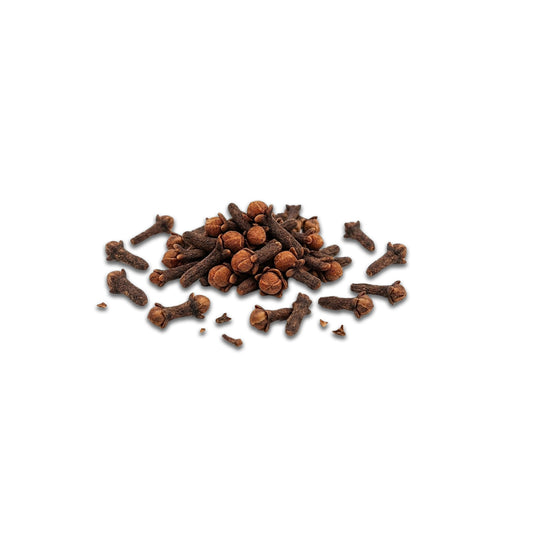 50% OFF
Clove Bud Essential Oil
Regular price From Rs. 499.00Regular priceUnit price perRs. 1,000.00Sale price From Rs. 499.00Sale -

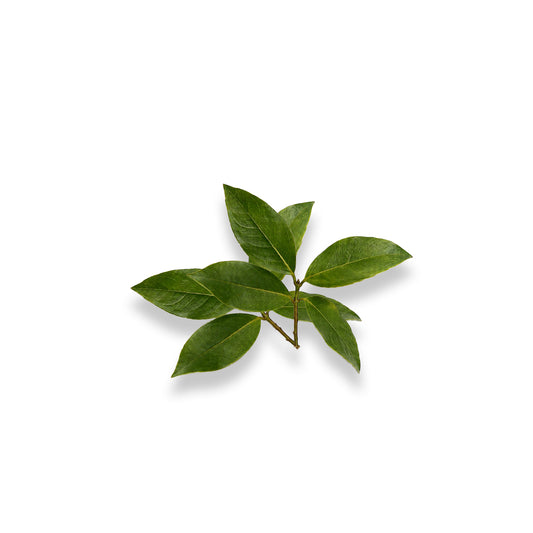 25% OFF
Cinnamon Leaf Essential Oil
Regular price From Rs. 449.00Regular priceUnit price perRs. 600.00Sale price From Rs. 449.00Sale -

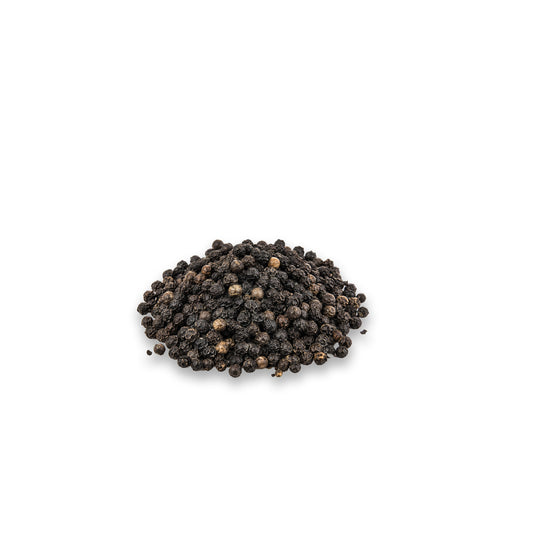 40% OFF
Black Pepper Essential Oil
Regular price From Rs. 599.00Regular priceUnit price perRs. 1,000.00Sale price From Rs. 599.00Sale -

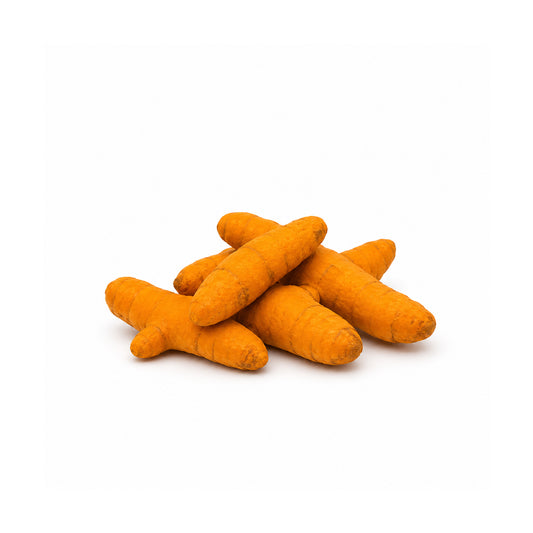 25% OFF
Turmeric Essential Oil
Regular price From Rs. 449.00Regular priceUnit price perRs. 600.00Sale price From Rs. 449.00Sale -

 21% OFF
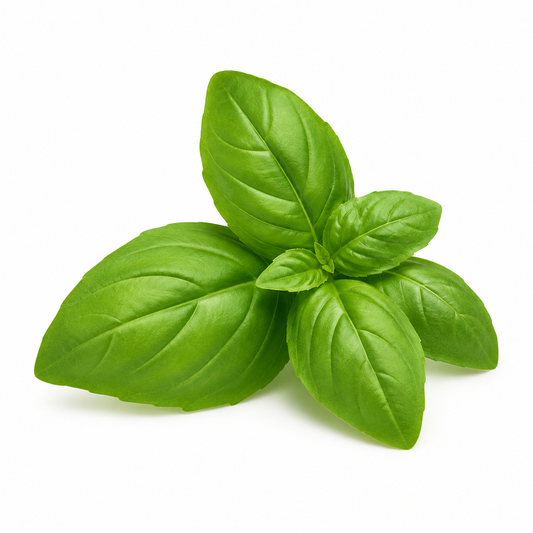
Sweet Basil Essential Oil
Regular price From Rs. 549.00Regular priceUnit price perRs. 700.00Sale price From Rs. 549.00Sale -

 29% OFF
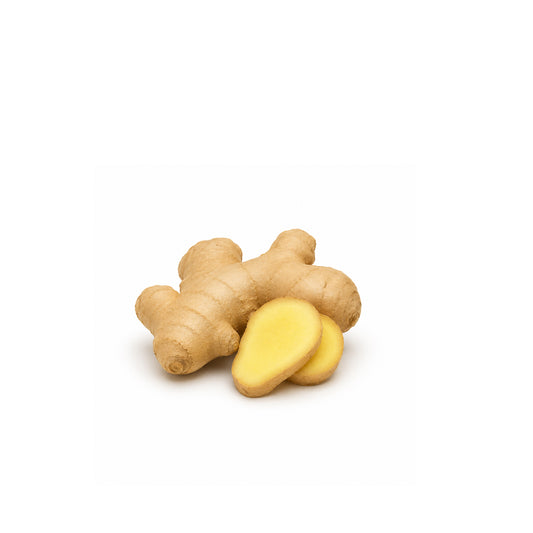
Ginger Root Essential Oil
Regular price From Rs. 849.00Regular priceUnit price perRs. 1,200.00Sale price From Rs. 849.00Sale -

 53% OFF
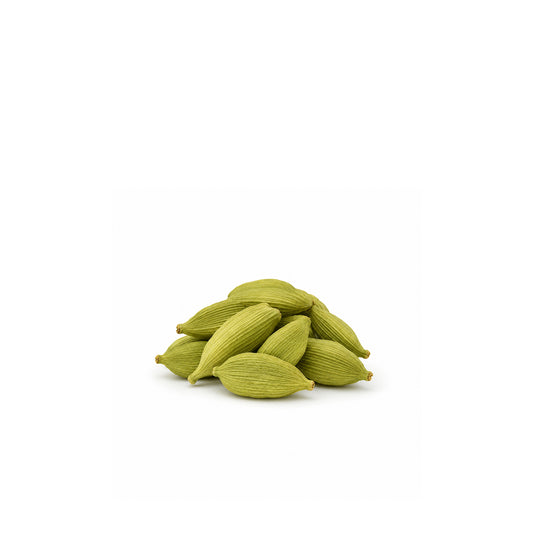
Cardamom Essential Oil
Regular price From Rs. 1,849.00Regular priceUnit price perRs. 4,000.00Sale price From Rs. 1,849.00Sale -

 10% OFF
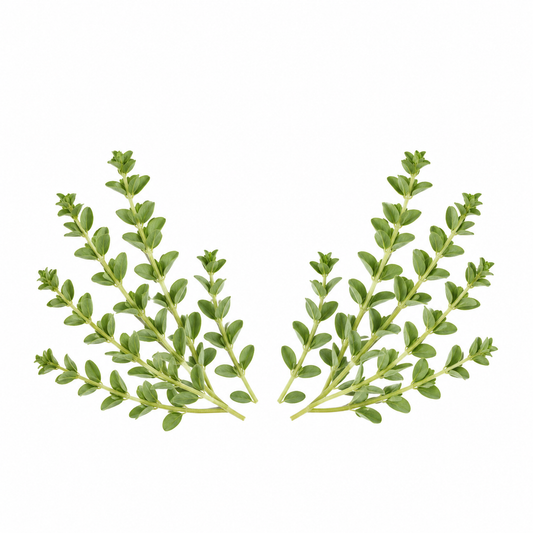
Thyme Essential Oil
Regular price From Rs. 449.00Regular priceUnit price perRs. 500.00Sale price From Rs. 449.00Sale -

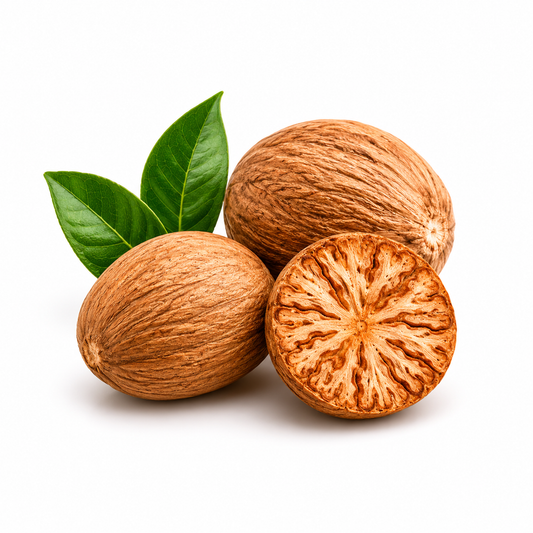 30% OFF
Nutmeg Essential Oil
Regular price From Rs. 449.00Regular priceUnit price perRs. 650.00Sale price From Rs. 449.00Sale -

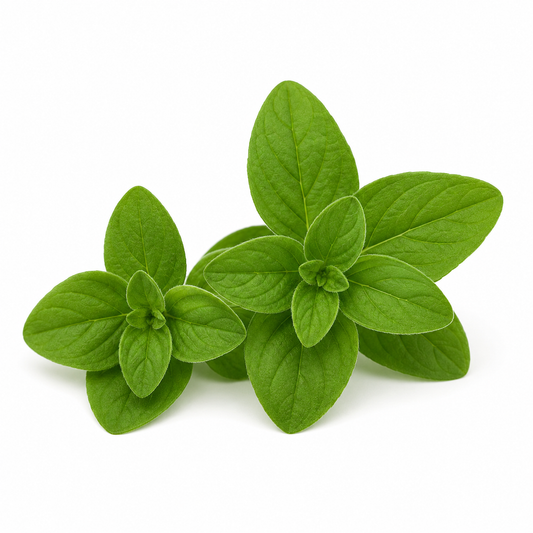 10% OFF
Oregano Essential Oil
Regular price From Rs. 449.00Regular priceUnit price perRs. 500.00Sale price From Rs. 449.00Sale -

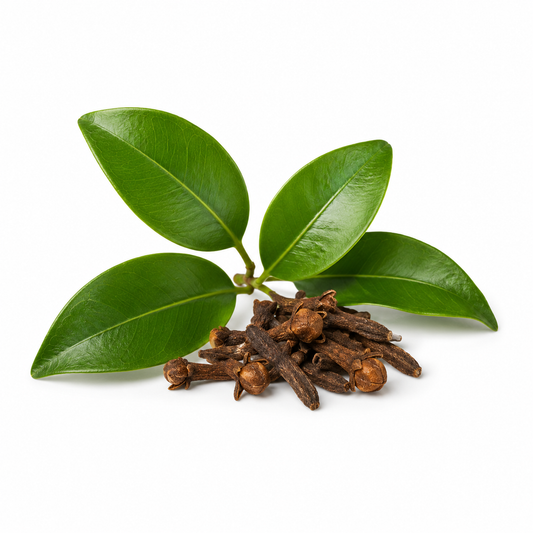 55% OFF
Clove Leaf Essential Oil
Regular price From Rs. 449.00Regular priceUnit price perRs. 1,000.00Sale price From Rs. 449.00Sale -

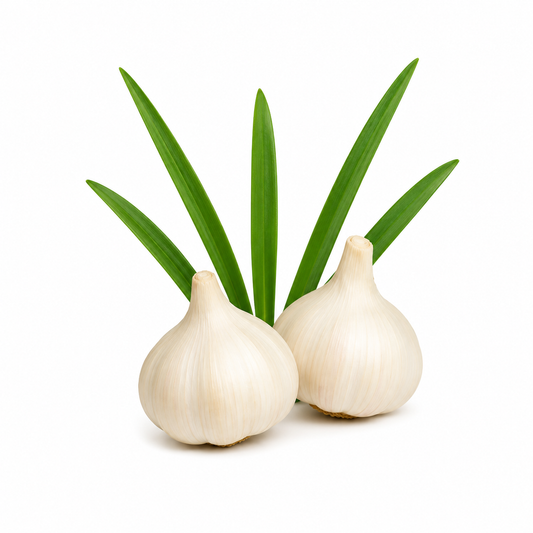 46% OFF
Garlic Essential Oil
Regular price From Rs. 799.00Regular priceUnit price perRs. 1,500.00Sale price From Rs. 799.00Sale -

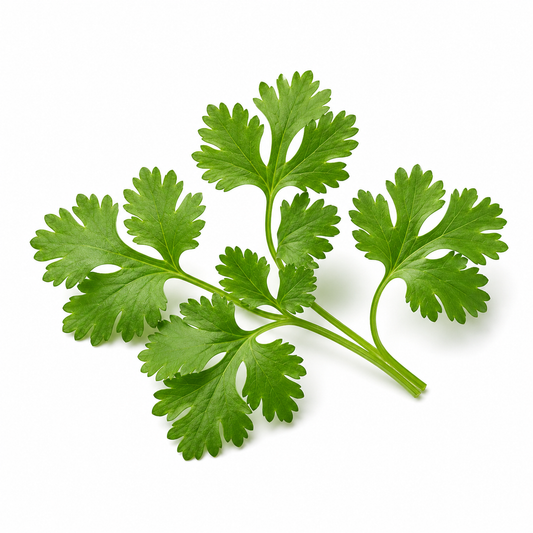 46% OFF
Coriander Essential Oil
Regular price From Rs. 849.00Regular priceUnit price perRs. 1,600.00Sale price From Rs. 849.00Sale -

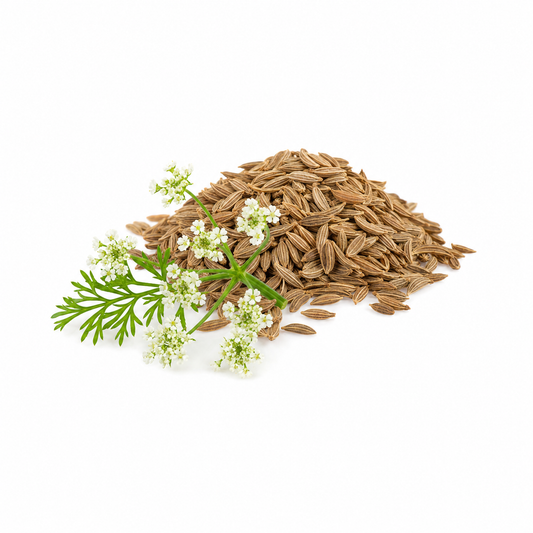 9% OFF
Ajwain Essential Oil
Regular price From Rs. 499.00Regular priceUnit price perRs. 550.00Sale price From Rs. 499.00Sale -

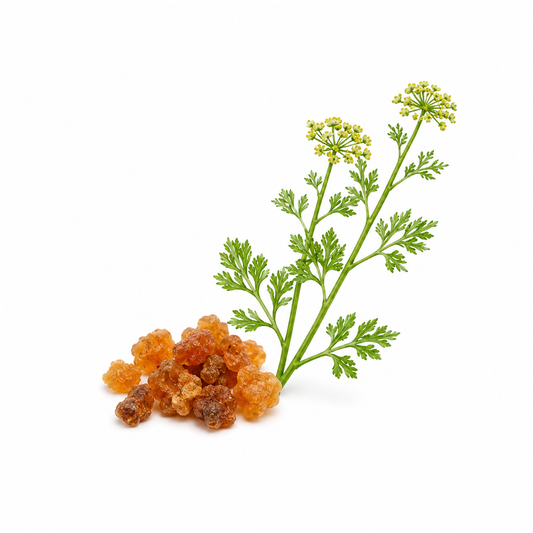 50% OFF
Hing Essential Oil
Regular price From Rs. 649.00Regular priceUnit price perRs. 1,300.00Sale price From Rs. 649.00Sale -

 50% OFF
Galangal Essential Oil
Regular price From Rs. 2,499.00Regular priceUnit price perRs. 5,000.00Sale price From Rs. 2,499.00Sale -

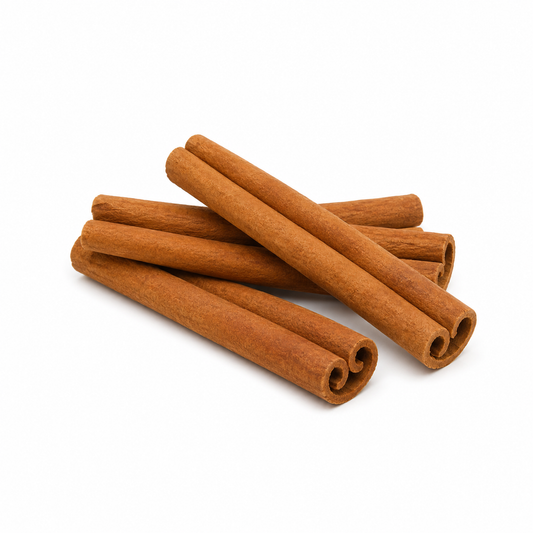 16% OFF
Cassia Essential Oil
Regular price From Rs. 499.00Regular priceUnit price perRs. 600.00Sale price From Rs. 499.00Sale -

 50% OFF
Mace Essential Oil
Regular price From Rs. 599.00Regular priceUnit price perRs. 1,200.00Sale price From Rs. 599.00Sale -

 53% OFF
Celery Seed Essential Oil
Regular price From Rs. 649.00Regular priceUnit price perRs. 1,400.00Sale price From Rs. 649.00Sale


About Spice Essential Oils

Spice Essential Oils
Quick answer: Spice essential oils, including clove bud, cardamom, black pepper, ginger root, nutmeg, cinnamon leaf, turmeric, mace, and galangal, are among the most potent essential oils. Clove and cinnamon in particular cause most contact sensitisation complaints, so keep them at 0.5 percent or lower in skin products and patch test first. They are used in Ayurvedic formulations, hair blends, soap, and home diffusion. Ask for GC-MS documentation to confirm composition.
RV Organica is an essential oil manufacturer based in Panipat, Haryana, India, supplying spice essential oils for Ayurvedic formulation, hair blends, soap production, and home diffusion. Spice essential oils sit at the more potent end of the entire essential oil category, and that potency is exactly why misuse is so common. Clove and cinnamon alone account for a disproportionate share of contact sensitization complaints in DIY skincare and massage, almost always because someone treated the dilution guideline as a suggestion rather than a rule.
Browse the full spice essential oils collection to see what's currently in stock.
What Is Included in the Spice Essential Oils Collection?
This collection covers clove bud, cardamom, black pepper, ginger root, nutmeg, cinnamon leaf, and turmeric, along with the less commonly stocked mace and galangal. As an essential oil manufacturer in India, RV Organica processes these at its own Panipat, Haryana facility, mostly through steam distillation, though a few seed-based varieties use cold pressing instead. The source material differs by oil: clove bud comes from unopened flower buds, black pepper from the dried unripe fruit, ginger from the rhizome. What comes out is a concentrated mix of compounds - eugenol in clove, zingiberene and beta-bisabolene in ginger, alpha-terpinyl acetate in cardamom - and these compounds are responsible for both the aromatic intensity and the skin-reactivity risk that comes with this category.
One distinction is worth getting right before ordering: cinnamon essential oil isn't a single product. Bark oil runs 60 to 80% cinnamaldehyde and is a well-documented sensitizer even at low concentrations. Leaf oil is higher in eugenol, lower in cinnamaldehyde, and considerably safer for cosmetic use. The two look identical in an unlabeled bottle, so if a listing doesn't specify bark or leaf, that's a question worth asking before buying. It's also worth knowing that a number of "spice oils" sold online are synthetic fragrance compositions rather than distilled plant extracts - a genuine essential oil will have GC-MS data showing identifiable botanical compounds, and a fragrance oil won't.
How Do You Use Spice Essential Oils for Scalp, Massage, and Soap?
Every oil discussed below is part of the spice essential oils collection, and each application has its own dilution ceiling - going past it in this category produces irritation rather than a stronger effect.
Scalp and hair blends. Clove bud and black pepper are the standard warming oils used for circulation-focused scalp treatments. Keep clove at 0.5 to 1% in a carrier oil - sesame, coconut, or castor are the traditional Indian bases. Pushing past 1.5% doesn't make the treatment feel proportionally stronger, it just becomes uncomfortable. Warming scalp blends are mostly a cooler-season practice; from March through September, when North Indian temperatures regularly cross 38°C, a heating scalp treatment is genuinely unpleasant rather than therapeutic.
Abhyanga and massage. Ginger root and nutmeg suit blends that need sustained warmth, while black pepper adds a dry, peppery depth that some formulators prefer for muscle-recovery blends specifically. The traditional ratio in sesame oil is around 1 to 2% combined spice oils. Above 2%, particularly with ginger, the experience shifts from therapeutic warmth into outright irritation, especially across large body surface areas.
Skincare formulation. Turmeric essential oil is the most practical spice oil to work with, since it doesn't stain the way turmeric powder does, making it usable in leave-on formulations. Cinnamon leaf appears in some brightening formulations at concentrations well under 1%, but IFRA limits for cinnamon leaf in leave-on products are strict, and patch testing isn't optional here.
Diffusion. Cardamom is the most room-friendly spice oil - 4 to 5 drops in a standard 100ml diffuser gives a soft, rounded warmth that doesn't dominate a room. Clove is considerably stronger; 2 to 3 drops is enough for a medium room, and pushing beyond that turns the effect from pleasant to oppressive for a lot of people within twenty minutes.
Soap making. Clove bud and cinnamon leaf perform best in cold process, with clove staying notably stable through saponification because eugenol holds up well at high pH. Both cause browning in the finished bar, which isn't a quality issue but matters if producing white or pastel soaps for retail. Turmeric essential oil works well here too, adding an earthy note without the aggressive discoloration that turmeric powder causes.
What Should Formulators Know About Each Spice Oil?
Clove bud essential oil runs 70 to 85% eugenol and carries genuine antimicrobial character, which is why it earns a place in soap and scalp blends beyond just fragrance. It's also one of the few oils where going just 0.5% over the recommended concentration produces a measurable skin response rather than simply a stronger smell - dilution discipline matters more here than with almost any other oil in this collection.
Cardamom essential oil is softer, sweeter, and substantially less reactive than clove or cinnamon. Its high alpha-terpinyl acetate content gives it a slightly camphoraceous, complex sweetness that reads well even in small amounts, which is why it works comfortably in luxury perfume bases, Ayurvedic formulations, and diffuser blends where warmth without dominance is the goal.
Black pepper essential oil is dry, sharp, and stimulating, reading as distinctly warming in massage blends but without ginger's sweetness - closer to herbal-woody in a finished composition. It's a regular choice in hair oils targeting scalp circulation and is often combined with ginger for deeper synergistic heat in muscle-focused massage blends.
Ginger root essential oil is distilled from fresh rhizome rather than dried ginger, giving it an earthier, more immediate quality. Its heating effect in Abhyanga blends is faster-acting than nutmeg and more sustained than black pepper, and it blends cleanly into sesame or almond base at 1 to 1.5%.
Nutmeg essential oil is warm and woody-spicy without clove's assertiveness, which means it layers into a blend rather than fighting other aromatic ingredients for attention. Cold process soap makers appreciate it for both fragrance contribution and reasonable cure stability - the scent holds, though not as robustly as clove.
Cinnamon leaf essential oil is the practical, lower-risk version of cinnamon, with lower cinnamaldehyde content than bark oil and more workable dilution ranges. IFRA guidance still applies and shouldn't be skipped, but leaf oil is the appropriate choice for leave-on cosmetic formulations, winter body oils, and diffuser blends where bark oil's intensity would be excessive.
Turmeric essential oil is earthy and herbaceous, quite different from the smell of the powder. Its curcumin-derived compounds add functional interest to antioxidant-forward skincare formulations, and the fact that it doesn't discolour soap bars makes it a practical choice for Ayurvedic-positioned products in white or light colours.
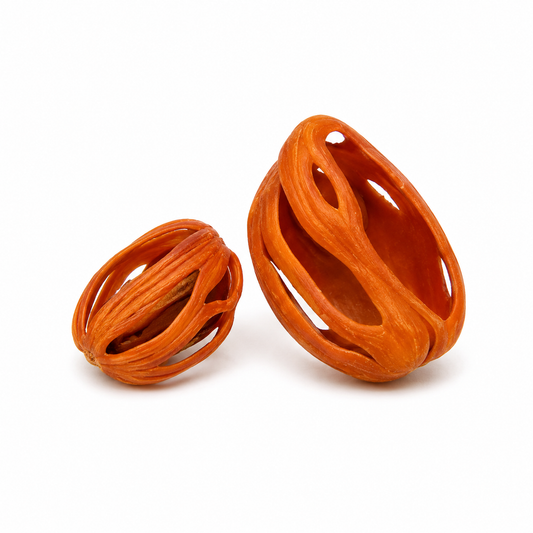
Mace essential oil, extracted from the outer covering of the nutmeg seed, is related to nutmeg in aroma but distinctly more complex - warm, spicy-woody, with floral undertones nutmeg itself doesn't carry. It's a niche pick, showing up mostly in premium perfumery and Ayurvedic formulations rather than everyday blending.
Galangal essential oil, from a rhizome related to ginger and cardamom, contributes a camphoraceous spice note used in certain traditional Ayurvedic preparations - less commonly stocked, but worth sourcing if a warm-woody spice profile is part of a formulator's range. Both mace and galangal are available within the full spice oils range for buyers building out a complete Ayurvedic or perfumery line.
Which Spice Oil Is Best for Each Season in India?
Summer (March to June). Warming scalp and massage blends are genuinely uncomfortable once North Indian temperatures cross 38°C, so this is the season to scale back clove, ginger, and black pepper for topical use rather than lean into them. Cardamom remains usable year-round for diffusion since its effect is gentle warmth rather than heat, and it pairs well with a citrus top note to keep a summer diffuser blend from feeling heavy.
Monsoon (June to September). Humidity doesn't change the core risk profile of spice oils much, but storage discipline matters more - sealed amber glass in a cool, dark cabinet protects against the moisture and temperature swings of this period. Turmeric and cinnamon leaf continue to work well in skincare formulations through monsoon since neither carries a strong seasonal lean.
Winter (October to February). This is when warming spice oils earn their place. Clove and black pepper in scalp oils, ginger and nutmeg in Abhyanga massage blends, and cinnamon leaf in winter body oils all suit the season's cooler temperatures, where the heating sensation reads as comfort rather than discomfort. For diffusion, combining clove or cinnamon with mandarin or sweet orange is a common festive-season approach that softens the heat and adds brightness - a pairing that works particularly well around Diwali and the broader festive months when warm, spiced scents are culturally expected indoors.
| Season | Best oils | Why |
|---|---|---|
| Summer | Cardamom (diffusion only) | Gentle warmth without heat; scale back topical warming oils |
| Monsoon | Turmeric, Cinnamon Leaf | No strong seasonal lean; focus on storage discipline |
| Winter | Clove, Black Pepper, Ginger, Nutmeg, Cinnamon Leaf | Warming scalp, massage, and festive diffuser blends suit cold weather |
What Are Common Mistakes and Safety Notes for Spice Essential Oils?
Treating the dilution guideline as a suggestion rather than a hard limit is the single biggest source of complaints in this category, and clove is the clearest example - going just half a percent over its recommended concentration produces a measurable skin reaction, not just a stronger smell. Buying cinnamon oil without confirming whether it's bark or leaf is the second common mistake, since the two are visually identical in an unlabeled bottle but carry very different sensitization risk. Assuming a spice oil's "spice" listing guarantees it's a genuine plant extract is the third error worth flagging - a meaningful share of cheap spice oils sold online are synthetic fragrance compositions, and only GC-MS data showing identifiable botanical compounds confirms the real thing. Running warming scalp or massage blends through peak North Indian summer, when temperatures cross 38°C, is a seasonal mistake specific to this category, turning what's meant to feel therapeutic into genuine discomfort.
Why Does GC-MS Documentation Matter for Spice Oil Buyers?
Spice oils carry more sensitization risk than most other essential oil categories, which makes verified composition more important here than almost anywhere else in formulation. GC-MS data confirms whether a bottle of clove is genuinely 70 to 85% eugenol, or whether a cinnamon oil is leaf rather than bark, information that directly determines safe dilution and use. Without that verification, a formulator is working from a label claim rather than confirmed chemistry, which is a meaningful gap in a category where half a percentage point can be the difference between a comfortable treatment and a skin reaction.
Whether you're blending a single scalp oil at home or sourcing spice oils in bulk for soap, skincare, or Ayurvedic production, every oil in this collection is processed at RV Organica's Panipat, Haryana facility with GC-MS documentation available on request. Browse current stock and pricing on the RV Organica spice essential oils page before placing an order.
- Choosing a selection results in a full page refresh.
- Opens in a new window.
