
Natural Oils
Buy Natural Oils in Bulk
-

 57% OFF
Rose Essential Oil
Regular price From Rs. 429.00Regular priceUnit price perRs. 999.00Sale price From Rs. 429.00Sale -

 50% OFF
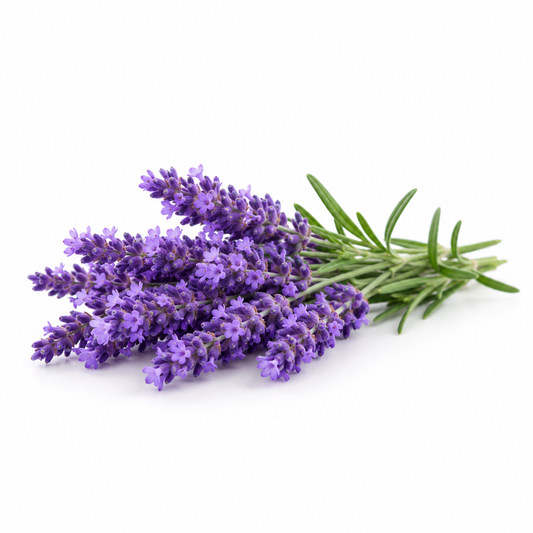
Lavender Essential Oil
Regular price From Rs. 449.00Regular priceUnit price perRs. 899.00Sale price From Rs. 449.00Sale -

 33% OFF
Camphor Essential Oil
Regular price From Rs. 299.00Regular priceUnit price perRs. 450.00Sale price From Rs. 299.00Sale -

 11% OFF
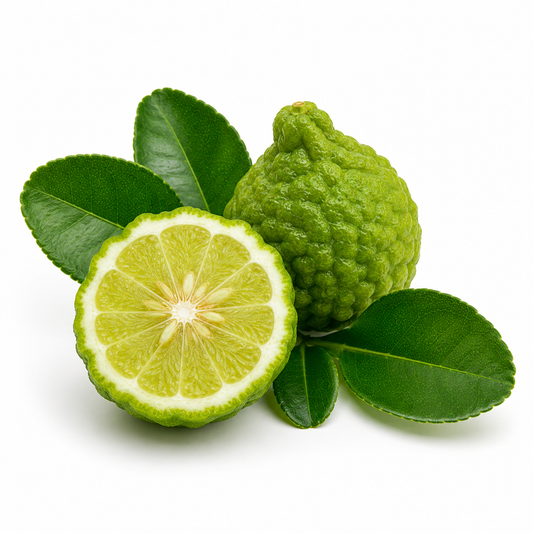
Bergamot Essential Oil
Regular price From Rs. 399.00Regular priceUnit price perRs. 450.00Sale price From Rs. 399.00Sale -

 11% OFF
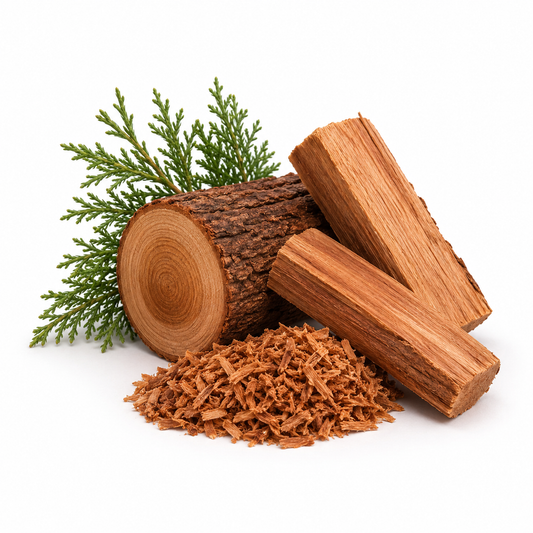
Cedarwood Essential Oil
Regular price From Rs. 399.00Regular priceUnit price perRs. 450.00Sale price From Rs. 399.00Sale -

 25% OFF
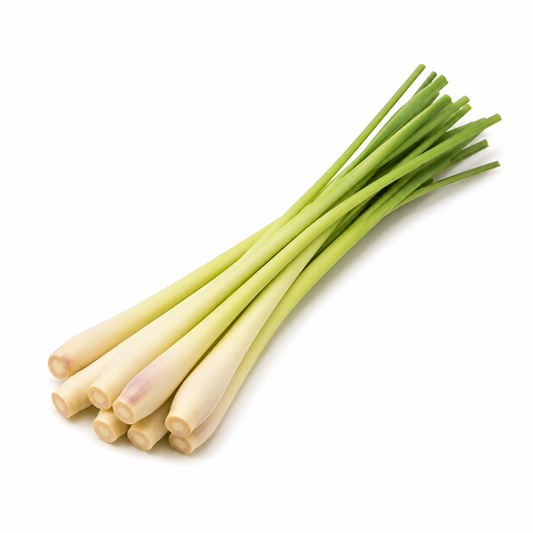
Lemongrass Essential Oil
Regular price From Rs. 449.00Regular priceUnit price perRs. 599.00Sale price From Rs. 449.00Sale -

 30% OFF
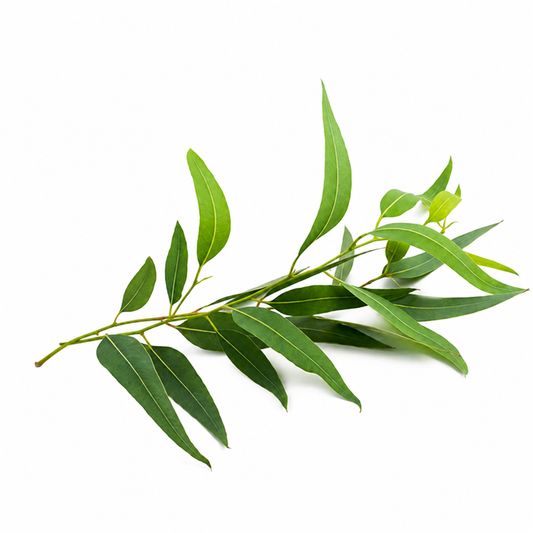
Eucalyptus Essential Oil
Regular price From Rs. 449.00Regular priceUnit price perRs. 650.00Sale price From Rs. 449.00Sale -

 20% OFF
Lemon Essential Oil
Regular price From Rs. 399.00Regular priceUnit price perRs. 500.00Sale price From Rs. 399.00Sale -

 33% OFF
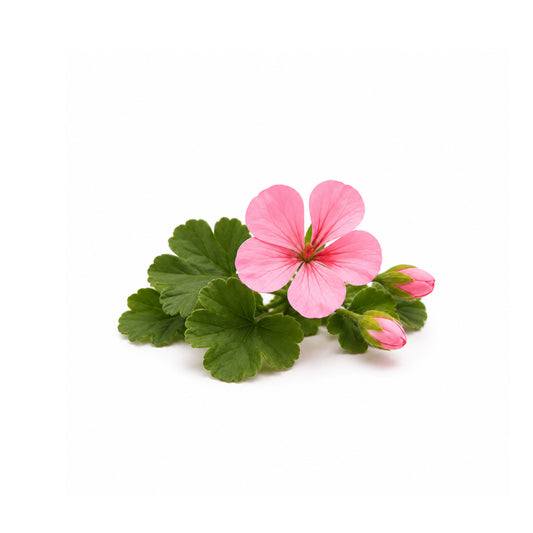
Geranium Essential Oil
Regular price From Rs. 499.00Regular priceUnit price perRs. 750.00Sale price From Rs. 499.00Sale -

 18% OFF
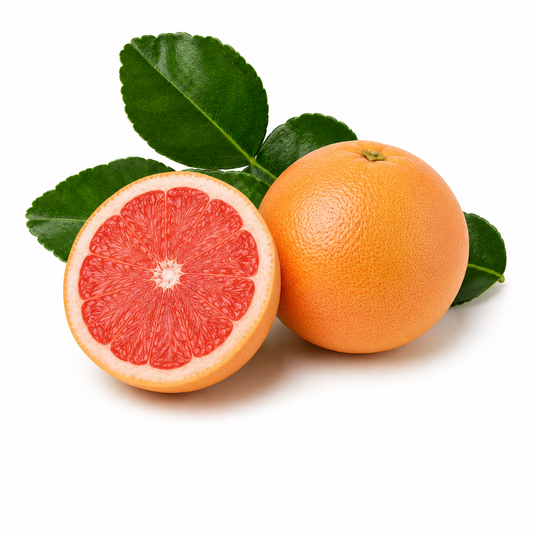
GrapeFruit Oil
Regular price From Rs. 449.00Regular priceUnit price perRs. 550.00Sale price From Rs. 449.00Sale -

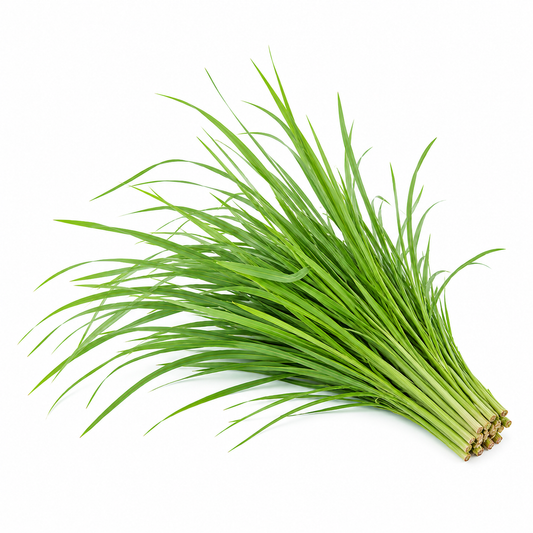 20% OFF
Citronella Essential Oil
Regular price From Rs. 399.00Regular priceUnit price perRs. 500.00Sale price From Rs. 399.00Sale -

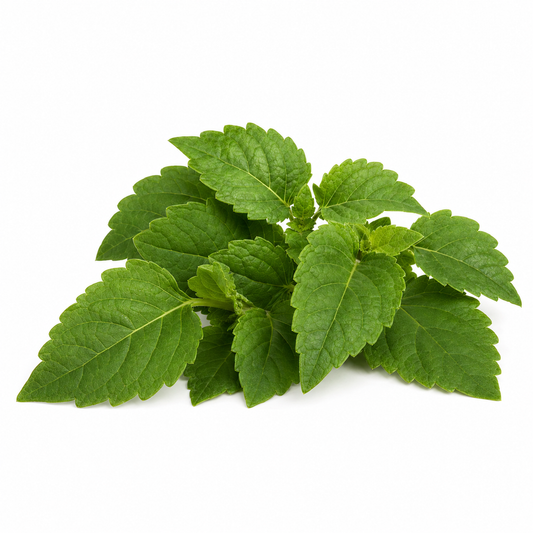 36% OFF
Patchouli Essential Oil
Regular price From Rs. 949.00Regular priceUnit price perRs. 1,500.00Sale price From Rs. 949.00Sale -

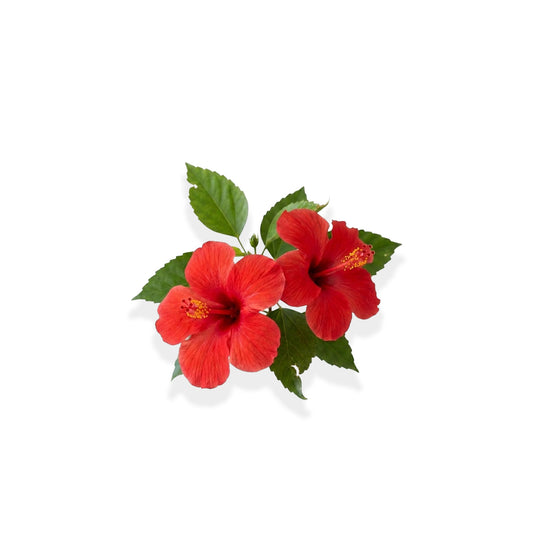 20% OFF
Hibiscus Essential Oil
Regular price From Rs. 479.00Regular priceUnit price perRs. 600.00Sale price From Rs. 479.00Sale -

 50% OFF
Wintergreen (Gaultheria) Essential Oil
Regular price From Rs. 299.00Regular priceUnit price perRs. 600.00Sale price From Rs. 299.00Sale -

 25% OFF
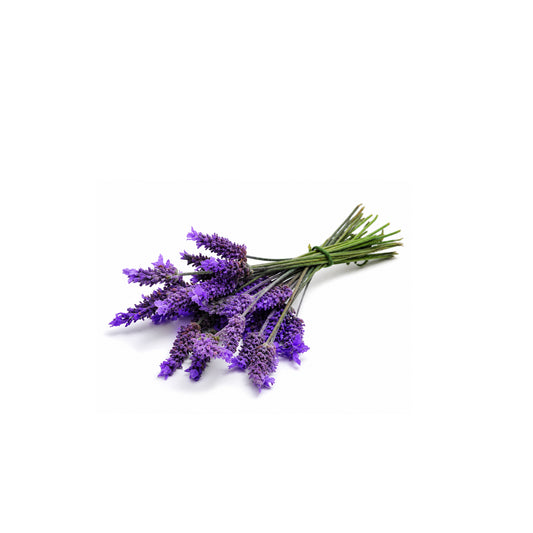
Lavandin Essential Oil
Regular price From Rs. 449.00Regular priceUnit price perRs. 600.00Sale price From Rs. 449.00Sale -

 37% OFF
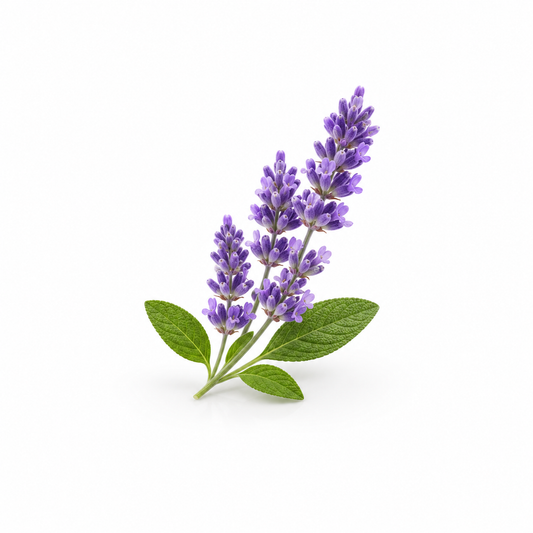
Clary Sage Essential Oil
Regular price From Rs. 499.00Regular priceUnit price perRs. 800.00Sale price From Rs. 499.00Sale -

 25% OFF
Lime Essential Oil
Regular price From Rs. 449.00Regular priceUnit price perRs. 600.00Sale price From Rs. 449.00Sale -

 46% OFF
Sweet Marjoram Essential Oil
Regular price From Rs. 749.00Regular priceUnit price perRs. 1,400.00Sale price From Rs. 749.00Sale -

 25% OFF
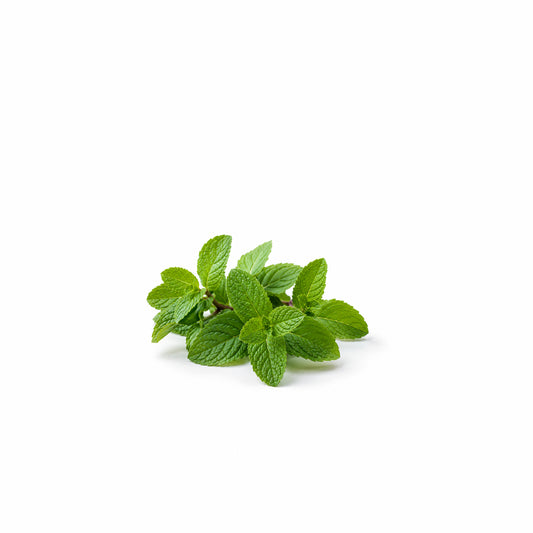
Spearmint Essential Oil
Regular price From Rs. 449.00Regular priceUnit price perRs. 600.00Sale price From Rs. 449.00Sale -

 43% OFF
Juniper Berry Essential Oil
Regular price From Rs. 449.00Regular priceUnit price perRs. 800.00Sale price From Rs. 449.00Sale


About Natural Oils

Natural Oils for Hair, Skin, and Ayurvedic Care
Quick answer: Natural oils here means plant-derived, non-volatile oils pressed from seeds, nuts, and kernels without solvents. They are used on their own for hair, skin, and Ayurvedic body massage, and as the base into which essential oils are diluted, since essential oils are never applied undiluted. Coconut and almond suit daily hair and body care, sesame is the classic Abhyanga oil, and jojoba and rosehip suit the face. Store sealed, away from heat and sunlight.
RV Organica is an essential oil manufacturer based in Panipat, Haryana, India, supplying cold-pressed natural oils from 50ml retail sizes through bulk quantities. Essential oils must always be diluted in a plant-derived base before any skin or hair application - they are never used undiluted. These natural oils are that base, covering the non-volatile, direct-application oils used for hair, skin, and Ayurvedic care across Indian households.
Browse the full natural oils collection to see what's currently in stock.
What Are Natural Oils and What Is Included in This Collection?
Natural oils here means something specific: plant-derived, non-volatile oils extracted from seeds, nuts, and kernels - cold pressed or mechanically extracted, without solvents. They're not aromatic concentrates, and they're not measured in drops. They go on in larger amounts, either alone for hair and skin care, or as the base into which an essential oil is diluted. As an essential oil manufacturer in India, RV Organica tests every batch for fatty acid composition at its own Panipat, Haryana facility before dispatch.
This distinction matters practically. Lavender essential oil - or any essential oil - cannot go on the scalp or skin undiluted. Diluting 2 to 3% into a natural oil is the minimum safe standard for adult use, not optional. The natural oil in that equation isn't just a carrier; it's conditioning the scalp or skin in its own right.
One thing worth addressing plainly: in India, terms like "pure" and "organic" on a natural oil label are unregulated. Any brand can print them without certification. What actually tells you about quality is documentation - a Certificate of Analysis with fatty acid composition, ideally batch-specific. Genuine unrefined oils also have sensory cues worth knowing: unrefined sesame smells unmistakably of sesame, cold pressed rosehip has a deep orange colour from carotenoids, raw castor is noticeably thick and slow-pouring. Pale, odourless versions of these oils have been refined - not always a problem depending on use, but a different product from unrefined.
How Do You Use Natural Oils for Hair and Scalp?
Weekly scalp oiling is a practice most Indian households follow in some form, and coconut, sesame, and castor have been part of it for generations. Each behaves differently. Sesame spreads easily at medium texture. Coconut is light in summer and solidifies below roughly 24°C in winter - that phase change signals minimal processing, not spoilage. Castor is thick and slow-absorbing, and it rarely works well applied directly; most people blend it roughly 1:3 with a lighter oil before using it on the scalp.
The hair growth claims that follow castor oil around deserve some honesty. Its dominant fatty acid, ricinoleic acid, has documented anti-inflammatory properties, and there's early-stage research into possible follicular effects. But no peer-reviewed study has convincingly shown that topical castor oil at typical home-use amounts stimulates new terminal hair growth. What it does more reliably is improve scalp condition and reduce mechanical breakage from dryness - a real benefit, just not the same as growing new hair, and buyers should know the difference before expecting one and getting the other.
Jojoba sits apart from the rest of this range. It's technically a wax ester rather than a conventional triglyceride oil, which puts its composition closer to skin's natural sebum than any other option here. It absorbs quickly, doesn't build up on the scalp, and tolerates daily application in most Indian climates without feeling heavy.
Which Natural Oils Are Best for Face and Skin?
Absorption rate and local climate both shape which oil suits facial use. An oil that feels comfortable in December in Delhi can turn sticky by April. Rosehip and argan absorb quickly and work year-round for most people. Sweet almond is mid-weight - excellent for body use and light facial application outside peak summer months. Jojoba, given its sebum-like composition, is among the more climate-tolerant choices for daily facial use.
Application technique changes outcomes more than most people expect. A few drops on slightly damp skin outperforms more oil on completely dry skin - the oil binds to surface moisture and slows evaporation. More oil does not improve absorption; it just sits on top.
How Do You Use Natural Oils for Body Massage and Abhyanga?
Sesame oil is the Ayurvedic recommendation for Abhyanga, referenced in classical texts including the Ashtanga Hridayam as suited to vata constitution and cooler seasons. The warming sensation practitioners associate with it is real as an experience; whether it reflects a specific thermogenic property of the oil or simply the effect of warm oil and massage itself is harder to pin down clinically.
For general massage, almond and coconut provide smooth glide and absorb at a reasonable pace. Warming the oil before use - particularly from November through February in northern India - makes application more comfortable and prevents the oil from seizing on contact with cool skin.
How Do You Choose the Right Natural Oil?
Start with texture and absorption, not label claims. Heavier oils - castor, virgin coconut in cooler months - suit scalp oiling and body massage where extended glide matters. Lighter, fast-absorbing options like rosehip, argan, and jojoba suit facial routines and daily skin use. Almond sits in the middle and handles most applications without requiring much climate-matching.
Refinement level signals quality more reliably than marketing language. Unrefined natural oils have characteristic colour, aroma, and texture. Refined versions are neutral, longer-lasting, and consistent across batches - useful for some formulation needs, but the original plant compounds are altered or reduced in the process.
For use alongside essential oils, the standard safe dilution for adult scalp and body use is 2 to 3% essential oil in natural oil, roughly 12 to 18 drops per 30ml. This isn't a guideline that can be adjusted upward based on preference. Undiluted essential oils cause irritation, sensitisation, or chemical burns depending on the oil and the individual, and the quality of the essential oil does not change that. Every base oil in the natural oils collection is suited to this exact use, whether the goal is a daily facial routine or an essential oil blend built from scratch.
What Should Formulators Know About Each Natural Oil?
Each of the following oils is part of the natural oils collection, available individually or in bulk for formulators.
Golden jojoba oil's golden colour indicates minimal processing; heavily refined jojoba runs nearly clear. As a wax ester, it has a naturally longer shelf life than most other natural oils and remains stable across seasons, useful for anyone buying in larger quantities and not turning through stock quickly.
Organic castor oil is thick, slow-moving, and best used in a blend - a root and scalp oiling staple. Mix it with a lighter oil before applying to the scalp. It also works as a thickener in lip care formulations and as a texture modifier where a denser consistency is needed in a blend.
Pure sweet almond oil handles more applications than most others in this range - body massage, scalp oiling, daily skin use, essential oil dilution base. It absorbs steadily, suits most skin types, and doesn't require much matching to climate or routine, making it a practical starting point for anyone building out a natural oil collection from scratch.
Virgin coconut oil retains its characteristic aroma and solidifies below room temperature in Indian winters. That crystallisation is a sign of quality, not spoilage; it melts on contact with skin. Widely used for both hair and body, though some people find it slightly heavy for scalp use during peak summer months in humid climates.
Organic rosehip seed oil absorbs quickly and sits well under a moisturiser or serum, suited to lightweight daily facial use. One visual quality check is worth knowing: genuine unrefined rosehip is distinctly orange-red from carotenoids. A pale or yellow batch has been refined or has already begun to oxidise.
Argan oil has a light, non-greasy texture and works well for hair finishing and daily facial use. The luxury positioning it carries in Western skincare markets inflates its price without changing what it does - it's a good, quick-absorbing oil with a useful fatty acid profile, worth buying for those properties rather than the branding.
Vitamin E oil, a small addition that makes a real difference in any custom blend, slows oxidative rancidity in other natural oils when added at 0.5 to 1% and meaningfully extends shelf life. It works directly on dry patches and cuticles too, but its primary value in formulation is as a natural antioxidant.
What Should Bulk Buyers Know About Storage, Shelf Life, and Sourcing?
For bulk or commercial buyers, requesting a batch COA and fatty acid composition report before committing to larger quantities is worth the extra step. Unrefined oils like rosehip and evening primrose oxidise faster than spec-sheet shelf-life figures suggest, especially through Indian summers. If stock isn't moving quickly, cold storage significantly extends usable life. Documentation matters more for this category than the label claims do, since "pure" and "organic" carry no enforceable meaning on their own in the Indian market - a Certificate of Analysis with batch-specific fatty acid data is what actually confirms what's in the bottle.
Whether you're picking a single bottle for weekly scalp oiling or sourcing in bulk for a hair-care or skincare line, every oil in this collection is cold pressed and tested at RV Organica's Panipat, Haryana facility. Browse current stock and pricing on the RV Organica natural oils page before placing an order.
- Choosing a selection results in a full page refresh.
- Opens in a new window.
