
Carrier Oils
Buy Carrier Oils in Bulk
-
 50% OFF
Golden Jojoba Oil
Regular price From Rs. 399.00Regular priceUnit price perRs. 800.00Sale price From Rs. 399.00Sale -
 50% OFF
Sweet Almond Oil
Regular price From Rs. 299.00Regular priceUnit price perRs. 600.00Sale price From Rs. 299.00Sale -
 55% OFF
Vitamin E Carrier Oil
Regular price From Rs. 449.00Regular priceUnit price perRs. 1,000.00Sale price From Rs. 449.00Sale -
 50% OFF
Argan Carrier Oil
Regular price From Rs. 399.00Regular priceUnit price perRs. 800.00Sale price From Rs. 399.00Sale -
 50% OFF
Rosehip Seed Carrier Oil
Regular price From Rs. 449.00Regular priceUnit price perRs. 900.00Sale price From Rs. 449.00Sale -
 70% OFF
Fractionated Coconut Carrier Oil
Regular price From Rs. 600.00Regular priceUnit price perRs. 2,000.00Sale price From Rs. 600.00Sale -
 48% OFF
Castor Carrier Oil
Regular price From Rs. 519.00Regular priceUnit price perRs. 1,000.00Sale price From Rs. 519.00Sale -
 50% OFF
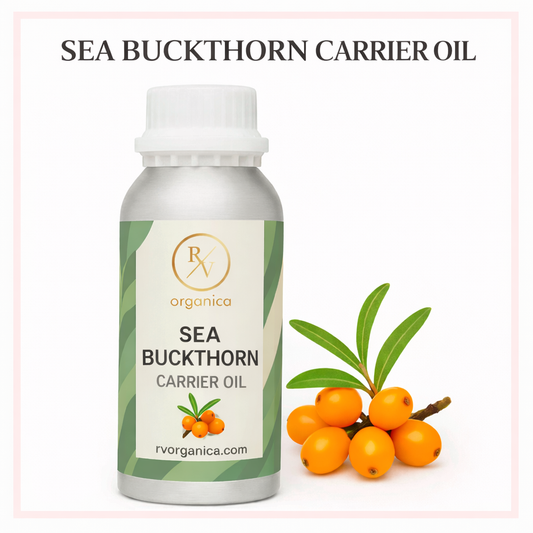
Sea Buckthorn Carrier Oil
Regular price From Rs. 549.00Regular priceUnit price perRs. 1,100.00Sale price From Rs. 549.00Sale -
 50% OFF
Brahmi Carrier Oil
Regular price From Rs. 249.00Regular priceUnit price perRs. 500.00Sale price From Rs. 249.00Sale -
 50% OFF
Grapeseed Carrier Oil
Regular price From Rs. 349.00Regular priceUnit price perRs. 700.00Sale price From Rs. 349.00Sale -
 50% OFF
Avocado Carrier Oil
Regular price From Rs. 299.00Regular priceUnit price perRs. 600.00Sale price From Rs. 299.00Sale -
 50% OFF
Pumpkin Seed Carrier Oil
Regular price From Rs. 399.00Regular priceUnit price perRs. 800.00Sale price From Rs. 399.00Sale -
 50% OFF
Wheat Germ Oill
Regular price From Rs. 199.00Regular priceUnit price perRs. 400.00Sale price From Rs. 199.00Sale -
 50% OFF
Carrot Seed Carrier Oil
Regular price From Rs. 399.00Regular priceUnit price perRs. 800.00Sale price From Rs. 399.00Sale -
 51% OFF
Jamaican Black Castor Oil
Regular price From Rs. 289.00Regular priceUnit price perRs. 600.00Sale price From Rs. 289.00Sale -
 50% OFF
Virgin Coconut Carrier Oil
Regular price From Rs. 649.00Regular priceUnit price perRs. 1,300.00Sale price From Rs. 649.00Sale -
 50% OFF
Pomegranate Seed Carrier Oil
Regular price From Rs. 399.00Regular priceUnit price perRs. 800.00Sale price From Rs. 399.00Sale -
 50% OFF
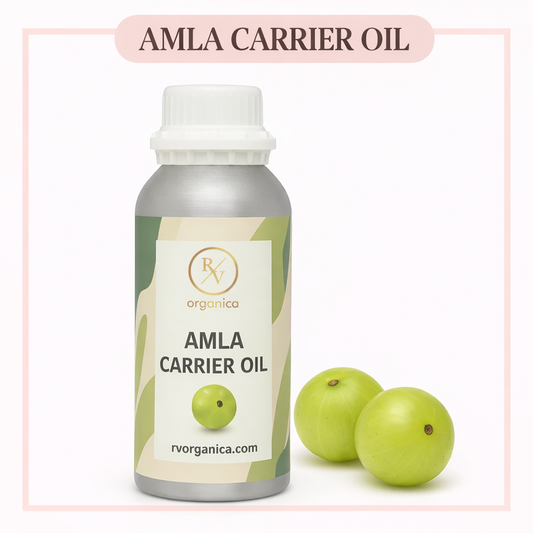
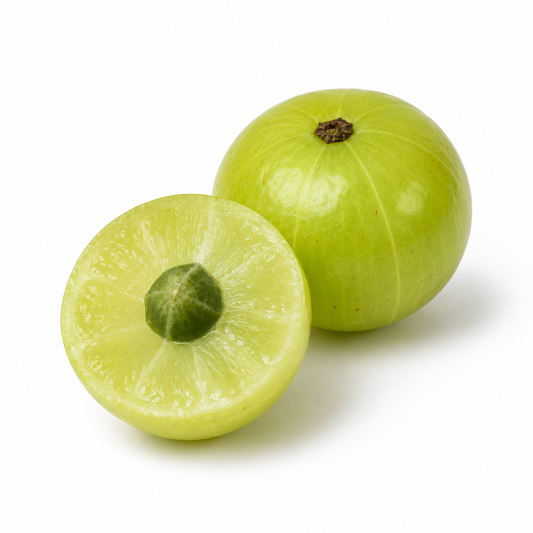
Amla Carrier Oil
Regular price From Rs. 249.00Regular priceUnit price perRs. 500.00Sale price From Rs. 249.00Sale -
 50% OFF
Bhringraj Carrier Oil
Regular price From Rs. 249.00Regular priceUnit price perRs. 500.00Sale price From Rs. 249.00Sale -
 50% OFF
Kumkumadi Carrier Oil
Regular price From Rs. 499.00Regular priceUnit price perRs. 1,000.00Sale price From Rs. 499.00Sale


About Carrier Oils

Carrier Oils
Quick answer: Carrier oils are stable, fatty plant oils used to dilute essential oils before skin contact, and as the base for roll-on perfumes, scalp blends, soap, beard oils, and facial serums. This collection covers jojoba, castor, fractionated coconut, sweet almond, rosehip, virgin coconut, argan, and grapeseed, cold-pressed and unrefined. A common skin-safe dilution is 2 to 3 percent essential oil in carrier oil for body use and about 1 percent for the face.
RV Organica is an essential oil manufacturer based in Panipat, Haryana, India, supplying cold-pressed carrier oils to retail buyers and formulators alike. Carrier oils are the base ingredient behind nearly every oil-based product made at home or in formulation - roll-on perfumes, scalp blends, soap bars, beard formulas, facial serums. They are not essential oils, despite the two getting confused often: essential oils are volatile aromatic compounds that evaporate and should never go on skin undiluted, while carrier oils are stable, fatty, and usually odorless or mildly scented, with the job of diluting concentrated ingredients before skin contact.
Browse the full carrier oils collection to see what's currently in stock.
What Is Included in the Carrier Oils Collection?
This collection covers jojoba, castor, fractionated coconut, sweet almond, rosehip, virgin coconut, and argan, along with grapeseed. As an essential oil manufacturer in India, RV Organica supplies these cold-pressed out of its Panipat, Haryana facility, tested batch by batch for purity and fatty acid composition, unrefined and unfragranced, in sizes from 30ml retail through 1kg and 5kg for formulators.
Two things actually decide which oil you reach for: what you're formulating, and whether the oil is cold pressed. Cold pressing means mechanical extraction at low temperatures, which preserves the natural fatty acid profile and heat-sensitive antioxidants - this directly affects how fast a finished product absorbs and how long it stays stable on the shelf. Every oil in the RV Organica carrier oils range is processed and tested with this consistency in mind.
How Do You Use Carrier Oils Across Formulations?
The right carrier depends entirely on what's being made, since absorption speed, scent, and shelf stability vary widely across this category.
Perfume and fragrance blending. The carrier needs to be close to odorless, slow to oxidize, and light enough to absorb without a greasy film. Jojoba performs best for long-wear roll-ons since it resists oxidation and holds fragrance stable longer than most plant oils. Fractionated coconut suits a lighter, dry-finish perfume oil better. A typical starting point for roll-on attars is 20 to 30% fragrance concentrate in the carrier, adjusted from there based on the specific blend.
Hair and scalp care. Castor coats strands and reduces breakage through its 85 to 90% ricinoleic acid content, though straight castor is thick and genuinely difficult to wash out - a 50/50 blend with coconut or sweet almond fixes that without losing much of the conditioning benefit. Coconut penetrates the hair shaft itself because its lauric acid molecules are small enough to pass through the cuticle, a different mode of action from argan or almond, both of which coat the hair surface rather than penetrate it. For finishing and shine rather than deep treatment, argan or sweet almond work better than castor or coconut.
Essential oil dilution. Start at 2 to 3 drops of essential oil per teaspoon (5ml) of carrier for body use, roughly a 2 to 3% dilution. Facial applications should sit around 1%, and children under 12 or sensitive skin should stay at 0.5 to 1%. Jojoba, sweet almond, and fractionated coconut are the most forgiving bases for this purpose since they're stable and widely tolerated.
DIY skincare. Oil choice matters more on the face than on hair or body, since pore behavior and absorption vary significantly by skin type. Rosehip absorbs quickly and suits dry or textured skin through its linoleic acid content, but it's a treatment ingredient used at 10 to 20% of a formula, not a bulk base, and it needs refrigeration given its roughly six-month shelf life from pressing. Jojoba suits oily and combination skin well since its fatty acid profile closely resembles skin's own sebum. Grapeseed is light and nearly colorless, useful when a non-greasy texture is the priority, while argan is denser and better suited to dry skin or overnight treatments.
Soap, candle, and lip balm making. Coconut contributes hardness and lather to soap, olive gives a conditioning bar with less bubble, and even a small 5 to 10% addition of castor noticeably changes a bar's bubble structure. For lip balms, jojoba's waxy stability keeps it from going rancid mid-batch, while sweet almond gives a richer finish that pairs well with beeswax or candelilla wax.
Beard grooming blends. Jojoba and argan are the standard starting points - jojoba absorbs without buildup for daily use, and argan adds visible shine while softening coarser beard hair. Castor can be included at 10 to 20% for conditioning weight, but going higher makes the blend sticky and hard to spread.
What Should Formulators Know About Each Carrier Oil?
Each of these eight oils is available individually in the carrier oils collection, sized from small retail bottles to bulk packs for formulators working across multiple product lines.
Golden jojoba oil is technically a liquid wax rather than a conventional oil, which is what gives it unusual stability - it doesn't oxidize the way most plant oils do, translating to a 2 to 5 year shelf life with proper storage. That stability is the real reason to reach for it in perfume blends, long-use facial serums, and beard oils, where a rancid base would ruin the entire formulation.
Organic castor oil is thick and slow-pouring, with its 85 to 90% ricinoleic acid content driving most of its uses across scalp treatments, lather-building in cold-process soap, and conditioning weight in hair blends. First-time users should try a 30% blend with a lighter oil before going to full concentration, since the viscosity is genuinely difficult to manage and wash out undiluted.
Fractionated coconut oil stays liquid at room temperature because its long-chain fatty acids have been removed, which also extends its shelf life well beyond regular coconut oil. It's clear, lightweight, and nearly scentless, making it better suited to fragrance blending and lightweight body applications than the solid coconut oil most people know from the kitchen.
Pure sweet almond oil sits in the middle of the absorption spectrum, faster than castor but slower than jojoba, with a scent mild enough not to interfere with most fragrance blends. It moves comfortably across massage, hair conditioning, and lip balm work.
Organic rosehip seed oil is darker than most carrier oils, a reddish-orange that shows up visibly in light formulations at higher percentages. It absorbs fast and carries high linoleic acid content effective in facial serums for dry or textured skin, but it should be used as a treatment ingredient at 10 to 20% of a formula and refrigerated between uses.
Virgin coconut oil is unrefined and cold pressed, retaining its characteristic scent and solidifying below roughly 24 degrees C. It suits cooking, skin and hair use, and soap making, particularly hot-process soap and warm-climate hair treatments where the coconut scent is an asset.
Argan oil is dense and rich in oleic acid and tocopherols, commonly used by Indian buyers as a hair-finishing oil that reduces frizz without buildup when worked through damp strands. Heavily discounted argan oil is worth scrutinizing, since genuine argan isn't cheap to produce and dilution or adulteration shows up often at low price points.
Grapeseed oil is the lightest carrier in this range, almost water-like in texture compared to most plant oils. It suits oily skin types and massage formulations where a non-greasy finish matters.
Which Carrier Oil Is Best for Each Season in India?
Summer (March to June). Lighter oils work more comfortably in heat and humidity, so grapeseed, fractionated coconut, and jojoba are the season's practical choices for daily use and absorption. Heavier oils like castor are still usable, but a 50/50 blend with something lighter makes them easier to apply and wash out. This is also the season where storage discipline matters most, since Indian summer heat accelerates oxidation faster than most people account for; grapeseed and rosehip in particular should be refrigerated if not used within four to six weeks.
Monsoon (June to September). Jojoba and fractionated coconut continue to perform well through humidity since they don't add a heavy or greasy feel in already-damp conditions. Virgin coconut oil's solidifying point near 24 degrees C means it stays more liquid through monsoon's typically warm, humid stretch than it does in winter.
Winter (October to February). Heavier oils come into their own here - castor, argan, and virgin coconut suit cooler weather and overnight treatments well, since the thicker texture that feels unmanageable in summer heat reads as nourishing in dry winter air. Sweet almond and rosehip also work well in winter facial routines.
What Are Common Mistakes When Using Carrier Oils?
Applying castor oil at full concentration without blending it down is the most common formulation mistake in this category - its viscosity makes it genuinely hard to apply and wash out, and a 50/50 or 30% blend with a lighter oil solves this without losing much of the conditioning benefit. Assuming all coconut oil behaves the same way is another frequent error; fractionated and virgin coconut have different shelf lives, melting points, and skin behavior. Storing rosehip and grapeseed oil at room temperature through Indian summer, rather than refrigerating them, shortens their usable life considerably. Buying heavily discounted argan oil and assuming it's genuine is a fourth common mistake - authentic argan is expensive to produce, and a price well below market usually signals dilution rather than a good deal.
Why Does Documentation Matter for Carrier Oil Sourcing?
Carrier oils make up the bulk of nearly every finished formulation by volume, which means inconsistency here affects a product more than inconsistency in a smaller-volume ingredient would. A batch with a shifted fatty acid profile changes absorption speed and shelf stability even when nothing on the label has changed, and that kind of drift is hard to catch without batch-level testing.
Whether you're blending a single roll-on perfume at home or sourcing in bulk for soap, skincare, or hair-care production, every oil in this collection is cold pressed and tested at RV Organica's Panipat, Haryana facility. Browse current stock and pricing on the RV Organica carrier oils page before placing an order.
- Choosing a selection results in a full page refresh.
- Opens in a new window.
