
Buy PureBest Floral FragranceOnline in India - Bulk & Wholesale
Buy Best Floral Fragrance in Bulk
-

 50% OFF
Royal Rose Fragrance Oil
Regular price From Rs. 399.00Regular priceUnit price perRs. 800.00Sale price From Rs. 399.00Sale -

 35% OFF
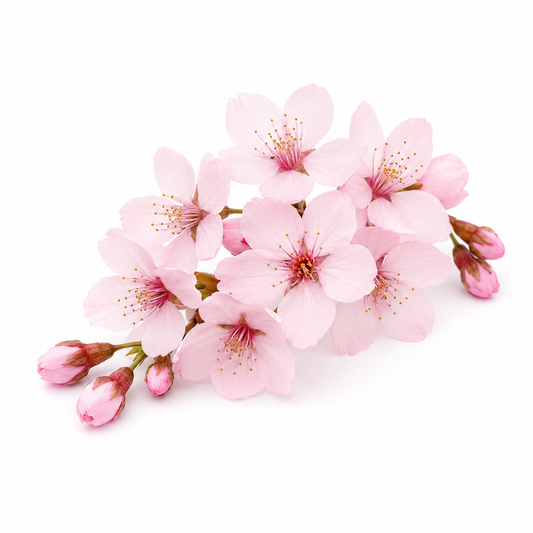
Japanese Cherry Fragrance Oil
Regular price From Rs. 449.00Regular priceUnit price perRs. 700.00Sale price From Rs. 449.00Sale -

 50% OFF
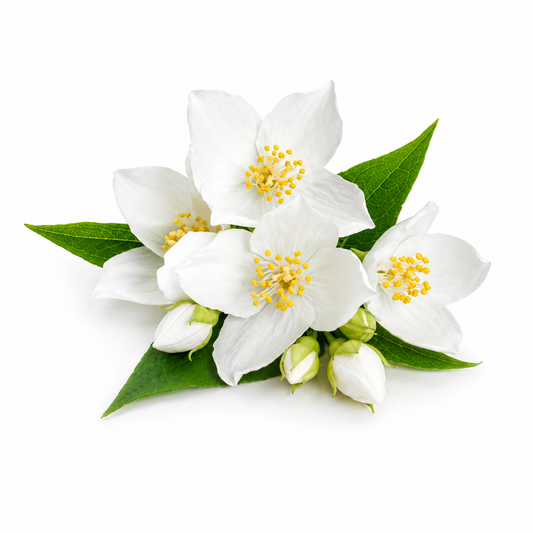
Jasmine Fragrance Oil
Regular price From Rs. 449.00Regular priceUnit price perRs. 900.00Sale price From Rs. 449.00Sale -

 25% OFF
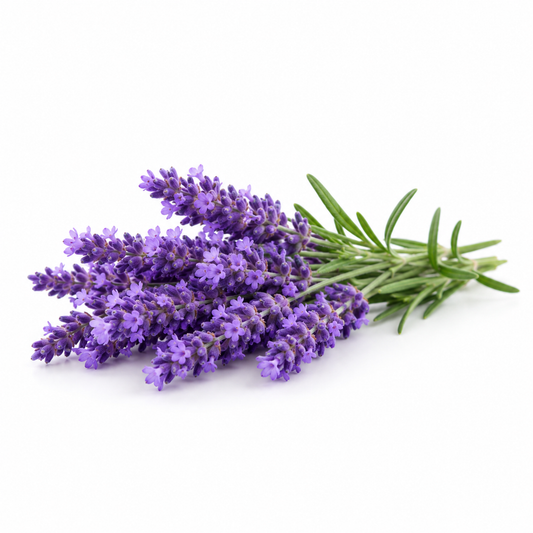
Lavender Fragrance Oil
Regular price From Rs. 449.00Regular priceUnit price perRs. 600.00Sale price From Rs. 449.00Sale -

 35% OFF
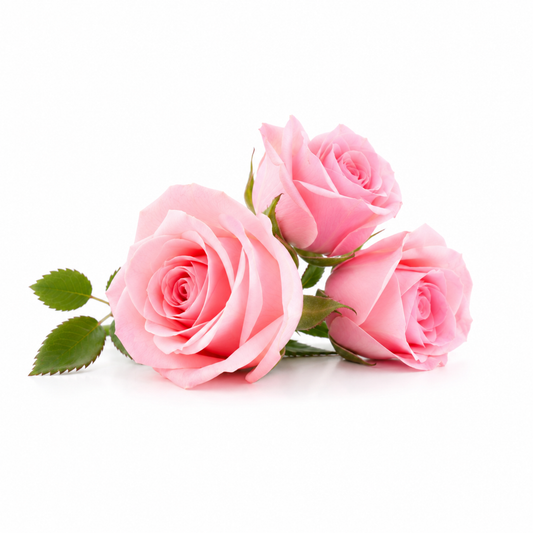
Rose Fragrance Oil
Regular price From Rs. 449.00Regular priceUnit price perRs. 700.00Sale price From Rs. 449.00Sale -

 50% OFF
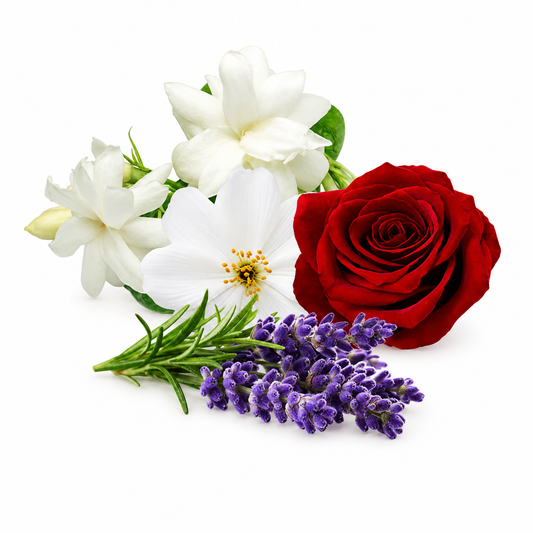
Floral Cover Fragrance Oil
Regular price From Rs. 349.00Regular priceUnit price perRs. 700.00Sale price From Rs. 349.00Sale -

 50% OFF
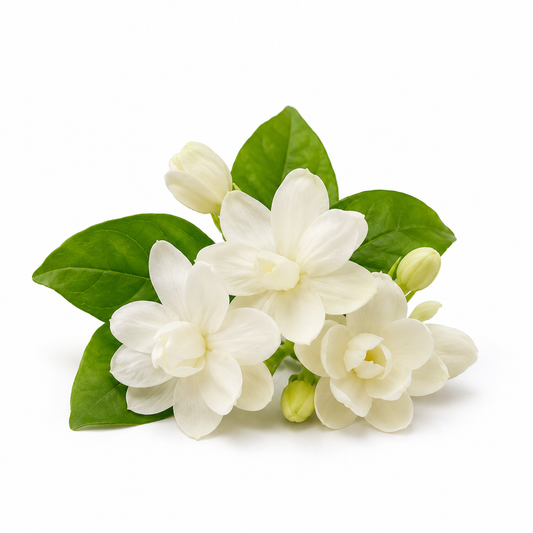
Mogra Fragrance Oil
Regular price From Rs. 399.00Regular priceUnit price perRs. 800.00Sale price From Rs. 399.00Sale -

 50% OFF
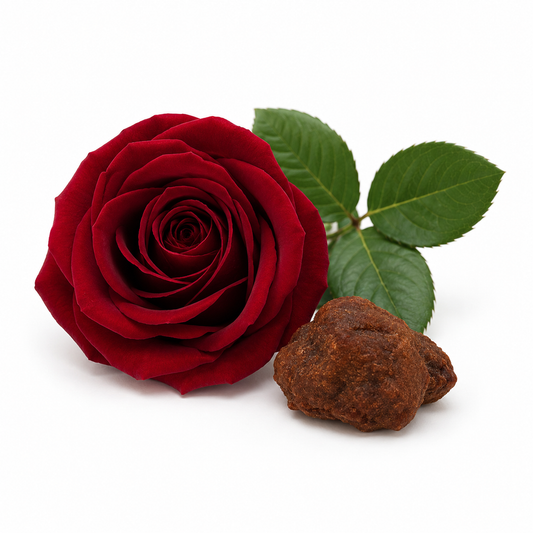
Dark Rose Labdanum Fragrance Oil
Regular price From Rs. 399.00Regular priceUnit price perRs. 800.00Sale price From Rs. 399.00Sale -

 50% OFF
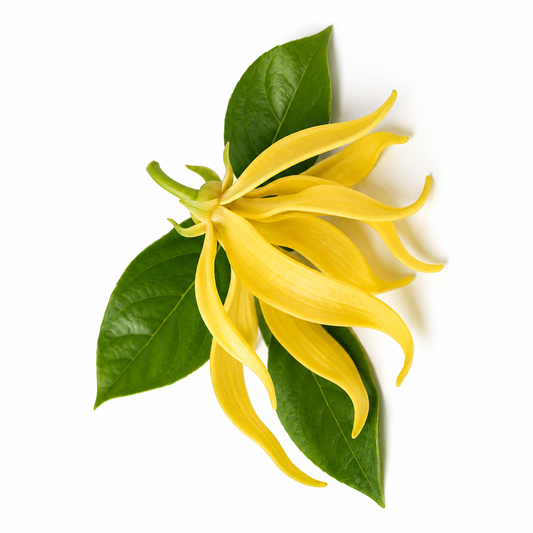
Ylang Ylang Fragrance Oil
Regular price From Rs. 399.00Regular priceUnit price perRs. 800.00Sale price From Rs. 399.00Sale -

 50% OFF
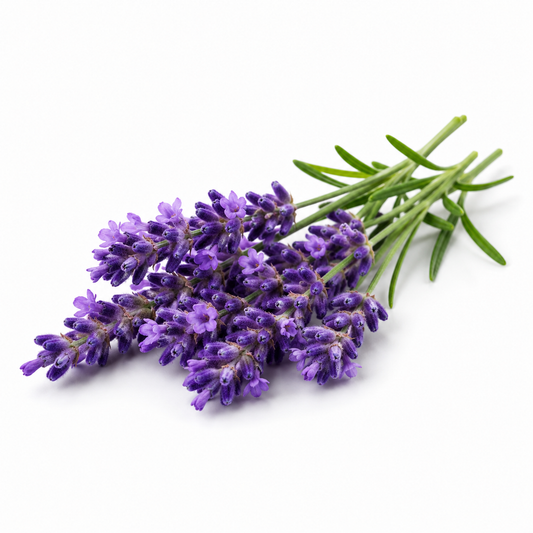
Wild Lavender Fragrance Oil
Regular price From Rs. 449.00Regular priceUnit price perRs. 900.00Sale price From Rs. 449.00Sale -

 50% OFF
British Tea Rose Fragrance Oil
Regular price From Rs. 449.00Regular priceUnit price perRs. 900.00Sale price From Rs. 449.00Sale -

 50% OFF
Divine Lotus Fragrance Oil
Regular price From Rs. 399.00Regular priceUnit price perRs. 800.00Sale price From Rs. 399.00Sale -

 50% OFF
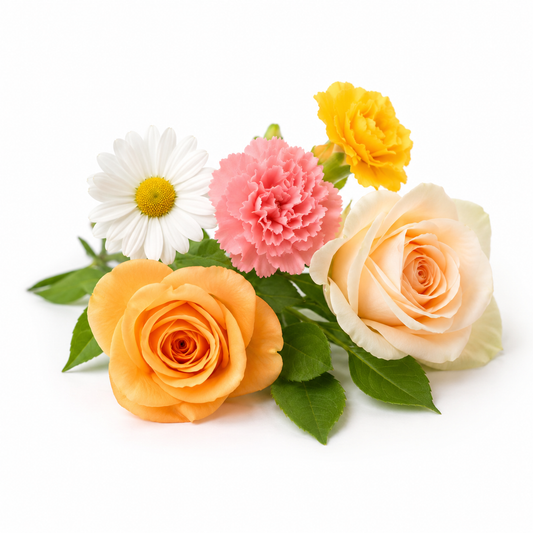
Phulwari Fragrance Oil
Regular price From Rs. 449.00Regular priceUnit price perRs. 900.00Sale price From Rs. 449.00Sale -

 50% OFF
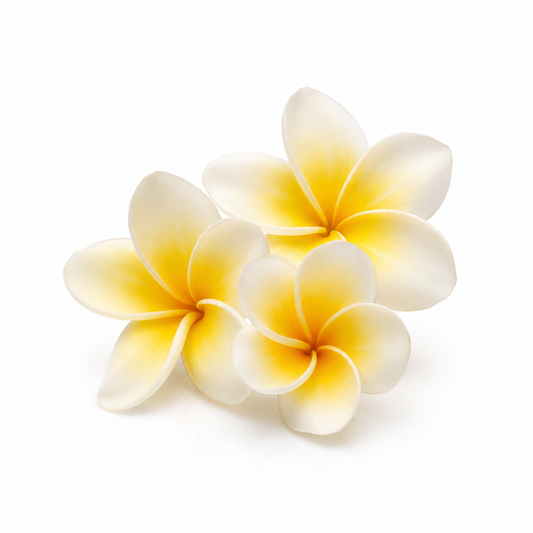
Frangipani Fragrance Oil
Regular price From Rs. 449.00Regular priceUnit price perRs. 900.00Sale price From Rs. 449.00Sale -

 50% OFF
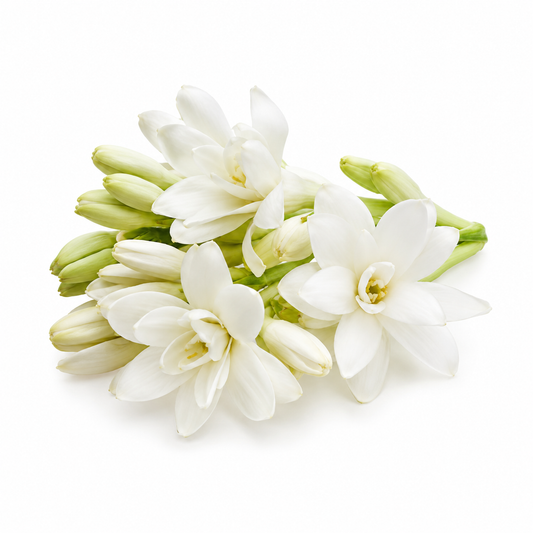
Tuberose Fragrance Oil
Regular price From Rs. 449.00Regular priceUnit price perRs. 900.00Sale price From Rs. 449.00Sale -

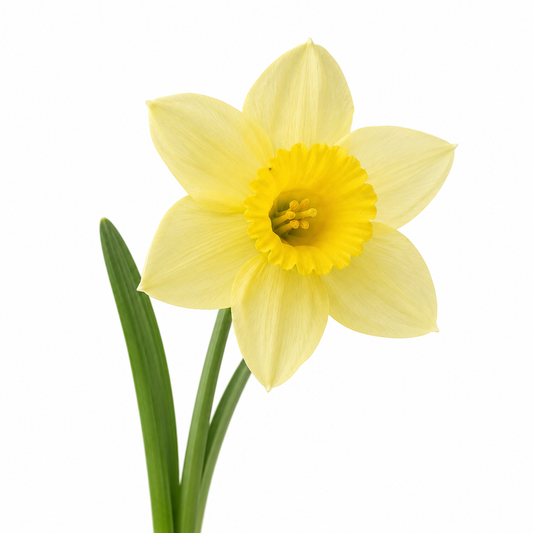 50% OFF
Nargis Fragrance Oil
Regular price From Rs. 449.00Regular priceUnit price perRs. 900.00Sale price From Rs. 449.00Sale -

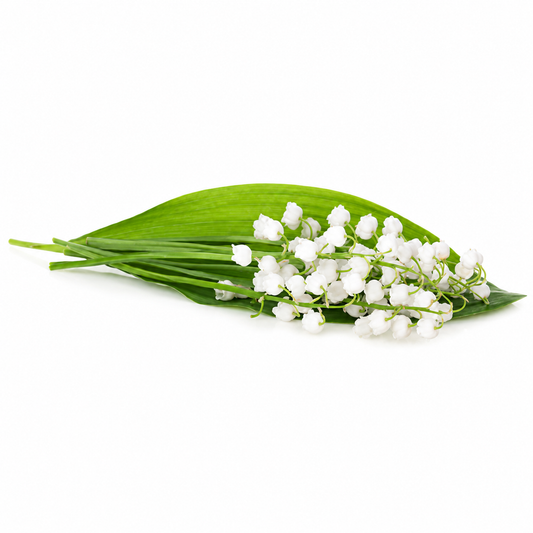 50% OFF
Lily Of The Valley Fragrance Oil
Regular price From Rs. 399.00Regular priceUnit price perRs. 800.00Sale price From Rs. 399.00Sale -

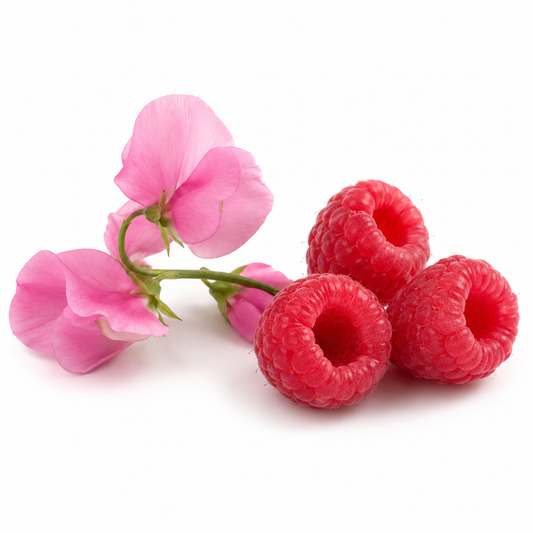 50% OFF
Raspberry & Sweet Pea Fragrance Oil
Regular price From Rs. 399.00Regular priceUnit price perRs. 800.00Sale price From Rs. 399.00Sale -

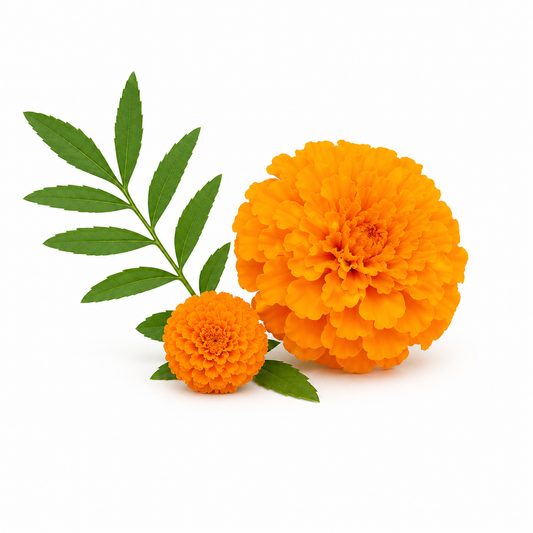 50% OFF
Marigold Fragrance Oil
Regular price From Rs. 349.00Regular priceUnit price perRs. 700.00Sale price From Rs. 349.00Sale -

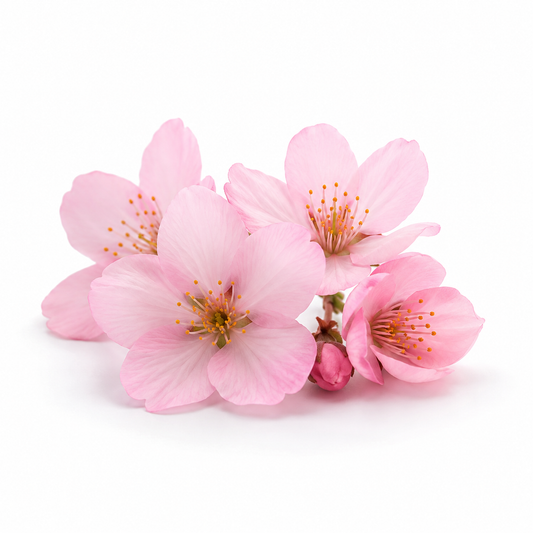 50% OFF
Cherry Blossom Fragrance Oil
Regular price From Rs. 449.00Regular priceUnit price perRs. 900.00Sale price From Rs. 449.00Sale


Floral Fragrance Oils for Perfume, Candles, and Soap
RV Organica is an essential oil manufacturer based in Panipat, Haryana, India, supplying flower-inspired fragrance profiles for perfume, candle, soap, and body care production. There's a fair amount of confusion about what floral fragrance oil actually covers, and most of it comes down to buyers not knowing that almost no flowers can be steam distilled at affordable scale. Rose is the practical exception. Everything else labelled as jasmine, mogra, tuberose, or gardenia is a fragrance composition: synthetic, blended, or built from isolates. That matters when formulating, because performance varies considerably across applications.
Browse the full floral fragrance oils collection to see what's currently in stock.
What are floral fragrance oils, and what's included in this collection
Most buyers come to this category expecting something closer to a floral essential oil, and the distinction is worth spelling out. A fragrance oil is a composed aroma product, formulated from synthetic aromatic compounds, natural isolates, or both. There's no single-ingredient purity to measure the way you'd check a carrier oil. What can be evaluated is batch consistency, ingredient documentation, and how the fragrance behaves in a specific application. As an essential oil manufacturer in India, RV Organica processes this range at its own Panipat, Haryana facility, dispatching nationwide with batch documentation on every order.
The essential oil comparison is relevant because it explains why this category exists. Rose absolute is real and available, but it takes roughly 3 to 4 tonnes of petals to yield one kilogram of extract, which is reflected in the price. Tuberose, daffodil, lily of the valley, and gardenia don't yield essential oils at practical commercial volumes at all. So what's sold under those names at low prices is almost always a fragrance composition, whether the label says so or not. The COA will tell you what's actually there.
One more thing worth flagging: the term "pure floral fragrance oil" circulates in product listings without any consistent meaning. A fragrance oil doesn't have purity in the same sense that a carrier oil does. Calling it pure is a marketing habit, not a quality indicator. Batch documentation — specifically a COA and MSDS — is what separates verifiable quality from a claim, and every listing in the floral fragrance oils range is backed by both.
How to use floral fragrance oils in perfume and candles
Perfume and body fragrance. Rose, jasmine, and tuberose are the standard floral heart notes in Indian perfumery. For perfume making, most floral fragrance oils are used at 15 to 25% in an alcohol or carrier base, depending on whether the target is an EDC, EDT, or EDP concentration. The maturation window matters more than most beginners allow for — a blend that smells sharp or unintegrated on day one can round out considerably after two to four weeks. Evaluating too early leads to reformulation decisions that weren't actually necessary. Some floral concentrates contain jasmine-family aroma chemicals — methyl dihydrojasmonate, hedione, and related materials — that can cause sensitisation at high loads over time. Working within standard usage rates and cross-referencing IFRA guidelines for each aromatic type applies even for small-batch production, not just industrial formulators.
Candle making. Flash point is the detail most candle makers ignore until something goes wrong. Floral fragrance oils should be added at least 10°C below the stated flash point, not at it. Many florals sit between 65 and 90°C. Most soy wax work happens at 60 to 65°C, so check the MSDS before adding to the pour pot and adjust process temperature accordingly. Lavender and rose fragrances hold consistently in soy at 6 to 10% fragrance load. Mogra and tuberose tend to need five to seven days of cure time before hot throw settles into a stable profile. A floral candle that smells faint on the first burn is usually not under-fragranced; it just hasn't cured yet.
How to use floral fragrance oils in soap and personal care
Soap making. Cold process soap is where floral fragrances become genuinely unpredictable. Jasmine is the most frequently reported culprit — it can accelerate trace sharply and occasionally causes ricing in high-oleic bases. Some rose variants and gardenia fragrances behave the same way. Testing a 100g batch before committing to full production is the standard approach, and no supplier can say exactly how a fragrance will behave in a given base without knowing the full recipe. Lavender is the most stable option across most cold process bases. Mogra and lily of the valley are moderate — not immune to acceleration, but less likely to cause sudden problems. Adding fragrance at light trace, around 4 to 6% of total oil weight, gives more working time than adding at medium or thick trace; once trace accelerates, most corrections don't hold.
Body mists and personal care. For rinse-off products — body wash, shampoo — floral fragrance oils typically work at 0.5 to 2%. Leave-on formats like body mists and roll-ons run between 2 and 5% in a carrier base. Mogra, jasmine, and rose are strong choices for wedding and festive gifting ranges, since these notes carry cultural recognition in India that fresher or fruity profiles don't have in the same context. A water-based body mist needs a solubiliser or appropriate emulsifier if it contains fragrance oil — without one, the fragrance floats and the product separates. This catches a lot of first-time personal care formulators off-guard; it's not the fragrance that's failing, it's the base formulation.
How to choose a floral fragrance oil for production
The most common mistake is choosing based purely on how something smells in the bottle, without a single application test. A fragrance that smells good cold can morph in cold process soap, lose throw in a specific wax type, or develop a sharp off-note after two weeks in a perfume blend. Performance depends on the fragrance, the base being used, the process temperature, and storage conditions, sometimes all four at once.
Three questions immediately tell you whether a fragrance supplier knows their products: what is the flash point of this fragrance, what are the recommended usage rates for candles, soap, and leave-on skin applications, and can a COA and MSDS be provided for this batch. Suppliers who answer these specifically are the ones worth staying with — those who default to vague guidance or a generic product page are telling you something about their QC. Every oil in the floral fragrance oils collection ships with this documentation as standard.
The COA documents what's in the batch. The MSDS covers safe handling parameters and concentration limits across different use types. Both should be provided without friction; requesting them is standard practice, not a sign of distrust.
Storage deserves real attention for buyers in India. Most of the country runs 35 to 42°C between March and October. Fragrance oils degrade noticeably when stored above 30°C for extended periods — oxidation changes the scent profile, sometimes subtly, sometimes enough to ruin a batch of finished product. A cool, dark cupboard or air-conditioned shelf is adequate; a vehicle, window ledge, or warm storeroom is not. Buying in quantities you'll use within three to four months, rather than stockpiling through summer, is usually the more practical approach.
For wholesale buyers, batch consistency matters more than the per-kilogram price. Ask for COA copies from two or three different production batches and evaluate whether the scent profile holds steady — if it shifts noticeably, the supply chain has quality control gaps.
Popular floral fragrance oils in this collection
Royal rose fragrance oil is fuller and warmer than most rose fragrance oils, with a base that gives it staying power in blends. It works well in perfume compositions where rose is needed as a structural heart note rather than a passing top, and throw in wax is reliable, worth testing in candles at 8 to 10%.
British tea rose fragrance oil is softer and more powdery than Royal Rose, closer to a vintage European rose than to a traditional gulab profile. It's not a statement scent — quiet in a way that suits personal care and body mists where floral presence without intensity is the brief — and it performs steadily in cold process soap, which is a point in its favour.
Jasmine fragrance oil should be tested in cold process soap before committing to a batch, since jasmine fragrances are among the most likely to accelerate trace, and this one is no exception. Where it works — concentrated perfume, premium personal care, roll-ons — the profile is deep and indolic, closer to grandiflorum than the lighter sambac types. Buyers who find most jasmine fragrances too synthetic usually respond differently to this one.
Mogra fragrance oil is heavier and more narcotic than jasmine, distinctly ceremonial in character. Mogra (Jasminum sambac) has a cultural specificity that most buyers in India recognise immediately, and it's the default choice for pooja décor, festive roll-ons, and room diffuser blends where the brief asks for something traditionally rooted. It's not the right fragrance for light, fresh, or contemporary positioning.
Lavender fragrance oil is herbal-floral, clean, and stable across candle and soap applications. It's one of the few floral-adjacent notes that crosses comfortably into unisex positioning, which matters for brands building wellness ranges that don't want to segment sharply. Hot throw in soy is consistent at standard loads, and behaviour in cold process is among the most predictable in this category.
Tuberose fragrance oil is rich, waxy, and high-intensity. It's worth starting at the lower end of the usage range if you haven't worked with tuberose before, since it projects more than most florals at the same concentration and can overpower a blend if added at full load without testing. It suits premium wax melts and concentrated perfume — less versatile than the others here, but when the brief calls for it, nothing else quite replaces it.
Whether you're testing a single sample for a perfume blend or sourcing in bulk for a candle or soap line, every oil in this collection ships from RV Organica's Panipat, Haryana facility in pack sizes from 100g to 25kg, with COA and MSDS documentation on every order. Browse current stock and pricing on the RV Organica floral fragrance oils page before placing an order.
- Choosing a selection results in a full page refresh.
- Opens in a new window.