
Buy PureAgarbatti FragrancesOnline in India - Bulk & Wholesale
Buy Agarbatti Fragrances in Bulk
-

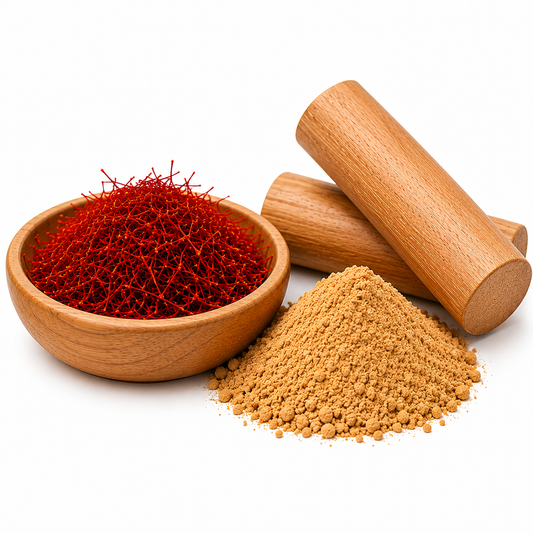 50% OFF
Kesar Chandan Fragrance Oil
Regular price From Rs. 399.00Regular priceUnit price perRs. 800.00Sale price From Rs. 399.00Sale -

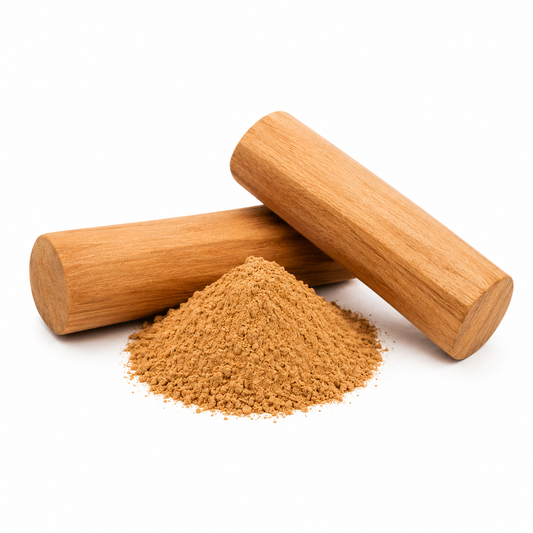 50% OFF
Sandalwood Fragrance Oil
Regular price From Rs. 449.00Regular priceUnit price perRs. 900.00Sale price From Rs. 449.00Sale -

 35% OFF
Rose Fragrance Oil
Regular price From Rs. 449.00Regular priceUnit price perRs. 700.00Sale price From Rs. 449.00Sale -

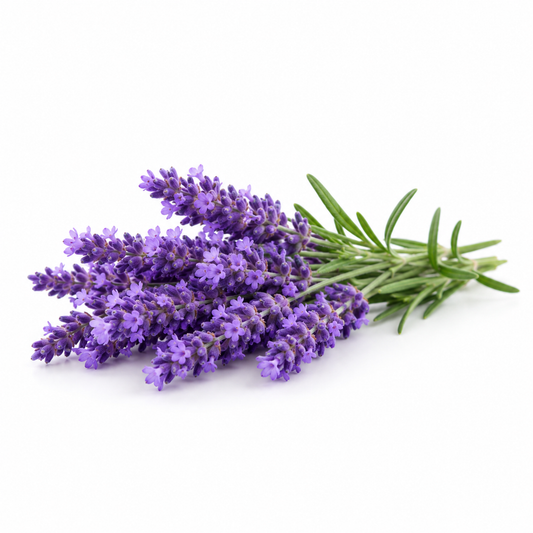 25% OFF
Lavender Fragrance Oil
Regular price From Rs. 449.00Regular priceUnit price perRs. 600.00Sale price From Rs. 449.00Sale -

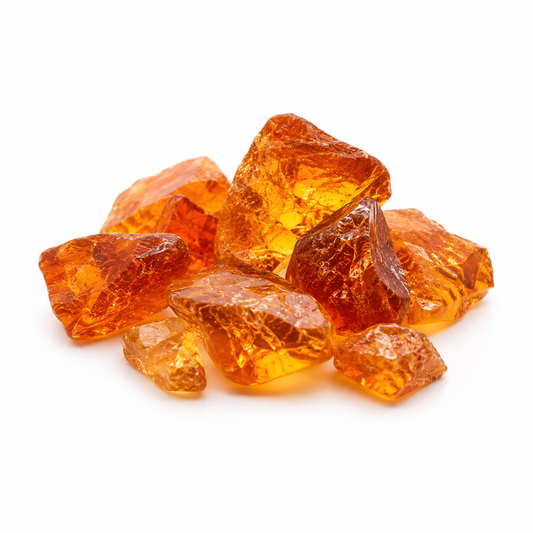 50% OFF
Amber Fragrance Oil
Regular price From Rs. 449.00Regular priceUnit price perRs. 900.00Sale price From Rs. 449.00Sale -

 50% OFF
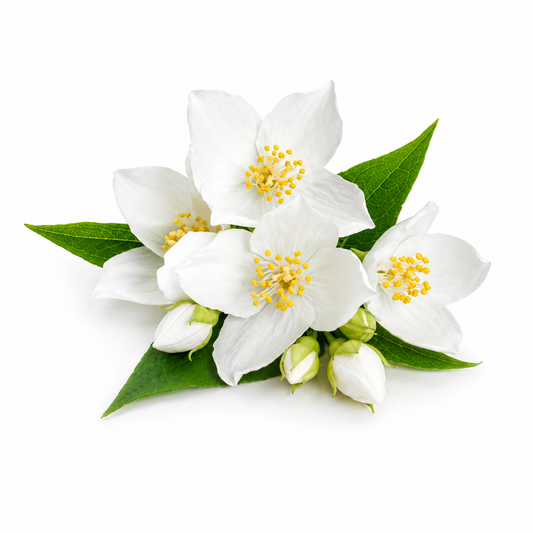
Jasmine Fragrance Oil
Regular price From Rs. 449.00Regular priceUnit price perRs. 900.00Sale price From Rs. 449.00Sale -

 37% OFF
Zeenath Fragrance Oil
Regular price From Rs. 499.00Regular priceUnit price perRs. 800.00Sale price From Rs. 499.00Sale -

 50% OFF
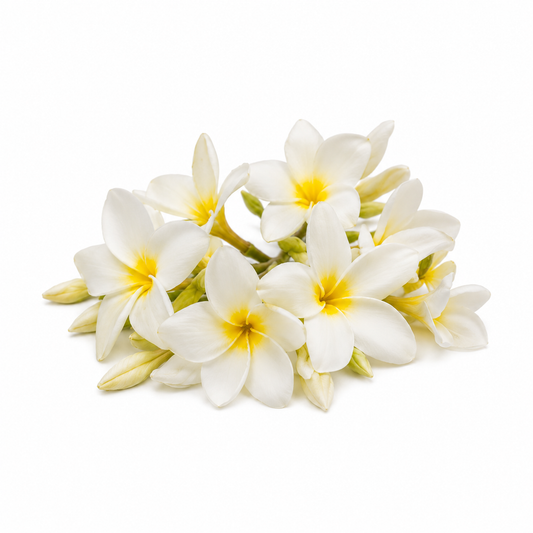
Nag Champa Fragrance Oil
Regular price From Rs. 449.00Regular priceUnit price perRs. 900.00Sale price From Rs. 449.00Sale -

 50% OFF
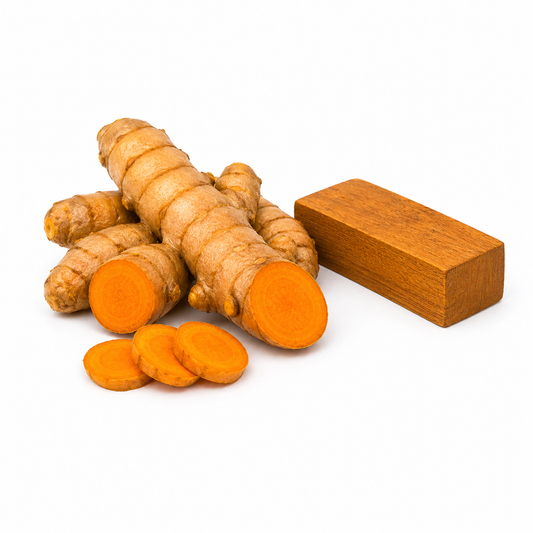
Haldi Chandan Fragrance Oil
Regular price From Rs. 349.00Regular priceUnit price perRs. 700.00Sale price From Rs. 349.00Sale -

 50% OFF
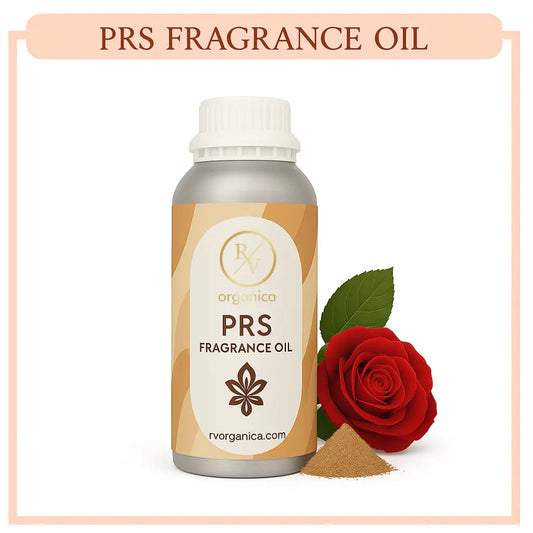
PRS Fragrance Oil
Regular price From Rs. 399.00Regular priceUnit price perRs. 800.00Sale price From Rs. 399.00Sale -

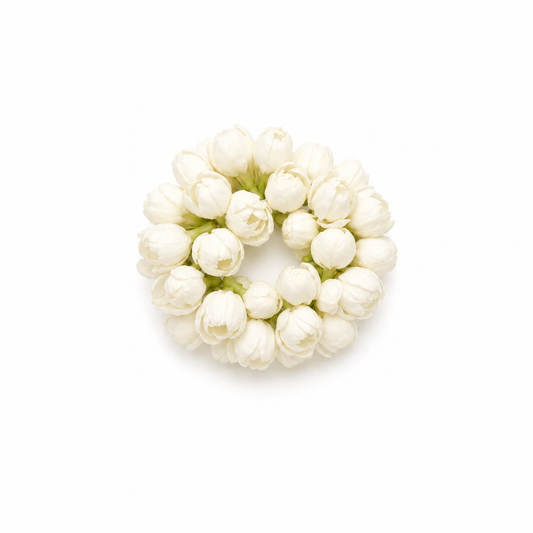 50% OFF
Gajra Fragrance Oil
Regular price From Rs. 399.00Regular priceUnit price perRs. 800.00Sale price From Rs. 399.00Sale -

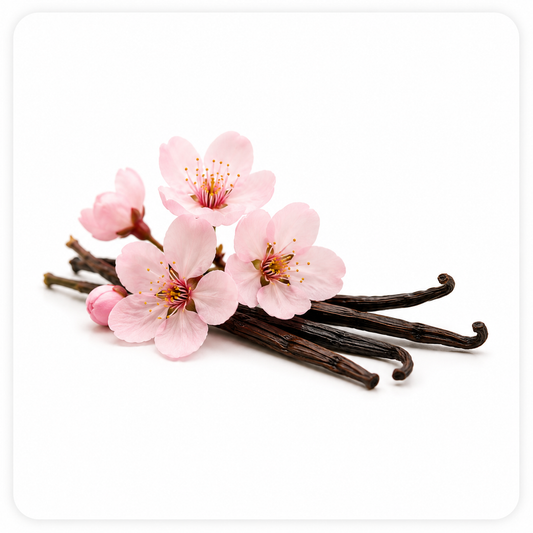 50% OFF
Tring Fragrance Oil
Regular price From Rs. 449.00Regular priceUnit price perRs. 900.00Sale price From Rs. 449.00Sale -
 50% OFF
Apranji Fragrance Oil
Regular price From Rs. 399.00Regular priceUnit price perRs. 800.00Sale price From Rs. 399.00Sale


Agarbatti Fragrances Pure Scents for Pooja, Home Rituals and B2B Production
Agarbatti fragrances are aromatic oils formulated specifically for incense application, not general-purpose fragrance oils with a devotional label. RV Organica's agarbatti fragrances collection is built around base compatibility — absorbing cleanly into incense powder, bamboo, or masala paste without separating, and surviving combustion while still releasing meaningful aroma rather than burning off on contact with heat.
What makes a fragrance oil suitable for agarbatti
Scent at room temperature is a poor predictor of burn performance. A fragrance that opens beautifully in the bottle can smell acrid, thin, or entirely different once the stick is lit, and the difference comes down to whether the formulation was tested specifically for incense application or adapted from a cosmetic or candle base.
India's commercial agarbatti sector runs on two main base formats. Charcoal sticks absorb oil more aggressively and produce stronger, faster throw, while masala bases burn slower and release more gradually — the traditional format for most devotional use. The same fragrance oil behaves differently across these two formats, which is why testing in the actual production format is not optional, regardless of supplier claims about batch stability.
"Natural" gets applied loosely across agarbatti fragrances, as it does in most fragrance categories. Most commercial agarbatti fragrances are blends of natural isolates and aromatic compounds, which isn't a problem in itself — blending is how manufacturers maintain consistent scent profiles across seasons and harvest years. But "natural" without documentation means nothing. A COA and MSDS should be requested before any bulk purchase, and a supplier unable to provide both is a sourcing risk.
How agarbatti fragrance oils are used
Agarbatti fragrance for pooja
A mandir or home altar, especially in a smaller apartment, is more sensitive to high-concentration fragrance than an open temple courtyard. Profiles that work well in wide temple settings — heavy resins, deep oudh — can become oppressive in a 10x10 puja room within minutes. For daily home use, chandan, guggul, and softer jasmines tend to be more forgiving, diffusing at a steadier rate without peaking sharply on ignition.
Seasonal preference shifts this further. During Shravan, Navratri, and the Diwali window, buyers move toward richer profiles, while lighter, cleaner fragrances cover the daily-use segment outside festival periods. Stability matters as much as scent character — a fragrance that smells good on day one but develops off-notes after three to four weeks of storage creates real problems for production batches made ahead of peak festival demand.
Fragrance oil for production
For production use, technical properties matter as much as scent profile: oil-to-base ratio compatibility, fixation strength through the burn cycle, and heat stability during storage, since Indian summer conditions across Haryana, Rajasthan, and Maharashtra regularly push ambient temperatures above 40°C, and improperly stored oils will separate or lose potency before reaching the line.
Typical starting ratios are 10 to 20 percent oil by weight for charcoal-based sticks, and a lighter 8 to 15 percent for masala bases, with softer florals sitting toward the lower end. These are starting points, not fixed specifications — over-oiling creates coating problems and inconsistent burn, while under-oiling means weak throw, and neither failure shows up until the sticks are actually fired. For large-scale sourcing, sample-first ordering is standard practice, since bench evaluation and production evaluation don't always agree.
Traditional woody incense profiles
Woody and resinous profiles — chandan, guggul, and oudh — form the foundation of temple and devotional incense production in India, with a grounding, slow-diffusing character suited to extended ritual use where the fragrance settles into the room rather than announcing itself immediately. Chandan-style profiles work broadly across charcoal and masala formats, guggul's earthy depth expresses fully in charcoal bases, and oudh, the richest of the three, lingers after the stick goes out — useful in open ritual spaces, potentially too much in small rooms.
The Indian market also has sandalwood-adjacent and chandan-style blends that approximate true sandalwood's scent without the cost. These fit production contexts well but generally aren't what buyers are paying for in premium temple incense, so knowing which segment is being served determines the right profile.
Floral incense blends for devotional use
Floral profiles — rose, jasmine, mogra — are India's festive and wedding incense staples, with character more immediately recognizable to end consumers than woody resins, giving them strong retail appeal even among buyers who don't know much about incense. Rose sits on the heavier end and holds up in festive and ceremonial contexts, jasmine has stronger throw and works across both charcoal and masala formats, and mogra (Arabian jasmine) is softer and better suited to evening puja sticks or mandir use where jasmine's intensity would be too forward.
Florals are generally more oil-sensitive than resins in production — small variations in dilution ratio produce noticeably different results, so manufacturers working with floral profiles for the first time should expect to spend more time dialing in the ratio before committing to a full batch.
Popular agarbatti fragrance oils and best uses
Kesar Chandan Fragrance Oil — Sandalwood base with a saffron note lifting the top, one of the most trusted devotional profiles in North India. The kesar gives a slightly warmer, softer character than straight sandalwood, and the blend works across both charcoal and masala agarbatti without demanding precise tuning.
Mogra Fragrance Oil — Softer and more forgiving than standard jasmine, the evening puja profile used widely for mandir sticks across Maharashtra and South India where the diffusion rate suits smaller enclosed spaces. Worth stocking alongside jasmine rather than instead of it, since they serve different use occasions.
Jasmine Fragrance Oil — Strong white floral with good heat stability, consistently one of the higher-demand profiles for manufacturers targeting mid-market and festival lines. The throw is forward and immediate, suited to buyers who want their incense noticed from the next room rather than a quieter background note.
Oudh Twist Fragrance Oil — A modified oudh profile with additional complexity, suited for premium lines and festive collections. It lingers after burn completion, which reads as a selling point in open ritual spaces or larger rooms but can be overwhelming in compact spaces.
Rose Fragrance Oil — Clean floral clarity with an uncomplicated profile, working best for wedding ceremony incense and special devotional occasions where an immediately recognizable scent character matters more than complexity. Not the everyday devotional profile.
Nag Champa Fragrance Oil — India's most internationally recognized incense compound, useful as a supplier evaluation benchmark. If a supplier's nag champa closely matches the expected character, their other profiles tend to be reliable, and if it's off, that signals something about their sourcing and blending process generally.
Lavender Fragrance Oil — Increasingly used in modern home fragrance incense lines targeting urban buyers who burn incense for relaxation rather than devotion. Performs well in lower-intensity daily-use sticks but doesn't carry the ritual associations of chandan or mogra, so it won't fit traditional mandir collections.
Browse the full fragrance oils collection at RV Organica for additional devotional, festival, and blended options.
How to choose the right agarbatti fragrance oil
The most common sourcing mistake is evaluating fragrance only by cold-smell, which misses the variable that matters most in incense: how the oil performs under heat. Requesting burn samples before committing to production quantities is something any serious agarbatti fragrance supplier should be able to provide.
Documentation confirms what a scent test can't. A reliable supplier provides a COA and MSDS for every oil supplied in bulk — the COA gives batch analysis confirming the product meets stated specifications, and the MSDS covers flash point, storage requirements, and safe handling, relevant for flammable aromatic oils in production environments. A supplier unable or unwilling to provide both represents a quality risk as well as a safety and compliance one.
For bulk sourcing in India, a few questions separate quality suppliers from distributors reselling generic compounds: can they guarantee consistent batch availability across the year rather than disruption during peak harvest seasons, do they maintain minimum stock to support production-scale orders without lead-time surprises, and what's their minimum for sample evaluation before committing to larger quantities. Vinay can review RV Organica's agarbatti fragrance range directly to compare these details against a current supplier.
Pre-season purchasing matters for production buyers, since demand and pricing for incense fragrance compounds climb in the weeks before Diwali and Navratri — manufacturers who wait until festival windows open pay more and wait longer, making a six to eight week buffer before peak production the practical standard. For storage in Indian conditions, cool, dark storage below 25°C is necessary to maintain potency and batch consistency through summer, since oils stored in direct sunlight or above 35°C degrade before use.
About RV Organica
RV Organica supplies fragrance oils from 100ml to multi-litre quantities for B2B and production use, shipped from Panipat, Haryana. Every order includes a COA and MSDS, and bulk pricing is available for repeat production orders through rvorganica.com.
Frequently asked questions
Why can't a fragrance oil's cold smell predict how it performs in a burning agarbatti stick? Heat changes the aromatic compounds significantly — a fragrance that smells appealing in the bottle can turn acrid, thin, or entirely different once lit, especially if it wasn't formulated specifically for incense application rather than adapted from a candle or cosmetic base.
What's the difference between charcoal and masala agarbatti bases for fragrance absorption? Charcoal sticks absorb oil more aggressively and produce stronger, faster throw, typically at 10 to 20 percent oil by weight. Masala bases burn slower and release more gradually, generally taking 8 to 15 percent oil, with softer florals toward the lower end.
Which agarbatti fragrances work best for small puja rooms versus open temples? Lighter, more forgiving profiles like chandan, guggul, and softer jasmines suit small apartment altars, while heavier resins and deep oudh profiles that work well in open temple courtyards can become overpowering in a compact 10x10 puja room.
How can incense manufacturers verify agarbatti fragrance oil quality before a bulk order? Requesting burn samples rather than relying on cold-smell evaluation, and asking for a COA (batch analysis) and MSDS (flash point, storage, and handling data) for every oil supplied in bulk.
When should agarbatti fragrance oil be purchased ahead of Diwali or Navratri? A six to eight week buffer before peak production is the practical standard, since demand and pricing for incense fragrance compounds climb sharply in the weeks immediately before festival windows open.
- Choosing a selection results in a full page refresh.
- Opens in a new window.