
Buy PureCitrus Essential OilsOnline in India - Bulk & Wholesale
Buy Citrus Essential Oils in Bulk
-

 11% OFF
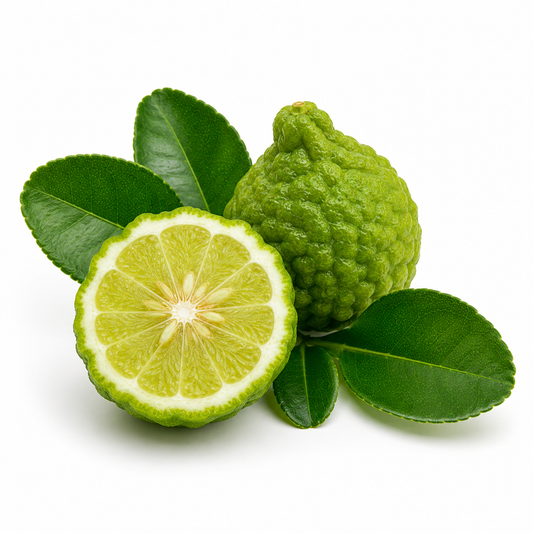
Bergamot Essential Oil
Regular price From Rs. 399.00Regular priceUnit price perRs. 450.00Sale price From Rs. 399.00Sale -

 20% OFF
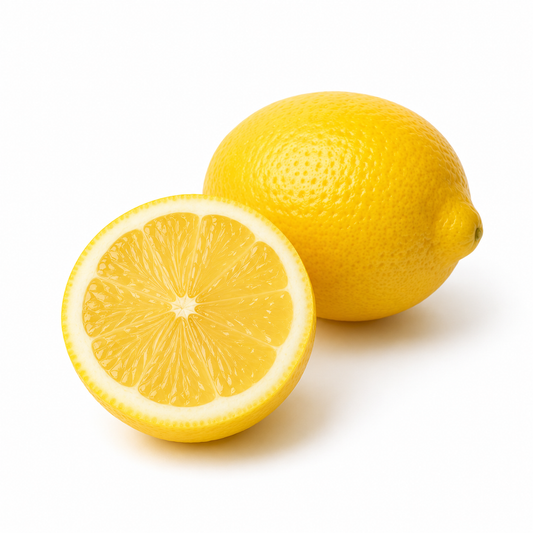
Lemon Essential Oil
Regular price From Rs. 399.00Regular priceUnit price perRs. 500.00Sale price From Rs. 399.00Sale -

 40% OFF
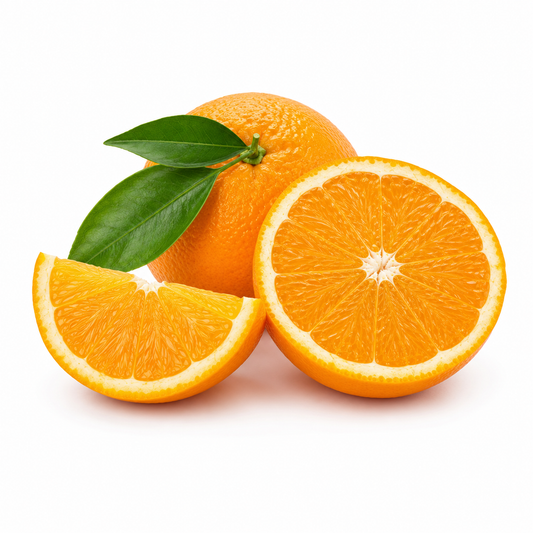
Sweet Orange Essential Oil
Regular price From Rs. 449.00Regular priceUnit price perRs. 750.00Sale price From Rs. 449.00Sale -

 18% OFF
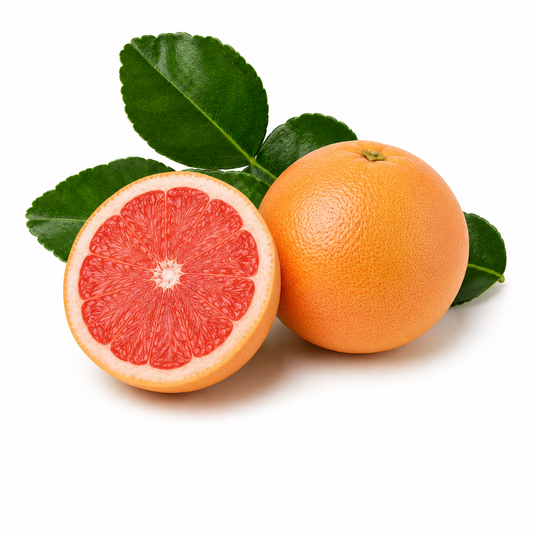
GrapeFruit Oil
Regular price From Rs. 449.00Regular priceUnit price perRs. 550.00Sale price From Rs. 449.00Sale -

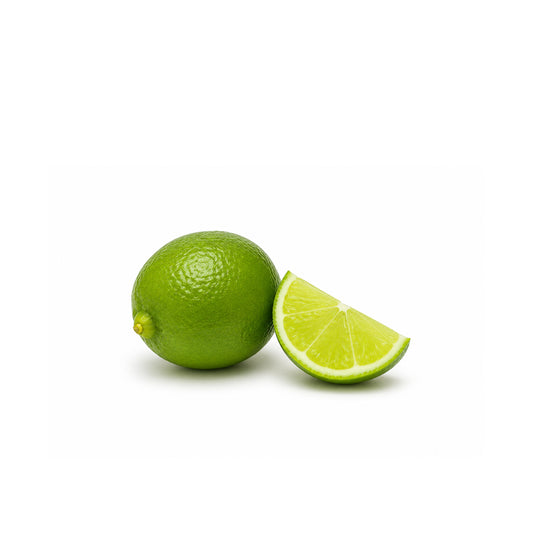 25% OFF
Lime Essential Oil
Regular price From Rs. 449.00Regular priceUnit price perRs. 600.00Sale price From Rs. 449.00Sale -

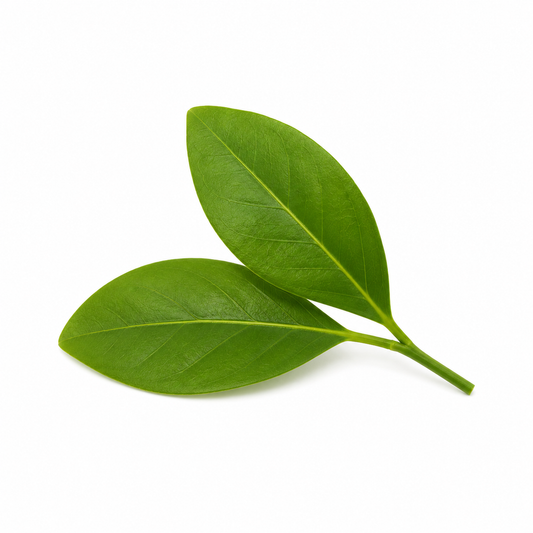 50% OFF
Petitgrain Essential Oil
Regular price From Rs. 499.00Regular priceUnit price perRs. 1,000.00Sale price From Rs. 499.00Sale -

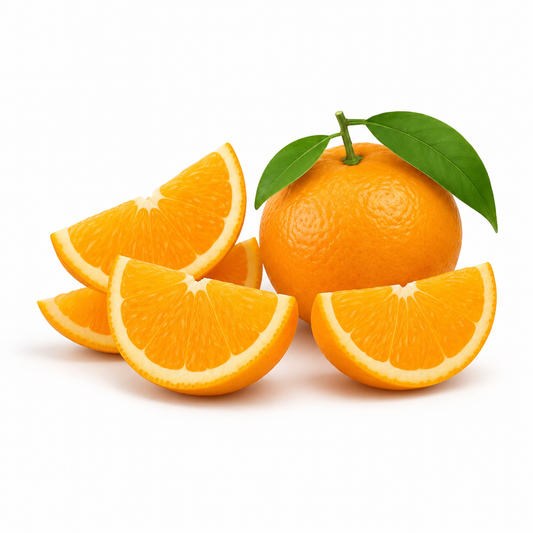 50% OFF
Tangerine Essential Oil
Regular price From Rs. 399.00Regular priceUnit price perRs. 800.00Sale price From Rs. 399.00Sale -

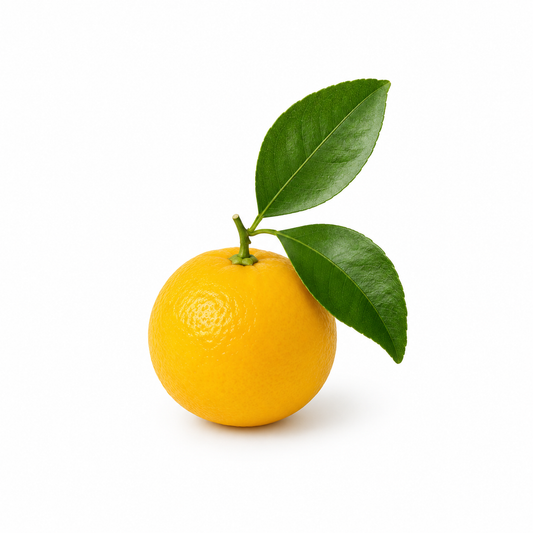 46% OFF
Yellow Mandarin Essential Oil
Regular price From Rs. 1,599.00Regular priceUnit price perRs. 3,000.00Sale price From Rs. 1,599.00Sale


Citrus Essential Oils
Quick answer: Citrus essential oils are cold pressed from fruit peel, which keeps a scent close to fresh fruit. This range covers sweet orange, lemon, bergamot, grapefruit, tangerine, lime, and mandarin. Cold-pressed citrus oils, especially bergamot, lemon, lime, and grapefruit, can be phototoxic, so avoid sun exposure on treated skin for 12 hours or choose steam-distilled or bergapten-free versions for leave-on skin products. In a diffuser, 3 to 5 drops per 100ml of water is enough.
RV Organica is an essential oil manufacturer based in Panipat, Haryana, India, supplying citrus essential oils to retail buyers and bulk manufacturers across the country and internationally. Citrus essential oils are extracted from fruit peels through cold pressing rather than the steam distillation used for most other essential oils. This mechanical process preserves a scent close to the fresh fruit, which is why sweet orange oil smells like real orange peel rather than a synthetic citrus note.
Browse the full citrus essential oils collection to see the complete range currently in stock.
What Is Included in the Citrus Essential Oils Collection?
RV Organica stocks the complete citrus range - sweet orange, lemon, bergamot, grapefruit, tangerine, lime, and mandarin - in red, green, and yellow variants, with cold-pressed and steam-distilled versions labelled separately. As an essential oil manufacturer in India, every batch is processed at RV Organica's own Panipat, Haryana facility, and batch-specific COA and GC-MS documentation is available to wholesale buyers on request.
Citrus oils aren't a single interchangeable category, even though they share a family resemblance. Some carry phototoxic compounds and some don't, some hold up in heat-based applications like diffusers and some fade fast, and the cold-pressed versus steam-distilled distinction changes both the scent profile and the safety considerations for skin use.
How Do You Use Citrus Essential Oils for Diffusers, Skin, and Hair?
Diffusers. Use citrus oils as a top note rather than the whole blend. Four to six drops per cycle works well, ideally paired with a heavier base note like cedarwood or sandalwood, since citrus character fades within 20 to 30 minutes on its own.
Skincare. Dilute at 0.5 to 2% in a carrier oil. Phototoxic varieties - lemon, lime, and standard cold-pressed bergamot - should stay under 2% in leave-on daytime products, or be swapped for steam-distilled lime or FCF bergamot instead. Mandarin and sweet orange carry lower phototoxic risk and tolerate slightly more flexibility in leave-on use.
Hair and scalp care. 1 to 2% dilution in a carrier oil is the standard ratio. Lemon and grapefruit are the usual picks for oily-scalp blends because of their mild astringent effect. Never apply citrus oil neat to the scalp.
Natural cleaning sprays. Around 20 drops of sweet orange or lemon oil per 500ml of water gives fragrance along with a light solvent lift from the d-Limonene content.
Which Citrus Essential Oils Are Phototoxic and Which Are Skin-Safe?
Every variant in the citrus oils collection is labelled by extraction method, so formulators can tell at a glance which bottle is the daytime-safe option and which one belongs in a diffuser instead. Cold-pressed lemon, lime, and standard bergamot contain furanocoumarins, compounds that react with UV exposure and can cause skin discoloration or burns in products that stay on skin in sunlight. Reserve standard cold-pressed lemon and lime for diffusers, cleaning sprays, and rinse-off products rather than daytime leave-on skincare. When a citrus character is needed in a daytime facial or body product, steam-distilled lime and FCF (furanocoumarin-free) bergamot give the same scent profile without the phototoxic risk. Mandarin, tangerine, and sweet orange sit at the lower end of phototoxic risk.
Which Citrus Oil Is Best for Each Season in India?
Summer (March to June). Heat and strong sun call for fresh, energizing diffuser blends rather than heavy skincare use. Sweet orange and grapefruit are the standard picks, both holding up well in hot, humid rooms without turning cloying. Steam-distilled lime works as a sharper third option where a brighter citrus edge is wanted.
Monsoon (July to September). Humidity pushes up scalp oiliness and that stale, damp feeling indoors. Lemon and grapefruit do double duty here, working as scalp treatments at 1 to 2% dilution and as deodorizing sprays for musty rooms.
Winter (October to February). Cooler, drier air shifts the priority toward skin care and a calmer ambiance. Bergamot's floral-citrus complexity suits spa and massage blends for the season, while mandarin and tangerine, both low in phototoxic risk, work well in body butters and lotions for dry winter skin.
Which Carrier Oils Are Best for Diluting Citrus Essential Oils?
Pair any oil from the citrus essential oils range with the right carrier and the difference in finish and scent longevity is noticeable. Jojoba oil is a common choice for facial blends using the lower-phototoxic citrus oils, since it absorbs quickly without dulling the brightness of the scent. Sweet almond oil suits body oils and lotions where a citrus note is paired with a heavier base. Grapeseed oil is light and largely odorless, useful when a formulation needs the citrus character to lead without competing with the carrier's own smell.
What Are Common Mistakes When Using Citrus Essential Oils?
Treating every citrus oil as equally safe for daytime leave-on skin use is the most common mistake in this category, and it comes from not distinguishing cold-pressed lemon and lime from their steam-distilled or FCF counterparts. Using a citrus oil as the entire base of a diffuser blend, rather than as a top note over something heavier, is another frequent error - the scent fades within half an hour. Applying lemon or grapefruit neat to the scalp for its astringent properties, instead of diluting it first, is a mistake that trades a short-term result for irritation.
Why Do Citrus Oil Quality and Documentation Matter for Buyers?
Citrus oils are particularly sensitive to sourcing quality because the cold-pressed extraction process leaves more natural variation between batches than steam distillation does, and because the phototoxicity question depends on knowing exactly which extraction method produced a given bottle. GC-MS documentation is what makes that distinction verifiable rather than assumed. It confirms the furanocoumarin content of a given batch, which is the data point that actually determines whether an oil belongs in a daytime leave-on product or should be routed to a diffuser or rinse-off application instead.
Whether you're picking a single bottle for a home diffuser or sourcing bulk citrus oils for a manufacturing run, every batch is processed at RV Organica's Panipat, Haryana facility with COA and GC-MS documentation available on request. Browse current stock and pricing on the RV Organica citrus essential oils page before placing an order.
- Choosing a selection results in a full page refresh.
- Opens in a new window.