
Buy PureBest Aroma OilOnline in India - Bulk & Wholesale
Buy Best Aroma Oil in Bulk
-

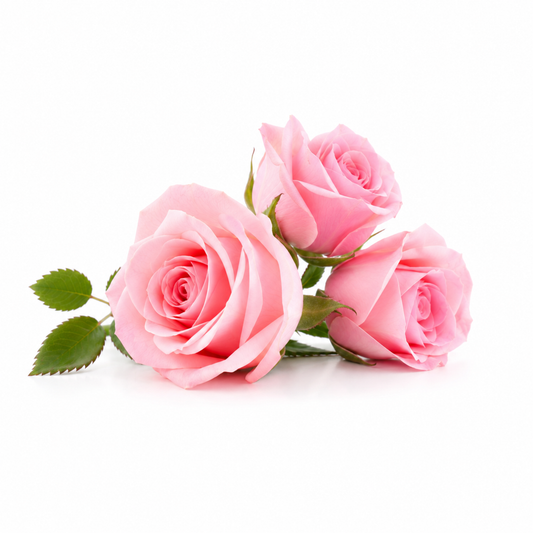 57% OFF
Rose Essential Oil
Regular price From Rs. 429.00Regular priceUnit price perRs. 999.00Sale price From Rs. 429.00Sale -

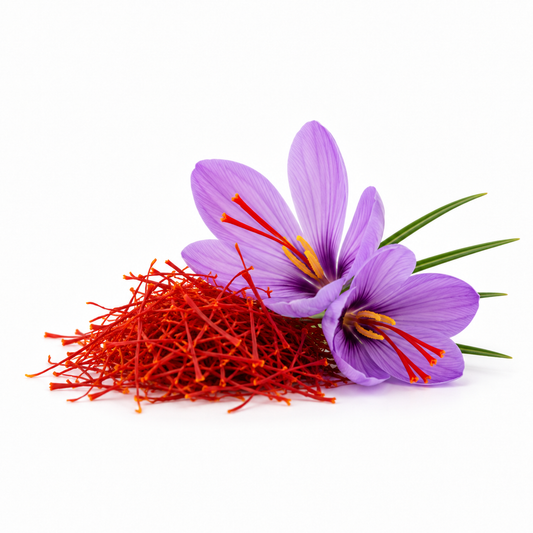 53% OFF
Saffron Essential Oil
Regular price From Rs. 649.00Regular priceUnit price perRs. 1,400.00Sale price From Rs. 649.00Sale -

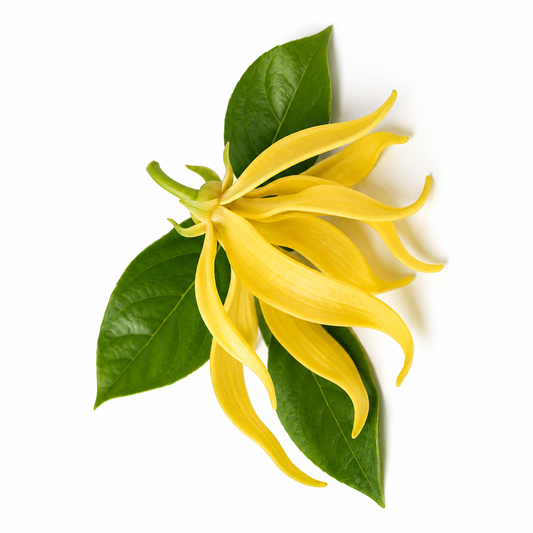 50% OFF
Ylang Ylang Essential Oil
Regular price From Rs. 449.00Regular priceUnit price perRs. 900.00Sale price From Rs. 449.00Sale -

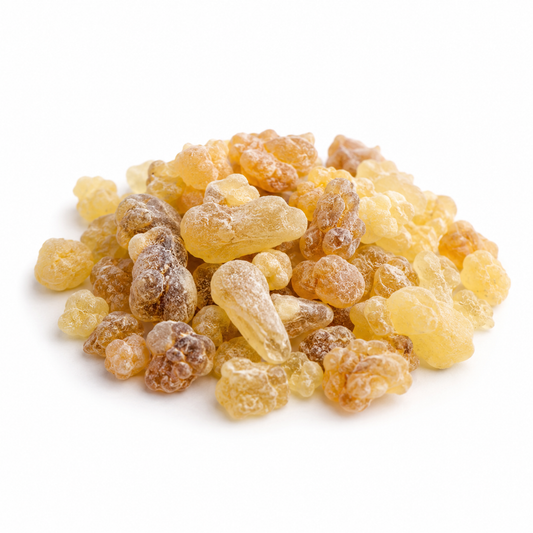 28% OFF
Frankincense Essential Oil
Regular price From Rs. 429.00Regular priceUnit price perRs. 599.00Sale price From Rs. 429.00Sale -

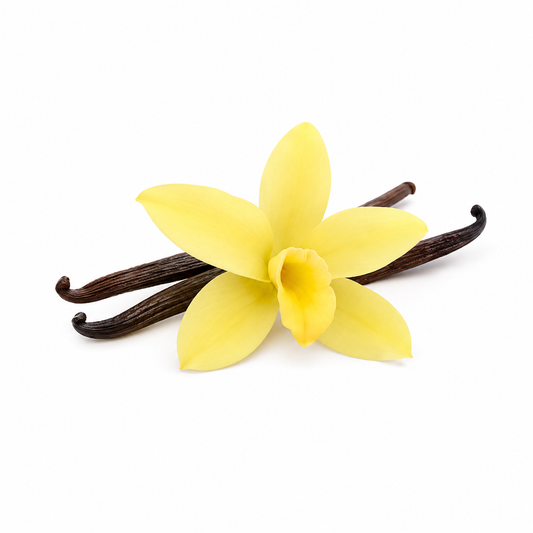 18% OFF
Vanilla Essential Oil
Regular price From Rs. 449.00Regular priceUnit price perRs. 550.00Sale price From Rs. 449.00Sale -

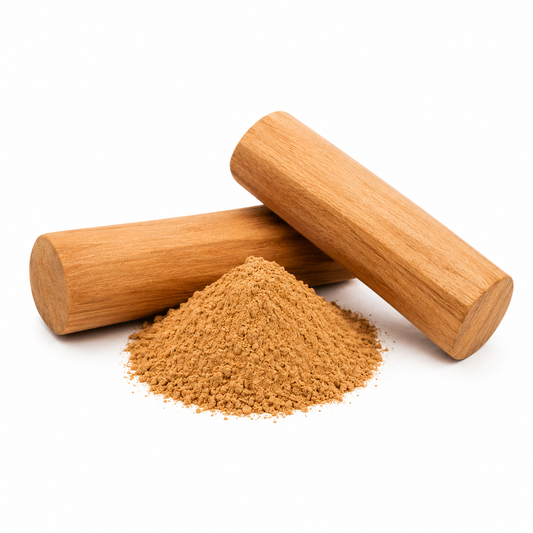 76% OFF
Sandalwood Essential Oil
Regular price From Rs. 1,199.00Regular priceUnit price perRs. 5,000.00Sale price From Rs. 1,199.00Sale -

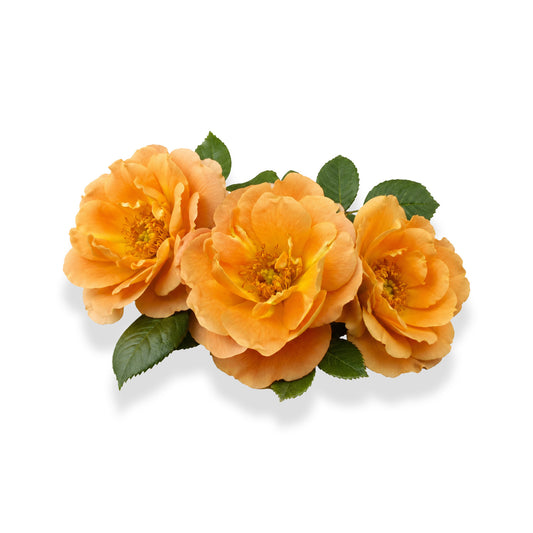 25% OFF
Amber Rose Essential Oil
Regular price From Rs. 899.00Regular priceUnit price perRs. 1,200.00Sale price From Rs. 899.00Sale -

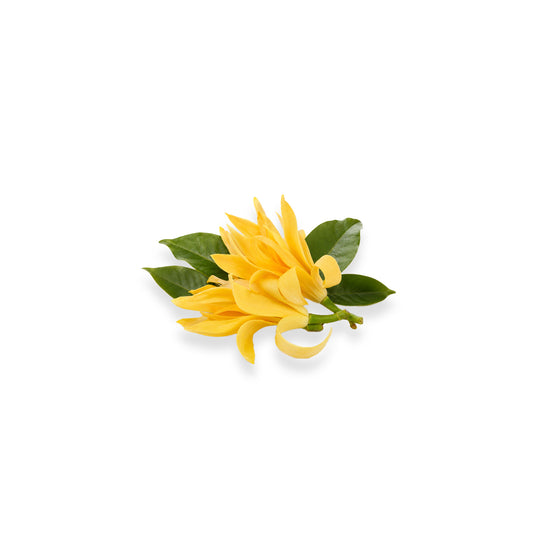
Champaca Essential Oil
Regular price From Rs. 899.00Regular priceUnit price perRs. 700.00Sale price From Rs. 899.00 -

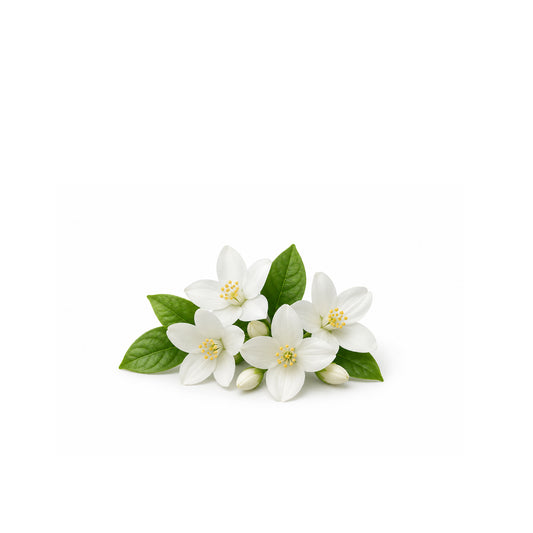 80% OFF
Jasmine Essential Oil(Grandiflorum)
Regular price From Rs. 1,999.00Regular priceUnit price perRs. 10,000.00Sale price From Rs. 1,999.00Sale -

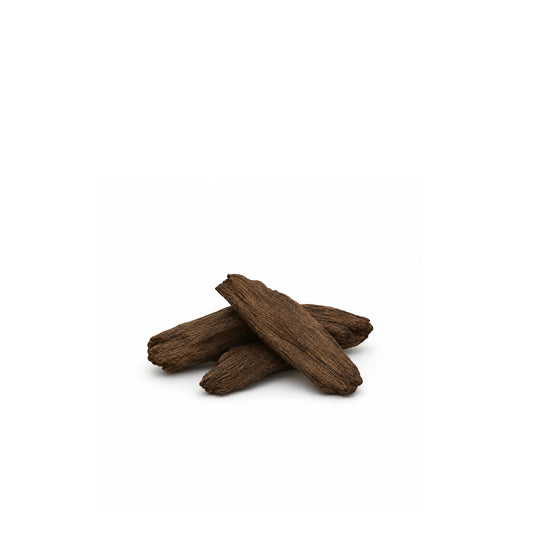 30% OFF
Oudh Essential Oil
Regular price From Rs. 2,799.00Regular priceUnit price perRs. 4,000.00Sale price From Rs. 2,799.00Sale -

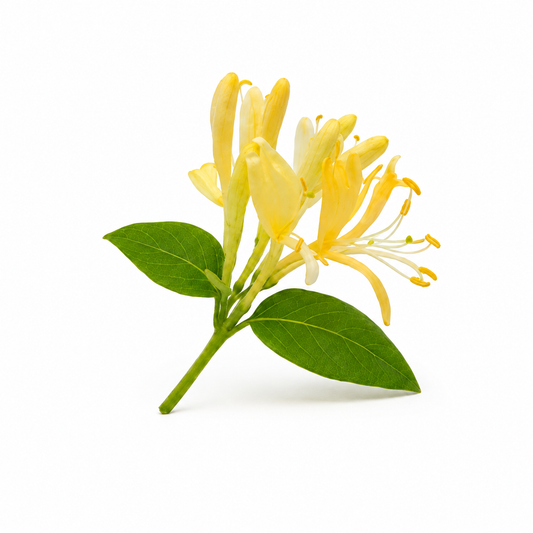 30% OFF
Honeysuckle Essential Oil
Regular price From Rs. 699.00Regular priceUnit price perRs. 1,000.00Sale price From Rs. 699.00Sale -

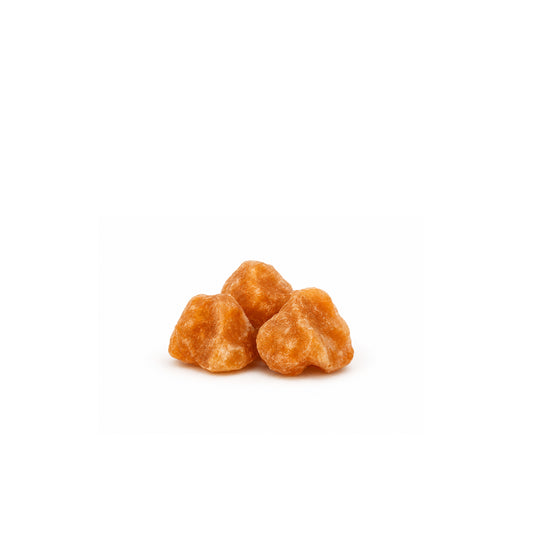 41% OFF
Benzoin Siam Essential Oil
Regular price From Rs. 699.00Regular priceUnit price perRs. 1,200.00Sale price From Rs. 699.00Sale -

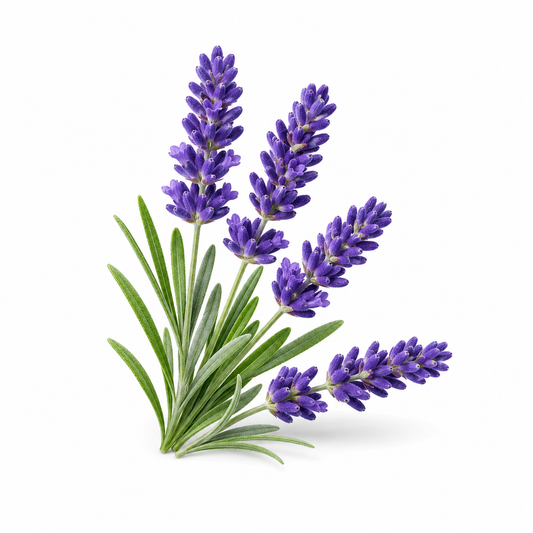 20% OFF
Bulgarian Lavender Essential Oil
Regular price From Rs. 999.00Regular priceUnit price perRs. 1,250.00Sale price From Rs. 999.00Sale -

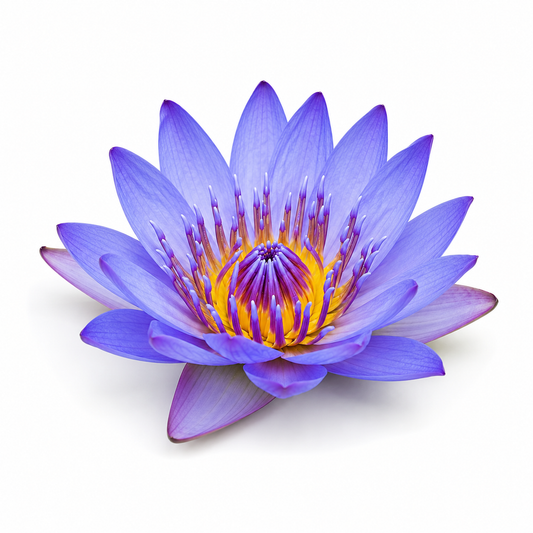 47% OFF
Blue Lotus Essential Oil
Regular price From Rs. 1,249.00Regular priceUnit price perRs. 2,400.00Sale price From Rs. 1,249.00Sale -

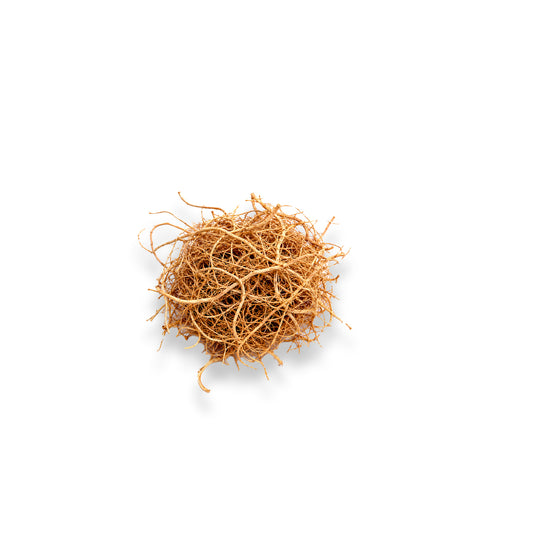 78% OFF
Vetiver Essential Oil
Regular price From Rs. 1,299.00Regular priceUnit price perRs. 6,000.00Sale price From Rs. 1,299.00Sale -

 50% OFF
Petitgrain Essential Oil
Regular price From Rs. 499.00Regular priceUnit price perRs. 1,000.00Sale price From Rs. 499.00Sale -

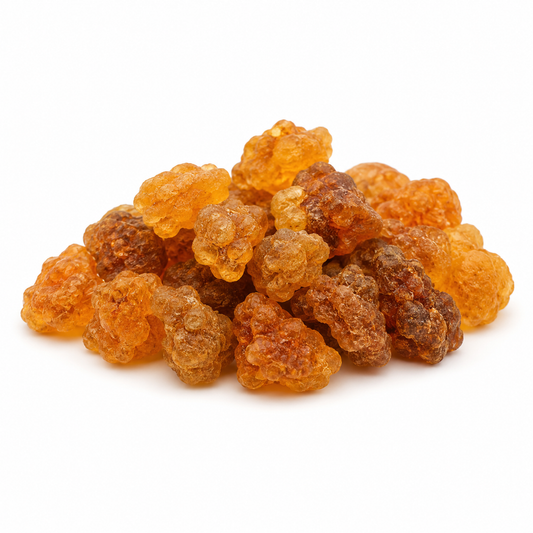 42% OFF
Myrrh Essential Oil
Regular price From Rs. 1,159.00Regular priceUnit price perRs. 2,000.00Sale price From Rs. 1,159.00Sale -

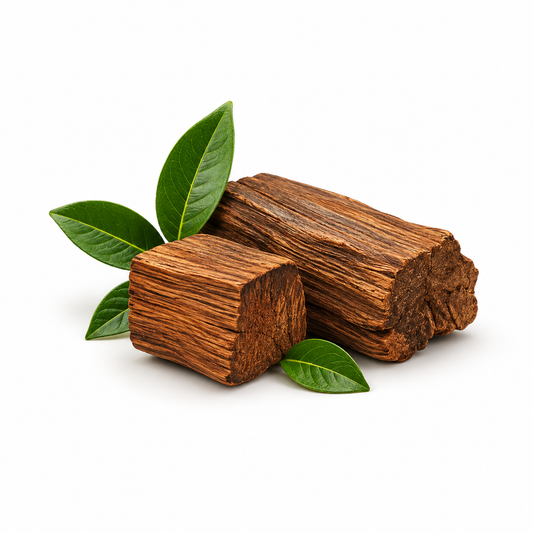 51% OFF
Guaiacwood Essential Oil
Regular price From Rs. 579.00Regular priceUnit price perRs. 1,200.00Sale price From Rs. 579.00Sale -

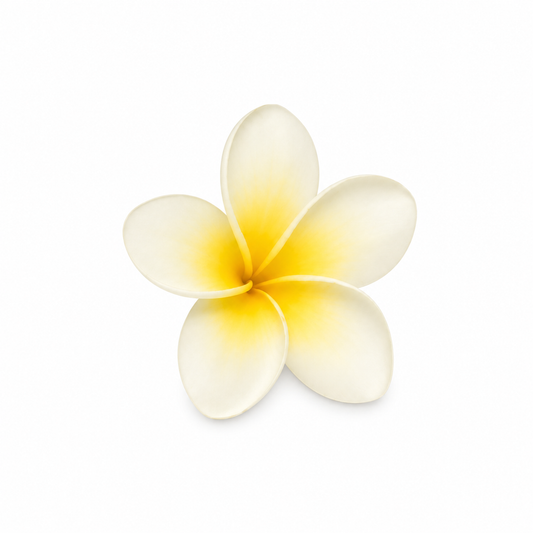 36% OFF
Frangipani Essential Oil
Regular price From Rs. 949.00Regular priceUnit price perRs. 1,500.00Sale price From Rs. 949.00Sale -

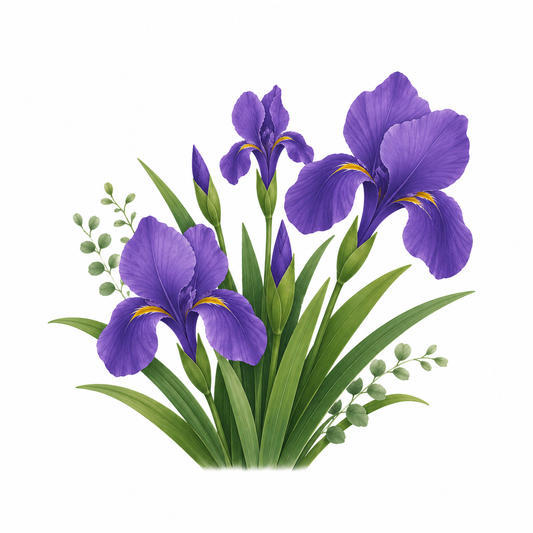 47% OFF
Orris Essential Oil
Regular price From Rs. 2,394.00Regular priceUnit price perRs. 4,600.00Sale price From Rs. 2,394.00Sale


Aroma Oils for Diffusers, Home, and Indian Rituals
RV Organica is an essential oil manufacturer based in Panipat, Haryana, India, supplying single-origin botanical oils used across Indian homes for diffusion, relaxation, meditation, and pooja rituals. Most buyers looking for aroma oils end up with one of two things: a pure essential oil they'll dilute and diffuse, or a fragrance blend that smells right but contains synthetic compounds. Knowing which you're buying matters, particularly if the oil goes into an ultrasonic diffuser daily or near skin.
Browse the full aroma oils collection to see what's currently in stock.
What are aroma oils, and what's included in this collection
"Aroma oil" has no regulated definition in India or anywhere globally. It gets applied to everything from diluted synthetic fragrance blends to pure steam-distilled plant extracts, sometimes on the same shelf, which is worth understanding before buying. As an essential oil manufacturer in India, RV Organica processes this range at its own Panipat, Haryana facility, with COA and GC-MS analysis available on request so buyers can verify exactly what's in a given bottle.
Pure single-origin oils — lavender, sandalwood, jasmine, lemongrass — contain naturally occurring aromatic compounds that behave predictably in diffusers and have documented interactions with the body at appropriate concentrations. Synthetic fragrance oils are formulated primarily for scent and may include compounds not suited to prolonged inhalation, particularly in enclosed rooms over multiple hours a day. "Therapeutic grade" and "pure" are unregulated claims; a Certificate of Analysis with GC-MS compound data is the only documentation that actually shows what's in the bottle, and any supplier worth buying from should provide it on request.
One practical check buyers often skip is compatibility with their diffuser type. Ultrasonic diffusers mist a water-oil mixture and work best with lighter, fully miscible oils. Reed diffusers rely on capillary absorption, so viscosity matters. Heavier resinous oils and those blended with thick carriers can clog an ultrasonic plate over time, which is rarely mentioned on the label.
How to use aroma oils for relaxation, sleep, and meditation
Relaxation and sleep. Lavender contains linalool — typically 25 to 40% by weight in Bulgarian varieties — which has demonstrated mild anxiolytic properties across several clinical trials. The caveat worth knowing: most of that research used concentrated inhalation chambers or oral dosing, not casual room diffusion. What you get from 4 drops in a home diffuser is a meaningfully lower effective dose than what the clinical studies used. It still has a calming effect on many people; the point is that "clinically proven" is stronger language than the home-diffusion evidence fully supports. For sleep preparation, 3 to 5 drops in a closed bedroom 20 to 30 minutes before sleep is a reasonable starting point. More than that tends to oversaturate the room — eucalyptus and peppermint especially can tip from refreshing into headache-inducing territory at higher concentrations. Jasmine and sandalwood work well for evening use too, though through a different mechanism. Their effect is less about anxiolytic chemistry and more about the weight of familiar scent associations — jasmine in particular is woven into Indian domestic memory in ways that most other oils aren't.
Meditation and pooja. Sandalwood is the traditional grounding scent for Indian ritual spaces. The reference point most people have is Mysore sandalwood (Santalum album), but a significant portion of what's sold under the sandalwood label today is either a different species (Santalum spicatum from Australia) or a synthetic reconstruction. Indian Santalum album is now expensive and tightly regulated due to decades of overextraction. If provenance matters for your use, check the species listed on the COA. A simple ceramic or brass oil burner with a tealight delivers adequate diffusion for a pooja room without needing electricity. Keep the burner attended and away from incense or diya flame. For a fully smoke-free alternative to agarbatti, diffused sandalwood or jasmine oil comes closest in character to traditional pooja fragrance without particulate matter. Rose works well in meditation spaces too — the scent is less grounding than sandalwood and more emotionally elevating, better suited to practices oriented toward openness rather than stillness.
Best essential oils for home freshening and workspace diffusion
Lemongrass is one of the more reliable performers for cutting through stale indoor air. Its citral content, typically 65 to 85% depending on the variety, accounts for the sharp citrus-green profile that overpowers cooking odors and closed-room stuffiness. One seasonal note worth knowing: during Indian summer, lemongrass diffuses quickly and intensely in warm rooms. Start with 2 to 3 drops rather than the 5 to 6 you might use in an air-conditioned space. In monsoon, dampness slows diffusion slightly and the amount can be increased.
Eucalyptus is effective for morning diffusion or study environments but tends to polarize people. In well-ventilated or air-conditioned rooms, the 1,8-cineole content (typically 65 to 80% in Eucalyptus globulus) feels clean and invigorating. In a small non-AC room in peak summer, that same intensity can quickly become too much. Two to three drops maximum for enclosed diffusion, not six.
Using aroma oils on hair and scalp safely
A clear caveat before anything else: aroma oils, whether blended fragrance products or pure essential oils, should not go directly on the scalp without dilution. Even lavender, considered one of the gentler oils, can cause contact sensitization in some people with repeated undiluted use, particularly on the sensitive skin around the hairline. For scalp application, blend 2 to 4 drops into 20ml of a carrier oil — coconut or sesame both absorb well in Indian humidity — before massaging in.
The cooling effect of peppermint comes from menthol's cold-receptor activation; it's a skin sensation, not a temperature change. There's limited clinical evidence linking topical peppermint to improved hair growth, though some studies suggest increased blood circulation at the scalp. The cooling experience itself is real; the hair-growth claims should be held with more scepticism.
How to choose genuine aroma oils and what documentation to request
The most common mistake is buying based on in-bottle scent alone. Fragrance from an opened cap doesn't always predict diffusion performance, stability over six months, or how an oil will behave when diluted or heated.
A COA with GC-MS results shows actual compound percentages by batch. For lavender, linalool and linalyl acetate should be the dominant peaks. For lemongrass, citral. If those primary compounds are absent or replaced by synthetic analogs, the oil is a fragrance blend regardless of what the label says. It's worth asking about extraction method too, since steam-distilled oils and solvent-extracted absolutes behave differently — rose absolute, for instance, is genuinely floral, but it's typically not suitable for direct diffusion in its pure form the way steam-distilled oils are.
Dark glass — amber or cobalt — is the packaging baseline. PET plastic bottles are a sign the product is either being sold very cheaply or stored beyond its stable shelf window. Through the temperature range between March and October, Indian conditions put oils at real oxidation risk; lavender and citrus oils are particularly susceptible in heat, while sandalwood and vetiver are more stable. A consistent cool, dark space extends shelf life considerably, so avoid storing opened bottles near windows, on spice racks, or anywhere that gets direct afternoon sun.
For wholesale and bulk buyers, lot-to-lot consistency data is worth requesting beyond the standard COA — chromatography comparisons between batches are the only way to verify that fragrance profiles stay uniform across large or repeat orders. SDS documentation is also standard for commercial procurement, and spas or formulation businesses incorporating these oils into topical products should additionally ask about dilution recommendations and contraindications for sensitive skin types.
Popular aroma oils in this collection
Lavender essential oil is the most versatile oil in the aroma oils collection. It works across diffuser routines, pre-sleep use, and as a blending base with other florals, with linalool content in quality batches typically running 30 to 38%. It's also the most forgiving oil for first-time diffuser users.
Sandalwood essential oil is a slow diffuser with long throw. A small amount goes further than most buyers expect, which matters given the cost. Its deep woody-balsamic character makes it the go-to for meditation rooms and pooja spaces where something grounding is needed.
Rose essential oil is a rich floral with emotional associations few other oils replicate. At typical diffusion rates, one bottle covers a significant number of sessions. It's worth verifying whether a listing is steam-distilled oil or solvent-extracted absolute, since the two behave quite differently in a diffuser.
Jasmine essential oil, grandiflorum variety, is sweet, heady, and intensely floral — a little goes a long way in an enclosed room. It's used traditionally across South and West India in puja and ceremonial contexts and isn't a subtle scent; it anchors a space rather than sitting in the background.
Eucalyptus essential oil performs best in morning diffusion or well-ventilated environments. High 1,8-cineole content makes it effective for mental clarity and air freshening, but it's easy to overuse in small rooms, particularly at night.
Lemongrass essential oil is a consistent performer for living rooms and workspaces, sharp citrus-green with strong air-clearing properties. The high citral content that makes it good in a diffuser also makes it irritating on skin directly — it belongs in the diffuser, not on the scalp.
Peppermint essential oil is menthol-dominant and intensely cooling in diffusion, good for focus during study or long work sessions. It's one of the easier oils to overdo; 2 to 3 drops is typically enough for a standard room.
Beyond these seven, the wider RV Organica essential oils range includes additional varieties such as cedarwood, vetiver, and frankincense for buyers building a fuller aromatherapy or ritual collection.
Whether you're picking a single oil for a home diffuser or sourcing in bulk for a wellness or commercial space, every oil in this collection is processed at RV Organica's Panipat, Haryana facility with COA, GC-MS, and SDS documentation available on request. Browse current stock and pricing on the RV Organica aroma oils page before placing an order.
- Choosing a selection results in a full page refresh.
- Opens in a new window.