
Buy PureWoody FragrancesOnline in India - Bulk & Wholesale
Buy Woody Fragrances in Bulk
-

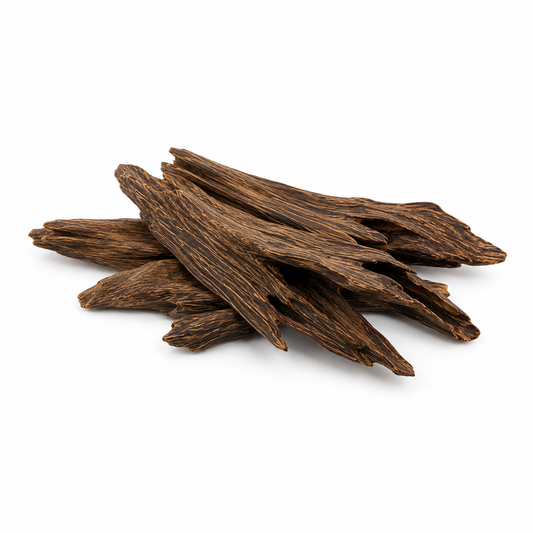 50% OFF
Oudh Twist Fragrance Oil
Regular price From Rs. 449.00Regular priceUnit price perRs. 900.00Sale price From Rs. 449.00Sale -

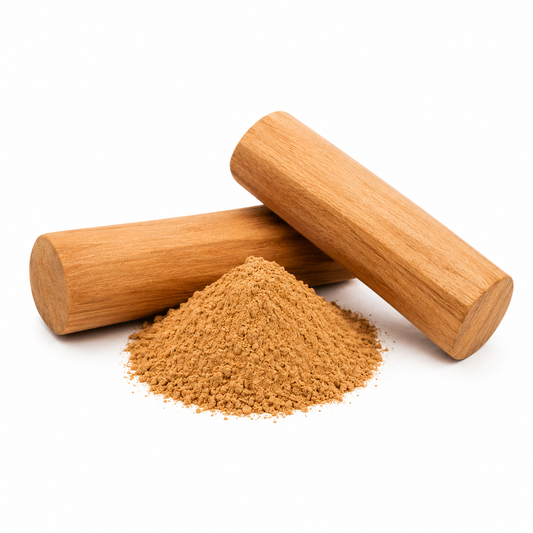 50% OFF
Sandalwood Fragrance Oil
Regular price From Rs. 449.00Regular priceUnit price perRs. 900.00Sale price From Rs. 449.00Sale -

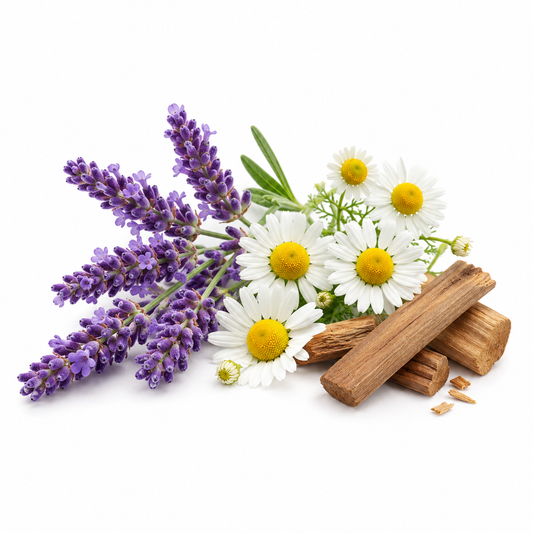 50% OFF
Lavender Chamomile Sandalwood Fragrance Oil
Regular price From Rs. 399.00Regular priceUnit price perRs. 800.00Sale price From Rs. 399.00Sale -

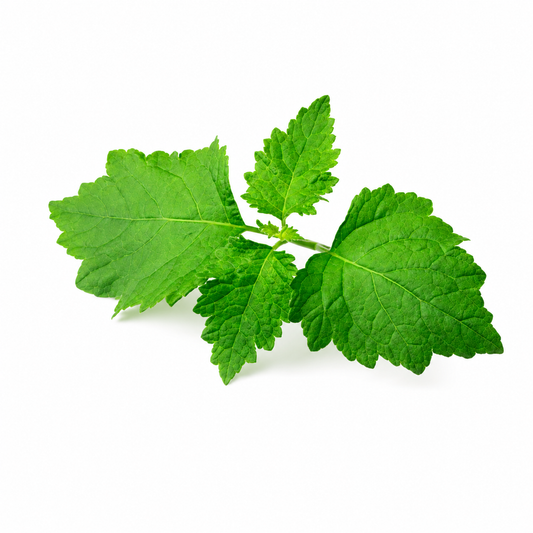 50% OFF
Patchouli Fragrance Oil
Regular price From Rs. 449.00Regular priceUnit price perRs. 900.00Sale price From Rs. 449.00Sale -

 37% OFF
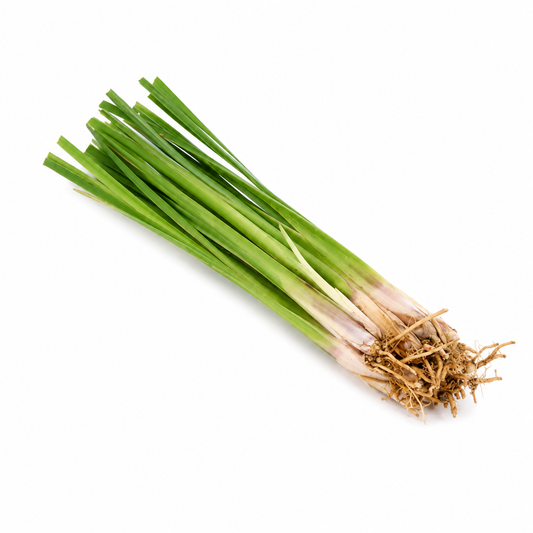
Vetiver Fragrance Oil
Regular price From Rs. 499.00Regular priceUnit price perRs. 800.00Sale price From Rs. 499.00Sale -

 50% OFF
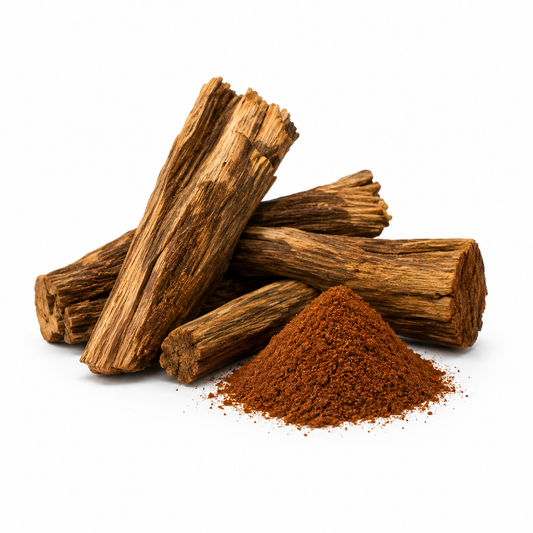
Wood Spice Fragrance Oil
Regular price From Rs. 399.00Regular priceUnit price perRs. 800.00Sale price From Rs. 399.00Sale -
 50% OFF
Forestwood Fragrance Oil
Regular price From Rs. 349.00Regular priceUnit price perRs. 700.00Sale price From Rs. 349.00Sale -

 50% OFF
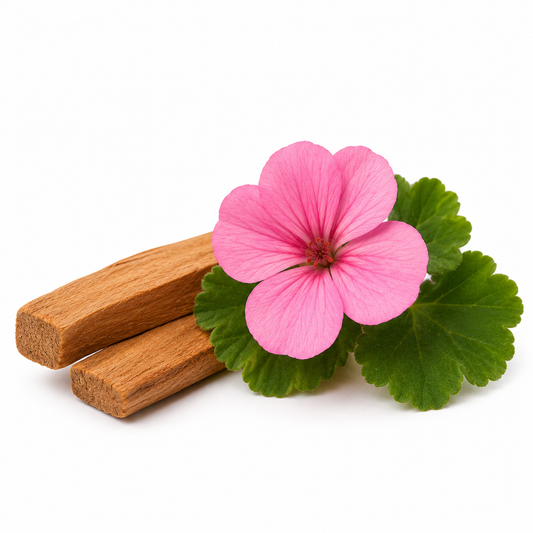
Geranium & Sandalwood Fragrance Oil
Regular price From Rs. 399.00Regular priceUnit price perRs. 800.00Sale price From Rs. 399.00Sale -

 50% OFF
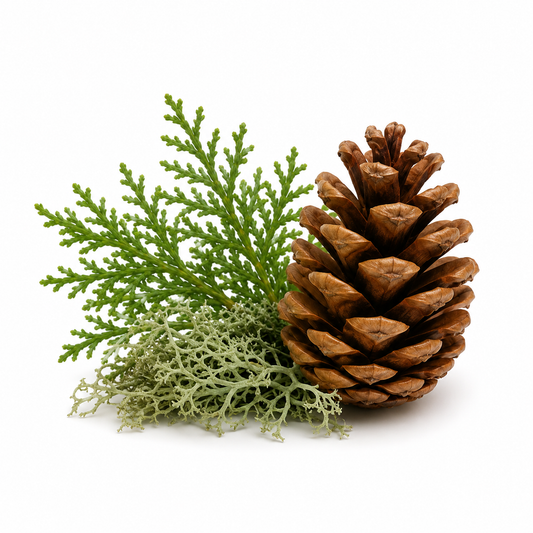
Cedar & Oakmoss Fragrance Oil
Regular price From Rs. 349.00Regular priceUnit price perRs. 700.00Sale price From Rs. 349.00Sale -

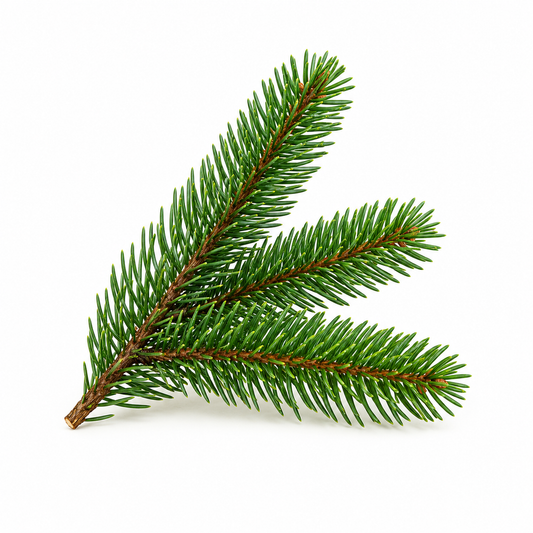 50% OFF
Evergreen Forest Fragrance Oil
Regular price From Rs. 399.00Regular priceUnit price perRs. 800.00Sale price From Rs. 399.00Sale -

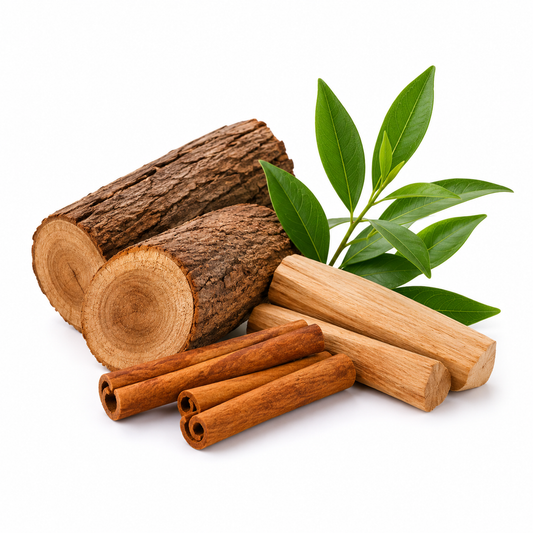 50% OFF
Warm Woods Fragrance Oil
Regular price From Rs. 649.00Regular priceUnit price perRs. 1,300.00Sale price From Rs. 649.00Sale -

 46% OFF
Rosewood & Citrus Fragrance Oil
Regular price From Rs. 429.00Regular priceUnit price perRs. 800.00Sale price From Rs. 429.00Sale -

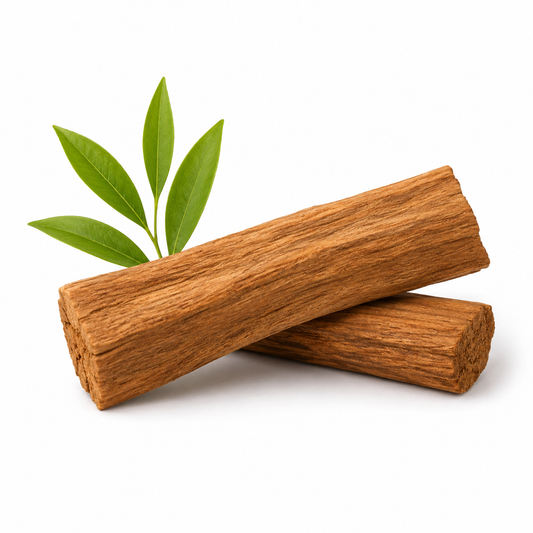 52% OFF
Teakwood Fragrance Oil
Regular price From Rs. 479.00Regular priceUnit price perRs. 1,000.00Sale price From Rs. 479.00Sale


Woody Fragrance Oils Earthy, Grounding Blends for Candles, Diffusers and Soap
Woody fragrance oils are base-note compositions built on sandalwood, cedarwood, vetiver, patchouli, and agarwood (oudh). They are low-volatility, high-tenacity materials that anchor lighter top and heart notes in a blend rather than flashing off quickly, which is why they dominate candle, diffuser, and soap formulations meant to last. RV Organica's woody collection includes individual base-note oils and pre-blended woody compositions, each supplied with COA and MSDS as standard.
What counts as a woody fragrance oil
The woody family is defined by its chemistry, not by how a scent smells in general terms. Sandalwood, cedarwood, vetiver, patchouli, guaiac, oakmoss, and agarwood are the reference materials. Tobacco, amber, and musk overlap in finished perfumes but belong to separate fragrance families, and confusing the two leads to mismatched product briefs.
Oudh is a partial exception. Chemically it reads as resinous rather than strictly woody, but it is so tied to warm, deep fragrance culture across South Asia and the Gulf that separating it from this category would be arbitrary.
One clarification worth stating directly: the word "natural" on a woody fragrance oil label means nothing without documentation. A sandalwood fragrance oil can be a fully synthetic santalol compound, a blend containing some percentage of real sandalwood essential oil, or pure steam-distilled oil sold under the fragrance oil name. All three can smell nearly identical. Scent alone cannot confirm composition — only a COA can.
How woody fragrance oils perform by application
Candle making
Throw performance varies more within the woody category than buyers typically expect. Sandalwood's cold throw reads noticeably different from its hot throw — creamier and warmer once burning. Vetiver can smell sharp and vegetal unburned, then soften considerably once a melt pool forms. Evaluate hot and cold throw as two separate tests, not one combined impression.
Cure time also matters more here than with lighter fragrance families. Treat 48 to 72 hours as a minimum; some sandalwood-heavy blends keep developing for up to two weeks as the fragrance integrates with the wax. Testing too early produces misleading throw results.
For Diwali, winter home fragrance, and festive gifting collections, base-note woody oils are reliable performers, with oudh seeing consistent demand from October through November. For patchouli-heavy candles specifically, the oil's density can contribute to wick clogging across repeated burns — sizing up the wick diameter slightly, relative to what a lighter fragrance at the same load would need, addresses this.
Reed and electric diffusers
Woody oils resist dissipation. A vetiver or cedarwood blend in a reed diffuser is still detectable after two weeks, while a citrus blend in the same vessel can fade to nearly nothing by day ten. That durability is an advantage for shelf life but a drawback for anyone wanting to switch scents quickly, since the reeds hold the previous fragrance for a while.
For pooja and meditation spaces, grounding base-note oils have centuries of established use in Indian ritual settings. Chandan (sandalwood) and khus (vetiver root) carry that traditional context directly, and buyers in this segment are evaluating scent authenticity and batch consistency rather than novelty.
Dense compounds like heavy patchouli or pure oudh often need dilution before use in reed diffusers — roughly 10 to 20 percent in dipropylene glycol. Undiluted, they can fill a small room within two to three days at an overpowering level; at an 80:20 oil-to-DPG ratio, the same blend reads as present but controlled.
Soap making
Vetiver, patchouli, and sandalwood survive cold process saponification better than most floral or citrus oils, because their dominant compounds are already low-volatility and resist stripping under alkaline pH. Standard usage is 5 to 6 percent added at light trace.
Patchouli intensifies over cure rather than fading. A bar that smells muted at unmould often smells noticeably stronger by three months — worth factoring into both formulation decisions and customer-facing scent descriptions.
Patchouli and vetiver-forward blends both discolor soap, with patchouli producing a brown-green to dark brown finish in cold process bases. That reads as characteristic in natural-aesthetic soap lines but is a real problem for white or pastel formulations. Run a small test batch before committing a full 10kg oil run to a pastel line.
Perfume making
In layered perfume construction, woody oils anchor the dry-down — the reason a floral composition still smells coherent hours after application instead of fading to nothing. Most structured perfumes use woody base notes at roughly 20 to 30 percent, though the exact figure depends on the specific oil's potency and whether it needs to support the composition quietly or remain detectable in the dry-down.
Maceration is not optional with these materials, particularly sandalwood and oudh. Mixing on day one and evaluating on day three gives a different result than resting the blend three to four weeks before evaluation. Build that timeline into any development schedule rather than testing early and drawing conclusions.
How to choose the right woody fragrance oil
Smell alone is an unreliable filter when picking from RV Organica's woody fragrance oils collection. A fragrance oil that performs well in someone else's candle can behave differently in a different wax, carrier oil, or soap base. Application type should be the first filter: soy and paraffin extract different performance from identical oils, and vetiver in particular behaves inconsistently across wax types, so results in soy don't reliably predict results in paraffin.
Colorant impact should be known before production, not discovered mid-batch. Patchouli and certain oudh blends discolor finished products, which is a formulation decision for white or pastel soap lines, not a surprise to plan around later.
Documentation should be treated as non-negotiable. A COA confirms composition and purity; an MSDS covers safe handling and is required for commercial shipping and labeling. Any supplier that doesn't provide both per batch, without being asked, is giving you information about how they operate.
Storage matters more for Indian buyers than the category's general stability suggests. Woody oils hold up better than citrus or green notes, but warehouse temperatures across northern and central India routinely exceed 35°C from March through October. Store sealed, away from direct light and heat, and check for phase separation or cloudiness before using any batch in production.
For wholesale sourcing, request a sample before committing to a large order — the cost of a 250ml sample is negligible against the cost of a failed 10kg batch. Asking a supplier directly about batch-to-batch consistency is usually the fastest way to tell which suppliers actually know their product.
Popular woody fragrance oils
Sandalwood Fragrance Oil — Delivers the milky, warm, slightly sweet character Indian buyers expect from sandalwood, across both candle and diffuser applications. Hot throw in soy runs noticeably richer and warmer than the cold throw impression, so product descriptions built around cold throw alone can undersell the burning experience.
Oudh Twist Fragrance Oil — A modified composition blending agarwood's resinous depth with other woods, producing an oud-family character without the intensity of raw agarwood. Holds projection well in luxury candles and diffusers, with obvious use in festive-season products but enough versatility for year-round home fragrance.
Patchouli Fragrance Oil — Earthy and musky, effective as a fixative but polarizing at high concentrations. Works best at 10 to 20 percent within a wider composition rather than as the lead note. In cold process soap, expect brown-green discoloration and a scent that strengthens over a three-month cure.
Vetiver Fragrance Oil — Dry and smoky-green, distinct from sandalwood's creaminess or patchouli's musk. Cold throw can read as vegetal and slightly strange on its own, softening into something warmer once a melt pool forms. Stable across diffusers and soap, with strong relevance for Indian wellness positioning and summer-oriented lines built around cooling, earthy notes.
Warm Woods Fragrance Oil — A pre-blended composition sitting between sandalwood's creaminess and cedarwood's dryness, forgiving to work with since the balancing is already done. Useful for candle makers who want a dependable woody base without building one from individual notes.
Wood Spice Fragrance Oil — A spiced woody blend better suited to candles and body products than diffusers, since spice notes can read sharp over days of continuous diffusion in open spaces. Strong fit for autumn and winter candle collections, and effective at masking the flat, wax-adjacent quality some purely woody oils develop in paraffin.
Browse the full fragrance oil collection for additional woody, oriental, and blended options.
About RV Organica
RV Organica supplies woody fragrance oils from 100ml samples through to bulk quantities via the woody fragrances collection, with COA and MSDS included on every batch by default. Packaging is available in 100ml, 500ml, 1L, 5L, and larger sizes, and samples can be ordered before any bulk purchase with no minimum requirement. RV Organica is based in Panipat, Haryana, and is certified GMP, ISO, FSSAI, Kosher, Halal, and WHO-GMP.
Frequently asked questions
What are woody fragrance oils made from? They're built on low-volatility base-note materials — primarily sandalwood, cedarwood, vetiver, patchouli, and agarwood (oudh) — chosen for their tenacity and ability to anchor lighter notes in a blend.
Is oudh technically a woody fragrance? Not in the strict chemical sense — it's more resinous than woody — but it's grouped here because of its established role in warm, deep fragrance compositions across South Asian and Gulf markets.
Why does sandalwood smell different burning than unburned? Cold throw and hot throw draw on different volatility ranges of the oil. Sandalwood's cold throw is milder; hot throw develops a creamier, warmer character once the wax melt pool forms.
How long should a woody fragrance oil candle cure before testing? A minimum of 48 to 72 hours, though sandalwood-heavy blends can continue developing for up to two weeks as the fragrance integrates fully with the wax.
Does patchouli discolor soap? Yes. Cold process soap made with patchouli typically develops a brown-green to dark brown tint, which is a consideration for any white or pastel soap line.
What documentation should a woody fragrance oil supplier provide? A Certificate of Analysis (COA) confirming composition and purity, and a Material Safety Data Sheet (MSDS) covering safe handling — both should come standard with every batch, not on request.
- Choosing a selection results in a full page refresh.
- Opens in a new window.