Buy PureBeeswaxOnline in India - Bulk & Wholesale
Buy Beeswax in Bulk
-
50% OFFSoy Wax Flakes
4.67 / 5.0
(3) 3 total reviews
Regular price From Rs. 499.00Regular priceUnit price / perRs. 1,000.00Sale price From Rs. 499.00Sale -
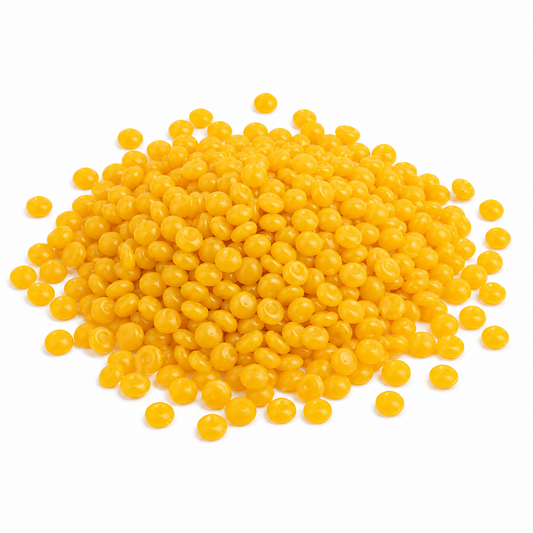
40% OFFYellow Beeswax Pellets
5.0 / 5.0
(3) 3 total reviews
Regular price From Rs. 599.00Regular priceUnit price / perRs. 1,000.00Sale price From Rs. 599.00Sale -
50% OFFWhite Beeswax Pellets
4.4 / 5.0
(5) 5 total reviews
Regular price From Rs. 749.00Regular priceUnit price / perRs. 1,500.00Sale price From Rs. 749.00Sale -
48% OFFWhite Beeswax
4.67 / 5.0
(3) 3 total reviews
Regular price From Rs. 719.00Regular priceUnit price / perRs. 1,400.00Sale price From Rs. 719.00Sale -
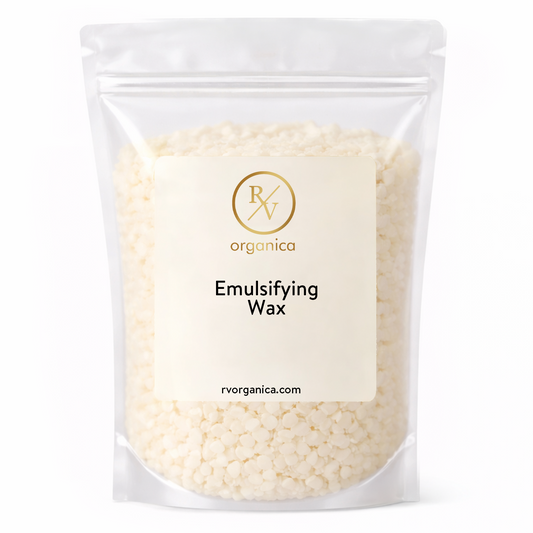
50% OFFEmulsifying Wax
4.67 / 5.0
(3) 3 total reviews
Regular price From Rs. 749.00Regular priceUnit price / perRs. 1,500.00Sale price From Rs. 749.00Sale -
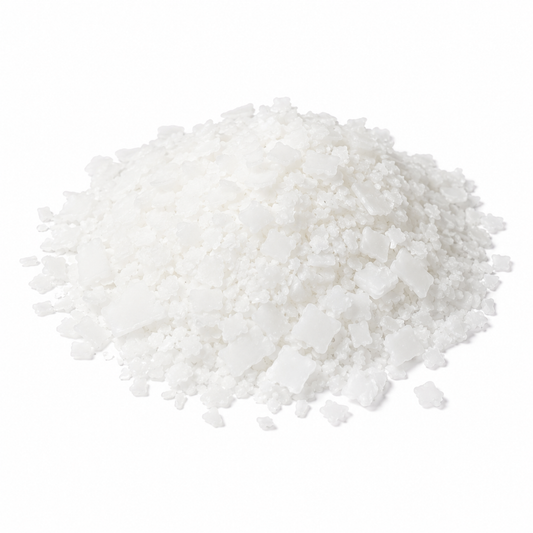
21% OFFCarnauba Wax
5.0 / 5.0
(3) 3 total reviews
Regular price From Rs. 1,100.00Regular priceUnit price / perRs. 1,400.00Sale price From Rs. 1,100.00Sale -
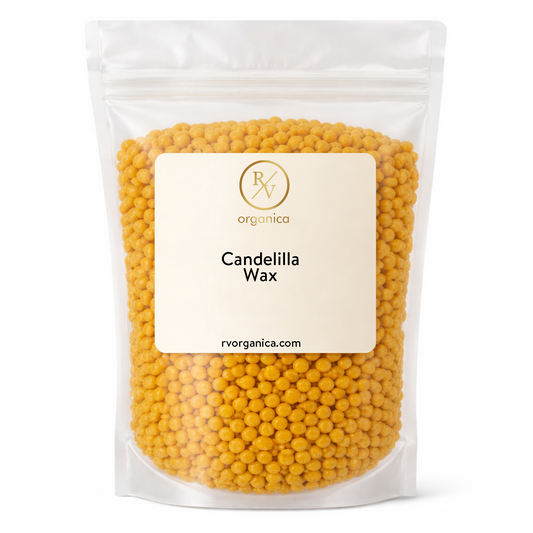
51% OFFCandelilla Wax
4.67 / 5.0
(3) 3 total reviews
Regular price From Rs. 1,949.00Regular priceUnit price / perRs. 4,000.00Sale price From Rs. 1,949.00Sale
Collapsible content
Does beeswax's melting point affect how I store pellets through Indian summers?
Beeswax melts at approximately 62–64°C, which means it won't melt in a temperature-controlled room or standard indoor storage. Where it becomes a problem is prolonged exposure to conditions that push toward that range: unventilated delivery vehicles, warehouse corners without airflow, or inventory stored near windows during peak summer months (April–June). At those conditions, pellets can soften and begin fusing into irregular masses. They're still usable once this happens, but measuring becomes imprecise. Sealed, opaque containers stored away from heat sources handle this reliably. The same logic carries over to finished products — a lip balm formulated at 20–25% beeswax will hold shape indoors but may noticeably soften in a hot car or prolonged direct sun.
Is beeswax an emulsifier? Can I use it as the only emulsifying agent in a lotion?
No — and this specific confusion shows up in a lot of DIY formulation guides. Beeswax contains naturally occurring esters that give it minor emulsifying properties, but those aren't sufficient to stabilise an oil-water emulsion. If you combine beeswax, oil, and water without a proper emulsifier, the mixture will separate. In a correctly built lotion or cream, beeswax contributes body and reinforces structure alongside a true emulsifying agent — it doesn't replace one. Recipes that describe beeswax as "the emulsifier" are usually describing formulations that are technically unstable, or that follow very old cold cream-style proportions where separation is worked around rather than prevented. For anyone building a water-phase emulsion and wondering why it keeps breaking, this is usually the first thing worth checking.
What does "organic beeswax" actually mean, and how do I verify quality before buying?
In India, it means nothing definitive — "organic beeswax" isn't a regulated term and can be applied without certification. What matters is documentation. A COA (Certificate of Analysis) confirms specific quality markers: melting point, acid value, saponification value, and colour. It should be issued per batch, not as a single generic document covering the whole product line. An MSDS (Material Safety Data Sheet) covers safe handling and classification. If a supplier provides both per batch, that's a meaningful quality signal. If they offer verbal assurances or a single undated document, the quality claim is unverified regardless of how the product is labelled. Ask before ordering.
How much beeswax should I use in a lip balm, and does Indian weather affect the percentage?
The standard range is 15–25% of total formula weight, and the right number within that range depends on what else is in the formula. High-oleic liquid oils — sweet almond, apricot kernel — make the overall formula softer, pushing you toward the higher end of the range to compensate. Harder butters like kokum or coffee butter add firmness, which can allow a lower beeswax percentage. For Indian conditions specifically, formulators often work at 20–22% to produce a balm that applies without dragging but holds shape in summer heat. A stick format needs to be at the higher end. Starting a test batch at 18% and adjusting by 2–3 percentage points either direction usually shows the effect clearly — the difference is perceptible in both application feel and structural firmness.
Is bulk beeswax available for businesses and small brands in India?
Yes — RV Organica supplies beeswax pellets in bulk quantities suited to small brands, cosmetic manufacturers, and candle production businesses. Orders include batch-specific COA and MSDS documentation. For current pricing and order enquiries, visit rvorganica.com.
About Beeswax
Beeswax Pellets — Natural Wax for Candle Making & Cosmetic Formulations
>Most buyers searching for beeswax pellets in India arrive with one of two things in mind: candles, or cosmetic and balm formulations. The sourcing questions worth asking differ enough between those use cases that it helps to be clear about which one applies before placing an order. This collection is part of RV Organica's waxes range, focused specifically on beeswax in pellet format — available in yellow and white variants to match different formulation requirements.
Pellet format deserves more credit than it usually gets. Compared to solid blocks, pellets melt faster and more evenly, measure cleanly without cutting or shaving, and reduce batch inconsistency when you're working at any kind of regular scale. For a craft producer doing weekly batches or a brand managing production volumes, the format difference is practical, not cosmetic.
What Is Beeswax?
>Beeswax is secreted by worker honeybees to construct comb structure inside the hive. After extraction, it's melted, filtered, and processed into pellet form for easier handling. The filtration step is where yellow and white beeswax diverge — not in fundamental chemistry, but in how far the processing goes.
Yellow beeswax retains the wax's natural golden pigment and traces of propolis and pollen that survive primary filtering. White beeswax is processed further, typically using activated charcoal or clay-based filtration media, which removes colour and reduces scent to near neutral. Neither involves chemical bleaching in responsible production. Neither is inherently superior — they serve different purposes.
When suppliers describe their product as "natural beeswax India," that phrase carries no regulatory definition. India has no certification standard for beeswax purity; any supplier can use the term. What tells you something real about the material is documentation — a COA and MSDS issued per batch. "Organic beeswax" faces the same problem: an unregulated label in India that requires documentation to back up, not just packaging language.
One practical detail most listings omit: beeswax melts at approximately 62–64°C. Normal indoor storage is safe at that point. The risk in India is prolonged exposure to unventilated vehicles, warm warehouse corners, or direct sunlight during summer (April–June), where conditions can push far enough to soften and partially fuse pellets together. Store sealed, in opaque containers, in a cool location.
Beeswax Skin Benefits and Uses
>Beeswax for Candle Making
Beeswax candles burn more slowly and produce less soot than paraffin. The natural honey-adjacent scent means an unscented beeswax candle still has character — though lighter essential oil fragrances can get somewhat muffled by the existing wax note rather than layering cleanly over it. Worth testing your fragrance load before committing to a production batch.
For Indian candle makers, beeswax behaves differently from soy or paraffin in one specific way: it contracts noticeably during cooling, which can create sink holes in narrow-mouthed containers. Wide pillar moulds and open-top vessels handle the contraction better. Pre-heating the mould helps, as does a second pour if you're working with traditional container shapes.
Beeswax candle use in India predates the current craft industry trend by centuries — it has genuine cultural and ritual context here, which is a selling point worth naming honestly in product descriptions.
Beeswax for Lip Balm
Beeswax gives solid lip balm its shape. The working range is 15–25% of total formula weight — at 15%, the result is soft and applies easily; at 25%, you're approaching stick-format hardness that holds through warm weather. For the Indian market, many formulators land at 20–22% specifically because of summer conditions.
One thing worth being direct about: beeswax doesn't moisturise lips. It creates a physical barrier that slows transepidermal water loss. The moisture retention happens because evaporation is slowed — the actual moisturising work is done by the oils and butters in the formula. This is a meaningful distinction for formulators, and it occasionally confuses customers who expect more from a "beeswax lip balm" than the wax alone can deliver.
Pellet format lets you weigh small amounts accurately, which matters when you're testing formulas by adjusting beeswax percentage in 2–3% increments across batches.
Beeswax Skin Benefits
The main thing beeswax does for skin is form a semi-occlusive barrier — it slows moisture loss without fully sealing the surface, which makes it breathable in a way petroleum-based occlusives aren't. In Ayurvedic-influenced skincare, that property fits naturally with formulations that prefer film-forming ingredients from natural sources.
What beeswax doesn't bring on its own is active effect. It has no documented anti-ageing, brightening, or treatment properties at standard cosmetic concentrations. Its value is structural and protective: it holds formulas stable, extends how long other ingredients stay in contact with skin, and contributes a texture that consumers tend to associate with quality without anyone needing to explain why.
Most skin types tolerate beeswax without issue. Sensitivities to beeswax or honey derivatives exist but are uncommon. If a customer mentions reactions to multiple bee-derived ingredients, that's a reasonable prompt to suggest a patch test before routine use.
Beeswax for Hair
In pomades, edge-control products, and styling balms, beeswax provides hold and definition without the stiffness of many synthetic fixatives. The result is structure with a natural-looking finish, which is what most of these product categories are going for.
The practical limitation: beeswax doesn't rinse out with water alone. Removal requires a clarifying or sulphate-based shampoo. In humid Indian conditions — particularly monsoon months — beeswax-heavy pomades can sit heavier than expected after application, since ambient humidity affects how the wax behaves on hair throughout the day. Worth factoring in if you're formulating for a broad consumer market rather than a specific hair type or use occasion.
Beeswax for Soap Making
Adding beeswax to cold-process or hot-process soap makes bars firmer and extends how long they hold their shape during use. The functional range is 1–5% of total batch weight. Going above 5–6% creates problems — bars become brittle, lather quality drops, and the finished feel shifts in ways that most soap users don't respond well to, though they often can't articulate exactly why.
Beeswax doesn't saponify the way oils do, so it contributes structurally rather than to the cleansing chemistry. If you're adding it to a formula for the first time, 1–2% is a reasonable starting point before scaling. Changes at that level produce a noticeable difference in bar firmness without risking the brittleness that comes from adding too much.
Beeswax for Cosmetics
In creams and lotions, beeswax functions as a thickening agent and partial emulsion stabiliser — but not an emulsifier. It can't hold an oil-water blend together on its own. In a properly made emulsion, beeswax works alongside a true emulsifier to add body and reinforce structure; it doesn't replace the emulsifier. This is a distinction that trips up some DIY formulators who follow recipes describing beeswax as the emulsifying agent.
White beeswax is standard for cosmetic applications where colour consistency matters. Typical usage is 2–10%, depending on target texture — toward the lower end for something with slip and light hold, toward the higher end for a product with more body, though the waxy skin-feel at higher percentages is something many modern lotion formulations specifically try to minimise. Pellet format speeds weighing and reduces prep time when you're running multiple test batches, which matters more than it sounds once you're doing this regularly.
Yellow Beeswax Pellets vs White Beeswax Pellets
>Yellow beeswax pellets keep the wax's natural golden colour and the faint honey-floral note that comes from propolis and pollen traces surviving primary filtration. This makes them appropriate for candle work, traditional herbal skincare, and any formulation where the natural appearance either adds to the product or doesn't interfere with it.
White beeswax pellets go through additional processing that removes colour and scent, producing a near-neutral base. The core properties — melting point, fatty acid profile, structural behaviour — remain essentially unchanged. What changes is appearance and fragrance. White is the standard choice for anything colour-sensitive: pale lip balms, light-toned creams, colour-formulated cosmetics where even a faint golden shift would be a problem.
The cost difference between the two variants, where it exists, reflects additional filtration processing. If the finished product doesn't require a neutral base — candles, rustic-format skincare, traditional balms — paying more for white beeswax doesn't gain you anything functionally.
How to Choose the Right Beeswax
>For candle making, yellow beeswax pellets are the practical starting point. The natural colour and honey note are part of what buyers associate with beeswax candles — there's no functional reason to pay for additional filtration if the finished product doesn't need a neutral base.
Lip balm and colour-sensitive cosmetics are a different situation. Even small amounts of yellow beeswax can shift the shade of a light-coloured product, which matters if you're targeting a specific appearance. White beeswax pellets are the cleaner choice for anything where colour consistency is part of the formulation brief.
For soap and hair products, the choice matters less. Either variant performs the same function, and the colour difference rarely shows through in the finished product. Yellow beeswax is typically more cost-effective in those applications.
Businesses sourcing bulk beeswax India should ask about pellet size uniformity before placing larger orders. Inconsistent pellet sizing means inconsistent melt rates during production — smaller pellets melt before larger ones, which introduces texture variation and uneven fill temperatures across a batch. This is the kind of issue that doesn't show up in small quantities but becomes significant at scale.
Always request a COA and MSDS from your supplier. The COA shows key quality markers — melting point, acid value, colour — and should be issued per batch, not as a generic document that applies to the entire product range. The MSDS covers safe handling. A supplier who provides both per batch is giving you something verifiable. One who provides verbal assurances or a single undated document is giving you something much less meaningful.
When a supplier calls their product "organic beeswax," ask what documentation supports that claim. The term is unregulated in India — it requires a COA and sourcing transparency to mean anything, not just label language.
Beeswax Pellets from RV Organica
>RV Organica supplies beeswax pellets with COA and MSDS documentation issued per batch. Yellow and white variants are both available, with packaging quantities from small craft sizes through to bulk orders for production buyers. Order documentation is provided for business purchases.
Popular Beeswax Products
>Yellow Beeswax Pellets Minimally processed — retains the natural golden colour and the mild honey character of the wax. Most candle makers start here, as do formulators working on Ayurvedic-style skincare or any application where the natural appearance fits the product concept. No added processing beyond primary filtration.
White Beeswax Pellets Filtered to a near-neutral colour and reduced scent. The go-to for lip balm, skin creams, and cosmetic formulations where the wax's natural pigment would alter the finished product's appearance. Same structural properties as the yellow variant; different base for colour-sensitive work.
White Beeswax A different format from the pelletised version — check the product page for packaging details and available sizes. Suitable for the same cosmetic and formulation applications that call for a neutral wax base.
Browse the complete waxes collection for related natural waxes — including soy wax, candelilla wax, carnauba wax, and emulsifying wax.
- Choosing a selection results in a full page refresh.
- Opens in a new window.