
Fresh Fragrance
Buy Fresh Fragrance in Bulk
-

 50% OFF
Ocean Breeze Fragrance Oil
Regular price From Rs. 449.00Regular priceUnit price perRs. 900.00Sale price From Rs. 449.00Sale -

 46% OFF
Ice Age Fragrance Oil
Regular price From Rs. 429.00Regular priceUnit price perRs. 800.00Sale price From Rs. 429.00Sale -

 50% OFF
Mix Fruit Fragrance Oil
Regular price From Rs. 399.00Regular priceUnit price perRs. 800.00Sale price From Rs. 399.00Sale -

 50% OFF
Lime Fragrance Oil
Regular price From Rs. 349.00Regular priceUnit price perRs. 700.00Sale price From Rs. 349.00Sale -

 50% OFF
Pineapple Fragrance Oil
Regular price From Rs. 399.00Regular priceUnit price perRs. 800.00Sale price From Rs. 399.00Sale -

 50% OFF
Lemon Fragrance Oil
Regular price From Rs. 399.00Regular priceUnit price perRs. 800.00Sale price From Rs. 399.00Sale -

 50% OFF
Fruity Fresh Fragrance Oil
Regular price From Rs. 399.00Regular priceUnit price perRs. 800.00Sale price From Rs. 399.00Sale -

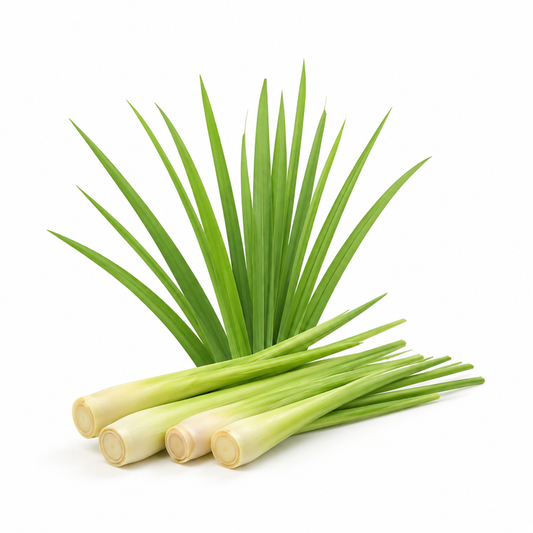 50% OFF
Lemongrass Fragrance Oil
Regular price From Rs. 399.00Regular priceUnit price perRs. 800.00Sale price From Rs. 399.00Sale -

 50% OFF
Blueberry Fragrance Oil
Regular price From Rs. 399.00Regular priceUnit price perRs. 800.00Sale price From Rs. 399.00Sale -

 28% OFF
Bergamot and Nectarine Fragrance Oil
Regular price From Rs. 499.00Regular priceUnit price perRs. 700.00Sale price From Rs. 499.00Sale -

 43% OFF
Berries Fragrance Oil
Regular price From Rs. 399.00Regular priceUnit price perRs. 700.00Sale price From Rs. 399.00Sale -


Mandarin Fragrance Oil
Regular price From Rs. 449.00Regular priceUnit price per -

 48% OFF
Rain Forest Fragrance Oil
Regular price From Rs. 359.00Regular priceUnit price perRs. 700.00Sale price From Rs. 359.00Sale -

 50% OFF
Bitter Orange & Cinamon Fragrance Oil
Regular price From Rs. 399.00Regular priceUnit price perRs. 800.00Sale price From Rs. 399.00Sale -

 50% OFF
Orange Fragrance Oil
Regular price From Rs. 399.00Regular priceUnit price perRs. 800.00Sale price From Rs. 399.00Sale -


Jackfruit Fragrance oil
Regular price From Rs. 499.00Regular priceUnit price per -

 50% OFF
Oceanic Mist Fragrance Oil
Regular price From Rs. 399.00Regular priceUnit price perRs. 800.00Sale price From Rs. 399.00Sale -

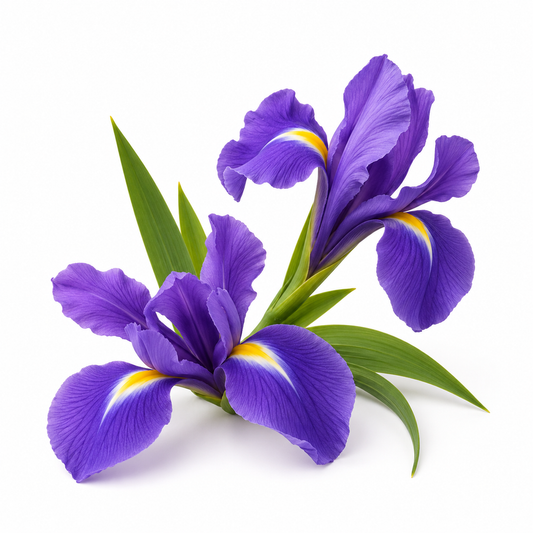
Orris Fragrance Oil
Regular price From Rs. 499.00Regular priceUnit price per -

 50% OFF
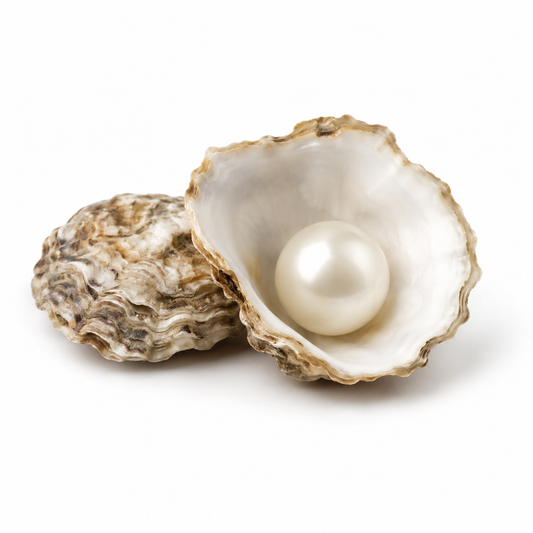
Pacific Ocean Pearl Fragrance Oil
Regular price From Rs. 399.00Regular priceUnit price perRs. 800.00Sale price From Rs. 399.00Sale -

 50% OFF
Mango Fragrance Oil
Regular price From Rs. 399.00Regular priceUnit price perRs. 800.00Sale price From Rs. 399.00Sale


About Fresh Fragrance

Fresh Fragrance Oils Light, Citrus and Clean Scents for Candles, Diffusers and Soaps
Quick answer: Fresh fragrance oils are light, clean blends built around citrus, herbal, or aquatic notes such as lemon, lime, grapefruit, mint, lemongrass, and eucalyptus. They are formulated to hold through heat, high pH, and time in ways that citrus essential oils often do not, so they suit candles, diffusers, soap, and personal care. Citrus top notes are volatile, so a strong cold scent can read softer once a candle burns; test hot throw before a full batch.
Fresh fragrance oils are aromatic compounds, mostly synthetic and sometimes blended, built around citrus, herbal, or aquatic notes such as lemon, lime, grapefruit, mint, lemongrass, and eucalyptus. RV Organica's fresh fragrance oils collection is built for candle makers, soap brands, and personal care formulators who need light, non-cloying, clean-on-first-hit performance rather than just a citrus or herbal scent profile.
Why Do Fresh Fragrance Oils Exist as a Category?
Fresh scent profiles are hard to achieve consistently with pure essential oils in manufactured products. Lemon essential oil loses most of its character during cold-process soap curing, and lime essential oil fades in candles faster than the wax itself does. Fragrance oils are formulated specifically to hold through heat, high pH, and time in ways natural extracts often don't - this isn't a strike against essential oils, they're simply built for different applications.
Terms like "natural," "organic," and "pure" appear constantly in fragrance oil descriptions without regulated backing in India's fragrance supply market. What actually tells you something about an oil is documentation - a COA confirming batch identity and an MSDS covering handling. A supplier who can't produce both on request isn't necessarily dishonest, but that's worth understanding before ordering.
How Do Fresh Fragrance Oils Perform by Application?
Candles and diffusers
Citrus fragrance oils - lemon, grapefruit, lime - give strong cold throw, the scent off an unlit wick, which is often what sells a candle at retail. Hot throw is different: citrus top notes are volatile and move off faster at burn temperature than heavier base notes, so a candle that smells intensely lemony when cold can read much softer after 30 minutes of burning. That's chemistry, not a defect. Fragrance load can be increased to compensate, but most soy waxes max out around 10 to 12 percent, and pushing past the rated limit creates adhesion problems rather than more scent.
Reed diffusers are more forgiving with citrus since the wick-and-evaporate mechanism doesn't apply the same heat, letting top notes hold better. The practical issue is duration - lighter fragrance oils exhaust faster than thicker ones in passive reed systems, and a 100ml bottle that lasts eight weeks in a warm room might last five in a hot one. Across North India from March through October, that's worth building into supply planning for a retail product line.
Eucalyptus and lemongrass also read differently at home-use concentrations than at full strength from the bottle - sharp and almost aggressive undiluted, but genuinely pleasant when diluted to 60 to 70 percent in a reed diffuser. Going full-strength for "more scent" usually doesn't achieve the intended effect.
Personal care
Leave-on and rinse-off products behave differently with fresh fragrance oils. Mint is the clearest example - in a body wash or shampoo, its cooling sensation adds to perceived cleanliness even after the scent fades, but at the same concentration in a leave-on lotion, it can irritate sun-exposed skin, especially in Indian summer conditions. Staying below 0.5 percent in leave-on products is the standard starting point, not 1 percent.
Orange and lemongrass are less polarizing in personal care bases, softening in emulsions rather than sharpening, which makes them easier to work with in lotions and creams. Neither is a particularly strong skin sensitizer at typical use rates, but IFRA guidelines exist for a reason, and a fragrance oil sold for candles may not have been evaluated for skin use - checking before formulating matters.
Body mists in Indian summers dissipate faster than Western fragrance guides suggest, not because the scent is weaker but because ambient heat and humidity accelerate evaporation. Adjusting expectations on longevity is easier than repeatedly adjusting the formulation.
Soap making
Fresh fragrance oils have a mostly earned reputation for reliability in cold-process soap, but a few things are worth checking before scaling up. Citrus-orange fragrance oils can discolor CP soap over the cure period, coming out white or cream and shifting pale yellow within six weeks - not harmful, but visually inconsistent for a "clean white" product line. Eucalyptus and mint tend to stay more color-stable, and lemon and lime are usually fine too, though results vary by supplier.
Accelerated trace is the bigger operational concern. Fragrance should go in at light trace - roughly the consistency of thin yogurt - rather than a thicker batter, since some fresh fragrance oils containing floral blends or certain synthetic citrus components seize fast. It's better to pour into molds earlier than planned than to end up with a hardened mess in the bowl. Melt-and-pour is simpler: cool the base below 60°C, add fragrance at 2 to 3 percent, stir without whipping in air, then pour. The main risk there is overdosing, which can cause the fragrance to sweat out of the bar over time.
How Do You Choose a Fresh Fragrance Oil?
The biggest mistake isn't buying the wrong fragrance - it's buying a candle fragrance for a skin product, or a soap fragrance for a diffuser, without checking whether it was formulated for that application. Flashpoint matters for candles, since oils with flashpoints below 65°C can cause issues in high-temperature wax pours. Reed diffusers need low viscosity, since a thick fragrance carrying candle-use fixatives often won't wick at all. For personal care, IFRA compliance and skin-safe testing at actual use concentrations is what separates a usable oil from a theoretical one.
For bulk sourcing, batch-to-batch consistency is the real variable, since price per litre is easy to compare but consistency isn't. Asking a supplier directly how they handle a batch that performs differently from the previous one tends to reveal more than any spec sheet.
Documentation to request is simple: COA and MSDS, and those two should be the minimum from any supplier. For storage in Indian conditions, sealed dark glass or opaque containers away from direct heat matter more than people expect - top notes shift first, and a lemon fragrance that starts smelling flat or slightly off has usually been exposed to heat.
Which Fresh Fragrance Oils Are Most Popular?
Lemon Fragrance Oil - Strong cold throw in soy wax, the main reason candle brands reach for it first. Hot throw holds better in denser wax blends than pure soy, worth testing both if the scent seems to fade mid-burn. Stable at 2 to 2.5 percent in CP soap without discoloring.
Orange Fragrance Oil - Rounder and softer than lemon, blending into lotions without the sharp edge mint or eucalyptus brings, useful in personal care formulations wanting freshness without intensity. Some batches cause slight yellowing in CP soap after curing, worth a test bar before a full production run.
Lemongrass Fragrance Oil - The herbal-citrus character holds in reed diffusers better than pure citrus options thanks to more mid-note depth. In cold-process soap, the green herbal edge softens considerably by cure, so the scent at pour is noticeably different from what develops four weeks later.
Eucalyptus Fragrance Oil - Cooler than mint and less likely to dominate a blend, widely used in pooja spaces and wellness product lines since the clean, sharp profile reads as "fresh" even in small amounts. In diffusers it disperses without going flat, though diluting before loading a reed system prevents it becoming overwhelming in a small room.
Mint Fragrance Oil - Best in rinse-off personal care, where the cooling effect adds perceived performance buyers notice. In leave-on products, dilute conservatively. In soap it generally behaves well without accelerating trace, which isn't true of every fresh fragrance oil.
Grapefruit Fragrance Oil - Tangier and more bitter than orange or lemon, less common in the Indian market, which makes it read as distinct in a seasonal candle or room spray line. The slight bitterness keeps it from tipping into sweetness, which is what makes it work in summer collections.
Lime Fragrance Oil - The crispest of the citrus options, exhausting faster than eucalyptus in passive reed diffusers, worth accounting for in product positioning if duration matters. As a blend component with mint or lemongrass, it sharpens the top note without adding sweetness.
Browse the complete fresh fragrance oils range at RV Organica for additional citrus, herbal, and blended options.
About RV Organica
RV Organica supplies fragrance oils from Panipat in bulk from 500ml upward, with COA and MSDS available for every batch and standard documentation included on all orders. Contact through the website for wholesale quantities or product-specific sourcing questions.
Frequently asked questions
Why do fresh fragrance oils fade faster in burning candles than they smell cold? Citrus top notes are highly volatile and move off faster at burn temperature than heavier base notes, so a candle that smells strongly of lemon or lime when unlit can read much softer after 30 minutes of burning. This is a chemistry effect, not a defect.
Can candle-grade fresh fragrance oils be used in skin care products? Not automatically. A fragrance oil sold for candles may not have been evaluated for skin use under IFRA guidelines, so checking the COA, MSDS, and category-specific limits before formulating a leave-on or rinse-off product is essential.
Do citrus fragrance oils discolor cold-process soap? Citrus-orange fragrance oils in particular can shift bars from white or cream to pale yellow over a six-week cure. Eucalyptus, mint, lemon, and lime are generally more color-stable, though results vary between suppliers.
How much fresh fragrance oil should go into a leave-on lotion? Staying below 0.5 percent is the standard starting point for stronger notes like mint, since the same concentration that performs well in a rinse-off product can irritate sun-exposed skin in a leave-on formulation.
Why do fresh fragrance oils dissipate faster in Indian summers than fragrance guides suggest? Ambient heat and humidity accelerate evaporation, so body mists and diffuser blends lose scent faster in Indian conditions than in cooler climates - the fragrance itself isn't weaker, the environment is simply speeding up the process.
- Choosing a selection results in a full page refresh.
- Opens in a new window.
