
Buy PureOriental FragrancesOnline in India - Bulk & Wholesale
Buy Oriental Fragrances in Bulk
-

 50% OFF
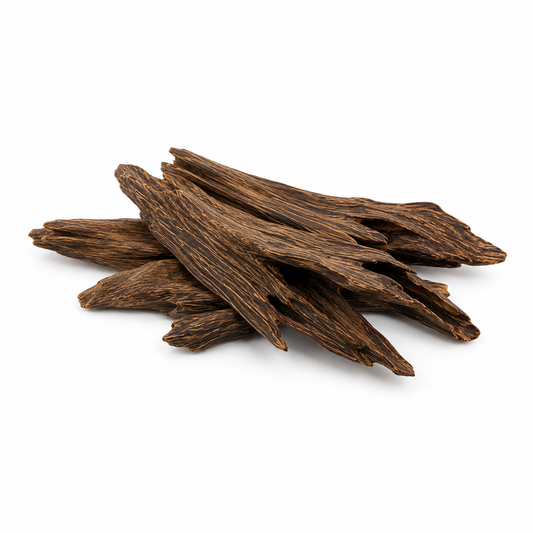
Oudh Twist Fragrance Oil
Regular price From Rs. 449.00Regular priceUnit price perRs. 900.00Sale price From Rs. 449.00Sale -

 50% OFF
Kush Fragrance Oil
Regular price From Rs. 399.00Regular priceUnit price perRs. 800.00Sale price From Rs. 399.00Sale -

 50% OFF
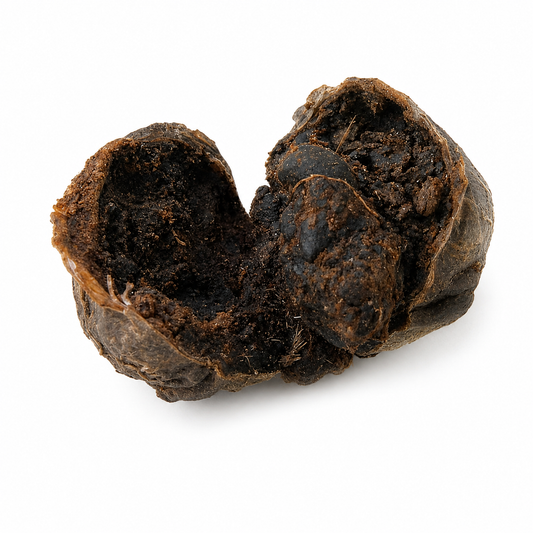
Black Musk Fragrance Oil
Regular price From Rs. 399.00Regular priceUnit price perRs. 800.00Sale price From Rs. 399.00Sale -

 50% OFF
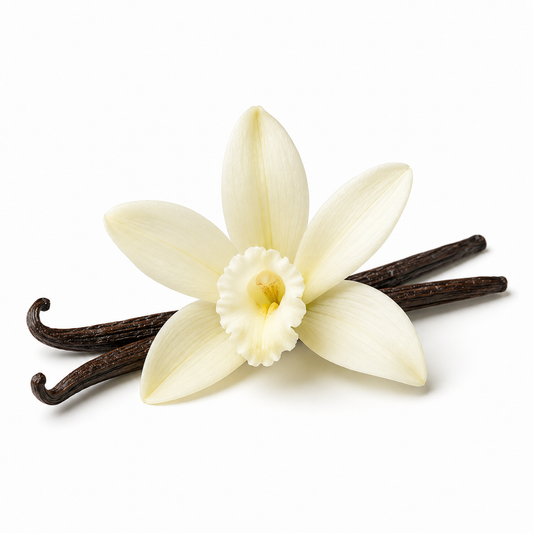
Vanilla Fragrance Oil
Regular price From Rs. 499.00Regular priceUnit price perRs. 1,000.00Sale price From Rs. 499.00Sale -

 50% OFF
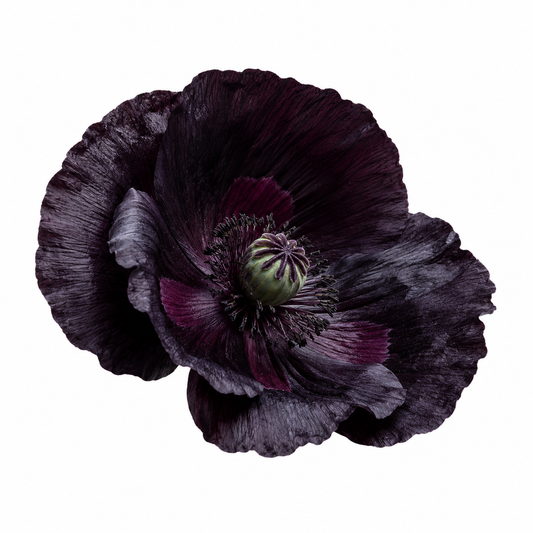
Black Opium Fragrance Oil
Regular price From Rs. 399.00Regular priceUnit price perRs. 800.00Sale price From Rs. 399.00Sale -

 50% OFF
Egyptian Musk Fragrance Oil
Regular price From Rs. 449.00Regular priceUnit price perRs. 900.00Sale price From Rs. 449.00Sale -

 50% OFF
Crystal Bulgaria Fragrance Oil
Regular price From Rs. 399.00Regular priceUnit price perRs. 800.00Sale price From Rs. 399.00Sale -

 50% OFF
Wild Musk Fragrance Oil
Regular price From Rs. 399.00Regular priceUnit price perRs. 800.00Sale price From Rs. 399.00Sale -

 37% OFF
Amber Romance Fragrance Oil
Regular price From Rs. 499.00Regular priceUnit price perRs. 800.00Sale price From Rs. 499.00Sale -

 50% OFF
Drakkaris Fragrance Oil
Regular price From Rs. 449.00Regular priceUnit price perRs. 900.00Sale price From Rs. 449.00Sale -

 50% OFF
Morning Bloom Fragrance Oil
Regular price From Rs. 449.00Regular priceUnit price perRs. 900.00Sale price From Rs. 449.00Sale -

 50% OFF
Bosky Eve Fragrance Oil
Regular price From Rs. 399.00Regular priceUnit price perRs. 800.00Sale price From Rs. 399.00Sale


Oriental Fragrances Warm and Exotic Scents for Candles, Diffusers and Home Care
Oriental fragrance oils are base-heavy, warm, resinous blends anchored on amber, musk, and sandalwood, with supporting notes like saffron, patchouli, rose, or oudh layered depending on the specific composition. RV Organica's oriental fragrances collection draws from Middle Eastern aromatic traditions and Indic attar and chandan culture, built for applications where intensity and tenacity are the point rather than a side effect — festive or luxury candle lines, reed diffusers for pooja rooms and living spaces, soap bars in gift sets, and grooming products that need more than generic sweetness.
What defines an oriental fragrance oil
"Oriental" in fragrance is a category descriptor, not a geography or certification. It refers to a scent family sitting at the opposite pole from fresh, aquatic, or citrus-forward profiles, defined by tenacity — oriental blends hold in wax, on skin, and in a room in a way that lighter profiles don't. That makes them a functional choice wherever short-lived freshness isn't the goal: a three-wick candle scenting a large room for hours, a luxury soap bar that still smells of sandalwood after weeks on a shelf, a personal care product carrying warmth into the evening.
"Oriental fragrance oil" is a description of scent character, not a verifiable claim about composition or purity. The documentation that actually confirms what's in a blend, and whether it's safe for a given application, is a COA (Certificate of Analysis) and an MSDS (Material Safety Data Sheet).
How oriental fragrance oils perform by application
Candles
Soy wax and paraffin handle oriental fragrance oils differently. In soy wax, heavier top notes in oudh and saffron blends often soften — cold throw reads as amber and sandalwood, warm and relatively clean — while the more complex layering emerges in hot throw as wax temperature rises. Paraffin gives stronger, more immediate cold throw, useful for retail samples but capable of making heavier oriental blends feel dense in a smaller room.
Fragrance load for most oriental oils in soy sits at 8 to 10 percent, though the exact ceiling depends on flash point, and testing before scaling matters, since saffron-heavy blends behave inconsistently across production batches. Curing is where most candle complaints originate — an amber or oudh candle without at least 48 hours of cure, with 72 hours safer, throws noticeably weaker than the same candle tested after proper curing. That's a crystallization issue in the wax, not a fragrance quality problem.
Diffusers and home use
Reed diffusers and electric diffusers don't behave the same way with oriental blends. Reed diffusers rely on capillary absorption, and viscous, base-heavy oils like musk and sandalwood travel up the reeds at a slower, steadier rate, giving consistent ambient warmth rather than sudden intensity — a good match for living rooms and pooja spaces. Electric diffusers heat and project the oil more directly, which means an undiluted heavy oriental blend like oudh or amber can feel overwhelming in a small or enclosed room; a 1:4 dilution in distilled water brings these blends to a more livable level.
For everyday devotional use, sandalwood and rose oriental blends tend to be more accepted than musk or patchouli-dominant profiles, likely due to chandan's traditional association with puja and animalic musks reading as personal fragrance rather than ritual fragrance.
Personal care
Two things matter here that don't get enough attention at the sourcing stage: skin safety dilution and base compatibility. For leave-on products, the standard guidance is 1 to 2 percent fragrance oil, lower than many buyers assume, particularly those used to working with essential oils in DIY contexts. The MSDS for a specific blend shows sensitization risks and applicable dilution limits, and checking it before finalizing a formula isn't optional in a commercial context.
Patchouli and amber blends are generally stable in cream, oil, and lotion bases. Saffron-forward blends are less predictable, sometimes causing yellowing in formulations with a significant water phase or slight morphing in high-pH environments. Testing in a representative base sample, rather than just smelling the neat oil, is worth the time before a production batch. For body oils and grooming products, musk and patchouli combinations offer good skin longevity and are among the more predictable warm oriental options.
Soap making
Cold process is the more demanding format, since saponification happens in a high-pH alkaline environment that puts fragrance under real chemical stress. Floral-heavy oriental blends with high proportions of rose or jasmine can accelerate trace sharply, shortening the working window, while sandalwood and amber perform more predictably. Musk-forward blends vary, and a small test batch with a reduced-water formulation is worth doing before scaling; oudh can go either way depending on the specific product.
In melt-and-pour, trace acceleration isn't a factor since no saponification occurs. Discoloration is the concern instead — saffron-based blends produce yellow-to-amber toning in white or clear soap bases, manageable if planned for but unpleasant as a surprise. Resinous oriental blends retain scent well through the cure period, with base notes deepening rather than fading, making them a stronger long-term option than citrus fragrance oils, which can be noticeably muted in a finished bar.
Pooja and devotional spaces
Sandalwood and rose hold a distinct place in South Asian devotional practice because certain aromatic profiles have come to signal ritual intention in ways other scents don't. Chandan specifically has been used in puja across India for centuries — as paste, as incense, and increasingly in modern homes as diffuser and candle fragrance for households practicing devotional rituals without the setup for traditional dhoop or agarbatti.
For candle or diffuser formulations aimed at this context, sandalwood-forward or rose-and-amber blends work well, while heavy patchouli or animalic musk profiles, designed more for personal grooming, don't translate easily to devotional use even if they technically qualify as oriental. Kesar chandan occupies an interesting middle ground, reading as festive and devotional in one context and premium and modern in another, which makes it one of the more commercially versatile oriental combinations in the Indian market.
Popular oriental fragrance oils and best uses
Oudh Twist Fragrance Oil — Unmodified oudh can run heavy and unapproachable for buyers who didn't grow up with it. This blend measures the twist so the resinous oudh character comes through clearly while staying balanced for modern candle and diffuser applications, with strong projection suited to luxury candle lines.
Amber Fragrance Oil — One of the more versatile base notes in oriental formulation, sweetening slightly, providing warmth, and extending the life of other notes layered above it. Reads smooth and uncomplicated on its own, useful as a standalone for personal care or as a blending base for more complex oriental profiles.
Egyptian Musk Fragrance Oil — Sits on the softer end of the musk spectrum, not aggressive or overtly animalic. Diffuses evenly and holds without dominating, making it most useful in reed diffusers for living spaces where background warmth is the goal rather than a statement scent.
Rose Fragrance Oil — In an oriental composition, rose works as contrast, lifting heavier base notes like amber, sandalwood, and oudh without taking over. Delivers a recognizable rose character that doesn't get buried in devotional blending or festive soap bars.
Saffron Fragrance Oil — Spiced but not spicy, earthy but not heavy, giving candles and soaps a slight sharpness in the top note that anchors the warm base beneath it. Needs watching in melt-and-pour and formulations with a significant water phase, where yellowing is a possibility.
Patchouli Fragrance Oil — Delivers grounding, earthiness, and skin or wax longevity where the application requires it. Most consistent in body oils and hair care; in candles, it works better blended with sandalwood or amber in smaller quantities than as a solo note in a closed room.
Sandalwood Fragrance Oil — Probably the most commercially anchored oriental note in the Indian market, reading across devotional (puja candles, temple-inspired diffusers), modern luxury (high-end personal care), and heritage-adjacent (attar-influenced) contexts. Creamy rather than sharp, blends cleanly with nearly everything else in the category, and holds one of the better scent-retention rates in cold process soap.
Browse all fragrance oils at RV Organica for additional warm, resinous, and layered aromatic blends.
How to choose the right oriental fragrance oil
Application comes first, but rarely the only variable. Devotional and puja candles generally need something rooted — sandalwood, rose, or kesar chandan. Luxury retail candle lines can carry more complex profiles like oudh-amber or saffron-patchouli. Home diffusers work best with musk and sandalwood rather than heavily resinous blends unless the space is large, and personal care formulations have to prioritize skin safety data alongside scent character, since these aren't the same decision.
"Purity" is unverifiable without documentation — the COA shows composition and purity levels, while the MSDS covers safety parameters for the specific application, and both should be requested before ordering at any meaningful volume. Batch consistency is the less-discussed quality factor: a single sample tells enough for product testing, but production at scale needs confirmation that the blend performs consistently across lots, since variations barely detectable in a 1kg test batch become significant at 20kg or 100kg.
Storage matters more than many buyers account for. Oriental fragrance oils should be kept in amber glass or HDPE containers, sealed, away from direct sunlight and heat. Across March through June in the plains, and during humid monsoon months in coastal regions, poorly stored oils can lose top note clarity within weeks even if the base character survives. Vinay can review RV Organica's oriental fragrance oil range directly and confirm batch-testing details before placing a production order. Compatibility testing isn't optional either — a bench test with the actual wax or base, at the planned fragrance load and ambient temperature, gives information no supplier can provide in advance, since a result at 25°C in November may not hold at 38°C in May.
About RV Organica
RV Organica supplies fragrance oils, essential oils, carrier oils, and related formulation materials to manufacturers, soap brands, and candle makers across India. Orders are accompanied by COA and MSDS documentation for every product, packaging runs from small sample quantities through to bulk production sizes, and all fragrance oils are batch-tested before dispatch.
Frequently asked questions
What does "oriental" mean in fragrance oil terminology? It's a category descriptor for base-heavy, warm, resinous scent profiles anchored on amber, musk, and sandalwood — not a geography, certification, or verifiable purity claim. Documentation like a COA and MSDS is what actually confirms composition.
Why does an oudh or amber candle smell weak right after pouring? The fragrance hasn't fully embedded in the wax yet. A minimum cure of 48 hours, with 72 hours being safer, is needed before hot throw reaches its actual strength — this is a wax crystallization issue, not a fragrance defect.
Are oriental fragrance oils safe to use undiluted in electric diffusers? Generally not recommended for heavy blends like oudh or amber, since electric diffusers project scent more directly than reed diffusers. A 1:4 dilution in distilled water typically brings these blends to a more livable concentration for enclosed rooms.
Do oriental fragrance oils accelerate trace in cold process soap? It depends on the blend. Floral-heavy oriental compositions with high rose or jasmine content can accelerate trace sharply, while sandalwood and amber tend to perform more predictably. A small test batch is recommended before scaling any new blend.
What's the standard dilution for oriental fragrance oils in leave-on personal care products? Typically 1 to 2 percent, which is lower than many buyers expect coming from essential oil use. The MSDS for the specific blend should be checked for sensitization risks and exact dilution limits before finalizing a formula.
- Choosing a selection results in a full page refresh.
- Opens in a new window.