
Essential Oils For Diffusers
Buy Essential Oils For Diffusers in Bulk
-

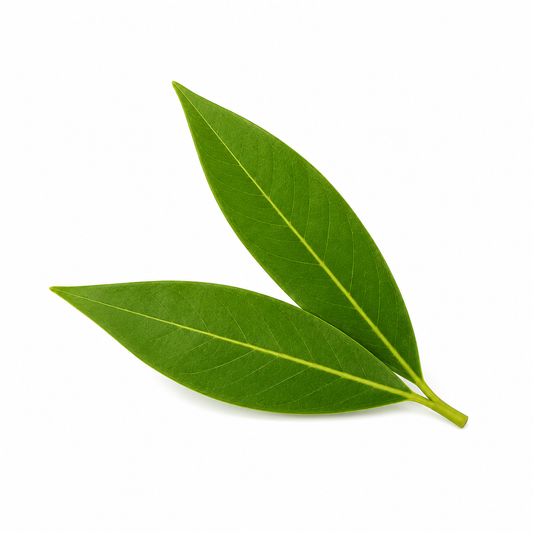 43% OFF
Cajeput Essential Oil
Regular price From Rs. 399.00Regular priceUnit price perRs. 700.00Sale price From Rs. 399.00Sale -

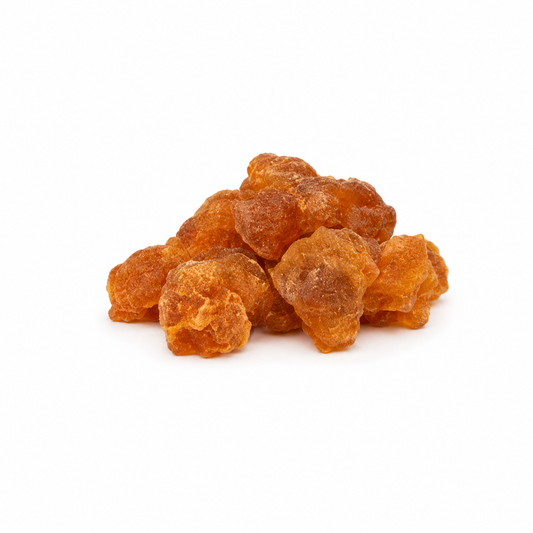 28% OFF
Gurjun Balsam Essential Oil
Regular price From Rs. 499.00Regular priceUnit price perRs. 700.00Sale price From Rs. 499.00Sale -

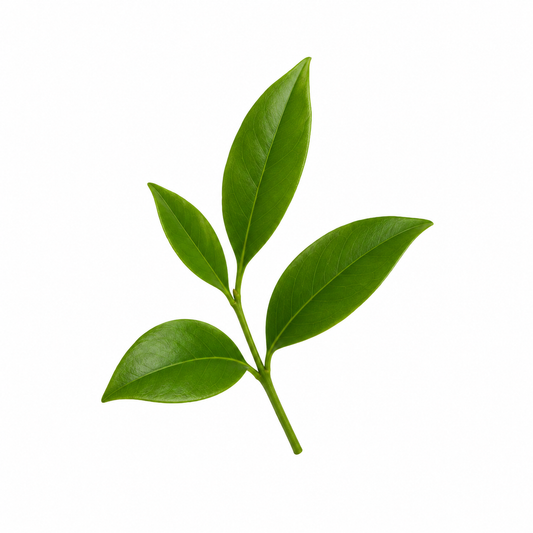 0% OFF
Elemi Essential Oil
Regular price From Rs. 699.00Regular priceUnit price perRs. 700.00Sale price From Rs. 699.00Sale -

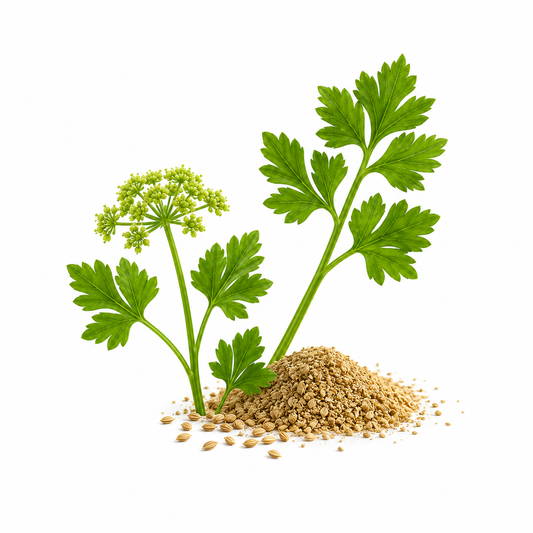 53% OFF
Celery Seed Essential Oil
Regular price From Rs. 649.00Regular priceUnit price perRs. 1,400.00Sale price From Rs. 649.00Sale -

 48% OFF
Buchu Essential Oil
Regular price From Rs. 4,099.00Regular priceUnit price perRs. 8,000.00Sale price From Rs. 4,099.00Sale


About Essential Oils For Diffusers

Aromatherapy Oil for Diffuser
Quick answer: Diffuser oils fall into three types: pure essential oils, pre-blended aroma mixes for goals like sleep or focus, and fragrance oils built for stronger room scent without therapeutic claims. For an ultrasonic diffuser, start with 3 to 5 drops per 100ml of water and run it in 30 to 60 minute cycles in a ventilated room. Keep diffusion lighter around infants, pets, and anyone with asthma, and ask for GC-MS and COA documentation on bulk orders.
RV Organica is an essential oil manufacturer based in Panipat, Haryana, India, sourcing and distilling diffuser-ready essential oils from herb farms across the country. Diffuser oil isn't one product category - it covers pure essential oils, purpose-blended aroma mixes, and scented fragrance oils, and the three behave differently. Pure essential oils carry actual physiological effects backed by research, though usually softer at home-diffuser dilution than lab studies suggest. Blended oils are pre-worked-out ratios for a specific goal like sleep or focus. Fragrance oils are built for stronger, longer-lasting ambient scent and aren't therapeutic, which is fine when the goal is just making a room smell good.
Browse the full aromatherapy oil for diffuser collection to see what's currently in stock.
What Is Included in the Aromatherapy Diffuser Oils Collection?
As an essential oil manufacturer in India, RV Organica processes every batch at its own Panipat, Haryana facility, with GC-MS and COA documentation available on request for bulk and trade orders. Sizes run from 10ml for home users testing a new blend, up to 1 litre for spas, retailers, and trade buyers running diffusers continuously across multiple rooms.
Knowing which of the three diffuser categories you're buying matters more than most people realize. A pure essential oil bought expecting fragrance-oil-level scent throw will seem weak by comparison, and a fragrance oil bought expecting the calming effect of true lavender won't deliver it, since it isn't built to. RV Organica labels each product by category, so a buyer formulating a sleep blend isn't accidentally working with scent-only fragrance oil, and a buyer wanting strong, lasting ambient fragrance isn't paying essential-oil prices for something that fades in twenty minutes.
The diffuser type also affects how an oil performs once it's in the tank. Ultrasonic diffusers, the most common type in Indian homes, use water and vibration to disperse the oil as a fine mist, which is gentle enough for daily use but does dilute the oil somewhat compared to a nebulizing diffuser that disperses pure, undiluted oil directly into the air. Nebulizing diffusers run through oil faster and produce a stronger scent for the same drop count, so the ratios in this guide - built around a standard 200-300ml ultrasonic tank - should be scaled down for a nebulizing unit rather than used as-is.
How Do You Use Diffuser Oils for Sleep, Focus, and Pooja Blends?
Each goal calls for a different ratio and a different diffusion window, and running the wrong combination for too long is usually what turns a good blend into a headache instead of the intended effect.
Sleep. Run 4 drops lavender, 3 drops cedarwood, and 2 drops chamomile in a standard 200-300ml ultrasonic diffuser for 20 to 30 minutes before bed, not overnight.
Pooja and meditation. Use 4 drops sandalwood, 3 drops frankincense, and 2 drops rose in a 200ml tank, run for 15 to 20 minutes before the ritual starts rather than during it, especially if agarbatti or diyas are also burning in the same space.
Focus. Run 4 drops peppermint, 3 drops rosemary, and 2 drops lemon, starting at the lower end of the dosage. Peppermint past 8 to 10 drops in a sealed room turns from alertness into something closer to a sinus flush.
Freshening indoor spaces. Use 4 drops lemongrass, 3 drops sweet orange, and 2 drops eucalyptus in 15 to 20 minute sessions rather than continuous diffusion, which keeps it from becoming aggressive in concentration.
Morning uplift. Citrus oils like sweet orange, grapefruit, and lemongrass work well for 15 minutes in common spaces. They clear quickly, which makes them better suited to mornings than to a room you're trying to wind down in later.
What Is the Right Diffuser Dosage and What Safety Notes Apply?
Every blend in this guide is built around the same products listed in the RV Organica diffuser oils collection, so the drop counts and ratios above translate directly to what's available to buy. Drop count and session length matter more for diffusers than for almost any other essential oil application, because a closed room concentrates whatever's diffused into it rather than letting it dissipate the way an open space would. Air-conditioned and sealed rooms - common through summer afternoons and winter nights alike - build up concentration faster than the same drop count would in a ventilated space, which is why most blends in this collection are scoped to 15 to 30 minute sessions rather than continuous running.
Stimulating oils like peppermint and eucalyptus are the ones most likely to cause problems if overused. At the recommended dosage, peppermint supports focus; pushed past 8 to 10 drops in a sealed room, it shifts toward sinus irritation rather than alertness. The same goes for running eucalyptus or peppermint overnight in a sealed bedroom - instead of supporting sleep, it tends to produce headaches by morning. Sticking to the recommended drop counts and session windows is what keeps a blend doing its job rather than working against it.
Which Diffuser Oil Is Best for Each Season in India?
Summer (March to June). Citrus-led blends suit the season best - sweet orange, grapefruit, and lemongrass move through a room quickly without lingering, which works well for common spaces in the heat. Peppermint and rosemary focus blends are also useful for daytime alertness, but keep sessions short since closed, air-conditioned rooms concentrate the oil faster than an open one would.
Monsoon (June to September). Lemongrass is the practical pick through these months, since it cuts through the staleness and humidity buildup in closed, monsoon-shut rooms without leaving a heavy lingering note. This is also the season to keep storage tight - lids fully closed and bottles away from direct light, since humidity speeds up oxidation.
Winter (October to February). This is when most Indian bedrooms stay sealed through the night, so sleep blends need shorter diffusion windows rather than longer ones - lavender, cedarwood, and chamomile for 20 to 30 minutes work better than running anything overnight, and eucalyptus or peppermint at night in a sealed room tends to produce headaches rather than better sleep. Sandalwood, frankincense, and vetiver suit the cooler, grounding mood of the season well for evening meditation or pooja use.
| Season | Best oils | Why |
|---|---|---|
| Summer | Sweet Orange, Grapefruit, Lemongrass, Peppermint | Volatile citrus clears fast in heat; short sessions suit closed AC rooms |
| Monsoon | Lemongrass | Cuts humidity-driven mustiness in closed, monsoon-shut rooms |
| Winter | Lavender, Cedarwood, Chamomile, Sandalwood, Frankincense, Vetiver | Sealed-room sleep blends need shorter windows; grounding oils suit cooler evenings |
Should You Choose Essential Oil, Blended Oil, or Fragrance Oil for a Diffuser?
The right product depends on what the diffuser session is actually for. A pure single-note essential oil - lavender or eucalyptus, for instance - gives the most control, since drop counts can be adjusted precisely for a specific physiological effect like calming or clearing congestion. A pre-worked-out blended oil saves the trial and error of building a sleep or focus ratio from scratch, which is useful for anyone who wants the result without formulating it themselves. A fragrance oil is the right call when the goal is purely ambient - making a living room or shop smell pleasant for guests - and there's no expectation of a therapeutic outcome attached to it. All three are available across the diffuser oils collection, labelled clearly so the choice is straightforward rather than guesswork.
What Are Common Mistakes When Using Diffuser Oils?
Running a diffuser continuously instead of in 15 to 30 minute sessions is the most common mistake across every blend in this guide, and it's usually what turns a beneficial oil into one that causes headaches or irritation by the end of the day. Treating sleep blends as safe to run overnight is a closely related error - even calming oils like lavender are scoped to a 20 to 30 minute pre-bed window rather than continuous diffusion through the night. Pushing stimulating oils like peppermint past the recommended drop count, expecting a stronger effect, usually backfires into sinus discomfort instead of better focus. Storing bottles without fully closing the lid, particularly through monsoon months, accelerates oxidation and shortens how long an oil stays effective - tight, light-away storage matters more in humid conditions than it does the rest of the year.
Why Does Documentation Matter for Diffuser Oil Buyers?
Diffuser oils sit closer to the body's respiratory system than most other essential oil applications, since they're inhaled directly rather than applied to skin, which makes sourcing transparency particularly relevant here. GC-MS documentation confirms the actual chemical composition of a batch rather than relying on the label alone, and it's what distinguishes a genuine essential oil from a diluted or partially synthetic substitute being sold under the same name. For trade and bulk buyers building diffuser products or spa programs around specific blends, this consistency is what keeps a recipe reproducible across repeat orders rather than drifting batch to batch.
Whether you're running a single diffuser at home or sourcing in bulk for a spa or retail line, every oil in this collection is processed at RV Organica's Panipat, Haryana facility, with GC-MS and COA documentation available on request. Browse current stock and pricing on the RV Organica diffuser oils page before placing an order.
- Choosing a selection results in a full page refresh.
- Opens in a new window.
