
Floral waters
Buy PureFloral watersOnline in India - Bulk & Wholesale
Buy Floral waters in Bulk
-

 46% OFF
Sandalwood Hydrosol
Regular price From Rs. 639.00Regular priceUnit price perRs. 1,200.00Sale price From Rs. 639.00Sale -


Frankincense Hydrosol
Regular price From Rs. 839.00Regular priceUnit price perRs. 400.00Sale price From Rs. 839.00 -

 49% OFF
Coffee Hydrosol
Regular price From Rs. 709.00Regular priceUnit price perRs. 1,400.00Sale price From Rs. 709.00Sale -

 49% OFF
Rosemary Hydrosol
Regular price From Rs. 709.00Regular priceUnit price perRs. 1,400.00Sale price From Rs. 709.00Sale -
 11% OFF
Rose Floral Water
Regular price From Rs. 709.00Regular priceUnit price perRs. 799.00Sale price From Rs. 709.00Sale -


Rose Hip Hydrosol
Regular price From Rs. 709.00Regular priceUnit price perRs. 400.00Sale price From Rs. 709.00 -


Lemongrass Hydrosol
Regular price From Rs. 639.00Regular priceUnit price perRs. 400.00Sale price From Rs. 639.00 -

 46% OFF
Lavender Hydrosol
Regular price From Rs. 639.00Regular priceUnit price perRs. 1,200.00Sale price From Rs. 639.00Sale -

 49% OFF
Cucumber Hydrosol
Regular price From Rs. 709.00Regular priceUnit price perRs. 1,400.00Sale price From Rs. 709.00Sale -

 49% OFF
Clove Hydrosol
Regular price From Rs. 709.00Regular priceUnit price perRs. 1,400.00Sale price From Rs. 709.00Sale -


Orange Hydrosol
Regular price From Rs. 709.00Regular priceUnit price perRs. 400.00Sale price From Rs. 709.00 -

 49% OFF
Tea Tree Hydrosol
Regular price From Rs. 709.00Regular priceUnit price perRs. 1,400.00Sale price From Rs. 709.00Sale -


Olive Leaf Hydrosol
Regular price From Rs. 709.00Regular priceUnit price perRs. 400.00Sale price From Rs. 709.00 -


Papaya Leaf Hydrosol
Regular price From Rs. 639.00Regular priceUnit price perRs. 300.00Sale price From Rs. 639.00 -


Patchouli Hydrosol
Regular price From Rs. 709.00Regular priceUnit price perRs. 300.00Sale price From Rs. 709.00 -
 50% OFF
Neem Hydrosol
Regular price From Rs. 699.00Regular priceUnit price perRs. 1,400.00Sale price From Rs. 699.00Sale -
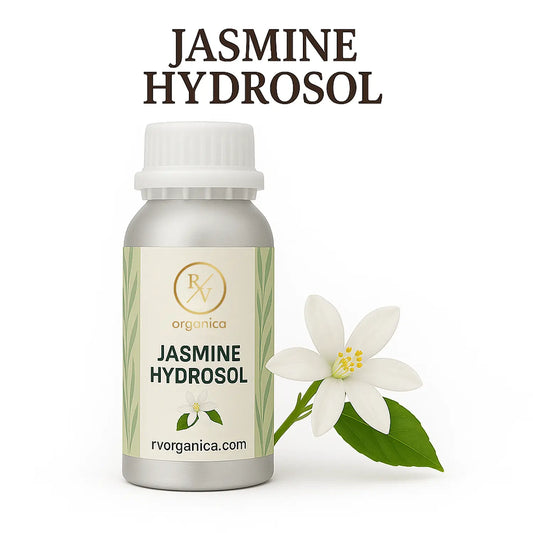

Jasmine Hydrosol
Regular price From Rs. 1,062.00Regular priceUnit price perRs. 400.00Sale price From Rs. 1,062.00 -


Helichrysum Hydrosol
Regular price From Rs. 639.00Regular priceUnit price perRs. 300.00Sale price From Rs. 639.00 -

Lemon Hydrosol
Regular price From Rs. 709.00Regular priceUnit price perRs. 400.00Sale price From Rs. 709.00 -


Peppermint Hydrosol
Regular price From Rs. 709.00Regular priceUnit price perRs. 400.00Sale price From Rs. 709.00


- Choosing a selection results in a full page refresh.
- Opens in a new window.