
Fragrance Oils for Candle Making
Buy Fragrance Oils for Candle Making in Bulk
-

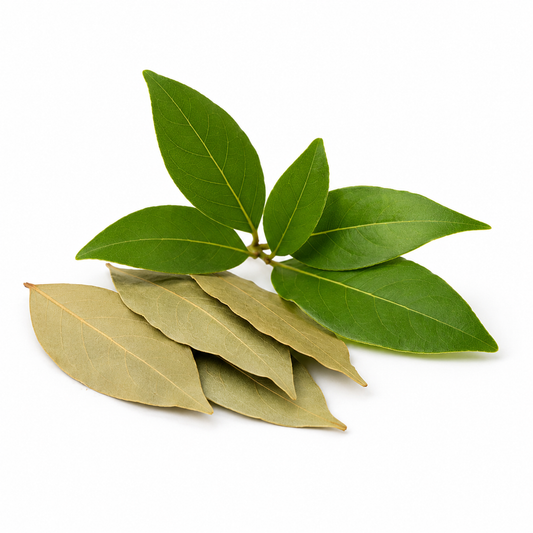 55% OFF
Bay Rum Fragrance Oil
Regular price From Rs. 449.00Regular priceUnit price perRs. 1,000.00Sale price From Rs. 449.00Sale -

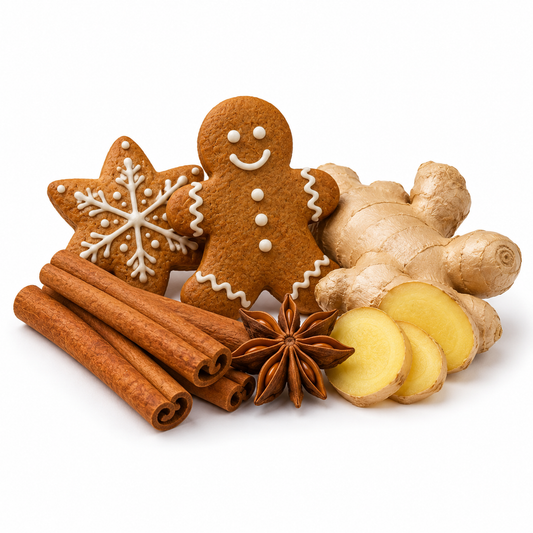 50% OFF
Gingerbread Fragrance Oil
Regular price From Rs. 399.00Regular priceUnit price perRs. 800.00Sale price From Rs. 399.00Sale -

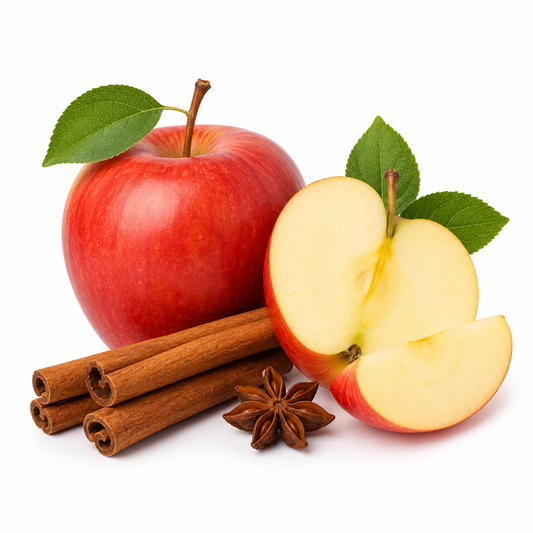 50% OFF
Spicy Apple Pie Fragrance Oil
Regular price From Rs. 349.00Regular priceUnit price perRs. 700.00Sale price From Rs. 349.00Sale -

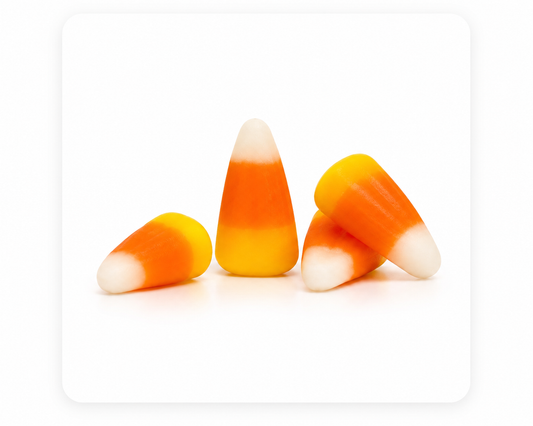 50% OFF
Candy Corn Fragrance Oil
Regular price From Rs. 399.00Regular priceUnit price perRs. 800.00Sale price From Rs. 399.00Sale -
 28% OFF
Bayberry Fragrance Oil
Regular price From Rs. 499.00Regular priceUnit price perRs. 700.00Sale price From Rs. 499.00Sale


About Fragrance Oils for Candle Making

Candle Fragrance Oils For Home, Diwali Gifting and Commercial Production
Quick answer: Candle fragrance oils are formulated to stay stable through melting and burning. Choose an oil with a flash point above your wax's working temperature, generally above 65 to 70 degrees Celsius for soy and paraffin. Add fragrance at the temperature your wax supplier recommends, commonly around 80 to 85 degrees Celsius, at 6 to 10 percent load, and let soy candles cure for about one to two weeks before testing hot throw.
Candle fragrance oils are aromatic compounds specifically formulated to remain stable through the wax melting and burning process. RV Organica's candle fragrance oils collection spans home décor, Diwali gifting, pooja collections, and production-scale candle making, with options selected for how they perform in soy, paraffin, and blended wax rather than just how they read on a label.
What Defines a Candle Fragrance Oil?
The defining factor is flash point. A candle fragrance oil should have a flash point above the working temperature of the wax - for most soy and paraffin formulations, that means above 65 to 70°C. Below that threshold, there are genuine handling risks during pouring, not just theoretical ones.
Candle fragrance oils aren't interchangeable with essential oils for this use. Essential oils can work at low concentrations, but their volatility means the scent dissipates faster during burning, making consistent hot throw across a production batch harder to achieve. For commercial and semi-commercial production, fragrance oils are more predictable.
The term "natural fragrance oil for candles" describes origin, not a regulated standard - even oils marketed as natural typically contain both naturally derived and synthetic components. What actually tells you what's in the bottle is documentation, specifically COA and MSDS, not the word natural on a label.
What Affects Candle Fragrance Performance?
Fragrance load and wax compatibility
Fragrance oils behave differently across wax types. Soy wax typically takes 6 to 9 percent fragrance load well, while paraffin handles 8 to 10 percent. These aren't hard maximums - they're the range within which fragrance stays bound to the wax rather than migrating to the surface. Going above the upper limit doesn't produce stronger scent; it usually produces a sweating or greasy surface appearance and, in some cases, inconsistent burn.
Vanilla, sandalwood, and lavender perform consistently in both paraffin and soy at standard load, though the real variable is often the wax itself - the same fragrance oil from the same batch can behave differently in soy wax from two different manufacturers. Discoloration, frosting, and fragrance bleed are usually wax compatibility issues rather than quality defects in the oil.
Soy candle fragrance oils and cure time
Soy candle fragrance oils need adequate time to bond with the wax after pouring, with most soy wax formulations requiring 48 to 72 hours of curing before hot throw reaches its actual strength. A candle evaluated the same day it's poured will smell noticeably weaker than the same candle tested three days later - this is the most common source of unnecessary reformulation, since people often increase fragrance load in response to weak scent measured too early.
Lavender, jasmine, and sandalwood bind particularly well in soy blends and reward the full cure time. At 7 percent in soy with a full 72-hour cure, these fragrances produce a controlled, even throw that stays steady through the burn cycle rather than peaking early and going flat within an hour.
What "non-toxic" actually means on a label
"Non-toxic" has no regulated definition in India or globally, so while it appears frequently in candle fragrance marketing, it doesn't tell you much on its own. What actually addresses the safety question is MSDS documentation, covering flash point data, composition, and handling requirements directly relevant to both production conditions and end-consumer use.
IFRA compliance is the more specific thing to look for. IFRA guidelines set concentration limits for individual aromatic compounds, and blends formulated within these limits carry lower risk of respiratory irritation during extended burn sessions in enclosed spaces - relevant both at the pouring stage and for consumers burning candles in bedrooms or small rooms. Rose, lemongrass, and vanilla are standard options for wellness-focused and indoor candle ranges when sourced with proper batch documentation.
Natural fragrance oils with soy and beeswax
For producers working with natural wax bases - soy, beeswax, or blends - fragrance oils with plant-derived aromatic compounds tend to integrate more smoothly than fully synthetic profiles. Sandalwood, jasmine, and citrus-based options diffuse cleanly in these wax types and suit the clean-label positioning eco-conscious and wellness candle ranges often require. The caveat: "natural fragrance oil" doesn't mean allergen-free or unconditionally safe, since some naturally derived compounds are sensitizers. Documentation remains the only reliable way to know what's in an oil and at what concentration.
Which Candle Fragrance Oil Is Best for Each Use Case?
For home use, the best option delivers balanced projection without overwhelming a room. Lemongrass, vanilla, and lavender are the most-used choices for daily home fragrance, not because they're the most interesting options but because their throw is predictable and doesn't fatigue the senses after a two to three hour burn session. Keeping fragrance load at 6 to 7 percent tends to work better than pushing toward maximum load for bedrooms and smaller living spaces.
For festive gifting - Diwali and pooja collections - oudh, chandan (sandalwood), and rose have been central to Indian ritual fragrance for centuries, and their use in candle form is a translation of that tradition rather than a trend. A lighter concentration around 6 to 7 percent tends to suit pooja settings better than maximum load, aiming for subtle ambient presence rather than a strong fragrance statement. For Diwali corporate gift sets, batch consistency is the consideration that often gets overlooked - a gifting set where individual candles smell noticeably different from each other undermines the presentation regardless of how well any single unit performs.
Which Candle Fragrance Oils Are Most Popular?
Vanilla Fragrance Oil - One of the more forgiving options for anyone starting out in candle production. Holds well in both paraffin and soy at standard load (7 to 8 percent), producing reliable hot throw without becoming overpowering in medium-sized rooms. Works across everyday home candles and Diwali gifting sets where broad appeal is the brief.
Sandalwood Fragrance Oil - Chandan's woody-resinous base diffuses slowly and cleanly, suiting pooja settings and premium home fragrance lines. In soy wax it performs better at slightly lower fragrance loads (6 to 7 percent); pushed above 9 percent, the character shifts heavier and less refined.
Lavender Fragrance Oil - The obvious starting point for a sleep or wellness candle range, largely because of consistent performance rather than novelty. Hot throw in soy wax is reliable without requiring precision on fragrance load, and at 7 percent with a full 72-hour cure it produces a soft background scent that doesn't compete with itself.
Rose Fragrance Oil - Rich and distinctly floral, an excellent fit for wedding candles, celebration sets, and premium gifting, though less suited to everyday home fragrance where subtler profiles tend to work better. Holds in blended wax at standard concentration.
Lemongrass Fragrance Oil - Where sandalwood and vanilla add depth and warmth, lemongrass does the opposite, making a room feel clean and open rather than cosy. Performs well in paraffin and soy, maintains clarity after curing, and suits modern and wellness-focused candle lines, though projection is sharper than its category neighbors, so smaller rooms need a lower fragrance load.
Oudh Twist Fragrance Oil - Deep, resinous, and complex enough to hold its character through multiple burn cycles. Earns its place in premium Diwali gift sets and luxury home fragrance lines meant to be burned over weeks rather than days, though lower-grade paraffin can mute the base notes.
Jasmine Fragrance Oil - Projects across most wax types without much coaxing, and at maximum fragrance load in a small room it becomes assertive in a way that's exactly the point for spa-inspired and luxury candle lines positioning jasmine as the primary fragrance statement. For blended or background applications, keeping the load at the lower end works better.
Browse the full candle fragrances collection for the complete range.
How Do You Choose the Right Candle Fragrance Oil?
The most common sourcing error is evaluating fragrance oils purely on cold throw - how they smell in the bottle or on a scent strip. Hot throw, the scent diffusion that actually happens during burning, can differ significantly, so testing in the actual wax blend before committing to a bulk purchase matters more than the initial sniff test.
Documentation to request is COA and MSDS. A COA documents composition; an MSDS contains flash point data, safety information, and storage and handling requirements. Suppliers who can't produce both aren't equipped for commercial supply relationships. IFRA compliance matters for any fragrance going into a product sold to consumers, since it confirms the blend is formulated within established safety limits for aromatic compounds.
Storage in Indian conditions deserves specific attention - Northern India's April to June heat regularly pushes ambient temperatures above 40°C, and fragrance oils stored without climate control in these conditions degrade faster than shelf life estimates account for. Dark glass or aluminium containers, away from direct light and heat sources, make a material difference, particularly for bulk stock held through summer before Diwali production runs.
For bulk sourcing, the questions worth asking a supplier directly are specific: what's the flash point range across batches, is fragrance load consistent batch-to-batch, and can IFRA compliance documentation be provided alongside COA and MSDS. Browse candle fragrance oils with this documentation built into every order rather than requested separately.
About RV Organica
RV Organica supplies candle fragrance oils with COA and MSDS documentation provided with every order. Products are available in multiple packaging sizes, from sample quantities through to large-batch supply, with dispatch from Panipat, Haryana, and all commercial and bulk orders include batch documentation as standard.
Frequently asked questions
What flash point should a candle fragrance oil have? Above the working temperature of the wax - generally above 65 to 70°C for most soy and paraffin formulations. Below that threshold, pouring conditions carry real handling risks, not just theoretical ones.
Why does a candle smell weaker on the day it's poured than a few days later? Soy candle fragrance oils need 48 to 72 hours to fully bond with the wax after pouring. Testing hot throw too early is the most common reason people mistakenly increase fragrance load when the fragrance simply hasn't finished curing.
Does "non-toxic" on a candle fragrance oil label mean anything specific? No - the term has no regulated definition in India or globally. MSDS documentation and IFRA compliance are what actually confirm flash point, composition, and safety limits for aromatic compounds.
How much fragrance oil should go into soy wax versus paraffin? Soy wax typically takes 6 to 9 percent fragrance load well, while paraffin handles 8 to 10 percent. Exceeding these ranges doesn't add scent - it usually causes a sweating or greasy surface and inconsistent burn.
Which candle fragrance oils work best for Diwali and pooja collections? Oudh, sandalwood (chandan), and rose are the traditional choices, generally used at a lighter 6 to 7 percent concentration in pooja settings for a subtle ambient presence rather than a strong fragrance statement.
- Choosing a selection results in a full page refresh.
- Opens in a new window.
