
Scalp Massage Oil
Buy Scalp Massage Oil in Bulk
-

 50% OFF
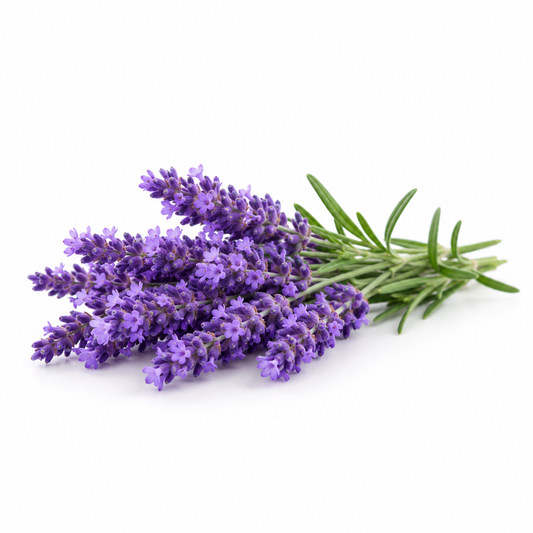
Lavender Essential Oil
Regular price From Rs. 449.00Regular priceUnit price perRs. 899.00Sale price From Rs. 449.00Sale -
 50% OFF
Golden Jojoba Oil
Regular price From Rs. 399.00Regular priceUnit price perRs. 800.00Sale price From Rs. 399.00Sale -

 12% OFF
Rosemary Hair Oil for Hair Growth
Regular price From Rs. 349.00Regular priceUnit price perRs. 399.00Sale price From Rs. 349.00Sale -
 50% OFF
Sweet Almond Oil
Regular price From Rs. 299.00Regular priceUnit price perRs. 600.00Sale price From Rs. 299.00Sale -

 10% OFF
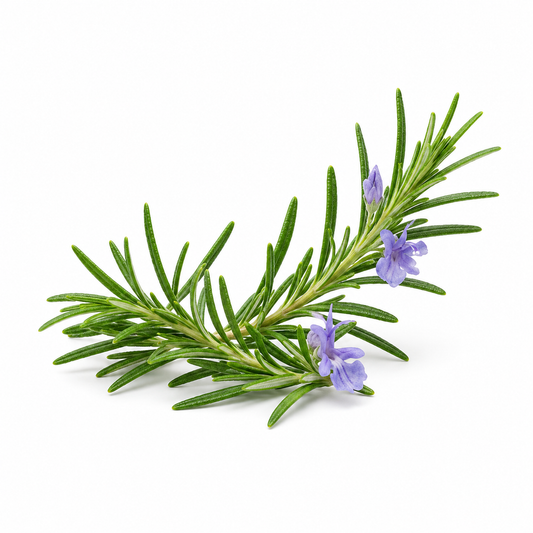
Rosemary Essential Oil
Regular price From Rs. 449.00Regular priceUnit price perRs. 500.00Sale price From Rs. 449.00Sale -

 11% OFF
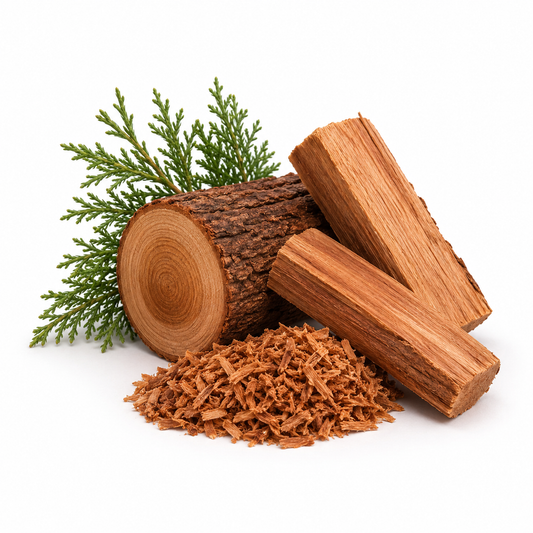
Cedarwood Essential Oil
Regular price From Rs. 399.00Regular priceUnit price perRs. 450.00Sale price From Rs. 399.00Sale -

 25% OFF
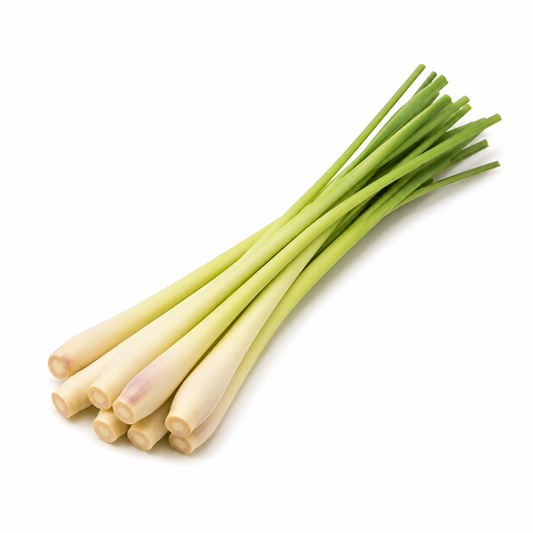
Lemongrass Essential Oil
Regular price From Rs. 449.00Regular priceUnit price perRs. 599.00Sale price From Rs. 449.00Sale -

 30% OFF
Eucalyptus Essential Oil
Regular price From Rs. 449.00Regular priceUnit price perRs. 650.00Sale price From Rs. 449.00Sale -
 50% OFF
Argan Carrier Oil
Regular price From Rs. 399.00Regular priceUnit price perRs. 800.00Sale price From Rs. 399.00Sale -

 12% OFF
Batana Oil for Hair Thickening – 100% Pure
Regular price From Rs. 349.00Regular priceUnit price perRs. 399.00Sale price From Rs. 349.00Sale -
 48% OFF
Castor Carrier Oil
Regular price From Rs. 519.00Regular priceUnit price perRs. 1,000.00Sale price From Rs. 519.00Sale -

 37% OFF
Clary Sage Essential Oil
Regular price From Rs. 499.00Regular priceUnit price perRs. 800.00Sale price From Rs. 499.00Sale -
 50% OFF
Wheat Germ Oill
Regular price From Rs. 199.00Regular priceUnit price perRs. 400.00Sale price From Rs. 199.00Sale -
 50% OFF
Pumpkin Seed Carrier Oil
Regular price From Rs. 399.00Regular priceUnit price perRs. 800.00Sale price From Rs. 399.00Sale -
 51% OFF
Jamaican Black Castor Oil
Regular price From Rs. 289.00Regular priceUnit price perRs. 600.00Sale price From Rs. 289.00Sale -

 25% OFF
Spearmint Essential Oil
Regular price From Rs. 449.00Regular priceUnit price perRs. 600.00Sale price From Rs. 449.00Sale -

 12% OFF
Tea Tree Hair Oil for Scalp Health – 100% Pure
Regular price From Rs. 349.00Regular priceUnit price perRs. 399.00Sale price From Rs. 349.00Sale -
 33% OFF
Coconut Carrier Oil
Regular price From Rs. 200.00Regular priceUnit price perRs. 300.00Sale price From Rs. 200.00Sale -

 78% OFF
Vetiver Essential Oil
Regular price From Rs. 1,299.00Regular priceUnit price perRs. 6,000.00Sale price From Rs. 1,299.00Sale -
 50% OFF
Tamanu Carrier Oil
Regular price From Rs. 349.00Regular priceUnit price perRs. 700.00Sale price From Rs. 349.00Sale


About Scalp Massage Oil

Scalp Oils: Natural Nourishment for Scalp Care & Hair Strength
Quick answer: Scalp oils are cold-pressed carrier oils chosen for scalp application by composition and weight. Castor suits a weekly deep massage on a dry scalp, lighter oils such as jojoba and grapeseed suit oily scalps and humid months, and oils blended with diluted tea tree or rosemary are used for dandruff and growth support. Massage 5 to 10ml into the scalp with fingertips for 5 minutes, leave at least 30 minutes, and wash.
Most scalp problems come down to something specific: the wrong oil for the wrong scalp type, applied with no real attention to the concern. A thick castor treatment that works well for someone doing a weekly deep-massage routine on a dry scalp in December would feel heavy and counterproductive on an oily scalp in July. This scalp massage oil collection is part of RV Organica's hair oils range, focused specifically on targeted scalp care - growth support, dryness control, and dandruff management. All oils here are cold pressed, which matters because heat processing degrades the fatty acid profiles that make scalp application worthwhile in the first place.
What Are Scalp Oils?
Carrier oils marketed for scalp use aren't chemically separate from other carrier oils - what makes a good scalp oil is composition, molecular weight, and application intent. Oil scalp massage as a practice works partly because of the mechanical act itself: regular scalp massage increases local circulation and improves nutrient delivery to hair follicles. The oil is partly a vehicle for that action. Not just a conditioning layer.
What the fatty acid profile actually tells you: ricinoleic-dominant oils (castor) are anti-inflammatory and penetrating in a way other carriers aren't. Oils close to sebum composition (jojoba) absorb without building up. Oleic-heavy oils (coconut, sweet almond) work better for dry scalp conditions that need sustained moisture.
One thing worth saying plainly: "therapeutic grade" and "pure" are unregulated phrases in India. They appear on labels because they're persuasive, not because they carry any legal or technical standard. A batch-level COA showing fatty acid profile and heavy metal testing is what actually tells you whether an oil is worth using. Labels do not.
What Are the Benefits of Scalp Massage Oil?
The case for scalp massage oil splits into two separate arguments - mechanical and compositional - and they're worth distinguishing because they have different levels of evidence behind them.
The mechanical benefits of regular scalp massage (improved circulation, potential micro-stimulation of dermal papillae) are well-supported and apply regardless of which oil you use. A 2016 standardized study found that 4 minutes of daily scalp massage over 24 weeks produced measurable increases in hair thickness - no particular oil was required. The compositional benefits vary significantly by oil type, scalp condition, and how the oil is used.
Oil for Scalp Hair Growth
No carrier oil has been shown to independently stimulate new follicle growth in healthy tissue - that's a claim most product marketing makes without evidence to support it. What oils can realistically do: support the scalp conditions in which existing follicles function better, reduce inflammation that contributes to hair loss, and in castor oil's case, there's preliminary evidence pointing to prostaglandin inhibition as a mechanism that may slow certain types of hair shedding rather than actively driving new growth.
For oil for scalp hair growth routines, castor blended into a lighter carrier at roughly 20-25% castor to 75-80% coconut or sweet almond is more practical than applying castor neat - pure castor is dense enough that it can require two or three shampoo rounds to fully remove, which wipes out the convenience of the routine.
Bhringraj (Eclipta prostrata) has the longest documented use history in Ayurvedic practice for scalp health of any single ingredient. The modern clinical trial base is limited, but the traditional application is specific and consistent across classical texts - that's a different kind of evidence from a large RCT, but it's not nothing.
Scalp Oil for Dry Scalp
Dry scalp in India has a seasonal pattern that most oiling routines don't account for. October through February - when ambient humidity drops in northern India and indoor heating dries the air further - is when dry, flaky scalp complaints peak. March onward, heat and sweat change the picture entirely: what reads as dryness in winter can shift toward product build-up and sensitivity by summer.
Scalp oil for dry scalp needs matching to season, not just scalp type. Coconut oil's medium-chain fatty acid structure makes it effective for winter dryness - it penetrates rather than just sitting on the surface. Jojoba's sebum-mimicking profile makes it a safer year-round option, particularly for people whose scalp tips oily in summer but genuinely dry in winter.
A 30-45 minute pre-wash application works better for most people than overnight oiling. Leaving a heavy oil on overnight without a specific reason for it tends to increase follicle clogging without a proportional benefit - the scalp absorbs what it absorbs within an hour or so, and the rest just sits.
Scalp Oil for Dandruff
Dandruff has two distinct causes that look the same from the outside, and they don't respond the same way. Dryness-related flaking clears up with regular use of moisturising oils - coconut or jojoba applied as a pre-wash treatment is often enough. Malassezia-related flaking (the fungal type, which is more common) requires an antifungal ingredient. Using a heavily moisturising oil alone on fungal dandruff can sometimes feed the fungal growth rather than address it.
Tea tree's antifungal properties are well-documented. The working dilution for scalp use is 1-2% in a carrier - roughly 2-4 drops of tea tree essential oil per 10ml of carrier. Applying it undiluted directly to the scalp is not advisable regardless of skin type.
Scalp oil for dandruff using neem works, but neem has a strong smell that makes it difficult for many people to use consistently. Diluting it at 10-15% in sesame or coconut, warming it slightly before application, and washing it out within 30-45 minutes makes it manageable. It washes out in a single shampoo at the right dilution.
Ayurvedic Scalp Oil
Classical Ayurvedic scalp formulations were tailored by constitution and season - an oil appropriate for vata-dominant dry scalp is quite different from what classical texts recommend for kapha-dominant oily scalp or pitta-associated hair thinning. The blanket "Ayurvedic scalp oil" label in modern marketing flattens this into something less specific than the tradition actually was.
The practical implication: the heavy bhringraj blend appropriate for a December champi in Panipat - where air is dry and cool - is not the same oil you want on your scalp in May, when heat and humidity change how oil behaves and is absorbed. Ayurvedic sources were explicit about seasonal variation in both oil weight and herb selection.
Bhringraj, amla, and brahmi are the most consistently recommended herbs across classical formulations for scalp health. They appear in most reputable Ayurvedic scalp oil traditions for a reason, even where clinical trial data is sparse.
Scalp Oil for Men
Men's scalp care in India tends to be minimal - a weekly champi with whatever coconut oil is accessible, if that. Most scalp oil products are positioned toward women's hair concerns, which means men with specific issues - thinning hairlines, styling gel residue, or occupational exposure to dust and sweat - are buying general products that weren't designed for what they're dealing with.
For scalp oil for men dealing with styling product build-up, jojoba is often a better choice than coconut. Its molecular structure helps break down waxy product residue without requiring aggressive shampooing to remove. Twice-weekly as a pre-shampoo treatment is enough - daily oiling without adequate cleansing adds to the build-up problem rather than solving it.
Consistent scalp massage matters more than specific product choice for thinning hairlines. The circulation effect is real and doesn't require a particular oil to produce it.
Scalp Oil for Women
The traditional Indian oiling routine - oil applied, hair loosely braided, left before washing - has a genuine mechanical rationale beyond conditioning. The protective coating reduces hygral fatigue, which is the cycle of fibre swelling and contracting as hair absorbs and loses water during washing. Hair treated with oil before shampooing swells less in the wash cycle, which reduces structural weakening at the shaft over time.
Scalp oil for women in regular champi routines doesn't need to be a complex multi-herb preparation. Bhringraj in a sesame or coconut base is what classical champi recipes call for consistently. Amla contributes vitamin C content, though the bioavailability of topically applied vitamin C through an oil carrier is debated in the literature - so the value is more in the traditional use pattern than a biochemical certainty.
Women with colour-treated or chemically processed hair should use lighter oils (jojoba, sweet almond) in lower volumes applied specifically to the scalp rather than the length. Heavy coconut oil applied along the full length can affect colour retention, particularly with lighter or bleached tones.
Which Scalp Oils Are Most Popular and What Are They Best For?
Virgin coconut oil is the most widely used scalp oil in Indian households, and the reason is partly legitimate: its medium-chain fatty acid composition means it actually penetrates the hair shaft rather than just coating it, which distinguishes it from most heavier oils. The practical caveat: it solidifies below about 24°C, common in air-conditioned spaces in winter. Warming it in your palms before application fixes this. Most effective as a pre-wash scalp treatment in dry months rather than year-round heavy use.
The ricinoleic acid content - 85-90% in quality cold pressed batches - is what separates castor from other carrier options for intensive scalp treatment. Dense and anti-inflammatory in ways lighter oils aren't. Used neat on the scalp, it typically needs two shampoo rounds to fully remove, which is why most scalp blends incorporate it at 20-25% rather than using it straight. Weekly treatment is more practical than frequent use.
Bhringraj Oil
Bhringraj (Eclipta prostrata) has been consistently recommended in Ayurvedic texts for scalp health specifically - particularly for cooling effects associated with pitta, which classical medicine links to hair thinning and premature greying. Modern trial data on bhringraj is limited in scale, but the application history is specific to scalp use and spans centuries of documented practice. That's a different kind of evidence from clinical trials, worth noting honestly rather than either overstating or dismissing.
This is a concentrated essential oil that always needs a carrier before scalp application - it's not a standalone scalp oil. At 1-2% dilution in a carrier (2-4 drops per 10ml), its antifungal action makes it the most evidence-supported topical option for Malassezia-related dandruff. Worth noting: if the flaking is dryness-related rather than fungal, tea tree alone won't address it - a moisturising carrier without the essential oil is the better call in that case.
Neem Oil
Strong-smelling and genuinely functional. Neem's active compounds have documented antimicrobial and anti-inflammatory properties that support scalp hygiene, particularly in humid conditions where scalp bacterial and fungal issues are more common. The smell is the real barrier - used undiluted, it lingers and most people find it unpleasant. At 10-15% in sesame or coconut, warmed before application and washed out within 30-45 minutes, it becomes workable. Not a product for everyday use; better suited to a targeted weekly treatment.
Golden Jojoba Oil
Jojoba is technically a liquid wax, not an oil - its molecular structure closely resembles human sebum, which is why it absorbs cleanly without the greasy residue that heavier oils leave. Works across scalp types, including oily scalps where coconut or castor would add to the problem rather than help it. Useful year-round when the goal is scalp balance rather than intensive treatment, and it doesn't cause follicle congestion at normal application volumes.
Browse RV Organica's complete hair oils collection for the full range.
How Do You Choose the Right Scalp Oil?
Match the oil to the problem, not the claim
The most common mistake: choosing a scalp oil based on packaging language. The fatty acid composition is what actually tells you what a scalp oil does. Castor's ricinoleic acid makes it distinct for targeted anti-inflammatory scalp treatment. Coconut and sweet almond are oleic-heavy - better for sustained moisture on dry scalps. Jojoba's sebum-like composition makes it appropriate across scalp types without tipping into heaviness. If a label says "growth-boosting" but the ingredient is primarily refined mineral oil with a drop of bhringraj, that's a useful thing to know.
What to request from any scalp oil supplier
Ask for a batch-level COA (Certificate of Analysis) and MSDS before purchasing. These two documents confirm extraction method, fatty acid profile, and safe handling data. A COA that isn't batch-specific - one that applies to a product line rather than the specific batch you're receiving - is less useful than it appears.
For wholesale or bulk scalp oil India sourcing
Brands and formulators sourcing bulk scalp oil in India need batch-level documentation with every order, not just on request. Consistent extraction method across batches matters significantly at production scale - a single castor oil batch pressed at higher temperature can shift ricinoleic percentage enough to affect viscosity and formulation behaviour. Suppliers who can provide COA and MSDS per batch are distinguishable from those who can't, and that distinction matters for product consistency.
Storage in Indian conditions
Coconut oil solidifying in winter is not a quality issue - it's the nature of the oil below 24°C. Consistent storage above 35°C, which happens easily in non-air-conditioned warehouses in Haryana and UP between April and September, does accelerate oxidation. Amber or dark glass, sealed caps, away from direct light. Castor oil and neem-based blends are particularly susceptible to early rancidity in plastic packaging under heat.
RV Organica
RV Organica supplies cold pressed scalp and hair oils in sizes from 100ml to 5-litre bulk containers, with batch-level COA and MSDS documentation issued for every order. Products are tested for heavy metals and fatty acid profile before dispatch. Based in Panipat, Haryana, the company supplies ingredient-grade oils to independent cosmetic brands, formulators, and retail buyers across India.
- Choosing a selection results in a full page refresh.
- Opens in a new window.
