
Best Fragrance for Soap
Buy Best Fragrance for Soap in Bulk
-

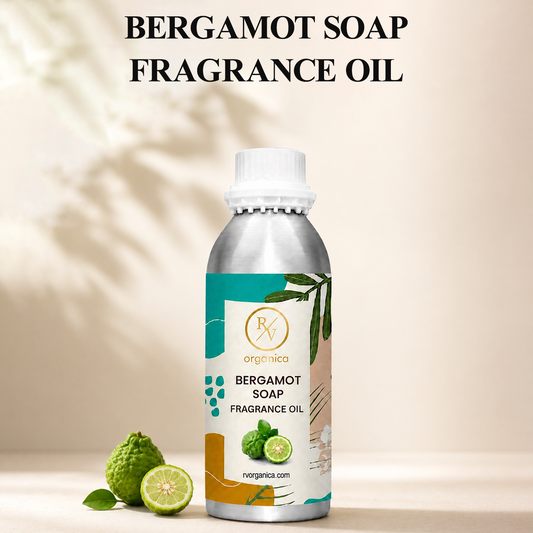 50% OFF
Bergamot Soap Fragrance Oil
Regular price From Rs. 399.00Regular priceUnit price perRs. 799.00Sale price From Rs. 399.00Sale -

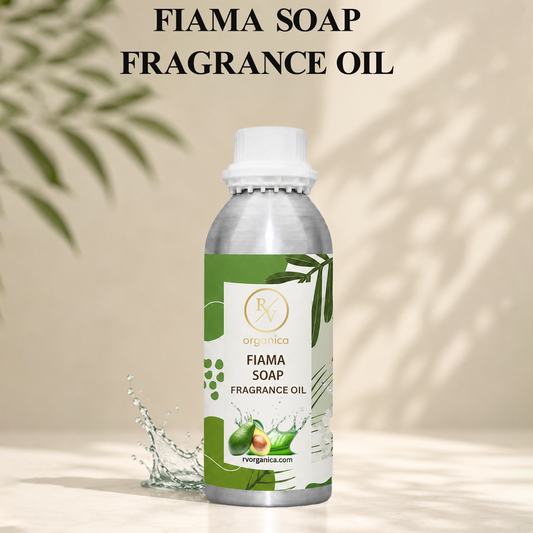 50% OFF
Fiama Soap Fragrance Oil
Regular price From Rs. 499.00Regular priceUnit price perRs. 999.00Sale price From Rs. 499.00Sale -

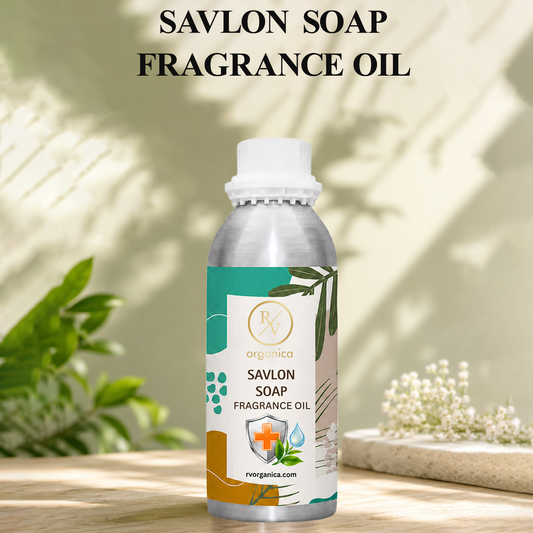 50% OFF
Savlon Soap Fragrance Oil
Regular price From Rs. 499.00Regular priceUnit price perRs. 999.00Sale price From Rs. 499.00Sale -

 50% OFF
Cherry Blossom Soap Fragrance Oil
Regular price From Rs. 449.00Regular priceUnit price perRs. 899.00Sale price From Rs. 449.00Sale -

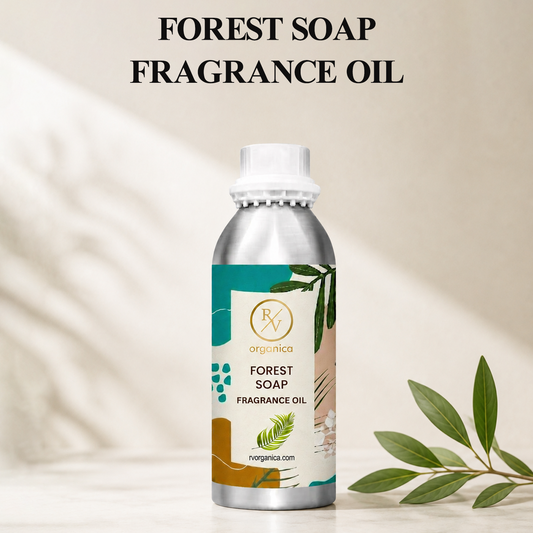 50% OFF
Forest Soap Fragrance Oil
Regular price From Rs. 399.00Regular priceUnit price perRs. 799.00Sale price From Rs. 399.00Sale -

 50% OFF
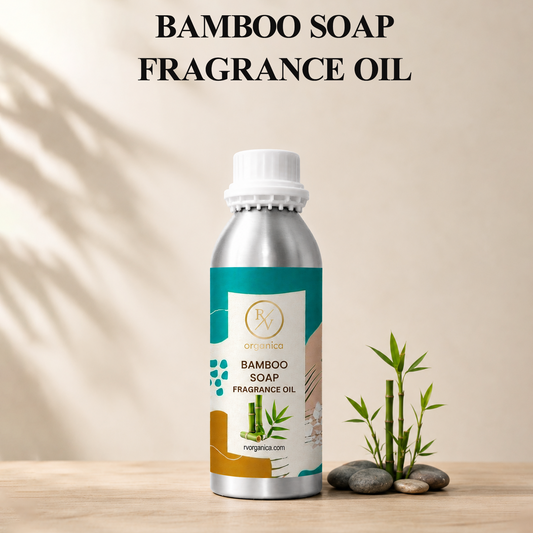
Bamboo Soap Fragrance Oil
Regular price From Rs. 399.00Regular priceUnit price perRs. 799.00Sale price From Rs. 399.00Sale -

 50% OFF
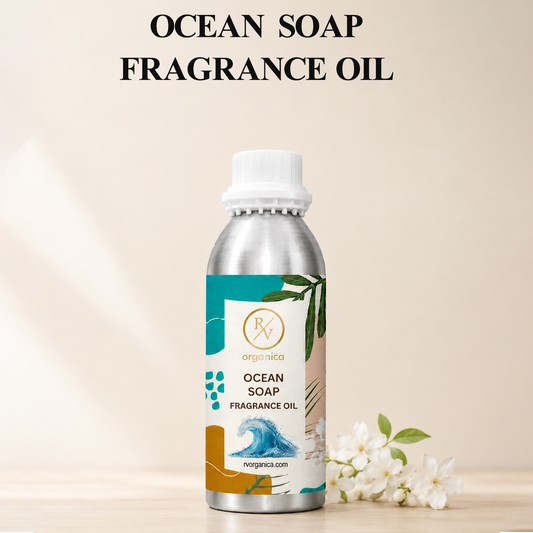
Ocean Soap Fragrance Oil
Regular price From Rs. 349.00Regular priceUnit price perRs. 699.00Sale price From Rs. 349.00Sale -

 50% OFF
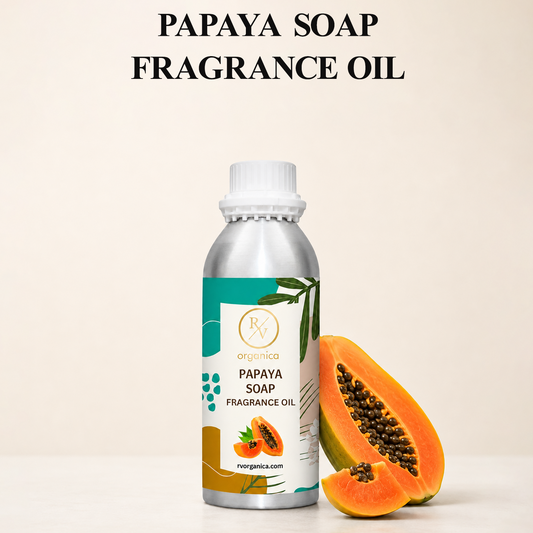
Papaya Soap Fragrance Oil
Regular price From Rs. 349.00Regular priceUnit price perRs. 699.00Sale price From Rs. 349.00Sale


About Best Fragrance for Soap

Soap Fragrances Fragrance Oils for Handmade and Professional Soap Making
Quick answer: Soap fragrance oils are blends formulated to stay stable through saponification, where the batter sits above pH 12 and cures for four to six weeks. A soap-grade fragrance should come with rinse-off IFRA compliance, acceleration behaviour, vanillin percentage (which drives browning), and stability data through cure. Candle fragrance oils often cause false trace or seizing in cold process soap. Melt and pour soap is more forgiving, since the base is already saponified.
Soap fragrances are aromatic blends formulated to remain stable through saponification, the reaction between oils and sodium hydroxide that produces soap. RV Organica's soap fragrances collection is assessed specifically for cold process stability, rinse-off skin safety, and consistent batch performance, because fragrance for soap making is a distinct product category rather than just candle fragrance oil used in soap.
What Makes a Fragrance Oil Suitable for Soap Making?
Saponification involves pH above 12, temperatures of 40 to 50°C at trace, and a four to six week cure period where the alkaline environment continues acting on every compound in the bar. Most fragrance oils aren't built to withstand this. What separates a soap-grade fragrance from a general-purpose option is technical: rinse-off IFRA compliance, documentation of acceleration behavior (how fast the fragrance pushes batter toward trace), vanillin percentage (which drives discoloration in alkaline conditions), and stability data through cure. A candle fragrance introduced into soap can trigger near-instant false trace through surfactant-like components - that's a category mismatch, not user error.
Terms like "organic," "therapeutic grade," and "natural" are unregulated for fragrance oils sold in India, and no authority defines them for this product category. The only documentation that actually confirms what's in a batch - and whether it's appropriate for skin-contact soap - is a COA (Certificate of Analysis) and MSDS (Material Safety Data Sheet).
Why Do Fragrance Oils Outperform Essential Oils in Soap Making?
The main advantage fragrance oils hold over essential oils is consistency. Essential oils are volatile, batch-variable, and expensive at the loads required to survive cold process cure - most need 5 to 6 percent oil weight to produce any detectable cured scent, and results still vary by source batch. Fragrance oils use fixatives and aromatic molecules designed to survive saponification and remain perceptible after a full cure cycle, which translates to predictable aroma from one production batch to the next. That repeatability matters once a product moves into retail or gifting production, where scent variation between batches drives customer complaints. "Soap fragrance oil" on a label doesn't guarantee this performance on its own - asking for a COA showing acceleration test results for cold process specifically is the only way to confirm it.
Are There Organic and Natural Soap Fragrance Oils?
The organic fragrance oil category covers products with genuinely different compositions. Some use plant-derived aromatic compounds - botanical extracts, CO2-isolated materials, natural isolates from flowers and woods. Others carry the "organic" label purely as brand positioning with no documentation behind it. For soap makers building Ayurveda-inspired or herbal-positioned lines, what matters isn't whether a fragrance is labeled organic but whether the components suit rinse-off skin application and whether a COA confirms it.
Similarly, "natural," "nature-identical," and "synthetic" blur together across the Indian fragrance market, and most suppliers don't provide granular compositional data by default. For Indian herbal and traditional formulators, scent character often matters more than the label - mogra, chandan, and lemongrass carry specific associations with Indian bathing traditions and Ayurvedic wellness that go beyond being pleasant fragrances. If the natural claim is load-bearing for a brand's positioning, a COA with component sourcing information should be requested directly.
How Does Fragrance Oil Differ for Cold Process vs Melt and Pour Soap?
Choosing between formats within RV Organica's soap fragrances range starts with understanding how each reacts to the base chemistry.
Cold process soap
Cold process carries the most operational risk for fragrance selection, since saponification is active and the high pH acts on the fragrance throughout the entire cure, not just at pour. Acceleration is the immediate concern - certain florals, most gourmands, and sweet notes contain molecules that can push batter from pourable to unworkable within 60 seconds of fragrance addition. Sandalwood, mogra, and rose tend to sit in the low-acceleration range, while vanilla, heavy jasmine blends, and anything with a bakery character need small-batch testing first. Fragrance load of 3 to 5 percent of total oil weight covers most cold process applications; loads above 6 percent tend to increase ricing and batter instability before improving throw.
Melt and pour soap
Melt and pour carries a different risk profile since the base is already saponified, with no active lye or pH spike. Fragrance oils that fail badly in cold process can behave cleanly in a glycerin base, but the problems shift to sweating (moisture beading on bar surfaces after cure), scent separation at high addition temperatures, and discoloration visibility in clear bases. Fragrance should go in at 55°C or below, with gentle stirring to avoid clouding transparent bases, and loads kept at or under 3 percent in standard glycerin formulas. Vanillin discoloration shows more starkly through a clear base than an opaque or tinted one, which matters for transparent gifting bars. Citrus-forward fragrances also fade faster in melt and pour than woody or floral profiles, worth factoring in for retail batches with meaningful shelf time.
What Is the Best Fragrance for Soap by Context?
The right fragrance depends on the product, not a single ranked list. For Indian festive and gifting markets, rose, jasmine, and sandalwood perform consistently across a wide range of consumer preferences, with strong cultural anchoring and better stability in warm, dry indoor gifting displays than citrus or light aquatic profiles. For herbal and daily-use bars, lemongrass and lavender offer clean, uncomplicated scent with good cure stability and no acceleration risk. For traditional or ritual-positioned products, mogra and chandan carry associations that imported floral fragrances don't replicate. The honest framing is best for which buyer, which format, which market, and which storage conditions - not a universal winner.
Which Soap Fragrance Oils Are Most Popular?
Rose Fragrance Oil - Rounded and slightly powdery rather than sharp fresh-cut, which helps with cure stability, and minimal discoloration in standard cold process batches at 4 percent oil weight. Widely used in bridal hampers, wedding gifting bars, and premium bathing lines.
Lavender Fragrance Oil - One of the most predictable performers in cold process, with no meaningful acceleration at 4 to 5 percent oil weight and a herbal-floral profile that holds through cure. Highly saturated in Indian handmade soap, so a distinctive formulation angle helps it stand out on a competitive shelf.
Sandalwood Fragrance Oil - Warm, creamy, and deeply familiar in Indian contexts, holding well through cold process cure. Loads above 5 percent can produce a slightly waxy batter texture, so starting at 3 to 4 percent is the standard approach for pooja soap, Ayurvedic wellness bars, and festive gift sets.
Lemongrass Fragrance Oil - Citrus-herbal and bright on opening, with no acceleration issues in either cold process or glycerin-base soap. The top note softens to a quieter herbal character over shelf life, worth knowing for stockpiled retail inventory with a long lead time.
Jasmine Fragrance Oil - Strong floral throw with good retention through cure. Some blends with indolic components can push toward overripe at higher loads in warm Indian storage conditions, so keeping to 3 to 4 percent and testing finished bars at ambient temperature is worth doing before scaling gifting batches.
Mogra Fragrance Oil - Deeper than jasmine, with a rich base character that layers rather than competes with earthier herbal ingredients. Its cultural anchoring with Indian ritual and traditional bathing gives it storytelling value most imported floral fragrances don't replicate.
Vanilla Fragrance Oil - High vanillin content means cold process bars will brown during cure, which is predictable chemistry rather than a quality defect, though it needs to be communicated to customers expecting a white bar. Clear melt and pour bases show browning more starkly than tinted or opaque ones. Scent retention through cure is very good, making it reliable for gifting and dessert-inspired lines where appearance can be controlled at the formulation stage.
Browse the full fragrance oils collection at RV Organica for additional options across candle, cosmetic, and personal care applications.
How Do You Choose the Right Soap Fragrance?
The most common sourcing mistake in Indian soap making is treating product descriptions as evaluation criteria. Phrases like "cold process approved," "skin-safe certified," and "100% natural" appear in listings without supporting documentation. What actually matters is a COA confirming the specific batch and an MSDS with IFRA rinse-off compliance data, requested before placing any order with a new supplier.
For home and artisan makers, testing before scaling in the actual format being produced is essential - a fragrance that behaves cleanly in melt and pour can still accelerate in cold process, since the chemistry differs enough that crossover performance can't be assumed. Starting with low-acceleration options like sandalwood, lemongrass, and lavender before working with vanilla or heavy jasmine blends is the safer path.
For small brands, batch consistency matters at a different scale than home production. A fragrance that performs in a test batch needs to behave identically in a 5kg run, which means asking whether each shipment comes with batch-specific COA documentation rather than a static spec sheet. Vinay can source soap fragrance oils with this documentation included by default rather than requested separately.
For bulk and wholesale buyers, Indian storage conditions are a real formulation variable most sourcing conversations skip. Sustained temperatures above 35°C from March through October, combined with monsoon humidity across much of the country, degrade volatile top notes faster than moderate-climate storage assumptions allow for. Citrus and fresh-green profiles are the most affected - a lemongrass fragrance sampled in December may deliver noticeably less top-note clarity by the following September if stored at ambient warehouse temperatures. Storing below 25°C in sealed containers away from direct humidity, and planning order frequency around Indian summer conditions, addresses most of this risk.
About RV Organica
RV Organica supplies soap fragrance oils in 100ml, 500ml, and 1kg pack sizes, with bulk B2B quantities available on request. COA and MSDS documentation are provided with each order, blends are IFRA-assessed for rinse-off skin application, and dispatch is from India.
Frequently asked questions
Why can't candle fragrance oils be used in soap making? Saponification exposes fragrance to high pH (above 12), heat, and weeks of cure that candle wax never involves. A candle fragrance can trigger near-instant false trace in soap batter through surfactant-like components - a category mismatch rather than a usage error.
What causes cold process soap to accelerate at trace? Certain fragrance components, particularly some florals, gourmands, and sweet notes, contain molecules that interact with saponification and push batter from pourable to unworkable within about 60 seconds of fragrance addition. Sandalwood, mogra, and rose typically sit in the low-acceleration range.
Why do vanilla-scented soap bars turn brown during cure? High vanillin content reacts with the alkaline cold process environment and browns the bar predictably - this is expected chemistry, not a defect, though it should be communicated clearly to customers expecting a white finished bar.
What's the ideal fragrance load for cold process soap? Generally 3 to 5 percent of total oil weight. Loads above 6 percent tend to increase ricing and batter instability rather than improving throw, so higher isn't automatically stronger.
What documentation should a soap fragrance oil supplier provide? A batch-specific COA (Certificate of Analysis) confirming composition, and an MSDS (Material Safety Data Sheet) with IFRA rinse-off compliance data - both should be provided with every order, not only on request.
- Choosing a selection results in a full page refresh.
- Opens in a new window.
