
Spring Fragrances
Buy Spring Fragrances in Bulk
-

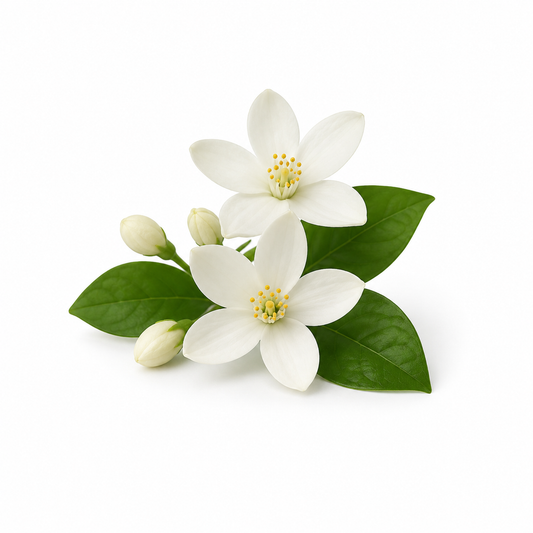 50% OFF
Neroli Fragrance Oil
Regular price From Rs. 449.00Regular priceUnit price perRs. 900.00Sale price From Rs. 449.00Sale -

 53% OFF
Aloevera Fragrance Oil
Regular price From Rs. 369.00Regular priceUnit price perRs. 800.00Sale price From Rs. 369.00Sale -

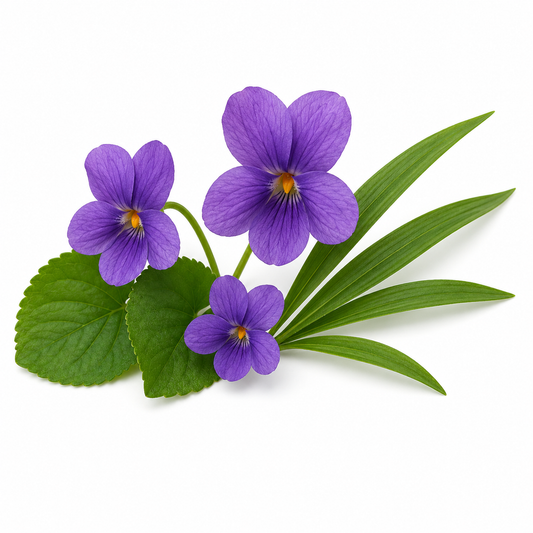 50% OFF
Violet Fragrance Oil
Regular price From Rs. 399.00Regular priceUnit price perRs. 800.00Sale price From Rs. 399.00Sale -

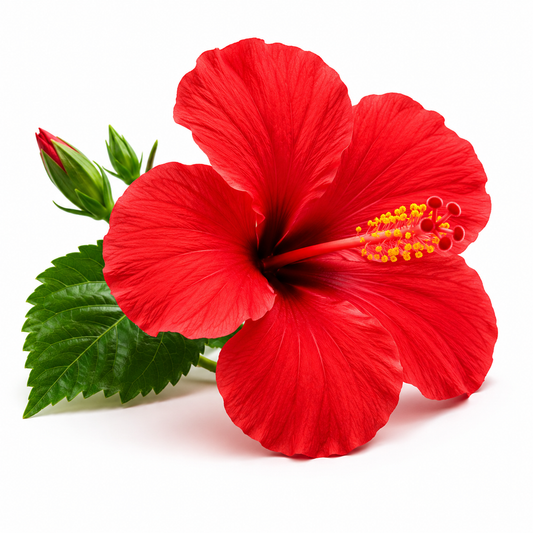 50% OFF
Hibiscus Fragrance Oil
Regular price From Rs. 399.00Regular priceUnit price perRs. 800.00Sale price From Rs. 399.00Sale -

 46% OFF
Water Lily Fragrance Oil
Regular price From Rs. 429.00Regular priceUnit price perRs. 800.00Sale price From Rs. 429.00Sale -
 50% OFF
Malli Fragrance Oil
Regular price From Rs. 399.00Regular priceUnit price perRs. 800.00Sale price From Rs. 399.00Sale -

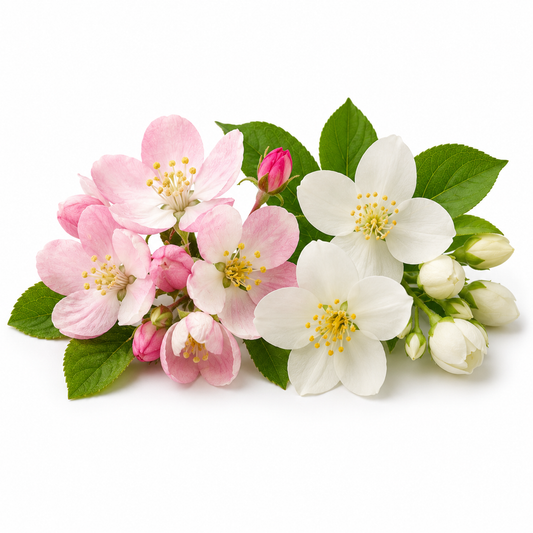 50% OFF
Morning Bloom Fragrance Oil
Regular price From Rs. 449.00Regular priceUnit price perRs. 900.00Sale price From Rs. 449.00Sale -

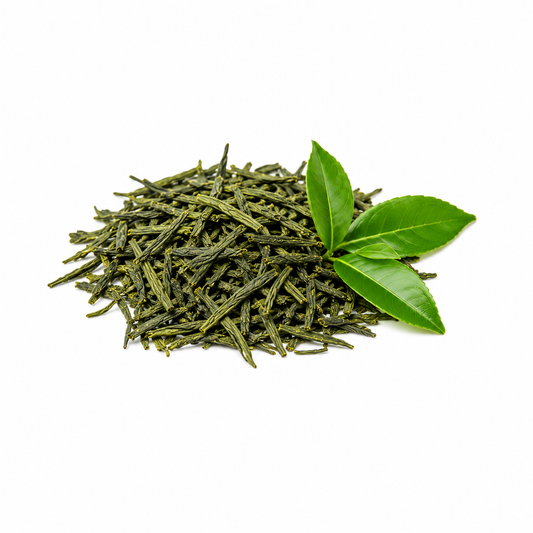 50% OFF
Green Tea Fragrance Oil
Regular price From Rs. 349.00Regular priceUnit price perRs. 700.00Sale price From Rs. 349.00Sale -

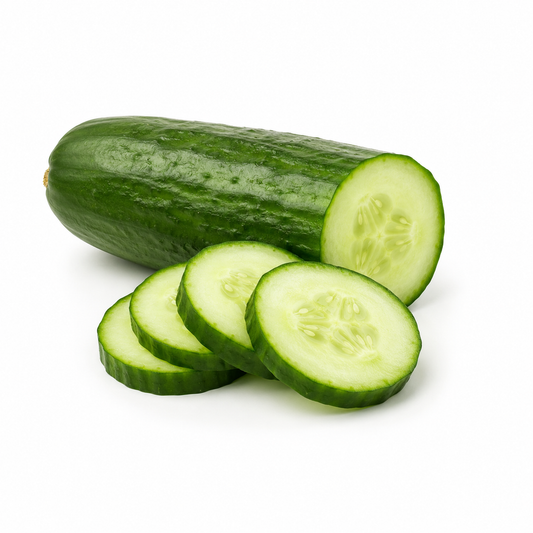 50% OFF
Cucumber Fragrance Oil
Regular price From Rs. 449.00Regular priceUnit price perRs. 900.00Sale price From Rs. 449.00Sale -

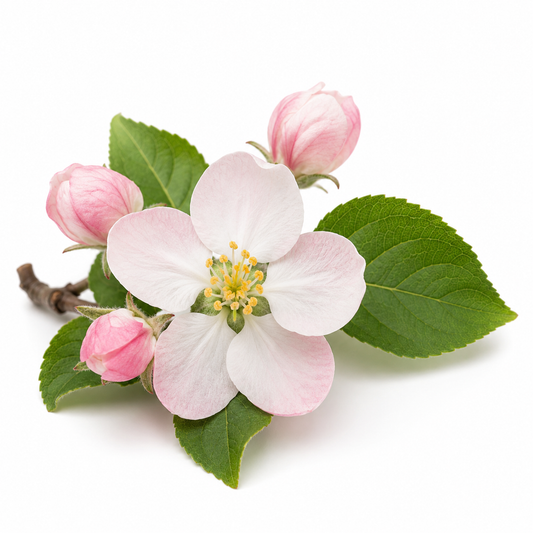 43% OFF
Apple Blossom Fragrance Oil
Regular price From Rs. 399.00Regular priceUnit price perRs. 700.00Sale price From Rs. 399.00Sale -

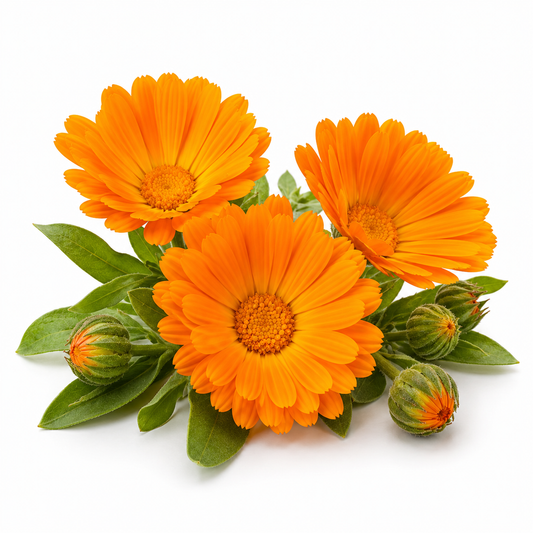 28% OFF
Calendula Fragrance Oil
Regular price From Rs. 499.00Regular priceUnit price perRs. 700.00Sale price From Rs. 499.00Sale -

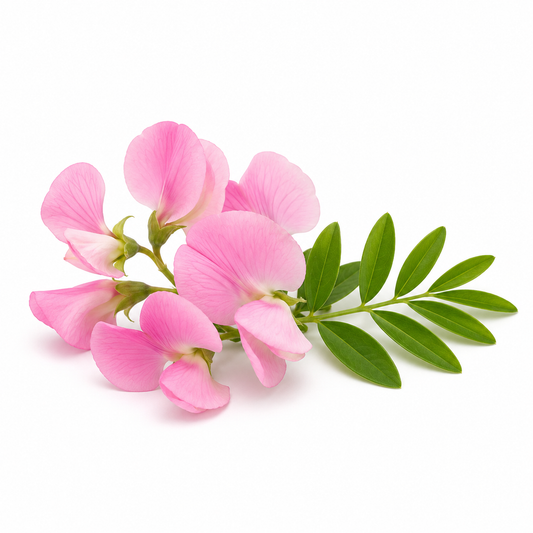 50% OFF
Sweet Pea Fragrance Oil
Regular price From Rs. 399.00Regular priceUnit price perRs. 800.00Sale price From Rs. 399.00Sale -

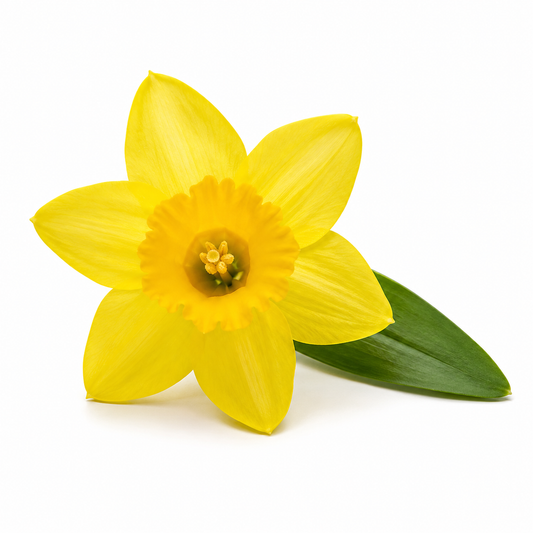 50% OFF
Daffodil Fragrance Oil
Regular price From Rs. 649.00Regular priceUnit price perRs. 1,300.00Sale price From Rs. 649.00Sale -

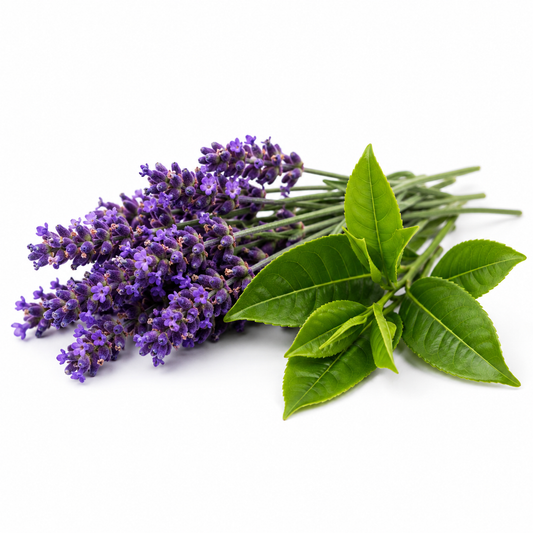 50% OFF
Lavender & Green Tea Fragrance Oil
Regular price From Rs. 449.00Regular priceUnit price perRs. 900.00Sale price From Rs. 449.00Sale -

 50% OFF
Bamboo Fragrance Oil
Regular price From Rs. 399.00Regular priceUnit price perRs. 800.00Sale price From Rs. 399.00Sale -
 50% OFF
Honey Calendula Fragrance Oil
Regular price From Rs. 349.00Regular priceUnit price perRs. 700.00Sale price From Rs. 349.00Sale -

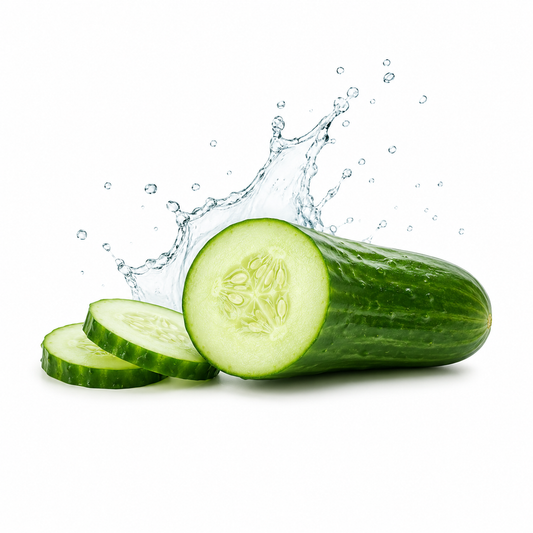 50% OFF
Cucumber Water Fragrance Oil
Regular price From Rs. 449.00Regular priceUnit price perRs. 900.00Sale price From Rs. 449.00Sale -

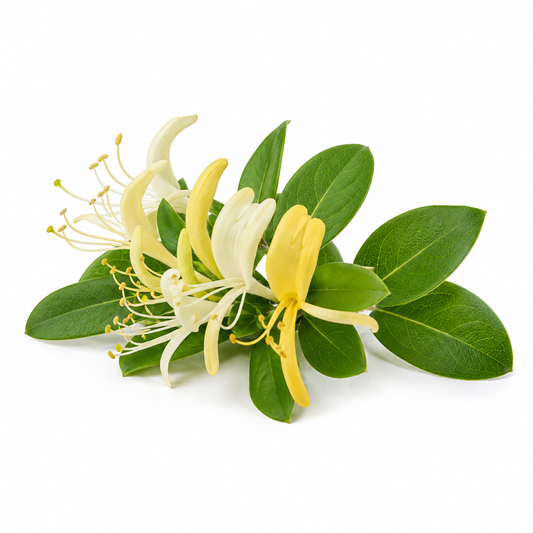 37% OFF
Honeysuckle Fragrance Oil
Regular price From Rs. 499.00Regular priceUnit price perRs. 800.00Sale price From Rs. 499.00Sale


About Spring Fragrances

Spring Fragrance Oils for Candles, Soap, and Diffusers
Quick answer: Spring fragrance oils are light floral and citrus-forward blends, such as rose, mogra, jasmine, lily of the valley, lemongrass, and lavender, suited to basant season launches and warm-weather product lines. Florals can smell right cold but underperform in hot throw, turn soapy in cold process soap, or behave differently in soy versus paraffin, so test each oil in your own base. Spring is a scent direction, not a regulated category.
RV Organica is an essential oil manufacturer based in Panipat, Haryana, India, supplying light floral and citrus-forward fragrance oils suited for basant season launches, festive home fragrance, and fresh personal care lines designed for India's warm-weather months. Most candle and soap formulators building a spring collection run into the same problem: a floral that smells right cold often underperforms in hot throw, or turns soapy in cold process, or behaves completely differently in soy versus paraffin. Spring fragrance oils are a specific category choice, not just a mood.
Browse the full spring fragrance oils collection to see what's currently in stock.
What Are Spring Fragrance Oils and What Is Included in This Collection?
"Spring fragrance" is a direction, not a regulated category. In practice, these blends are dominated by florals - rose, mogra, jasmine - soft greens like lemongrass, white florals like lily of the valley, or herbal-floral combinations like lavender. What puts them in the same collection is the character: light to medium throw, clean rather than heavy, suited to open or ventilated spaces rather than enclosed lounges. As an essential oil manufacturer in India, RV Organica processes this range at its own Panipat, Haryana facility.
One distinction is worth making before formulating with these: they're fragrance oils, not essential oils. That matters more than it sounds. Fragrance oils are formulated to behave predictably in wax and soap bases. A well-formulated floral fragrance oil should have a flash point at least 5°C above the wax's pouring temperature (typically 65 to 70°C for soy), stable fragrance load between 6 and 10%, and a documented skin contact rating for body products.
The "natural" label on a fragrance oil is unregulated in India and signals nothing without a Certificate of Analysis. Similarly, "pure" has no regulatory meaning in this category - a diffuser blend doesn't need to be therapeutic, it needs to perform in a reed or ultrasonic system and smell consistent batch to batch. Ask for a COA and MSDS before committing to bulk quantities, regardless of what the label says.
Seasonal positioning matters for how this range gets used commercially. Basant Panchayat through early summer is when Indian buyers actively search for fresh, floral, and citrus-forward home fragrance, which makes February through June the natural launch window for a spring-themed candle, soap, or personal care line. Formulators planning a seasonal collection generally start sourcing and test-batching six to eight weeks ahead of that window, since cure times for soap and candles eat into the runway faster than expected.
How Do You Use Spring Fragrance Oils in Candles and Diffusers?
Every oil discussed in this guide is part of the spring fragrance oils collection, formulated and tested for the application notes below.
Candle making. Rose, jasmine, and lavender are the reliable three for spring candle collections. India-specific note: ambient temperatures from March through June can cause soy wax candles to soften, which affects scent release in ways that don't show up in October batch testing. Stay at 6 to 8% fragrance load in soy wax - going higher risks seeping rather than improving throw. Jasmine and lily of the valley both benefit from a 72-hour cure minimum before burn testing; the scent profile can shift considerably between fresh pour and settled.
Reed and ultrasonic diffusers. Lemongrass disperses well in both systems. Its lower viscosity helps in reed setups, and it doesn't clog bamboo reeds the way heavier florals can. Mogra is strong in ultrasonic diffusers but can be unpredictable in reeds during humid months - coastal India from April to June is particularly challenging for heavy floral reeds. Fragrance load in diffuser base typically sits at 20 to 30%. At the lower end you get subtler ambient diffusion; higher loads work better in larger rooms or pooja spaces.
How Do You Use Spring Fragrance Oils in Soap and Body Mists?
Soap. Cold process is where things get complicated. Jasmine and mogra can both accelerate trace, depending on lye concentration and temperature. A small test batch is worth the time before scaling any floral fragrance oil into cold process production. Melt and pour is more forgiving - keep fragrance addition at or below 60°C. Lavender and lemongrass are the most stable performers across both methods.
Body mists and roll-ons. Rose and jasmine work at 1 to 1.5% dilution in water-based or oil-based formulations. In India's heat from March to June, lighter concentrations often land better for daily wear - heat amplifies projection, so a body mist at 1.5% can feel heavier in June than the same product in February. For leave-on skin products with jasmine, mogra, or rose, check IFRA usage caps before finalising concentration; these contain or replicate molecules that are skin sensitisers at high concentration in leave-on applications.
How Do You Choose Spring Fragrance Oils for Production?
The most common mistake is selecting on cold sniff alone. A few things are worth confirming before purchase.
Flash point. Should sit above the wax's pouring temperature by at least 5°C. If pouring soy at 65°C, look for a flash point of 70°C or above. Suppliers who can't provide this number don't have adequate product documentation.
COA and MSDS. A Certificate of Analysis tells you what's in the bottle and confirms batch composition. The MSDS covers safe handling, storage conditions, and flash point data. If a supplier can only show one of these, ask for the other before ordering bulk - both matter for any production run where consistency and workplace safety are relevant. Every product in the spring fragrance oils collection is supplied with this documentation.
IFRA compliance for skin contact. Relevant when building body products with jasmine, mogra, or rose. IFRA guidelines set usage caps for specific fragrance components in leave-on versus rinse-off applications. A supplier who marks an oil "skin safe" without providing documentation is leaving the buyer responsible for figuring that out, especially when manufacturing at scale and labelling products.
Storage in Indian conditions. Store fragrance oils below 30°C, away from direct sunlight. Opaque HDPE containers or dark glass outperform clear PET. UV exposure doesn't destroy fragrance overnight but does accelerate oxidation - the scent profile of a rose or jasmine oil stored in direct sunlight for three months will be noticeably different from a freshly opened batch. This gets harder to manage in summer without a climate-controlled storage area, which is worth factoring into sourcing volume decisions. Buyers placing larger spring-season orders should plan storage capacity alongside the order itself, rather than treating it as an afterthought once stock arrives.
Which Spring Fragrance Oils Are Most Popular in This Collection?
Rose fragrance oil at full fragrance load in soy wax often reads synthetic in hot throw - one of the more common disappointments in new candle makers' batch tests. Around 6% with a proper cure produces cleaner results than pushing to the ceiling. In diffusers and body mists those constraints don't apply the same way, and rose holds up well in both formats.
Jasmine fragrance oil is strong, and 10% in wax isn't necessary - projection is solid at 7 to 8%, and the scent doesn't thin out the way lighter florals do at lower loads. Cold process formulators should test trace acceleration before scaling; jasmine is one of the more reliable accelerators in this range. In roll-on formats, the indolic character softens at lower dilutions and becomes considerably more wearable.
Lavender fragrance oil is herbal-floral rather than sweet, blends cleanly with citrus notes, and goes through both cold process and melt-and-pour without drama, without seeping in soy wax at standard loads. One honest caveat: lavender is enormously overrepresented in the Indian fragrance market. For a product brief involving authenticity claims, it's worth comparing this fragrance oil against pure lavender essential oil - the scent profile is different, and buyers who know lavender well will notice.
Lemongrass fragrance oil is crisp and citrus-green, useful for lifting heavier florals in blended collections, stable in soap, and good in diffusers. In candles it can read cleaning-product-adjacent above 6 to 7%, worth staying lower rather than pushing for stronger throw.
Lily of the valley fragrance oil is quieter than the others, best suited to luxury personal care and fine candles where a delicate white floral is the point rather than a room-filling throw. It needs 72 hours minimum cure in soy wax before burn testing gives an accurate read on how it actually performs.
Mogra fragrance oil is the Indian reference for spring florals, associated with gajra, evening pooja, and traditional garland markets from February through April. The intensity is high, and most applications need less than expected. Agarbatti and incense bases need minimal dilution. In personal care it pairs well with sandalwood or musk bases, and the combination softens the sharpness of mogra used alone.
Whether you're testing a single sample for a candle line or sourcing in bulk for a spring product launch, every oil in this collection is processed at RV Organica's Panipat, Haryana facility and supplied with COA and MSDS documentation. Browse current stock and pricing on the RV Organica spring fragrance oils page before placing an order.
- Choosing a selection results in a full page refresh.
- Opens in a new window.
