
Summer Fragrances
Buy Summer Fragrances in Bulk
-
 50% OFF
Orange Energy Fragrance Oil
Regular price From Rs. 399.00Regular priceUnit price perRs. 800.00Sale price From Rs. 399.00Sale -
 50% OFF
Golden Apple Fragrance Oil
Regular price From Rs. 399.00Regular priceUnit price perRs. 800.00Sale price From Rs. 399.00Sale -

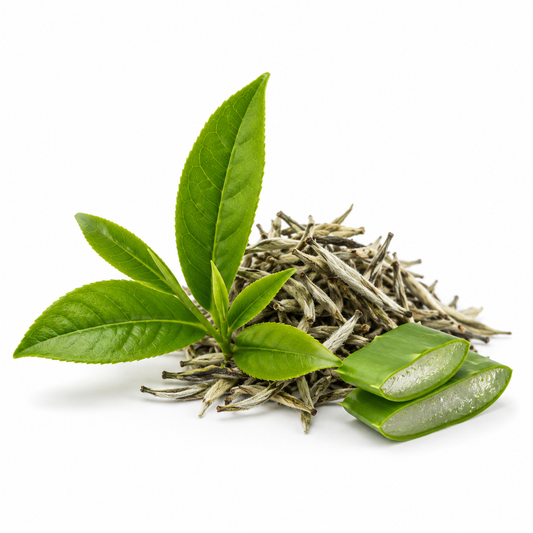 50% OFF
White Tea & Aloe Fragrance Oil
Regular price From Rs. 399.00Regular priceUnit price perRs. 800.00Sale price From Rs. 399.00Sale -

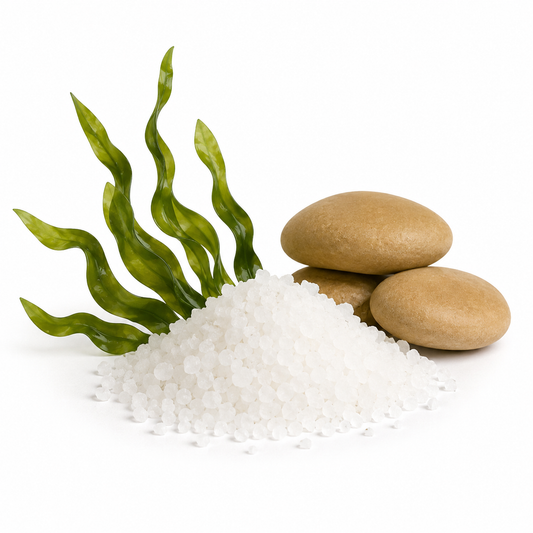 50% OFF
Sea Salt Fragrance Oil
Regular price From Rs. 449.00Regular priceUnit price perRs. 900.00Sale price From Rs. 449.00Sale -
 50% OFF
Red Apple Fragrance Oil
Regular price From Rs. 399.00Regular priceUnit price perRs. 800.00Sale price From Rs. 399.00Sale -

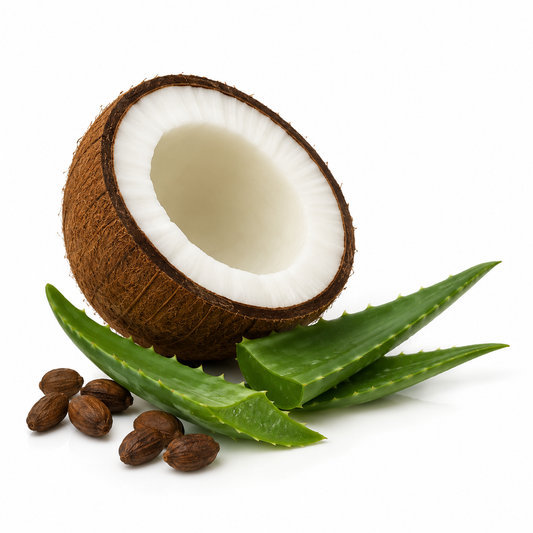 50% OFF
Coconut & Aloe Fragrance Oil
Regular price From Rs. 349.00Regular priceUnit price perRs. 700.00Sale price From Rs. 349.00Sale -
 50% OFF
Coconut & Avocado Fragrance Oil
Regular price From Rs. 399.00Regular priceUnit price perRs. 800.00Sale price From Rs. 399.00Sale


About Summer Fragrances

Quick answer: Summer fragrance oils are citrus-forward, lighter blends that favour top and heart notes such as citrus, mint, watermelon, mango, and coconut over dense bases like oud or warm musk. A well-built summer blend has a stable heart, often light woods or soft coconut, so it does not flatten in heat. In Indian conditions, store oils in a cool place and test hot throw, since citrus top notes are volatile and fade faster in candles.
Summer Fragrances Light and Fresh Scents for Candles, Diffusers and Personal Care
Summer fragrance oils are citrus-forward, lighter-structured blends formulated to project cleanly in heat rather than turning heavy - favoring top and heart notes like citrus, mint, watermelon, mango, and coconut over dense base notes such as benzoin, oud, or warm musks. RV Organica's summer fragrances collection is built specifically for warm-weather candle, diffuser, soap, and personal care production in Indian conditions, where a 40°C room, a warm warehouse, and consistently high ambient heat change how fragrance actually performs.
What Makes a Fragrance Oil a Genuine Summer Blend?
The difference isn't simply lighter composition. Top notes evaporate fast, and a summer blend that opens crisply in cold throw can flatten within hours if the mid-note structure is thin. Well-formulated summer fragrance oils build a stable heart, often light woods, white floral, or soft coconut accords, that extends wear time without reintroducing heaviness. Without that heart, the result is a fragrance that smells bright in the bottle and bland in actual use.
"Organic" and "pure" are worth treating skeptically here, since neither term is regulated in India's fragrance oil sector. What actually signals quality is documentation - a Certificate of Analysis (COA) confirming composition and a Material Safety Data Sheet (MSDS) confirming application safety, produced for every batch rather than just the first order.
How Do Summer Fragrance Oils Perform by Application?
Candles
Lemon and mango-forward summer fragrance oils typically perform well on cold throw in soy and blended wax at standard fragrance loads of 6 to 10 percent by weight, with hot throw generally consistent. High ambient temperatures during Indian summers introduce a variable most fragrance guides ignore: pour temperature. With a room already at 32°C, maintaining a pour temperature of 55 to 65°C requires more active monitoring than in a cooler environment - too low and the fragrance doesn't bind properly, too high and top notes volatilize before the wax sets, either producing an inconsistent throw.
Storage adds another layer. Summer fragrance oil kept in non-air-conditioned stockrooms can contribute to ricing or morphing in soy wax through repeated thermal cycling, while coconut wax blends tend to hold texture and fragrance more reliably than pure soy above 28°C. Citrus profiles also benefit from extended curing of 7 to 10 days before assessing cold throw, since the more volatile aroma compounds need time to settle into the wax matrix.
Diffusers and home use
Reed diffusers and ultrasonic diffusers have genuinely different requirements. For reeds, a summer fragrance oil needs a lower-viscosity carrier like DPG or IPM to travel up the sticks without clogging, and most fragrance oil concentrate needs 20 to 30 percent dilution for reed applications. Ultrasonic diffusers need water-miscible or water-soluble formulations to prevent residue building up in the reservoir over time.
Dosing matters more in summer than in cooler months, since rooms reaching 36°C during peak heat accelerate fragrance projection compared to 25°C, meaning what smells balanced in cooler weather can become overpowering in summer heat. Lemongrass and orange diffuse evenly at 2 to 3ml per 100ml carrier, while mint-based blends can turn sharp and medicinal if overdosed in an air-conditioned room where fragrance circulates continuously - starting at the lower end and adjusting is safer than working backwards from too much.
Personal care
Watermelon, cucumber, and citrus profiles are popular in summer personal care products because they don't compete with body heat the way heavier musks do, but formulation stability gets less attention than it deserves. Light summer fragrance oil in leave-on products - body lotion, body oil, facial serum - needs to stay stable at skin-contact temperatures, since a blend that smells fresh in the bottle can separate or develop off-notes in emulsions left in a bathroom that reaches 38°C by noon. Testing in the actual base at 40°C for a minimum of two weeks before scaling production is a practical floor, not an excessive precaution.
Dilution limits matter more here than in home fragrance. Rinse-off products (body wash, shampoo) typically run 0.5 to 1.5 percent fragrance load, while leave-on applications generally sit at 0.5 to 1 percent. Citrus-forward blends with higher limonene content carry a sensitization risk above these thresholds, particularly for daily-use products, so staying at the lower end is worth it when the exact aroma chemical breakdown isn't confirmed.
Soap making
Cold process soap has a specific challenge with fresh summer fragrance oil: lemon, lime, and green citrus profiles tend to accelerate trace, sometimes sharply. A blend with a high citrus top note without grounding calls for a fluid trace approach - using a whisk rather than a stick blender, with molds ready before mixing starts. Adding fragrance at slightly cooler temperatures, around 35°C, can slow acceleration, though results vary by base oil combination.
Melt-and-pour soap is more forgiving in that respect, but discoloration remains a concern with any fragrance containing vanillin, even at low concentrations. Coconut and watermelon blends without vanillin anchors typically hold color well in both CP and M&P. Fragrance load in cold process generally sits between 3 to 5 percent of total oil weight, with summer citrus blends benefiting from the higher end (4 to 5 percent) since some top note character is lost during saponification; M&P usually needs only 2 to 3 percent for good scent retention.
Which Summer Fragrance Oils Are Most Popular?
Lemon Fragrance Oil - Crisp, clean citrus with a genuine sharpness rather than a synthetic candy note, working across candles, rinse-off personal care, and diffusers. In soy candles, allowing a full 7 to 10 days of curing before judging cold throw matters, since lemon profiles can seem flat at 48 hours and correct themselves by day five.
Orange Fragrance Oil - Sweeter and rounder than lemon, making it easier to layer with tropical bases, sitting comfortably between fresh and warm without tipping heavy. Useful for festive gifting collections needing something immediately appealing, and reliable in M&P soap and personal care.
Coconut Fragrance Oil - The baseline for most tropical blends, reading more beach than cocktail on its own, and pairing effectively with lime, mango, or pineapple for more dimension. Doesn't sharpen or turn medicinal at skin temperature, making it more versatile than most citrus options for leave-on formulas.
Mango Fragrance Oil - Leans toward Kesar or Alphonso rather than synthetic candy mango, which matters for Indian seasonal launches where buyers know the fruit well enough to notice the difference. Strong in festive summer gift sets, and throws well in diffusers while holding reasonably in soy wax through extended cure.
Spearmint Fragrance Oil - Cooler and softer than peppermint, genuinely wearable in personal care rather than medicinal, working well in summer soaps and body washes where refreshment is the goal. Dose conservatively in diffusers, since mint compounds build faster than expected in enclosed air-conditioned spaces.
Browse the full range at RV Organica's fragrance oils collection for additional citrus, tropical, and blended options.
How Do You Choose the Right Summer Fragrance Oil?
Three mistakes come up repeatedly among buyers sourcing for Indian production: selecting on scent alone without testing in the actual application base, assuming all citrus profiles behave the same across formats, and underestimating how Indian storage conditions affect fragrance quality between purchase and production.
On application matching, a lemon fragrance oil that performs well in a candle may accelerate trace in cold process soap or cause stability issues in a lotion. Mango blends with a coconut heart tend to be the most versatile, translating reasonably across candle, diffuser, and personal care without major formulation adjustments, while mint and lemongrass are specialists best suited to diffusers and rinse-off products rather than leave-on formulas where concentration has to stay low.
Citrus profiles that seem similar on the nose can differ significantly in aroma chemical composition - two "lemon" fragrance oils from different suppliers may carry very different limonene concentrations, which affects both performance and personal care safety. This is exactly where documentation matters: a COA confirms what's actually in the fragrance, and an MSDS confirms application limits, and both should be requested for every batch, including repeat orders.
Storage in Indian conditions deserves more planning than buyers typically give it. Fragrance oils stored above 30°C for extended periods lose top note intensity fastest in exactly the citrus and mint compounds that define summer profiles, so keeping bulk stock below 30°C in sealed, opaque containers away from direct sun matters ahead of a seasonal production run. Check current stock and batch documentation on RV Organica's summer fragrance oils page before placing a bulk seasonal order.
For larger wholesale sourcing, the questions worth asking a supplier directly are specific: can they provide the COA and MSDS for the exact batch being shipped, is the formulation identical to the previous batch or has any aroma chemical been substituted, what fragrance load do they recommend for candle versus personal care applications, and what's the shelf life from manufacture date. A supplier who can't answer the shelf life question has either never tested their product or doesn't want to commit to a number - either way, that's a signal worth noting.
About RV Organica
RV Organica supplies fragrance oils in pack sizes from 100g to 25kg, with COA and MSDS documentation provided for every product. Batch testing covers composition and application safety for standard cosmetic, candle, and soap use cases, and wholesale orders include consistent reformulation records across batches, with repeat order documentation available on request.
Frequently asked questions
Why do citrus summer fragrance oils fade faster in candles than other profiles? Citrus top notes are highly volatile, and in Indian summer conditions where pour temperature is harder to control against a hot room, they can flatten within hours if the mid-note structure supporting them is thin. Extended curing of 7 to 10 days helps assess true cold throw rather than judging too early.
Should reed diffuser and ultrasonic diffuser fragrance oils be treated the same? No. Reed diffusers need a lower-viscosity carrier like DPG or IPM diluted 20 to 30 percent to travel up the sticks, while ultrasonic diffusers need water-miscible formulations to avoid residue building up in the reservoir.
How much summer fragrance oil is safe in a leave-on personal care product? Generally 0.5 to 1 percent for leave-on products like lotion or body oil, lower than the 0.5 to 1.5 percent typical for rinse-off products, since citrus-forward blends with higher limonene content carry a sensitization risk at higher concentrations.
Do citrus fragrance oils accelerate trace in cold process soap? Lemon, lime, and green citrus profiles often do, sometimes sharply. Using a whisk rather than a stick blender, having molds ready before mixing, and adding fragrance around 35°C can help slow the acceleration.
How should summer fragrance oils be stored in Indian conditions? Below 30°C in sealed, opaque containers away from direct sun. Citrus and mint compounds are the most volatile components in summer blends and degrade fastest under extended heat exposure, even before the product is used.
- Choosing a selection results in a full page refresh.
- Opens in a new window.
