
Herbal Fragrance Oils
Buy Herbal Fragrance Oils in Bulk
-

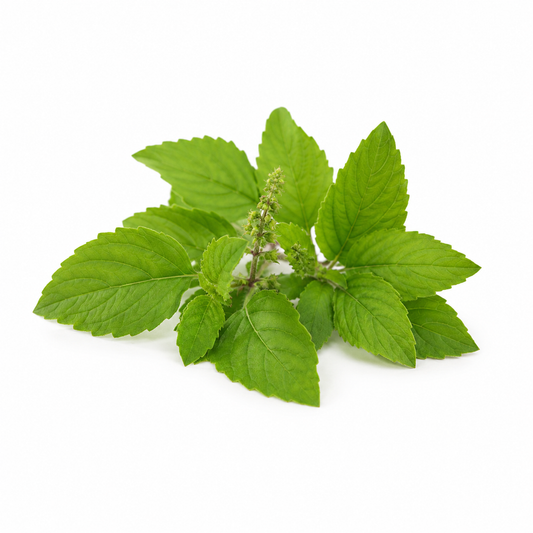 50% OFF
Tulsi Fragrance Oil
Regular price From Rs. 449.00Regular priceUnit price perRs. 900.00Sale price From Rs. 449.00Sale -

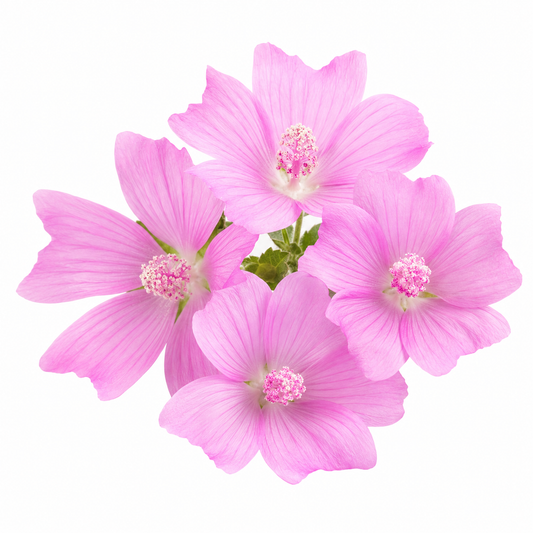 50% OFF
Ayur Musk Fragrance Oil
Regular price From Rs. 499.00Regular priceUnit price perRs. 1,000.00Sale price From Rs. 499.00Sale -

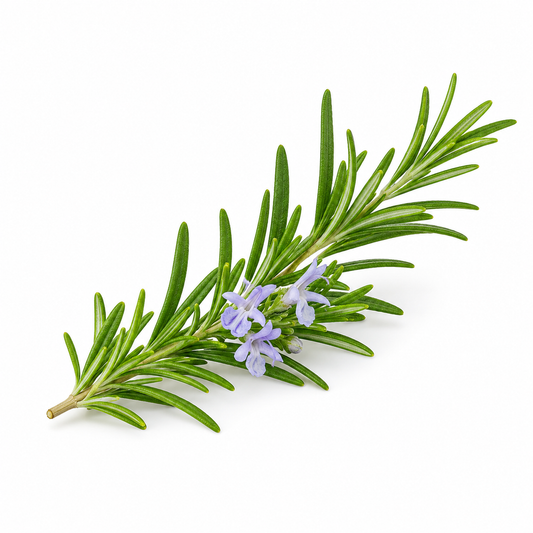 50% OFF
Rosemary Fragrance Oil
Regular price From Rs. 349.00Regular priceUnit price perRs. 700.00Sale price From Rs. 349.00Sale -

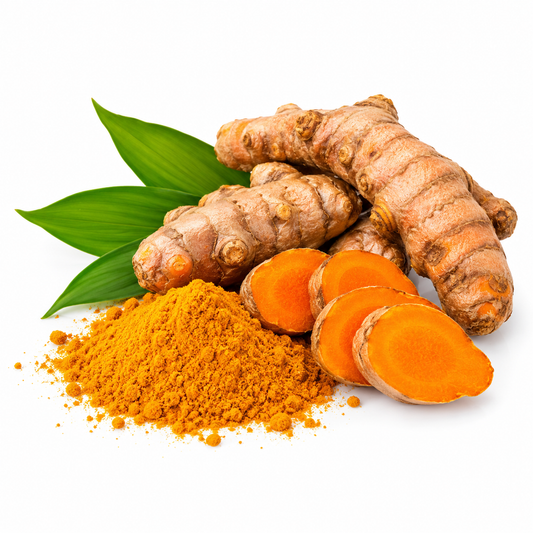 46% OFF
Turmeric Fragrance Oil
Regular price From Rs. 429.00Regular priceUnit price perRs. 800.00Sale price From Rs. 429.00Sale -

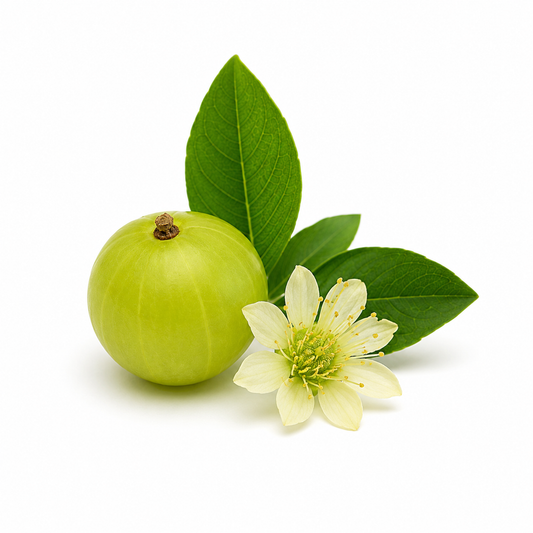 33% OFF
Amla & Bhringraj Fragrance Oil
Regular price From Rs. 399.00Regular priceUnit price perRs. 600.00Sale price From Rs. 399.00Sale -

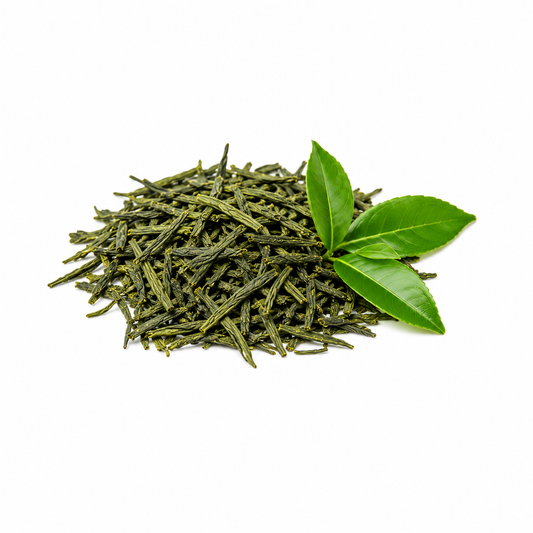 50% OFF
Green Tea Fragrance Oil
Regular price From Rs. 349.00Regular priceUnit price perRs. 700.00Sale price From Rs. 349.00Sale -

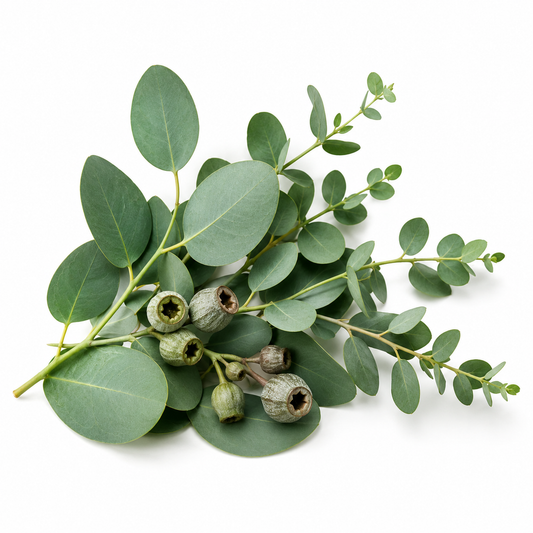 50% OFF
Eucalyptus Fragrance Oil
Regular price From Rs. 449.00Regular priceUnit price perRs. 900.00Sale price From Rs. 449.00Sale -

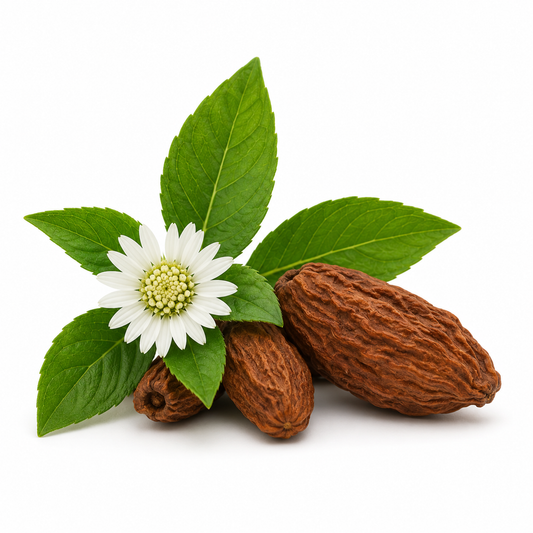 50% OFF
Bhringraj & Shikakai Fragrance Oil
Regular price From Rs. 399.00Regular priceUnit price perRs. 800.00Sale price From Rs. 399.00Sale -
 50% OFF
Ginger Fragrance Oil
Regular price From Rs. 399.00Regular priceUnit price perRs. 800.00Sale price From Rs. 399.00Sale -

 28% OFF
Calendula Fragrance Oil
Regular price From Rs. 499.00Regular priceUnit price perRs. 700.00Sale price From Rs. 499.00Sale -

 50% OFF
Neem Aloe Fragrance Oil
Regular price From Rs. 399.00Regular priceUnit price perRs. 800.00Sale price From Rs. 399.00Sale -

 50% OFF
Amla Honey Mulethi Fragrance Oil
Regular price From Rs. 399.00Regular priceUnit price perRs. 800.00Sale price From Rs. 399.00Sale -

 50% OFF
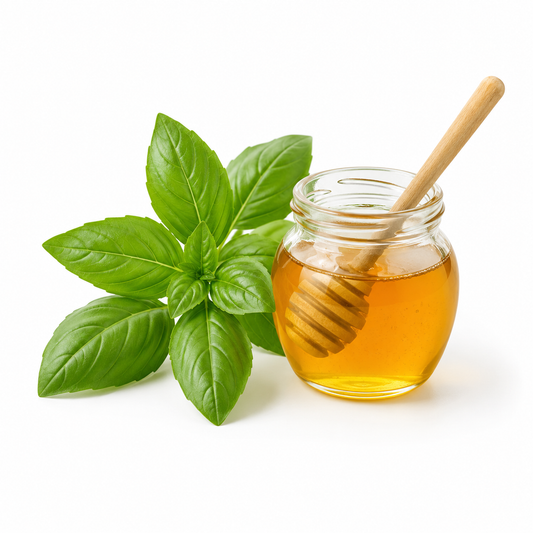
Neem Basil Honey Fragrance Oil
Regular price From Rs. 399.00Regular priceUnit price perRs. 800.00Sale price From Rs. 399.00Sale -

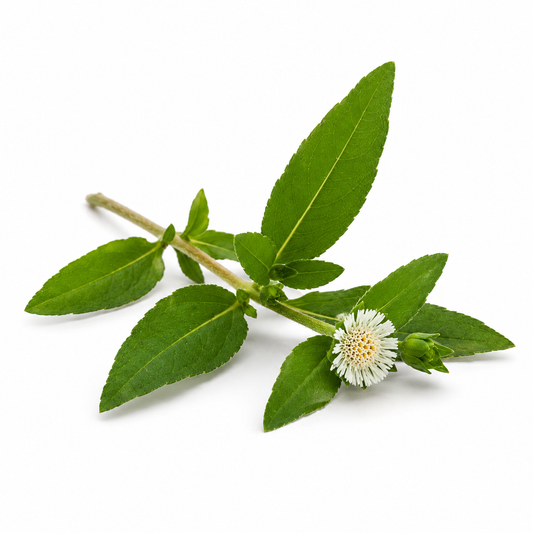
Bhringraj Fragrance Oil
Regular price From Rs. 349.00Regular priceUnit price per -

 50% OFF
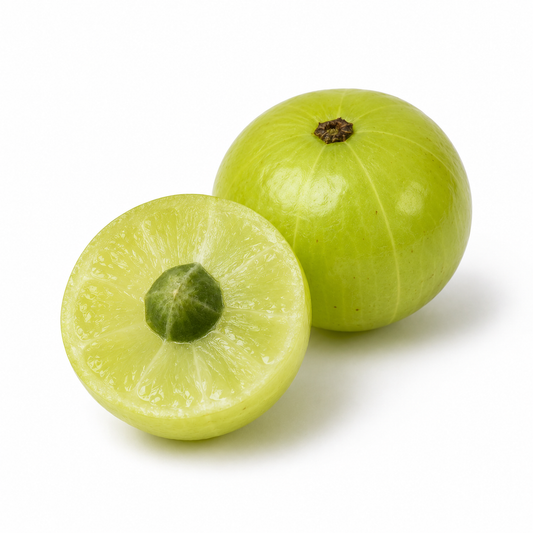
Amla Fragrance Oil
Regular price From Rs. 399.00Regular priceUnit price perRs. 800.00Sale price From Rs. 399.00Sale


