
Buy PureBest Winter FragrancesOnline in India - Bulk & Wholesale
Buy Best Winter Fragrances in Bulk
-

 50% OFF
Smooth Fragrance Oil
Regular price From Rs. 399.00Regular priceUnit price perRs. 800.00Sale price From Rs. 399.00Sale -
 43% OFF
Fresh Laundry Fragrance Oil
Regular price From Rs. 449.00Regular priceUnit price perRs. 800.00Sale price From Rs. 449.00Sale -

 50% OFF
PRS Fragrance Oil
Regular price From Rs. 399.00Regular priceUnit price perRs. 800.00Sale price From Rs. 399.00Sale -

 50% OFF
Drakkaris Fragrance Oil
Regular price From Rs. 449.00Regular priceUnit price perRs. 900.00Sale price From Rs. 449.00Sale -

 50% OFF
Bosky Eve Fragrance Oil
Regular price From Rs. 399.00Regular priceUnit price perRs. 800.00Sale price From Rs. 399.00Sale -
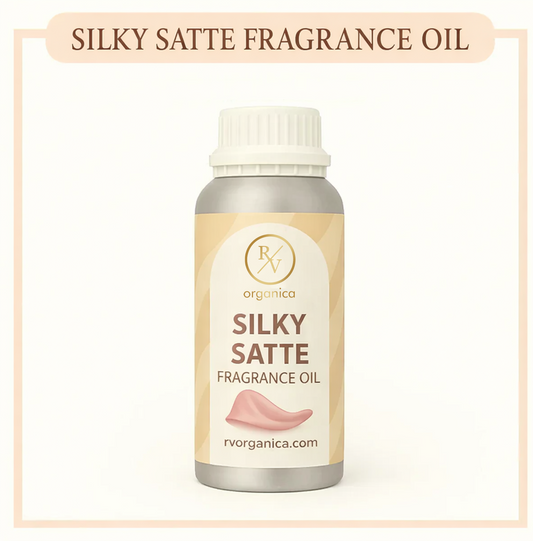
 50% OFF
Silky Satte Fragrance Oil
Regular price From Rs. 499.00Regular priceUnit price perRs. 1,000.00Sale price From Rs. 499.00Sale -
 50% OFF
Green Lush Fragrance Oil
Regular price From Rs. 449.00Regular priceUnit price perRs. 900.00Sale price From Rs. 449.00Sale -
 50% OFF
Fresh Linen Fragrance Oil
Regular price From Rs. 449.00Regular priceUnit price perRs. 900.00Sale price From Rs. 449.00Sale -

 50% OFF
Candy Corn Fragrance Oil
Regular price From Rs. 399.00Regular priceUnit price perRs. 800.00Sale price From Rs. 399.00Sale -

 50% OFF
Tring Fragrance Oil
Regular price From Rs. 449.00Regular priceUnit price perRs. 900.00Sale price From Rs. 449.00Sale -
 50% OFF
Apranji Fragrance Oil
Regular price From Rs. 399.00Regular priceUnit price perRs. 800.00Sale price From Rs. 399.00Sale


Winter Fragrance Oils Warm Blends for Candles, Diffusers and Personal Care
Winter fragrance oils are blends built around a high proportion of base-heavy notes resins, spices, vanillic accords, and woods chosen because they hold their character at lower ambient temperatures instead of fading the way light top notes do. RV Organica's winter fragrance oils collection is focused specifically on warm, resinous, and spice-forward blends suited to Indian winters, spanning the Diwali transition through January.
What makes a fragrance oil a "winter" fragrance oil
Not every warm-smelling oil qualifies. Rose and mogra carry warmth too, but they lean on floral midnotes that read as year-round or bridal rather than seasonal. What actually defines a winter blend is the weight and longevity of its base — sandalwood, oudh, vetiver, saffron, and clove hold through cold air in ways lighter materials simply don't.
This distinction matters in India roughly from October through February across northern and central states, when cooler nights slow scent diffusion and base materials stay prominent for far longer than they do in April. Citrus, aquatic, and fresh floral top notes tend to disappear before they reach across a room in that weather.
The "cosy home" language common in seasonal fragrance marketing is imprecise but not wrong — it usually points to a blend with low volatility, a strong base-to-top ratio, and reliable cold-throw performance. Those are formulation characteristics, and asking a supplier about them directly, rather than about mood language, gets to a better sourcing conversation faster.
How winter fragrance oils perform by application
Candle making
Clove, cinnamon, and spice-forward blends are popular for winter candle collections because the throw is unmistakable. In soy wax, a fragrance load of 6 to 10 percent is typical; paraffin handles slightly more and amplifies spice projection, which matters when strong room-filling throw is the goal. Spice blends need more cure time than florals — a minimum of 48 hours before testing hot throw, with many improving noticeably by 72 hours.
Clove is one of the more reactive materials in cold process soap, where it can accelerate trace or cause discoloration, but it behaves well in candle wax. Vanilla and vetiver are more forgiving across most wax types and deliver reliable cold throw, which drives retail shelf decisions more than most makers expect.
Diffusers and home use
Base-note-heavy oils suit reed diffusers better than lighter blends. Reed diffusion is slow, and resins like sandalwood and oudh don't front-load their scent in the first week — they release gradually across four to six weeks, which is the behavior a reed format actually needs. Electric systems push scent out faster, so a resinous blend should start at 3 to 4 drops rather than the higher amounts that work with lighter oils.
Saffron works well in electric diffusers but is easy to overdo — two drops is often enough for a medium-sized room, and one drop of oudh may be the ceiling for a small pooja space. These are dense, concentrated materials, and the instinct to add more is usually the wrong call.
Personal care
Vanilla, sandalwood, and cardamom translate reliably into lotions and body creams, typically at 0.5 to 2 percent fragrance oil in the finished formula, though this varies with the base and the specific IFRA limits for that oil. A fragrance oil rated for candles is not automatically safe for skin application — IFRA limits for leave-on products run considerably lower than for ambient or rinse-off use. Requesting the COA and MSDS and checking category-specific limits before formulating is not optional here. Cardamom at high concentrations can read as sharp rather than spiced on skin; staying at 1 percent or below generally avoids that.
Soap making
Cold process soap exposes fragrance oils to alkaline conditions — pH 9 to 11 — that some materials don't survive intact. Cinnamon and clove both have reputations for accelerating trace in CP bases; adding fragrance around 40°C, keeping stick blending minimal at that stage, and running a small test batch first is the reliable approach. Melt-and-pour is considerably more forgiving. Vetiver performs well in both formats, staying stable in high-pH environments and developing a pleasant smokiness during cure that often improves noticeably between weeks two and six.
How to choose the right winter fragrance oil
Application comes first. The same fragrance oil can perform well in a soy candle and be genuinely problematic in a cold process soap — that's chemistry, not a quality issue. Resins and spice materials have different stability profiles across manufacturing conditions, and assuming cross-application compatibility without testing is how batch losses happen at the worst possible time. For soap-specific sourcing, RV Organica's soap fragrance collection includes oils stability-tested for that application.
For candle collections targeting Diwali and winter gifting: spice notes like clove and cinnamon are high-impact but can feel one-dimensional alone. Pairing clove with vanilla, or cinnamon with sandalwood, gives the blend range across the fragrance pyramid, while resinous bases like oudh add longevity and support higher retail price points in gifting lines.
Reed diffuser sourcing is a different brief entirely. Base-note-heavy oils hold through the full lifespan of a reed setup, while pure spice blends fade in the final weeks and can leave a thin or off-putting residue once the top notes dissipate. For that format, sandalwood, vetiver, or saffron-based options will outperform a cinnamon-led blend originally developed for candle projection.
For any sourcing purpose, COA and MSDS should be non-negotiable. COA confirms batch composition; MSDS covers handling safety, dilution guidance, and application parameters. A supplier who can't provide both with an order isn't offering a cost saving.
Bulk buyers should also plan around India's seasonal storage realities. Between March and October, temperatures across most of the country push 35 to 45°C, and fragrance oils degrade under sustained heat — even stable, base-heavy resins shift if stored improperly through summer. Procuring in bulk for a Diwali launch is better handled in March or April, with proper storage in dark glass below 25°C, than as a last-minute October order where both quality and availability come under pressure.
Popular winter fragrance oils
Oudh Twist Fragrance Oil — Dark, resinous, and dense, performing best in luxury candle lines and reed diffusers where slow, long-lasting diffusion is the goal. A little goes further than expected, which works in its favor on cost. Needs careful dosing in enclosed pooja spaces.
Kesar Chandan Fragrance Oil — A saffron-sandalwood blend that leans distinctly Indian without being niche. Warm enough to register as seasonal, grounded enough not to alienate buyers unfamiliar with heavier Indian fragrance profiles, making it one of the more culturally legible options for winter gifting.
Sandalwood Fragrance Oil — Chandan's softer, more neutral character makes it the most blendable option in this category, working consistently in personal care ranges like lotions and grooming products. Cold throw in candles is reliable, though hot throw is mild compared to spice-forward alternatives.
Saffron Fragrance Oil — Warm, slightly smoky, and distinctly festive. At full concentration it reads rich and premium; at lower dilutions, it layers into a blend without dominating. The kesar association in Indian markets is strong, and seasonal gifting lines use it precisely for that recognition factor.
Clove Fragrance Oil — One of the few materials that anchors a winter candle product rather than simply complementing one, with strong projection and a spice character most buyers recognize immediately. A small CP soap test is worth running before committing full batches.
Vanilla Fragrance Oil — The softest option here, better suited to personal care formulations and blending than standalone candle use. Rounds out sharp spice notes and performs cleanly in wax, often used as the base note anchor in personal care ranges where cinnamon or cardamom carries the midnote.
Vetiver Fragrance Oil — More niche than the others listed, but worth understanding. Its earthy, smoky character develops during cure in cold process soap, often reading quite differently at week six than at week one. In candles, the throw is quieter, suited to slow-burn or quiet-luxury positioning rather than high-projection seasonal launches.
Browse the complete fragrance oil collection at RV Organica for additional seasonal and blended options.
About RV Organica
RV Organica supplies fragrance oils in packaging sizes from 50g to 25kg, with COA and MSDS documentation included on every batch order. Bulk pricing applies from 1kg upward, and orders can be placed directly at rvorganica.com.
Frequently asked questions
What makes a fragrance oil suitable for winter blends specifically? A high proportion of base-heavy notes — resins, spices, and woods like sandalwood, oudh, vetiver, saffron, and clove — that hold their character in cooler air, unlike light top notes such as citrus or fresh florals which fade quickly.
Can winter fragrance oils be used in skin care products? Only if they're rated for leave-on use under IFRA limits, which are considerably stricter than limits for candles or rinse-off products. Always check the COA and MSDS for category-specific limits before formulating.
Do winter fragrance oils work in cold process soap? Some do well, others need caution. Vetiver is stable across the alkaline pH of cold process soap and develops smokiness during cure, while clove and cinnamon can accelerate trace and require careful handling and a small test batch first.
Why does oudh work better in diffusers than spice blends? Oudh and other resinous, base-heavy oils release gradually over four to six weeks in a reed diffuser, matching the format's slow diffusion. Spice-forward blends tend to fade in the final weeks and can leave a thin residue once the top notes dissipate.
When should bulk winter fragrance oil orders be placed for a Diwali launch? March or April is preferable to a last-minute October order, since Indian summer temperatures of 35 to 45°C degrade fragrance oils in storage, and proper stock planning avoids both quality loss and availability pressure closer to the season.
- Choosing a selection results in a full page refresh.
- Opens in a new window.