


Camphor Fragrance Oil
Cool & Refreshing Aroma | Pure Camphor Scent | Clean & Uplifting Character | Perfect for Soaps & Home Fragrance | Fresh & Long-Lasting
- Unlock 10% OFFON FIRST ORDER ABOVE ₹1499
- Flat 10% OFF Navratri SaleOn all orders
- Flat 12% OFFABOVE ₹25,000
- Flat 13% OFFABOVE ₹50,000
- Flat 14% OFFABOVE ₹75,000
- Flat 15% OFFABOVE ₹1,00,000
Need large quantity? Contact us for bulk orders →
Couldn't load pickup availability
Frequently Bought Together

Camphor Fragrance Oil
Rs. 499.00

Sweet Marjoram Essential Oil
Rs. 749.00

Cactus Seed Carrier Oil
Rs. 599.00



Our Certifications


Recently Viewed
Camphor fragrance oil: uses, benefits, and everything you need to know before buying
There are very few scents that feel both ancient and clinical at the same time. Camphor is one of them. It shows up in temples, in medicine cabinets, in the chest rubs your grandmother swore by, and increasingly in the product lines of serious soap makers, candle studios, and cosmetic formulators. The scent is sharp, cool, and unmistakably itself. You know it the moment you smell it.
Camphor fragrance oil brings that character into formulation work in a way that is consistent, scalable, and significantly more practical than working with steam-distilled camphor essential oil. Whether you are building a wellness soap line, a therapeutic candle collection, or a cleaning product that needs a clean medicinal nose, camphor fragrance oil is worth understanding properly before you add it to your supply list.
This article covers what camphor fragrance oil actually is, how it differs from camphor essential oil, what it smells like in practice, where it performs well across different product categories, and what to check before buying.
What is camphor fragrance oil
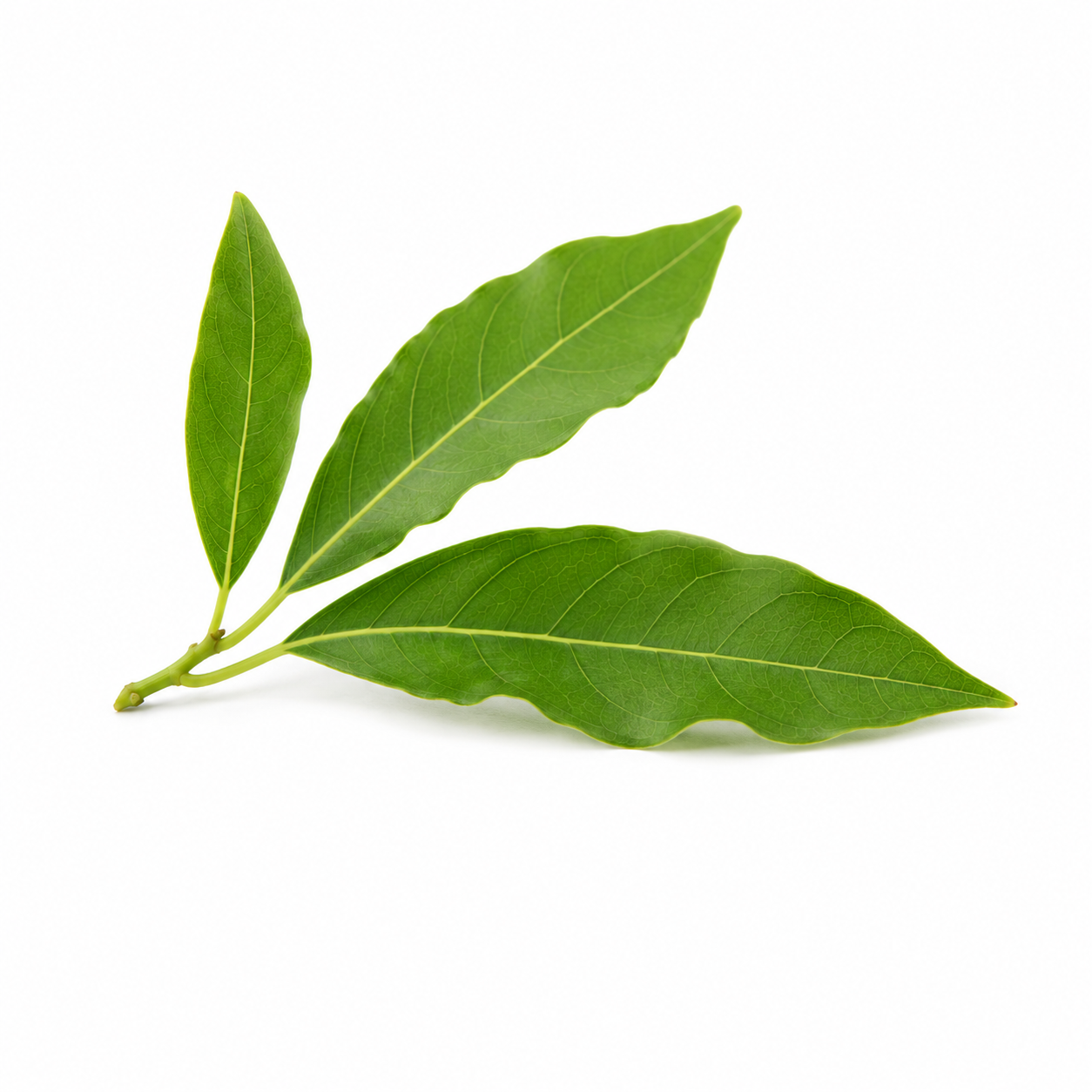
Camphor fragrance oil is a synthetic aromatic compound that replicates the scent of natural camphor. Natural camphor comes from the wood and bark of Cinnamomum camphora, a large evergreen tree native to East Asia and now cultivated across tropical regions. The tree, when steam-distilled, yields camphor essential oil, a complex volatile compound with documented therapeutic properties and a very distinctive sharp, minty, medicinal aroma.
Camphor fragrance oil does not come from the tree directly. It is manufactured using synthetic aroma chemicals, sometimes blended with fractions of natural aromatic materials, to produce a scent profile that accurately mirrors the camphor character. This makes it far more price-stable than the essential oil, consistent across production batches, and better suited for use in high-volume manufacturing where scent uniformity matters.
For most fragrance applications, the distinction matters less than people expect. The scent character is faithful, the performance in common bases is reliable, and the sourcing challenges that come with natural camphor are entirely avoided.
Camphor fragrance oil vs camphor essential oil
People often wonder whether they should be using camphor essential oil instead. The answer depends entirely on what you are making and what role you want the ingredient to play.
Camphor essential oil contains camphor as an active chemical compound. It has a documented history of use in topical pain relief formulations, respiratory preparations, and traditional medicine across many cultures. However, it also comes with real handling considerations. Camphor in concentrated form is toxic if ingested, and some regulatory frameworks cap usage levels in cosmetic products fairly strictly. The essential oil is also price-volatile because it depends on agricultural supply chains, and scent consistency can vary between distillations.
Camphor fragrance oil sidesteps most of these complications. It is a pure fragrance ingredient, designed to deliver scent. It does not carry the bioactive properties of the essential oil, which means it is not a substitute for therapeutic applications. But for soap, candles, room fresheners, and cosmetic formulations where the goal is scent and character rather than clinical function, it is the more practical and consistent choice.
If your product label makes no therapeutic claims and you simply want the camphor scent in your formulation, camphor fragrance oil is the right ingredient for the job.
The scent profile of camphor fragrance oil
Camphor has a cooling, sharp, clean top note that settles into a slightly woody, herbal base. It does not have sweetness. It does not have floral character. It reads as medicinal and functional, which is exactly what makes it so useful in certain product categories.
In blending, camphor fragrance oil pairs naturally with eucalyptus, peppermint, pine needle, tea tree, and lavender. These combinations produce what most consumers recognise as the classic wellness or respiratory scent profile, common in therapeutic soap bars, chest rubs, steam products, and meditative candles. It also pairs well with cedarwood and sandalwood for a cooler woody blend, and with citrus notes like lemon or lime for a clean, antiseptic-leaning freshness that suits cleaning products and floor care concentrates.
On its own, camphor fragrance oil reads confidently as a solo note. Many products use it without additional fragrance, letting the camphor character stand without dilution. This works particularly well in products where clarity and function are the core promise to the consumer.
Camphor fragrance oil in soap making
Soap making is one of the most common applications for camphor fragrance oil, and for good reason. The scent holds well through saponification, which is not something you can say about every fragrance oil. Many delicate florals or light citrus fragrances fade significantly during cold process or accelerate trace in ways that make them difficult to work with at scale. Camphor fragrance oil does not typically cause these problems.
In cold process soap, camphor fragrance oil performs predictably at 2 to 3 percent of total oil weight. It does not tend to accelerate trace or cause ricing in standard formulations, though testing in your own recipe before scaling is always the right approach. In melt-and-pour bases, 1 to 2 percent is usually sufficient. The scent survives the process without significant loss and remains noticeable through the full life of the bar.
Soap products that benefit most from camphor fragrance oil include therapeutic bar soaps positioned around skin cooling or clarity, antibacterial concept soaps, scalp and dandruff shampoo bars, and foot care soaps where a sharp, clean, medicinal character reinforces what the product does. These products sell consistently across both retail and wholesale channels, and camphor is one of the fragrance notes that translates across consumer demographics without needing much explanation.
Camphor fragrance oil in candle making
Camphor fragrance oil works well in most wax types. In soy wax, which is the most common choice for premium lifestyle candles, camphor produces a good cold throw and a satisfying hot throw at standard fragrance loads. Starting your testing at 6 percent of wax weight and adjusting based on throw performance is a sensible approach.
In paraffin wax, the throw is often stronger because paraffin carries fragrance more aggressively. Coconut wax blends also perform well with camphor fragrance oil, and the cooler burn profile of coconut wax suits the clean, cooling character of camphor quite naturally. If you are blending wax types, camphor performs consistently across combinations and does not introduce complications that require formula adjustments beyond your standard testing protocol.
Camphor candles position well in wellness, meditation, and spa collections. The scent communicates clarity and calm without reading as sweet or decorative, which makes it popular with buyers who want functional home fragrance rather than something purely ornamental. The scent profile also has significant cultural recognition across South Asian markets, which gives camphor candles built-in consumer familiarity that translates directly to retail velocity in these regions.
One practical note: camphor fragrance oil flash points vary by formulation. Check the technical data sheet from your supplier and ensure your candle production process accounts for the specific flash point of the batch you are working with.
Camphor fragrance oil in personal care and cosmetic products
In cosmetic formulations, camphor fragrance oil serves as a scent ingredient in products that benefit from its cooling, medicinal character. Body wash, shampoo, conditioner, scalp serums, foot creams, and pain relief balm bases are all natural candidates. The scent communicates cleanliness and efficacy to consumers in a way that soft or sweet fragrances cannot match in this product category.
Standard cosmetic fragrance usage rates of 0.5 to 1.5 percent apply in rinse-off and leave-on personal care products. For foot care products or topical balms where a stronger camphor character is appropriate and expected, usage rates up to 3 percent are common, though compliance with relevant cosmetic safety guidelines for your specific market should always be verified before finalising any formulation.
Products aimed at dandruff control, cooling body care, athletic recovery, or medicated-feeling foot care consistently benefit from camphor fragrance oil. The scent does work for the product that the packaging often promises, which makes it a reliable choice for formulators building products with a functional positioning rather than a purely aesthetic one.
Camphor fragrance oil in home and cleaning products
The household care sector is where camphor fragrance oil sees some of its highest volume use. Room fresheners, floor cleaning liquids, toilet cleaners, mosquito repellent sprays, incense sticks, and dhoop cones all rely on camphor scent as a defining character ingredient.
In South Asian markets, camphor has deep cultural and religious familiarity. It is associated with purity, cleanliness, and ritual, which makes it a trusted scent in home care categories that need consumer confidence. Manufacturers producing floor cleaners or disinfectant products for the Indian domestic market frequently cite camphor alongside pine and phenol as the scent profiles that test best with their target consumers. That kind of built-in trust is difficult to engineer with a new or unfamiliar fragrance note.
For cleaning concentrates and room fresheners, usage rates of 3 to 5 percent are typical depending on the base and desired intensity. Incense and dhoop applications vary significantly by base composition and require individual testing to find the right load for adequate throw without overpowering the blend.
How to identify quality camphor fragrance oil
Not all camphor fragrance oils smell the same or perform the same way in formulation. A few things are worth checking before committing to a supplier.
The scent should be sharp and clean on first impression, with the cooling minty-medicinal character that defines camphor. Off-notes, a dull or flat smell, or anything that reads more like cleaning fluid than true camphor are signs the formulation is not well made or that the raw materials are low quality.
Ask your supplier for a technical data sheet that includes flash point, recommended usage rates by application type, and any restrictions for cosmetic use. A supplier who can provide this documentation without hesitation is more likely to be operating to documented quality standards. For buyers sourcing fragrance oil for personal care products, GMP and ISO certification from the manufacturer are not optional credentials. They mean the production environment, raw material sourcing, and quality control processes are documented and subject to external audit.
Storage and shelf life
Camphor fragrance oil should be stored in a sealed container in a cool, dry place away from direct sunlight. Heat and light accelerate the degradation of aromatic compounds and shorten usable shelf life. Under proper storage conditions, camphor fragrance oil typically has a shelf life of 24 months from the date of manufacture.
It is a flammable material and should be kept away from open flame and heat sources. Handle with care, avoid prolonged skin contact with the undiluted oil, and wash hands thoroughly after handling. For cosmetic applications, conduct appropriate patch testing at intended usage rates and ensure your formulation falls within safe cosmetic fragrance limits for your target market and regulatory jurisdiction.
Where to buy camphor fragrance oil in India
RV Organica manufactures and supplies camphor fragrance oil directly from our facility in Panipat, Haryana. Our production operates under GMP, ISO 9001, Kosher, Halal, FSSAI, WHO-GMP, HACCP, ZED, and MSME certification, and we supply to soap makers, candle studios, cosmetic brands, cleaning product manufacturers, aromatherapy businesses, and B2B buyers across India and for export orders.
You can order directly from our online store at rvorganica.com. Sample quantities are available for product developers who need to test the oil in their formulations before committing to larger volumes. Bulk packaging is available for established manufacturers with recurring requirements. Use code FIRSTORDER on your first order for an introductory discount, and enjoy free shipping on orders above Rs. 999.
If you have formulation questions before ordering, our team can help with usage rate guidance, compatibility queries, and any documentation requirements your finished product may need.
Conclusion
Camphor fragrance oil earns its place in a formulator's supply list because it does something very few ingredients manage: it delivers a scent memory that consumers already carry before they open the product. That built-in recognition, combined with reliable performance across soap, candles, personal care, and home cleaning applications, makes it one of the more dependable aromatic ingredients to work with.
Whether you are developing a new product line or restocking an ingredient that has been in your formula for years, sourcing from a GMP-certified, ISO-audited manufacturer means the quality you formulate with today is the quality you can depend on next season.
Product Specification
| Product Name | Camphor Fragrance Oil |
|---|---|
| Botanical Name | Cinnamomum camphora (L.) J.Presl |
| CAS No | 8008-51-3 |
| Country of Origin | China |
| F.E.M.A # | 2231 |
| Specific Gravity | 0.935 – 0.960 g/ml (@20°C) |
| Moisture Content | ≤0.1% |
| Refractive Index | 1.4750 – 1.4850 (@20°C) |
| Flash Point | >45°C |
| Acid Value | Not Specified |
| Relative Density | 0.935 – 0.960 g/ml (@20°C) |
| Form | Liquid |
| Consistency | Light to Medium Viscous Liquid |
| Shelf Life | 2 Years |
| Packaging Type | As Per Requirement |
| Extraction or Processing Method | Steam Distillation of wood of Cinnamomum camphora |
| Solubility | Insoluble in Water. Soluble in Alcohol and Fixed Oils. |
| Color & Odor | Colourless to Light Yellow; Strong, Sharp, Camphoraceous Aroma with Cool, Medicinal Undertones |
| Major Constituents | Camphor (30–50%), Eucalyptol/1,8-Cineole (5–16%), Safrole (2–18%), α-Pinene, Camphene |
| Blends With | Eucalyptus, Rosemary, Lavender, Peppermint, Tea Tree, Frankincense, Bergamot, Cedarwood |

- Choosing a selection results in a full page refresh.
- Opens in a new window.
