
Essential Oils for Hair Care
Buy Essential Oils for Hair Care in Bulk
-

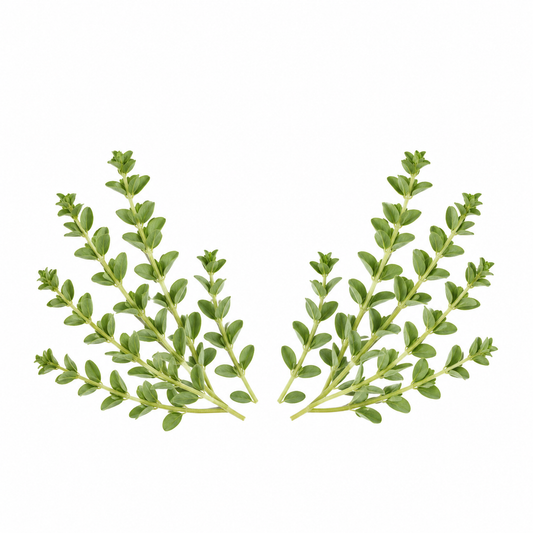 10% OFF
Thyme Essential Oil
Regular price From Rs. 449.00Regular priceUnit price perRs. 500.00Sale price From Rs. 449.00Sale -

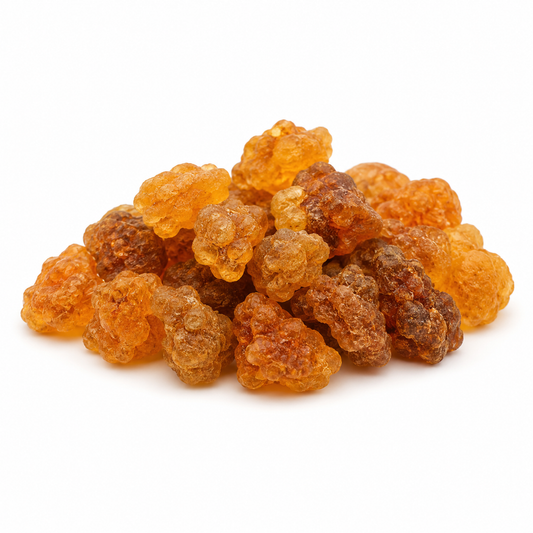 42% OFF
Myrrh Essential Oil
Regular price From Rs. 1,159.00Regular priceUnit price perRs. 2,000.00Sale price From Rs. 1,159.00Sale -

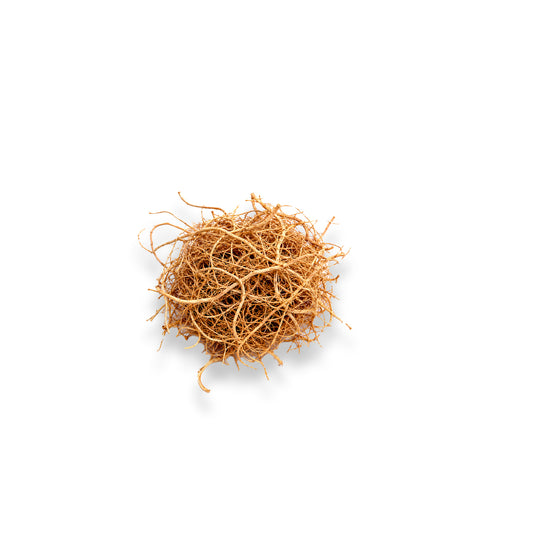 78% OFF
Vetiver Essential Oil
Regular price From Rs. 1,299.00Regular priceUnit price perRs. 6,000.00Sale price From Rs. 1,299.00Sale -

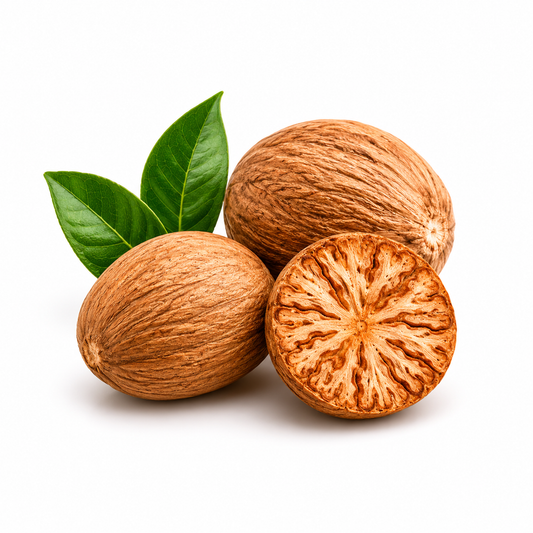 30% OFF
Nutmeg Essential Oil
Regular price From Rs. 449.00Regular priceUnit price perRs. 650.00Sale price From Rs. 449.00Sale -

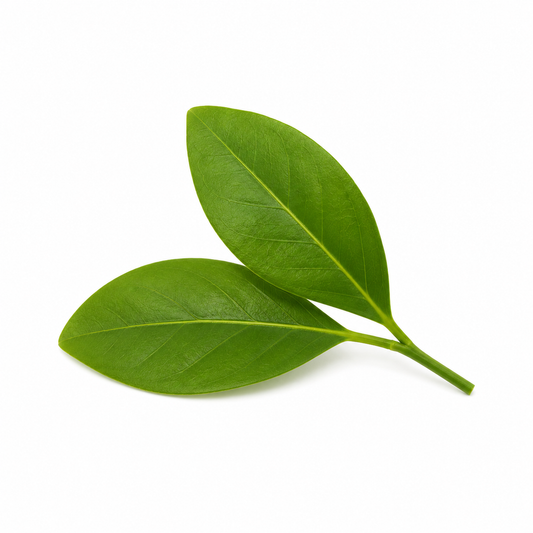 50% OFF
Petitgrain Essential Oil
Regular price From Rs. 499.00Regular priceUnit price perRs. 1,000.00Sale price From Rs. 499.00Sale -

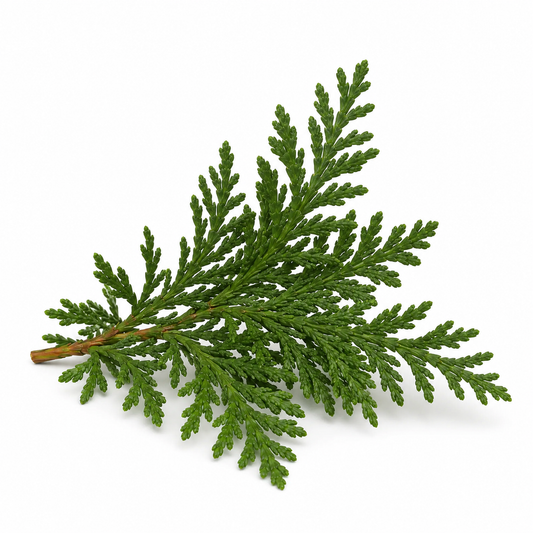 30% OFF
Cypress Essential Oil
Regular price From Rs. 449.00Regular priceUnit price perRs. 650.00Sale price From Rs. 449.00Sale -

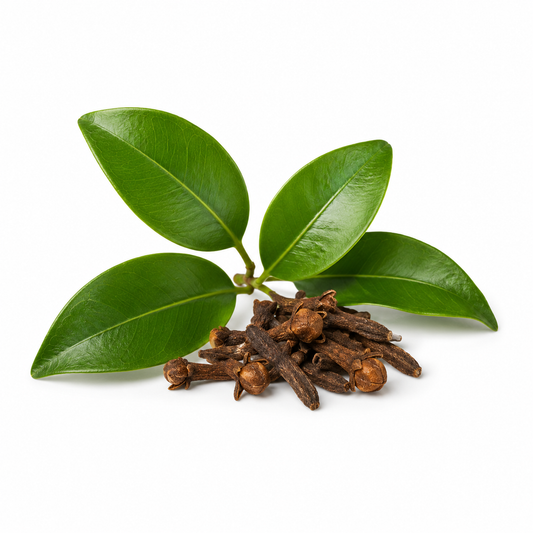 55% OFF
Clove Leaf Essential Oil
Regular price From Rs. 449.00Regular priceUnit price perRs. 1,000.00Sale price From Rs. 449.00Sale -

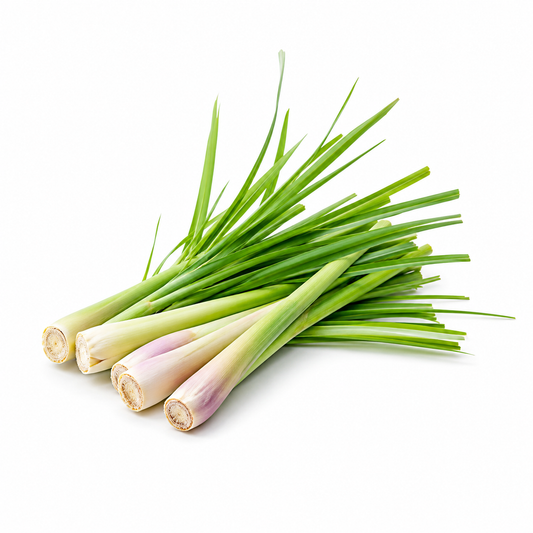 50% OFF
Palmarosa Essential Oil
Regular price From Rs. 699.00Regular priceUnit price perRs. 1,400.00Sale price From Rs. 699.00Sale -

 43% OFF
Cajeput Essential Oil
Regular price From Rs. 399.00Regular priceUnit price perRs. 700.00Sale price From Rs. 399.00Sale


About Essential Oils for Hair Care

Essential Oils for Hair Care
Quick answer: Essential oils for hair care are always diluted into a carrier oil before scalp use, typically 2 to 3 percent, or 10 to 15 drops per 30ml of coconut, jojoba, or castor oil. Rosemary and cedarwood are used for circulation and density, tea tree and lemongrass for flaky or dandruff-prone scalp, clary sage for oil balance, and hibiscus for conditioning. Massage into the scalp, leave 30 minutes to overnight, then wash. Patch test before first use.
RV Organica is an essential oil manufacturer based in Panipat, Haryana, India, supplying hair care essential oils to retail buyers and bulk manufacturers across the country and internationally. This collection covers essential oils used in hair oil blends, scalp massage oils, hair masks, and leave-in serums - rosemary, tea tree, lavender, lemongrass, cedarwood, hibiscus, clary sage, and spearmint.
Browse the full essential oils for hair care collection to see all eight oils currently in stock.
What Is Included in the Essential Oils for Hair Care Collection?
Each oil here targets a different scalp or hair concern rather than functioning interchangeably. Rosemary and cedarwood work on circulation and density. Tea tree and lemongrass address fungal and flaky-scalp issues. Clary sage balances oil production. Hibiscus carries the traditional Ayurvedic association with conditioning and reduced hair fall. As an essential oil manufacturer in India, RV Organica processes every batch at its own Panipat, Haryana facility, so concentration and purity stay consistent whether you're buying a single bottle or sourcing in bulk for a finished hair-care product.
None of these oils are meant for direct scalp application. They're always blended into a carrier oil - coconut, jojoba, or sesame - since using any of them neat on the scalp risks irritation rather than the benefit you're going for.
How Do You Use Essential Oils for Hair Growth and Scalp Care?
The right ratio depends on what you're making and how long it stays on the hair or scalp.
Scalp massage oil. Mix 2 to 3 drops of essential oil per tablespoon of carrier oil, massage into the scalp, and leave on anywhere from 30 minutes to overnight before washing out.
Hair masks. Add 3 to 4 drops directly into a yogurt, henna, or hibiscus-paste base right before application, rather than pre-mixing and storing it. Like facial masks, the aromatic and active profile shifts once mixed into a wet base, so freshness at the point of use matters.
Leave-in serums. Keep dilution low - around 0.5 to 1% in a lightweight carrier or serum base - since this stays on the hair without a wash-out step.
Custom hair oil blends. Combine two or three oils suited to one goal - growth, dandruff control, or oil balance - at a combined 3 to 5% concentration in the carrier base. Mixing oils from different goals into a single bottle usually waters down what each one is actually good at.
Which Essential Oils Are Best for Hair Fall, Dandruff, and Scalp Health?
All eight oils in the hair care essential oils collection are sold individually and in bulk sizes for manufacturers building their own hair-care products.
Rosemary is the standard pick for circulation and hair density, and it anchors most growth-focused blends in this collection. It pairs naturally with cedarwood for a deeper, more grounding growth oil, and with peppermint-family oils like spearmint when the goal is a cooling, stimulating scalp treatment rather than a heavier conditioning one.
Tea tree brings genuine antifungal activity, which makes it the go-to for dandruff and flaky-scalp concerns rather than a general-purpose addition. It combines well with lemongrass for a double-action antifungal blend during monsoon, and with lavender when a formulation needs to calm irritation alongside treating the underlying fungal issue.
Lavender doesn't carry a strong seasonal lean - it works year-round as a calming base note in any blend, mainly through its effect on scalp irritation and the stress-reduction angle of a regular massage ritual. It softens stronger oils like tea tree and rosemary when used alongside them, which is why so many multi-oil blends include a small lavender component even when it isn't the headline ingredient.
Lemongrass pairs antifungal benefits with a lighter feel than tea tree, useful when a blend needs to address dandruff without sitting heavy on the scalp. It works well alongside clary sage in oily-scalp formulations, since both oils are addressing buildup from different angles.
Cedarwood works on circulation alongside rosemary and brings a grounding, sebum-balancing character that suits richer winter blends. On its own, it tends to read as too heavy for a leave-in product, which is why it almost always shows up paired with a lighter oil rather than used solo.
Hibiscus carries the traditional Ayurvedic reputation for conditioning and reduced hair fall, and it's a frequent choice in deep-conditioning masks rather than lightweight oils. It blends particularly well into a yogurt or henna paste base, which lines up with how it's traditionally used in Indian hair-care routines.
Clary sage balances oil production, making it the better option for scalps that run oily rather than dry. It's a common pairing with lemongrass in summer and monsoon formulations aimed at oil and humidity control together.
Spearmint acts as a gentler, less intense alternative to peppermint for cooling and circulation - a reasonable choice for sensitive scalps in any season. It pairs well with rosemary when the goal is a stimulating blend that doesn't tip into the intensity of straight peppermint.
Which Carrier Oils Are Best for Essential Oil Hair Blends?
The carrier oil isn't just a delivery vehicle - it affects how the finished blend feels and performs. Coconut oil is the most widely used base in Indian hair care, and it suits most of the oils in this collection well, particularly hibiscus and rosemary. Jojoba oil sits closer to the scalp's natural sebum, which makes it a lighter option for leave-in serums or anyone with a finer hair texture that gets weighed down easily by coconut oil. Sesame oil carries its own warming quality in Ayurvedic tradition and pairs especially well with cedarwood and rosemary in winter blends aimed at circulation. Whichever base you choose, the essential oil ratio stays the same - it's the carrier that changes texture and absorption, not the active ingredient.
What Are Common Mistakes When Using Essential Oils for Hair Care?
Applying essential oil directly to the scalp without diluting it is the most frequent mistake, and it's the one most likely to cause irritation rather than the benefit a person is going for. Pre-mixing a large batch of hair mask and storing it for later use is another common shortcut that costs more than it saves - the essential oil's profile shifts once it's sitting in a wet base, so what goes on the scalp a week later isn't quite what was intended. Mixing oils aimed at different goals into one bottle is the third common error; a blend built for both dandruff control and deep conditioning at once usually does a mediocre job of both rather than a good job of either.
Which Hair Care Oil Is Best for Each Season in India?
The full hair care collection covers all three Indian seasons, so you can switch oils without sourcing from elsewhere.
Summer (March to June). Heat and sweat push scalps toward excess oil and buildup, so clary sage is the better pick for balancing sebum production. Lemongrass works well as a lighter antifungal option that doesn't feel heavy in the heat, and tea tree helps with any heat-related scalp irritation through this stretch.
Monsoon (June to September). Humidity is when dandruff and fungal scalp issues spike, and tea tree and lemongrass are built for exactly this - both carry genuine antifungal activity, and lemongrass specifically helps control the oily, damp scalp feeling that monsoon humidity brings on.
Winter (October to February). Drier air increases scalp dryness and flaking from dehydration rather than fungal causes, along with noticeably more hair fall for a lot of people. Rosemary is the season's main pick for circulation and density, cedarwood pairs well with it for a grounding, sebum-balancing winter blend, and hibiscus suits deep-conditioning masks when hair tends to feel drier and more brittle through these months.
| Season | Best oils | Why |
|---|---|---|
| Summer | Clary Sage, Lemongrass, Tea Tree | Balances oil and sweat buildup, light antifungal relief from heat irritation |
| Monsoon | Tea Tree, Lemongrass | Antifungal action against humidity-driven dandruff and oily scalp |
| Winter | Rosemary, Cedarwood, Hibiscus | Circulation, density, and deep conditioning for dry-weather hair fall |
Why Does Essential Oil Quality Matter for Hair Care Manufacturers?
Hair oils are a category where adulteration is common - diluted batches, synthetic substitutes sold as natural extracts, or inconsistent concentration from one bottle to the next. None of that shows up immediately; it shows up months in, when a blend that worked before suddenly doesn't. That's part of why batch-level documentation matters more for hair care oils than it might seem at first. A Certificate of Analysis tells you what's actually in the bottle, not just what the label claims, and it's the difference between a formulation that performs consistently and one that quietly stops working without an obvious reason why.
For manufacturers building a hair-care line, this consistency also affects regulatory and labeling accuracy - if the active concentration shifts between batches, the finished product's claims shift with it, whether anyone intended that or not.
Whether you're mixing a single scalp oil at home or sourcing in bulk for a hair-care line, every oil in this collection is processed at RV Organica's Panipat, Haryana manufacturing facility and ships with proper documentation. Browse current stock and pricing on the RV Organica essential oils for hair care page before placing an order.
- Choosing a selection results in a full page refresh.
- Opens in a new window.
