
Essential Oils for Skin
Buy Essential Oils for Skin in Bulk
-

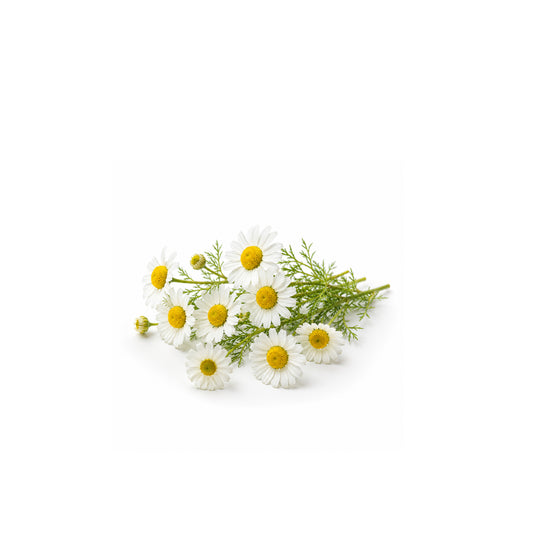 10% OFF
Chamomile Essential Oil
Regular price From Rs. 1,349.00Regular priceUnit price perRs. 1,500.00Sale price From Rs. 1,349.00Sale -

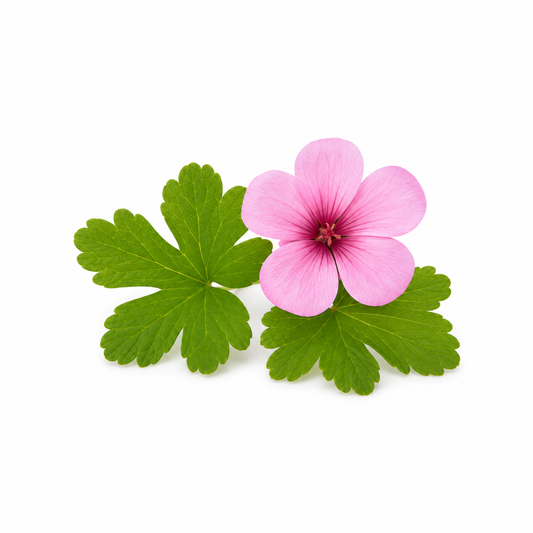 30% OFF
Rose Geranium Essential Oil
Regular price From Rs. 699.00Regular priceUnit price perRs. 1,000.00Sale price From Rs. 699.00Sale -

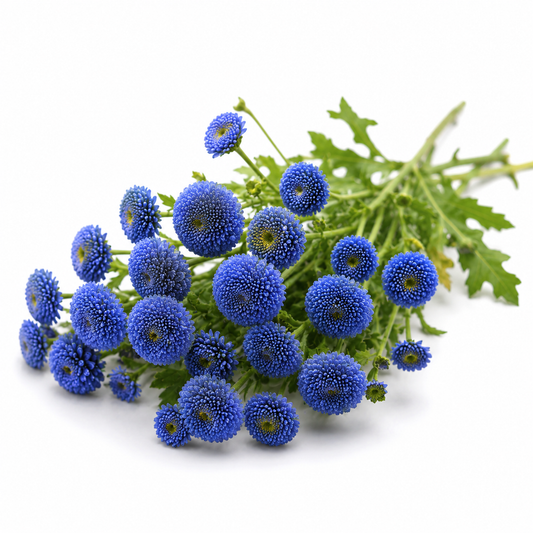 37% OFF
Blue Tansy Essential Oil
Regular price From Rs. 1,499.00Regular priceUnit price perRs. 2,400.00Sale price From Rs. 1,499.00Sale -

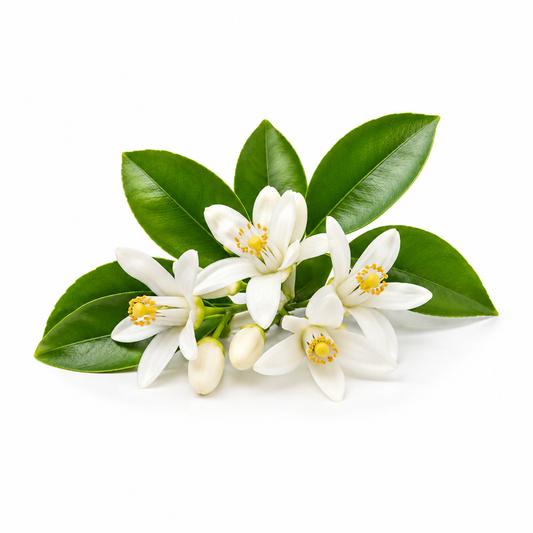 45% OFF
Neroli Essential Oil
Regular price From Rs. 2,199.00Regular priceUnit price perRs. 4,000.00Sale price From Rs. 2,199.00Sale -

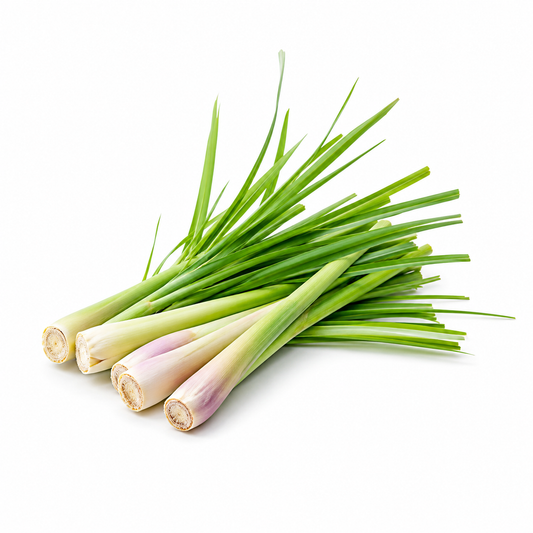 50% OFF
Palmarosa Essential Oil
Regular price From Rs. 699.00Regular priceUnit price perRs. 1,400.00Sale price From Rs. 699.00Sale -

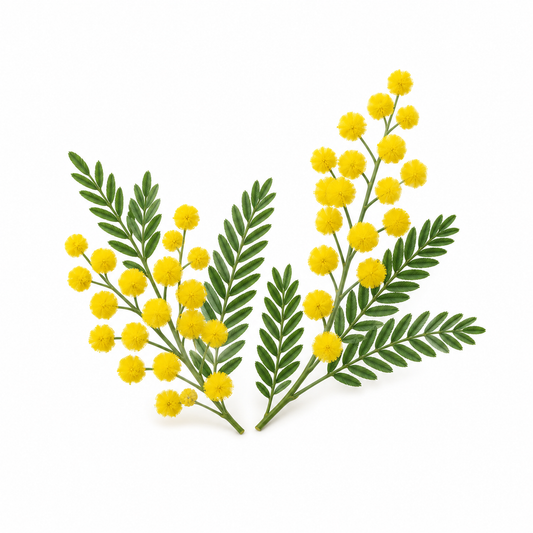 50% OFF
Mimosa Essential Oil
Regular price From Rs. 749.00Regular priceUnit price perRs. 1,500.00Sale price From Rs. 749.00Sale -

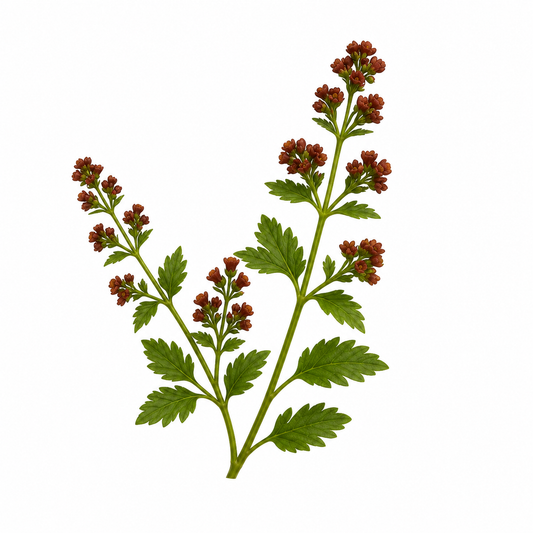 48% OFF
Davana Essential Oil
Regular price From Rs. 2,249.00Regular priceUnit price perRs. 4,400.00Sale price From Rs. 2,249.00Sale -

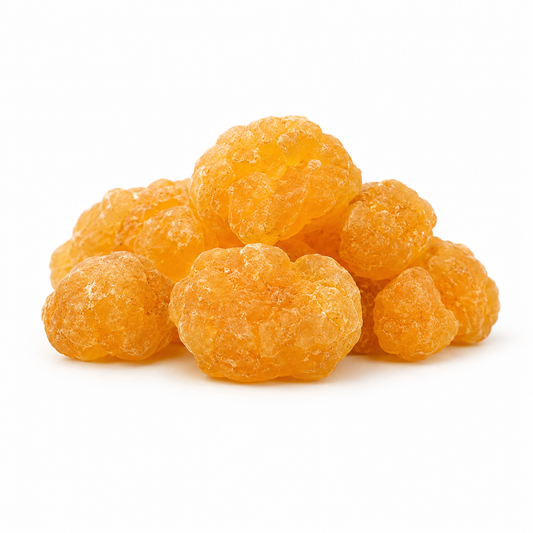
Copaiba Balsam Essential Oil
Regular price From Rs. 499.00Regular priceUnit price perRs. 449.00Sale price From Rs. 499.00 -

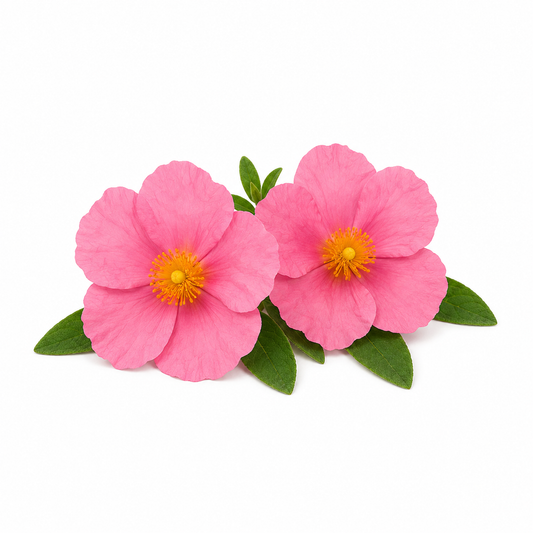 20% OFF
Cistus Essential Oil
Regular price From Rs. 799.00Regular priceUnit price perRs. 1,000.00Sale price From Rs. 799.00Sale -

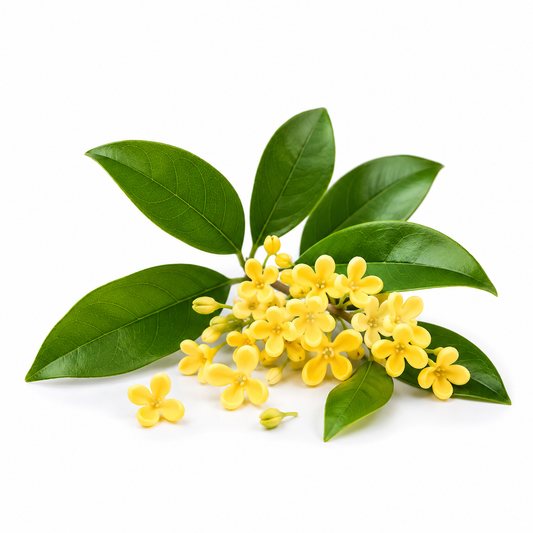 47% OFF
Osmanthus Essential Oil
Regular price From Rs. 1,149.00Regular priceUnit price perRs. 2,200.00Sale price From Rs. 1,149.00Sale -

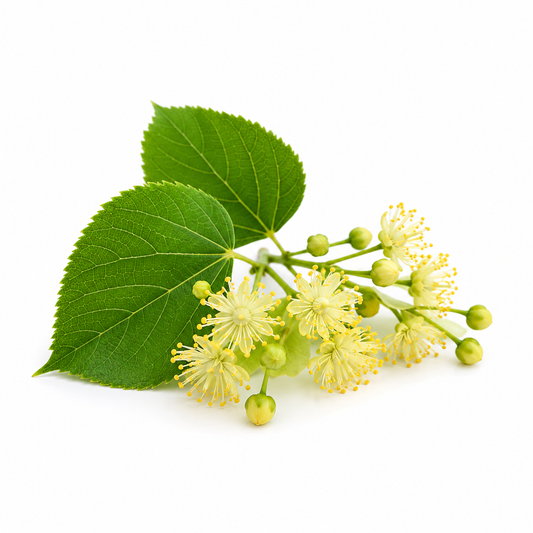 45% OFF
Linden Blossom Essential Oil
Regular price From Rs. 649.00Regular priceUnit price perRs. 1,200.00Sale price From Rs. 649.00Sale -

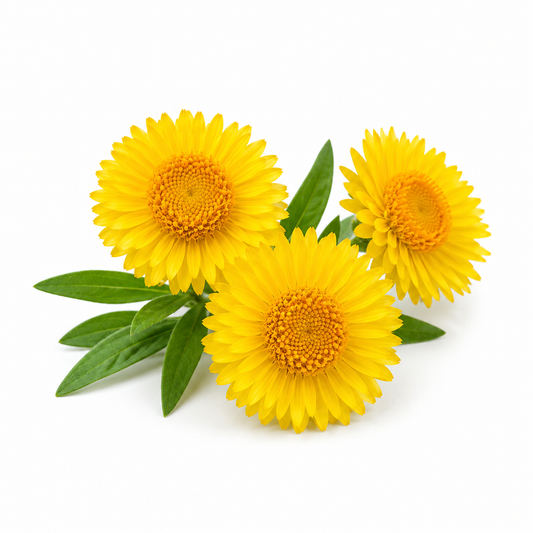 37% OFF
Helichrysum Essential Oil
Regular price From Rs. 749.00Regular priceUnit price perRs. 1,200.00Sale price From Rs. 749.00Sale -

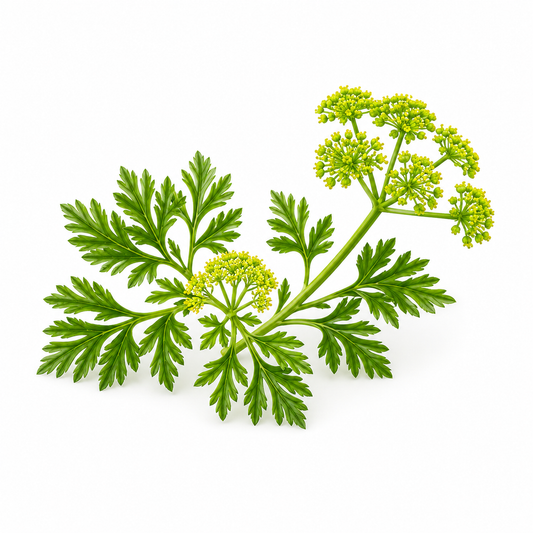 50% OFF
Galbanum Essential Oil
Regular price From Rs. 999.00Regular priceUnit price perRs. 2,000.00Sale price From Rs. 999.00Sale -

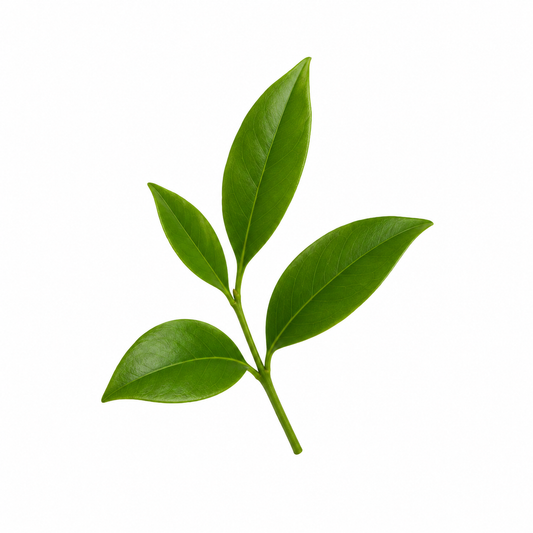 0% OFF
Elemi Essential Oil
Regular price From Rs. 699.00Regular priceUnit price perRs. 700.00Sale price From Rs. 699.00Sale


About Essential Oils for Skin

Essential Oils for Skin Care
Quick answer: This collection covers eleven essential oils used in skincare: lavender, tea tree, rose, geranium, frankincense, chamomile, sandalwood, ylang ylang, carrot seed, lemon, and sweet orange. None should touch skin undiluted. Keep facial products at about 0.5 to 1 percent essential oil and body products at 2 to 3 percent in a carrier oil or base. Lemon and other cold-pressed citrus oils are phototoxic in leave-on products, so avoid sun exposure after use.
RV Organica is an essential oil manufacturer based in Panipat, Haryana, India, formulating and supplying skincare essential oils to retail buyers and bulk manufacturers alike. Skincare formulation has shifted noticeably toward essential-oil-enhanced products over the last few years, and that's not just trend-chasing. A well-chosen essential oil does two things at once - it gives a product its aromatic identity, and depending on the oil, it can add genuine functional value beyond fragrance.
Browse the full essential oils for skin care collection to see all eleven oils currently in stock.
What Is Included in the Essential Oils for Skin Care Collection?
This collection covers eleven essential oils used across facial oils, body oils, creams, serums, lotions, and masks: lavender, tea tree, rose, geranium, frankincense, chamomile, sandalwood, ylang ylang, carrot seed, lemon, and sweet orange. As an essential oil manufacturer in India, RV Organica processes every batch at its own Panipat, Haryana facility rather than outsourcing production, so purity and dilution behavior stay consistent batch to batch.
None of these eleven oils are interchangeable. Lavender and chamomile calm reactive or sensitive skin. Tea tree targets breakouts and oily-skin concerns. Rose and ylang ylang carry the kind of luxury floral character premium serums are built around. Frankincense and sandalwood bring warmth and depth, which is why anti-aging formulations lean on them so heavily. Lemon and sweet orange add a bright citrus top note that lifts an otherwise heavy blend. Every one of these is meant to be blended into a carrier oil or cosmetic base - jojoba, sweet almond, argan, rosehip, grapeseed, or avocado - rather than used neat on skin.
How Do You Use Essential Oils in Skin Care Formulations?
The dilution percentage matters more than which oil you pick, and it changes depending on what you're formulating and how long the product stays on skin.
Facial oils and serums. Stick to 1 to 2% dilution in the carrier base. Facial skin is thinner and more reactive than body skin, so overconcentration shows up fastest here as irritation. Patch test every time you introduce a new oil into a facial formulation, not just the first time you use essential oils at all.
Body oils, creams, and lotions. You get a bit more room - typically 1 to 3%, depending on use. A daily-use body lotion that stays on most of the day should sit toward the lower end. A weekly-use body oil or massage blend can tolerate the higher end without issue.
Facial masks. Add the essential oil directly into the clay, yogurt, or cream base immediately before application, rather than pre-mixing a batch that sits on a shelf for days. The aromatic profile shifts once an essential oil is mixed into a wet base, so freshness at the point of use matters more here than in an oil-based product.
Scrubs and rinse-off products. Short contact time gives you slightly more flexibility on concentration, though it doesn't eliminate sensitivity risk entirely - especially with oils like lemon that carry phototoxic compounds.
Balms and body butters. Blend essential oils into the melted base before it sets, generally at 1 to 2% of total weight. These products sit on skin for extended periods, so staying conservative on concentration is the safer default.
Citrus oils need a specific note. Lemon carries phototoxic risk - its furanocoumarin content reacts with UV exposure and can cause hyperpigmentation in sun-exposed leave-on products. Keep lemon dilution on the lower end in any daytime facial or body product, and save it for nighttime formulations or rinse-off products instead. Sweet orange is the safer citrus pick for daytime leave-on use, since its phototoxic profile runs considerably lower.
Which Essential Oils Are Best for Facial Oils, Serums, and Creams?
All eleven oils in the skincare essential oils range are sold as standalone products and in bulk sizes for manufacturers building their own formulations.
Lavender is the most forgiving oil in the collection - it blends cleanly with floral, citrus, herbal, and woody oils alike. If you're building a first skincare blend, lavender is the sensible starting point precisely because it's hard to get wrong.
Tea tree brings a fresh, herbaceous note and pairs well with lavender, lemon, rosemary, and geranium. It's the standard pick for any formulation targeting breakouts or oily skin.
Rose carries a rich, luxurious floral character that's hard to replicate. It anchors premium facial oils and beauty serums positioned toward an elevated, sophisticated feel rather than a clinical one.
Geranium offers a fresh floral profile that blends well with rose, lavender, frankincense, and citrus oils - useful when you want floral character without rose's full intensity.
Frankincense has a warm, resinous quality that pairs with lavender, rose, sandalwood, and geranium. It's a regular in facial serums and creams aimed at mature skin or anti-aging positioning, since the resinous depth reads as premium rather than fleeting.
Chamomile is the gentlest option here, soft and calming. It blends especially well with lavender, rose, and geranium, and it's the go-to for products built around a soothing, low-irritation experience.
Sandalwood contributes rich woody depth and combines well with rose, frankincense, lavender, and ylang ylang - a fixture in premium facial oils where the brand wants a warm, grounding base under lighter florals or citrus.
Ylang ylang brings an exotic floral character and pairs with rose, geranium, lavender, and sandalwood, used in facial blends, body oils, and lotions aiming for a distinctive fragrance rather than something understated.
Carrot seed has an earthy, slightly herbaceous quality alongside lavender, frankincense, geranium, and sandalwood. Formulators reach for it when they want aromatic depth the common florals and citrus oils don't provide alone.
Lemon delivers a bright citrus lift and pairs with lavender, tea tree, rosemary, and geranium. It's regular in body care, facial blends, and scrubs aiming for freshness, with the phototoxicity caveat kept in mind for leave-on daytime products.
Sweet orange offers a cheerful, approachable citrus note and blends with lavender, frankincense, geranium, and ylang ylang - a dependable choice across creams, body oils, and lotions where you want citrus brightness without lemon's higher phototoxic profile.
Which Skincare Essential Oil Is Best for Each Season in India?
The full skincare collection gives you the range to switch formulations across India's three distinct seasons without sourcing from elsewhere.
Summer (March to June). Tea tree is the season's primary pick, since rising heat and sweat push skin toward more frequent breakouts and excess oil production. Sweet orange and lemon work well as a light, uplifting top note in summer body oils and lotions, with lemon kept to the lower end of its dilution range in anything that stays on skin through daylight hours. Lighter floral pairings like geranium also suit summer formulations better than heavier, richer notes do.
Monsoon (June to September). Tea tree continues to carry the season, since humidity is exactly when fungal and breakout-prone skin issues spike across most skin types. Geranium is a strong complement through this stretch - its balancing floral character suits combination skin reacting to the humidity shift, and it pairs cleanly with tea tree without competing for attention.
Winter (October to February). This is when richer, more warming blends earn their place. Frankincense and sandalwood suit deeper, more nourishing facial oils and anti-aging serums formulated for the season's drier skin. Chamomile works well in calming creams and lotions for the irritation that often accompanies cold, dry air. Rose and ylang ylang lean naturally into richer winter body oils and premium beauty formulations, where their fuller floral character doesn't feel out of place the way it might in summer heat. Carrot seed, with its earthy depth, also fits these heavier winter blends, adding complexity lighter summer formulations don't call for.
| Season | Best oils | Why |
|---|---|---|
| Summer | Tea Tree, Sweet Orange, Lemon (low dilution), Geranium | Controls heat and sweat-driven breakouts, light citrus and floral uplift |
| Monsoon | Tea Tree, Geranium | Manages humidity-driven breakouts and combination-skin balance |
| Winter | Frankincense, Sandalwood, Chamomile, Rose, Ylang Ylang, Carrot Seed | Richer, calming, deeply nourishing formulations for dry winter skin |
Which Carrier Oils Are Best for Skincare Essential Oil Blends?
The carrier oil shapes how a finished product feels and absorbs just as much as the essential oil shapes its scent and function. Jojoba oil sits closest to skin's natural sebum, which makes it a near-universal base for facial oils and serums across most of the eleven oils in this collection. Sweet almond oil absorbs quickly and suits lighter body oils and lotions where a heavy finish isn't wanted. Argan oil carries its own mild nutty character and works well with warmer notes like frankincense and sandalwood in anti-aging formulations. Rosehip oil brings its own active profile to a blend, which makes it a natural pairing for citrus and floral oils in brightening or anti-aging facial products. Grapeseed oil is light and largely odorless, a practical choice when the formulation needs the essential oil's scent to lead without competition. Avocado oil is richer and heavier, suited to balms and body butters rather than facial serums where a lighter feel matters more.
What Are Common Mistakes When Using Essential Oils in Skin Care?
Using an essential oil neat on skin, even briefly, is the most common error and the one most likely to cause a reaction - none of the eleven oils in this collection are formulated for undiluted application. Skipping a patch test because an oil has a reputation for being gentle is another frequent mistake; chamomile and lavender are forgiving in most cases, but skin sensitivity varies enough that this isn't a step worth shortcutting. Treating lemon like any other citrus oil in a daytime leave-on product is a mistake specific to this category - its phototoxic compounds make it a poor choice for anything that stays on skin in sunlight, regardless of how well it performs aromatically. Pre-mixing facial masks in bulk and storing them for later use is the fourth common error, since the active and aromatic profile shifts once an essential oil sits in a wet base for days.
Why Does Essential Oil Quality Matter for Skincare Manufacturers?
Skincare is a category where inconsistent essential oil quality shows up directly in the finished product's performance and safety profile. A batch that's been cut with a cheaper carrier or doesn't match its stated concentration can throw off a formulation's dilution percentage without anyone realizing it until a customer reacts to a product that was supposed to be within a safe range. This matters even more for oils like lemon, where the difference between a safe daytime dilution and a phototoxic one comes down to precise concentration, not approximate measurement.
Batch-level documentation is what closes that gap. A Certificate of Analysis confirms what's actually in the bottle rather than what the label states, and an MSDS gives formulators the safety data needed to set dilution limits correctly rather than guessing from general guidelines. For a private-label skincare brand, this also protects the accuracy of whatever claims end up on the finished product's packaging.
Whether you're formulating a single facial serum or sourcing in bulk for a skincare line, every oil in this collection is processed and quality-checked at RV Organica's Panipat, Haryana manufacturing facility. Browse current stock and pricing on the RV Organica essential oils for skin care page before placing an order.
- Choosing a selection results in a full page refresh.
- Opens in a new window.
