Buy PureHerbal Hair OilsOnline in India - Bulk & Wholesale
Buy Herbal Hair Oils in Bulk
-
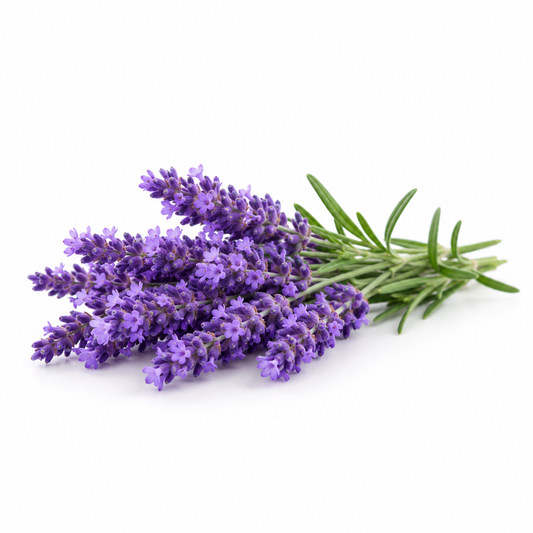
50% OFFLavender Essential Oil
4.5 / 5.0
(10) 10 total reviews
Regular price From Rs. 449.00Regular priceUnit price / perRs. 899.00Sale price From Rs. 449.00Sale -
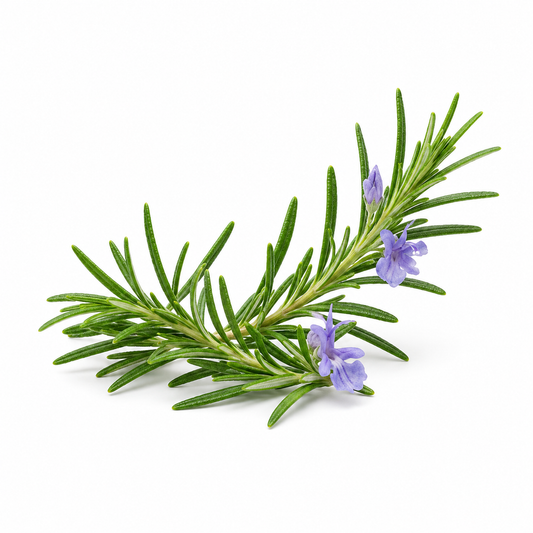
10% OFFRosemary Essential Oil
Regular price From Rs. 449.00Regular priceUnit price / perRs. 500.00Sale price From Rs. 449.00Sale -
50% OFFRosemary Hair Oil
5.0 / 5.0
(1) 1 total reviews
Regular price Rs. 350.00Regular priceUnit price / perRs. 700.00Sale price Rs. 350.00Sale -
50% OFFBrahmi Carrier Oil
5.0 / 5.0
(3) 3 total reviews
Regular price From Rs. 249.00Regular priceUnit price / perRs. 500.00Sale price From Rs. 249.00Sale -
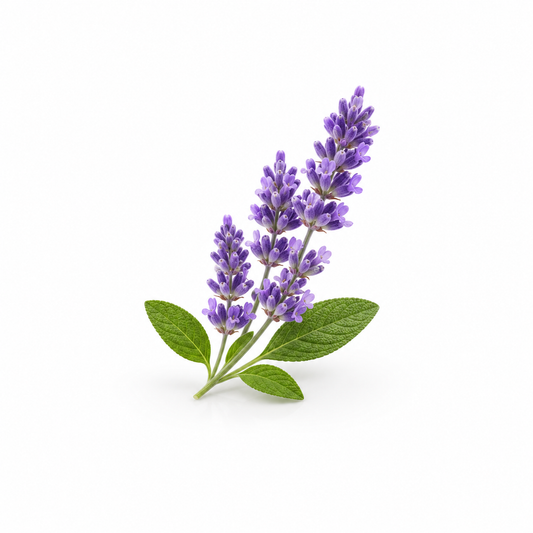
37% OFFClary Sage Essential Oil
4.3 / 5.0
(10) 10 total reviews
Regular price From Rs. 499.00Regular priceUnit price / perRs. 800.00Sale price From Rs. 499.00Sale -
50% OFFTea Tree Hair Oil
5.0 / 5.0
(2) 2 total reviews
Regular price Rs. 350.00Regular priceUnit price / perRs. 700.00Sale price Rs. 350.00Sale -
50% OFFPumpkin Seed Carrier Oil
4.5 / 5.0
(8) 8 total reviews
Regular price From Rs. 399.00Regular priceUnit price / perRs. 800.00Sale price From Rs. 399.00Sale -
50% OFFKalonji Carrier Oil
4.67 / 5.0
(3) 3 total reviews
Regular price From Rs. 249.00Regular priceUnit price / perRs. 500.00Sale price From Rs. 249.00Sale -
50% OFFAshwagandha Carrier Oil
5.0 / 5.0
(2) 2 total reviews
Regular price From Rs. 399.00Regular priceUnit price / perRs. 800.00Sale price From Rs. 399.00Sale -
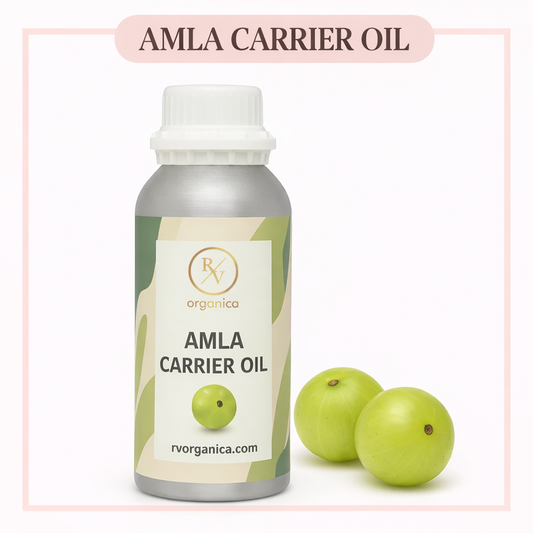
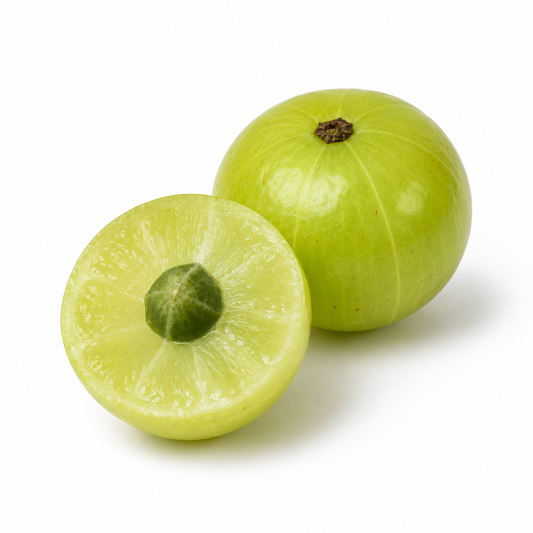
50% OFFAmla Carrier Oil
5.0 / 5.0
(3) 3 total reviews
Regular price From Rs. 249.00Regular priceUnit price / perRs. 500.00Sale price From Rs. 249.00Sale -
51% OFFSesame Carrier Oil
4.67 / 5.0
(3) 3 total reviews
Regular price From Rs. 339.00Regular priceUnit price / perRs. 700.00Sale price From Rs. 339.00Sale -
54% OFFNeem Carrier Oil
5.0 / 5.0
(3) 3 total reviews
Regular price From Rs. 459.00Regular priceUnit price / perRs. 1,000.00Sale price From Rs. 459.00Sale -
50% OFFFenugreek Carrier Oil
4.33 / 5.0
(3) 3 total reviews
Regular price From Rs. 199.00Regular priceUnit price / perRs. 400.00Sale price From Rs. 199.00Sale -
50% OFFBhringraj Carrier Oil
4.43 / 5.0
(7) 7 total reviews
Regular price From Rs. 249.00Regular priceUnit price / perRs. 500.00Sale price From Rs. 249.00Sale -
50% OFFBatana Oil
5.0 / 5.0
(2) 2 total reviews
Regular price Rs. 350.00Regular priceUnit price / perRs. 700.00Sale price Rs. 350.00Sale -
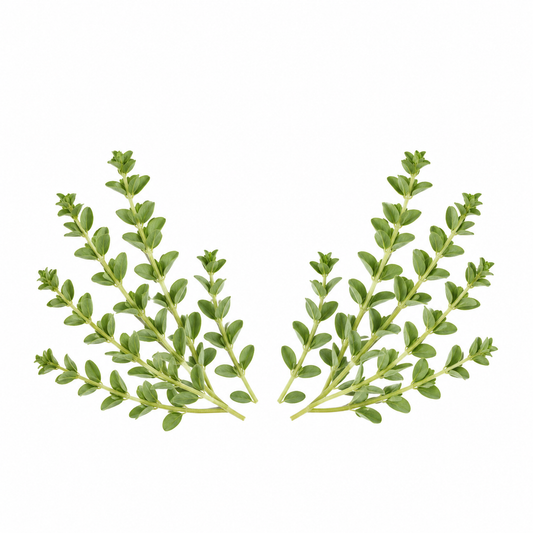
10% OFFThyme Essential Oil
4.5 / 5.0
(4) 4 total reviews
Regular price From Rs. 449.00Regular priceUnit price / perRs. 500.00Sale price From Rs. 449.00Sale -
50% OFFTamanu Carrier Oil
4.5 / 5.0
(2) 2 total reviews
Regular price From Rs. 349.00Regular priceUnit price / perRs. 700.00Sale price From Rs. 349.00Sale -
53% OFFMoringa Carrier Oil
4.33 / 5.0
(6) 6 total reviews
Regular price From Rs. 369.00Regular priceUnit price / perRs. 800.00Sale price From Rs. 369.00Sale -
50% OFFKaranj Carrier Oil
4.33 / 5.0
(3) 3 total reviews
Regular price From Rs. 249.00Regular priceUnit price / perRs. 500.00Sale price From Rs. 249.00Sale
Collapsible content
Which castor oil is better for hair — cold pressed or Jamaican black?
Both are ricinoleic acid-heavy oils that work on the scalp for similar reasons. The difference is the production process: Jamaican black castor is roasted before pressing, which raises the pH slightly and produces the distinctive dark colour and ash content. Regular cold pressed retains more heat-sensitive compounds due to the lower-temperature process. In practice, some people find JBCO performs better on their scalp — the anecdotal pattern is consistent enough to note, even without a controlled head-to-head study. If you're new to castor oil, start with cold pressed. If you've used it for two to three months without notable results, the Jamaican black variant is worth trying for the scalp specifically.
Is there actual evidence that hair oil helps with growth, or is it mostly the massage?
Mostly the massage. Scalp massage has more consistent evidence for improving hair thickness than any specific oil compound does independently. What the oil does is facilitate the massage — it reduces friction, allows better scalp movement, and in the case of rosemary and castor, there are biologically plausible mechanisms for supporting scalp health beyond mechanical stimulation. But an oil applied without actual massage gives you a fraction of the potential benefit. Five to ten minutes of circular fingertip pressure — that's the part with consistent evidence behind it.
Does cold pressed hair oil make a real difference compared to refined?
For direct scalp application, yes. Cold pressing preserves fatty acids, tocopherols, and phytosterols that are degraded by heat refining. These compounds contribute to the oil's conditioning and anti-inflammatory properties. Refined oils are more shelf-stable and cheaper, but they've been bleached and deodorised — the process that makes them look and smell neutral also removes some of what makes the oil useful on skin and scalp. For everyday scalp use, cold pressed is the better choice. If you're a formulator using oil as a minor carrier component in a blend, refined is often acceptable and preferable for neutral scent.
Should I change which hair oil I use in different Indian seasons?
It's worth adjusting, even if you use the same oil year-round. Lighter oils — almond, argan — are easier to wash out in summer and don't contribute to scalp congestion when temperatures and humidity are high. In winter, heavier options like castor or coconut work better; the scalp dries out more and benefits from a more occlusive barrier. Application frequency matters too — for most people, reducing oiling during peak monsoon (June through August) makes sense, since the sweat-and-oil combination on the scalp can create a warm, moist environment that worsens fungal issues. That's not a reason to stop oiling entirely, just a reason to scale back.
Does RV Organica supply hair oils in bulk, and what documentation is included?
Yes — RV Organica supplies hair oils in bulk quantities for manufacturers, private label brands, and cosmetic formulators. Every bulk order includes a batch-specific COA and MSDS. The COA covers fatty acid profile, peroxide value, and batch-level testing data — not generic product documentation carried across all batches. Enquiries for custom specifications, cold pressed variants, or private label requirements can be directed through the website.
About Herbal Hair Oils
Hair Oils — Natural Oils for Hair Growth, Scalp Care & Everyday Nourishment
>Most people searching for hair oil in India already know they want to oil their hair. The real question is which oil fits the actual concern — because the castor you'd use for scalp stimulation does something fundamentally different from argan used to smooth styled hair, and a bottle labeled "nourishing hair oil" doesn't tell you which problem it's solving.
This collection is part of RV Organica's [hair care range](confirm URL) — plant-based oils sourced specifically for scalp nourishment, growth support, and daily grooming across Indian climate conditions.
The champi ritual hasn't disappeared from Indian households. It's shifted from a fixed Sunday routine to something more flexible — nightly for some, pre-wash for others. The oils here are sourced with that flexibility in mind: cold pressed where it matters, with a COA and MSDS available on every batch.
What Are Hair Oils?
>Hair oils are plant-derived lipids applied to the scalp and hair shaft for conditioning, moisture retention, and scalp health. How they work depends on molecular weight and fatty acid composition — not all oils behave the same way. Coconut oil's lauric acid allows it to penetrate the hair shaft and reduce protein loss from within. Argan and almond oils work differently, sitting primarily on the cuticle surface to smooth and add sheen. Choosing wrong won't cause harm, but you get fewer results.
Cold pressed refers to the extraction method — no heat applied, which preserves heat-sensitive fatty acids and tocopherols that give the oil its conditioning properties. A refined oil is cheaper to produce and more shelf-stable, but it's been bleached and deodorised, removing some of the bioactive compounds. For carrier oils used directly on the scalp, the difference shows over months.
Two terms worth treating with some caution: "natural" and "organic." Neither is regulated for cosmetic use in India. A product calling itself organic hair oil carries no legal requirement to contain organically farmed inputs. What actually signals quality is batch-specific testing — a certificate of analysis (COA) showing fatty acid profile and purity results, alongside an MSDS for handling guidance. Those two documents are the actual standard.
Benefits of Hair Oil in India
>Hair Oil for Hair Growth
Oil doesn't reach the follicle directly — follicles sit beneath the scalp surface, well below where topical application penetrates. The growth benefit from regular oiling comes primarily through scalp massage: improved microcirculation, reduced follicle stress, better nutrient delivery to the root zone. A 2016 study in ePlasty found increased hair thickness after 24 weeks of standardised scalp massage, though the mechanism was mechanical stimulation rather than the oil itself.
Castor oil is the most widely cited option for this in India, partly tradition and partly because its ricinoleic acid has documented mild anti-inflammatory properties — useful for scalps where low-grade irritation is contributing to shedding. Bhringraj-based oils have a longer Ayurvedic history, with less clinical evidence but a consistent pattern of traditional use. Neither reverses genetic hair loss. Both support a healthier scalp environment, which is where growth begins.
Warm the oil slightly, part the hair into sections, and work it into the scalp with circular fingertip pressure for five to ten minutes. Leaving overnight and washing off in the morning is the standard champi method — and the massage component is not optional if you want results.
Hair Oil for Dry Scalp
In northern India, scalp dryness tends to worsen between October and February as ambient humidity drops. In coastal and southern regions the dynamics are different — oiling during peak humidity can trap sweat and worsen scalp congestion. The approach should match where you are and what season you're in.
For straightforward dryness — flakiness without redness or oiliness at the root — coconut oil works for most scalp types. Its medium-chain fatty acids absorb reasonably well and reduce transepidermal water loss. Jojoba is worth considering if coconut sits too heavily on your scalp and is difficult to wash out; it's technically a liquid wax that closely mimics sebum composition. Almond oil sits between the two in weight.
One honest caveat: if the flakiness is accompanied by visible scale, scalp redness, or persistent oiliness at the root, that pattern leans more toward seborrheic dermatitis than simple dryness. Oiling an active fungal condition can worsen it. Antifungal treatment first — then maintenance oiling once the scalp settles.
Best Hair Oil for Natural Hair
Natural hair in the Indian context generally means untreated hair in its grown texture — whether that's straight, wavy, or the denser curl patterns common in South Indian and North-Eastern communities. The challenge is moisture retention, particularly for coarser textures with high porosity that absorb water quickly and lose it just as fast.
Coconut oil's role here is specific and documented: it reduces protein loss in the hair shaft. A 2003 Journal of Cosmetic Science study by Rele and Mohile tested coconut, mineral, and sunflower oils — coconut was the only one that reduced protein loss in both damaged and undamaged hair, owing to its affinity for hair proteins. Use it as a pre-wash treatment, leave for at least an hour, then shampoo out. It's not a finishing oil.
Argan works better post-wash — light application on damp hair for frizz control and shine. For very thick or coily textures that dry out between wash days, a small amount of almond oil applied to dry strands helps extend moisture retention without the heaviness of coconut on already-washed hair.
Hair Oil for Damaged Hair
"Damaged hair" covers several distinct problems, and oil addresses some more effectively than others. It does not repair the disulfide bonds broken by bleach or chemical processing — that requires protein treatments. It does not undo split ends. What oil does is reduce friction between strands, temporarily fill cuticle gaps, and limit moisture loss — practical benefits that prevent further mechanical breakage while the hair grows out.
Argan is widely used for surface-level damage because its oleic and linoleic acid combination creates a light, smooth coat on rough cuticles without greasiness. Coconut used as a pre-wash reduces water absorption in the hair shaft, limiting the swelling-and-drying cycle that causes breakage during washing. Amla oil, used consistently over several weeks, supports hair strength through vitamin C's role in collagen synthesis in the scalp dermis.
If the hair has been heavily bleached or heat-styled repeatedly, oil should be one component of a repair routine, not the whole plan. Reducing mechanical stress — less heat, gentler detangling — does as much as any oil application.
Hair Oil for Men
Most hair oil guidance is written with women's routines in mind, which is part of why men's oiling tends to be inconsistent. Short hair actually responds faster to treatment — less surface area, quicker absorption, and far less risk of visible buildup from over-application.
For daily grooming, almond or argan are the practical choices. Both absorb within minutes and leave no residue. A small amount — less than most first-time users apply — massaged into the scalp before bed and washed off in the morning gives scalp benefits without affecting next-day styling. Coconut is better saved for weekends or rest days; on short styled hair, quantity control becomes genuinely tricky.
In Indian summers, lighter oils on higher frequency tend to work better than heavy application once a week. Scalp sweat between sessions reduces the benefit, and the buildup that can result is its own problem.
Ayurvedic Hair Oil
Ayurvedic hair oil, properly made, is not the same as a hair oil with herbs listed on the label. The classical preparation — called taila paka vidhi — involves cooking herb paste, water, and carrier oil together over low heat until the water fully evaporates, concentrating bioactive compounds into the oil phase. This process can take several hours. Simply mixing herb powder or extract into a base oil is not the same thing and produces a different product.
Bhringraj (Eclipta prostrata) and amla (Emblica officinalis) are the most commonly used herbs. Bhringraj is traditionally associated with scalp strengthening and, in some classical texts, reversal of premature greying — the evidence for the latter is thin. Amla's tannin and vitamin C content is better documented in terms of measurable antioxidant activity at the scalp level.
The practical challenge for buyers: "Ayurvedic" on a label doesn't confirm the classical preparation method was followed. Ask for a product specification sheet or COA that lists the herbs used, their ratio in the formulation, and how they were processed into the oil. If a manufacturer can answer those questions, the product is genuinely formulated.
Popular Hair Oils at RV Organica
>Rosemary Hair Oil — rosemary is one of the few botanicals with controlled trial data behind it for scalp health. A 2015 Skinmed study compared rosemary oil to 2% minoxidil and found comparable hair count outcomes at six months, with fewer scalp side effects reported in the rosemary group. This formulation is built for the Indian champi routine. It takes consistency — twelve weeks before expecting visible change is the honest benchmark.
The Vitamin E Hair Oil runs a useful dual function. On the scalp, tocopherols provide antioxidant protection against the oxidative stress that accumulates from sun exposure, pollution, and heat — all chronic factors in Indian conditions. Light enough to double as a face and skin oil too. Antioxidant benefits are cumulative, so manage expectations for the first few weeks.
Batana Oil is extracted from the American palm nut (Orbignya oleifera), rich in oleic acid and tocopherols. Still relatively new to the Indian market compared to established options. Its thick consistency suits direct scalp application more than mid-length use — if you have long hair, blend it with almond or a lighter carrier for even distribution. Worth trying specifically if conventional oils haven't given the scalp results you're looking for.
For dandruff and scalp congestion rather than conditioning, Tea Tree Hair Oil does a different job than the others. Terpinen-4-ol, tea tree's primary active compound, has published antifungal evidence at clinical concentrations. This isn't a conditioning oil — it's targeted scalp environment management. Use it when itching or flaking is the primary complaint, not when shine or moisture is the goal.
Jamaican Black Castor Oil is produced through a roasting process before pressing — that's what creates the dark colour and the characteristic ash content. The pH is slightly higher than regular castor, which some people find works better for their scalp specifically. Dense consistency means you'll typically blend it with something lighter unless you're doing a targeted scalp treatment. Best used two to three times weekly rather than daily.
The cold pressed Castor Oil is the more versatile of the two castor options — suitable for scalp treatment, eyebrow and eyelash application, and blending into other formulations. Ricinoleic acid typically makes up 85–90% of castor oil's fatty acid composition, which is what distinguishes it from all other plant oils and gives it its characteristic thickness and scalp benefits.
Browse the full hair oils range at RV Organica.
How to Choose the Right Hair Oil
>Start by separating the concern: scalp problems (dryness, flaking, growth support) and hair shaft problems (frizz, damage, dryness along the length) respond to different oils and different application methods.
For scalp concerns, apply directly to the parting and crown using fingertip pads — not palms. Focus on the massage rather than even distribution through the length. Heavier oils like castor stay on the scalp better and are easier to control for targeted treatment. For hair shaft concerns, lighter oils from mid-length to ends are more relevant; argan and almond absorb without buildup and suit daily or near-daily use.
Before you buy, ask for:
- A COA for the specific batch — not a generic product certificate. The COA should show fatty acid profile, peroxide value, and any residual solvent data for solvent-extracted oils.
- An MSDS — relevant for safe storage and handling, and essential if you're incorporating oils into formulations.
- Cold pressed confirmation. For direct scalp application, cold pressed hair oil retains more bioactives than refined. For a blending base in a formulated product where the oil is a minor component, refined is acceptable and often preferred for neutral scent.
Storage in Indian conditions: Oils degrade faster in heat and humidity. Bathroom storage through an Indian summer is genuinely damaging to shelf life. A cool cabinet or the refrigerator extends stability. Coconut oil solidifies below around 24°C — that's normal and doesn't affect quality. For castor oil that's thickened in heat, a brief warm-water bath on the sealed bottle makes it pourable again.
For bulk buyers: Businesses sourcing bulk hair oil India supplies should request minimum batch-specific COA rather than generic product-level documentation. Consistent fatty acid profile across batches matters for formulation repeatability — generic certificates don't guarantee batch-level consistency. Specify cosmetic-grade, food-grade, or pharmaceutical-grade requirements upfront, as processing standards differ meaningfully. RV Organica provides COA and MSDS with all bulk orders.
About RV Organica
>RV Organica is a plant-based oils and botanical ingredients supplier based in Panipat, Haryana, serving formulators, manufacturers, and individual buyers across India. Every batch ships with a COA and MSDS. Packaging ranges from 30ml retail units to multi-kilogram quantities, with bulk orders accommodated for private label and manufacturing use.
- Choosing a selection results in a full page refresh.
- Opens in a new window.