
Relaxation Oil
Buy Relaxation Oil in Bulk
-

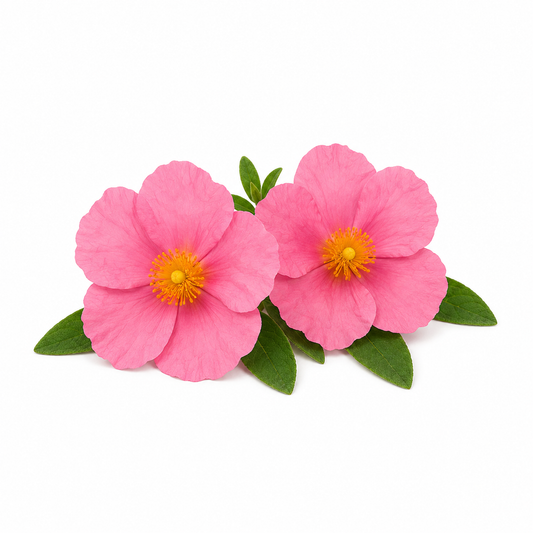 20% OFF
Cistus Essential Oil
Regular price From Rs. 799.00Regular priceUnit price perRs. 1,000.00Sale price From Rs. 799.00Sale -

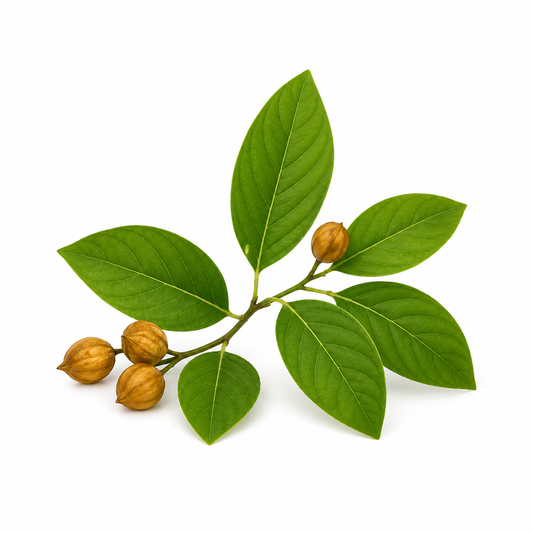 37% OFF
Tolu Balsam Essential Oil
Regular price From Rs. 499.00Regular priceUnit price perRs. 800.00Sale price From Rs. 499.00Sale -

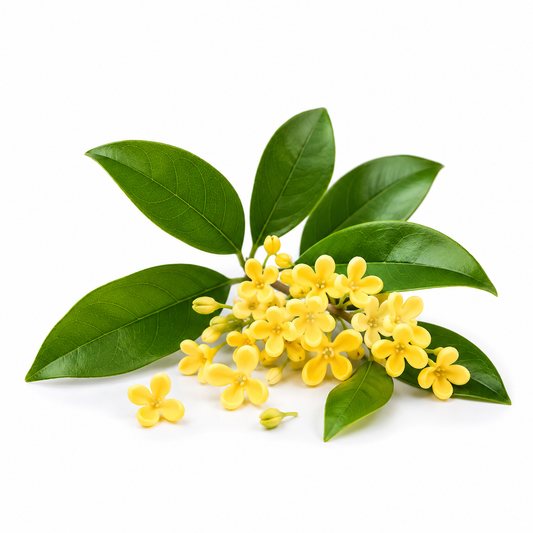 47% OFF
Osmanthus Essential Oil
Regular price From Rs. 1,149.00Regular priceUnit price perRs. 2,200.00Sale price From Rs. 1,149.00Sale -

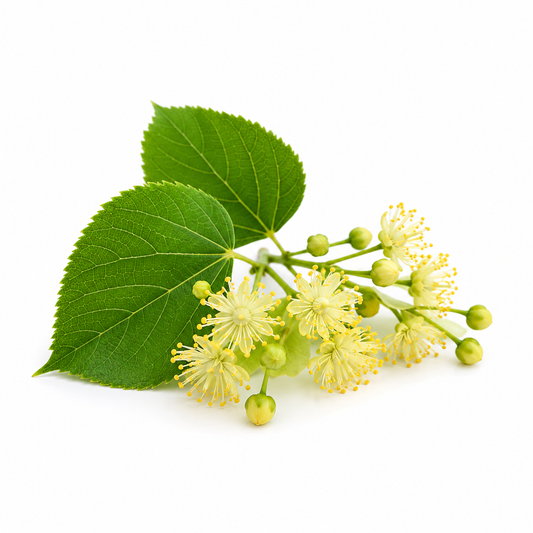 45% OFF
Linden Blossom Essential Oil
Regular price From Rs. 649.00Regular priceUnit price perRs. 1,200.00Sale price From Rs. 649.00Sale -

 37% OFF
Helichrysum Essential Oil
Regular price From Rs. 749.00Regular priceUnit price perRs. 1,200.00Sale price From Rs. 749.00Sale -

 50% OFF
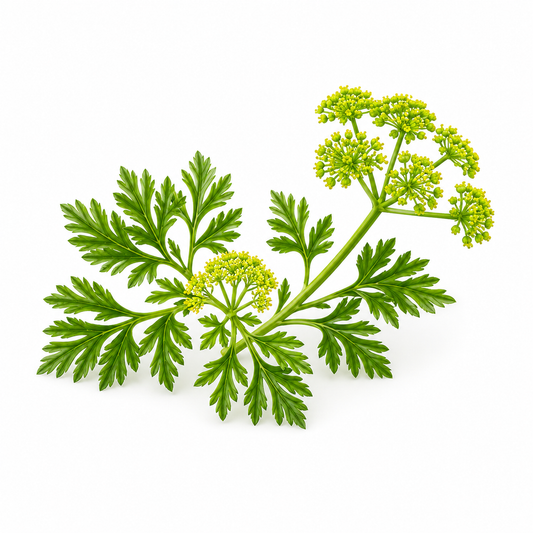
Galbanum Essential Oil
Regular price From Rs. 999.00Regular priceUnit price perRs. 2,000.00Sale price From Rs. 999.00Sale -

 0% OFF
Elemi Essential Oil
Regular price From Rs. 699.00Regular priceUnit price perRs. 700.00Sale price From Rs. 699.00Sale -

 49% OFF
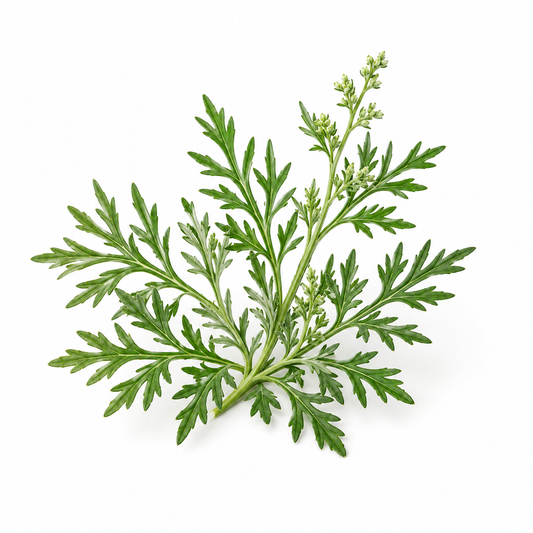
Armoise Essential Oil
Regular price From Rs. 709.00Regular priceUnit price perRs. 1,400.00Sale price From Rs. 709.00Sale


About Relaxation Oil

Relaxation Essential Oils
Quick answer: Relaxation essential oils work through different compounds. Lavender's linalool acts through scent, vetiver's sesquiterpenes are grounding, and peppermint's menthol gives a cooling counter-irritant effect on skin. Pick by use: lavender or vetiver for sleep, peppermint diluted for tension, and citrus for mood. Diffuse 3 to 5 drops per 100ml of water, or dilute to 2 to 3 percent in a carrier oil for massage. RV Organica provides COA and GC-MS documentation on request.
RV Organica is an essential oil manufacturer based in Panipat, Haryana, India, supplying relaxation essential oils across 100+ plant varieties to retail buyers and wholesale orders alike. A relaxation essential oil's actual function comes from its compound profile, not its name - lavender's linalool works through the nervous system via the olfactory pathway, peppermint's menthol creates counter-irritant action at the skin surface, vetiver's sesquiterpenes are grounding and sedative. These are different mechanisms doing different jobs, which is why picking by use case matters more than picking the most popular bottle.
Browse the full relaxation essential oils collection to see what's currently in stock.
What Is Included in the Relaxation Essential Oils Collection?
As an essential oil manufacturer in India, RV Organica processes and supplies oils across 100+ plant varieties from its Panipat, Haryana facility, with COA and GC-MS documentation available on request for wholesale orders, in multiple packaging sizes. The relaxation category isn't built around a single mechanism - some oils work by calming the nervous system through scent alone, some act as counter-irritants when applied to skin, and some do both depending on how they're used.
Understanding which mechanism an oil relies on changes how it should actually be used. Lavender's effect runs through the olfactory pathway, so its main value shows up in diffusing and inhalation rather than topical use alone. Peppermint's menthol works at the skin surface as a counter-irritant, which is why it's the better pick for muscle tension applied directly rather than just diffused. Vetiver's sedative character comes from its sesquiterpene content, and it tends to read as grounding rather than energizing in either application method. Picking an oil because it's popular, without matching it to the mechanism the situation calls for, is the most common reason a relaxation blend underperforms.
Packaging across the range runs from small bottles suited to trying a single oil at home, up through the bulk sizes wholesale buyers need for spa programs, hospitality amenities, or private-label wellness products. The same documentation standard applies regardless of order size - a wholesale buyer placing a bulk order receives the same COA and GC-MS verification as someone buying a single bottle to test before committing to a larger purchase.
How Do You Use Relaxation Essential Oils for Tension, Stress, and Sleep?
Each application calls for a different method and timeline, and the general dilution rule across all of them stays consistent even as the specific use changes.
Desk-job muscle tension. Dilute 4 to 5 drops in a tablespoon of carrier oil and massage with firm circular strokes into the trapezius and upper back. Most people notice a difference within twenty minutes.
Stress and mental fatigue. Run a diffuser for 20 to 30 minutes in a closed room rather than continuously. The calming effect drops off after about 45 minutes regardless of how much oil is used, due to olfactory fatigue - the nose simply stops registering a constant scent past that point.
Sleep support. Dilute and apply to the wrists, back of the neck, and feet after a warm shower, when skin is slightly open and absorption is better. This builds over two to three weeks of consistent nightly use rather than working from the first application, which is worth knowing before judging whether a blend is working.
General dilution rule. Stay at 2 to 3% dilution in a carrier oil - 4 to 5 drops per tablespoon of jojoba or sweet almond oil - across all of the uses above. Never apply undiluted, especially given how reactive skin gets in Indian heat.
Why Do Relaxation Oils Work Differently Depending on the Compound?
Every oil discussed in this guide is part of the relaxation essential oils collection, sourced and verified to the same compound profile each blend depends on. The "relaxation oil" label covers a wider range of actual chemistry than most buyers expect, and that's worth understanding before building a blend. Linalool, the primary compound in lavender, acts through scent receptors connected to the nervous system, which is why diffusing tends to outperform topical-only application for this particular oil. Menthol, peppermint's defining compound, works through a different pathway entirely - it triggers cold-sensing receptors at the skin surface, producing a counter-irritant effect that's more relevant to muscle tension than to general stress relief. Vetiver's sesquiterpenes don't fit neatly into either category; their sedative, grounding effect shows up in both diffusing and topical use, which is part of why it's such a flexible base note in relaxation blends. Knowing this distinction is the difference between picking an oil because the bottle says "relaxing" and picking one that actually matches what a situation calls for.
Which Relaxation Oil Is Best for Each Season in India?
Summer (March to June). Vetiver is the traditional choice for this stretch - khus has been used in Indian summer wellness for centuries, and its cooling classification in Ayurveda holds up well against the heat. Peppermint is the second pick, since its cooling counter-irritant action suits desk tension better than a warming oil would during hot months. If diffusing lavender through summer, keep it to 20 to 30 minute sessions in a closed room rather than running it all day.
Monsoon (June to September). Peppermint continues to work through the humid months, since a cooling counter-irritant sits more comfortably than a warming one when the air is already damp. Frankincense suits the lower-energy, overcast mood of monsoon days - its resinous, grounding character works well for meditation or simply winding down on a gray afternoon.
Winter (November to February). Camphor's warming character becomes the better counter-irritant choice once temperatures drop - it suits deeper muscle fatigue and the lower-back tension that builds from a week of cold-weather sitting. Cedarwood is the season's sleep-blend essential, pairing with lavender or vetiver for an evening diffuser that suits longer, colder nights. Ylang ylang's warm floral note also reads better here than during peak summer heat.
| Season | Best oils | Why |
|---|---|---|
| Summer | Vetiver, Peppermint | Cooling, traditional Indian summer use |
| Monsoon | Peppermint, Frankincense | Cooling counter-irritant and grounding for humid, low-energy days |
| Winter | Camphor, Cedarwood, Ylang Ylang | Warming relief, sleep support, warm floral suits cold months |
Which Carrier Oil Should You Choose for Relaxation Blends?
Every oil in the relaxation collection is sold ready to blend, so the carrier choice below is what determines the final feel of the application. Jojoba and sweet almond oil are the two standard carriers for relaxation blends, and the choice between them mostly comes down to how the oil is being used. Jojoba sits closest to skin's natural sebum, which makes it a reasonable default for facial or neck application where absorption needs to feel light rather than greasy. Sweet almond oil offers a bit more slip for massage application - useful for the firm circular strokes recommended for desk-job tension, where a carrier that glides easily makes the technique more effective. Coconut oil is a heavier option that works for full-body relaxation massage but isn't ideal for smaller, targeted applications like wrists or neck, where a lighter carrier absorbs more cleanly.
What Are Common Mistakes When Using Relaxation Essential Oils?
Applying any relaxation oil undiluted, expecting a stronger or faster effect, is the most common mistake and the one most likely to cause skin irritation rather than relaxation - Indian heat and humidity already leave skin more reactive than it would be in a drier climate, which makes this riskier than it might seem. Running a diffuser continuously through the day, rather than in 20 to 30 minute sessions, wastes oil without improving the result, since olfactory fatigue sets in around the 45 minute mark regardless of concentration. Expecting sleep-support blends to work from the first night is another frequent misunderstanding - this category builds over two to three weeks of consistent use, and judging it too early leads people to abandon a blend that simply needed more time. Using a warming oil like camphor through peak summer heat, or a cooling oil like peppermint through the depths of winter, also tends to underperform - matching the oil's character to the season isn't just tradition, it affects how comfortable the application actually feels.
Why Does Documentation Matter for Relaxation Oil Sourcing?
Relaxation oils are applied directly to skin and inhaled regularly, often as part of a daily or nightly routine, which makes consistent sourcing more important here than in occasional-use categories. A batch that doesn't match its stated compound profile - lower linalool content in a lavender oil, for instance - won't deliver the expected effect even at the correct dilution, and the difference is rarely obvious without lab verification. GC-MS documentation confirms the actual chemical makeup of a given batch, which matters most for oils where the mechanism, not just the scent, is the reason it's being used in the first place.
Whether you're picking a single oil for evening wind-down or sourcing across multiple plant varieties for a wellness line, every batch from RV Organica is processed at its Panipat, Haryana facility with COA and GC-MS documentation available on request. Browse current stock and pricing on the RV Organica relaxation essential oils page before placing an order.
- Choosing a selection results in a full page refresh.
- Opens in a new window.
