
Buy Pure Essential Oils Online in India - Bulk & Wholesale
Buy Essential Oils in Bulk
-

 57% OFF
Rose Essential Oil
Regular price From Rs. 429.00Regular priceUnit price perRs. 999.00Sale price From Rs. 429.00Sale -

 50% OFF
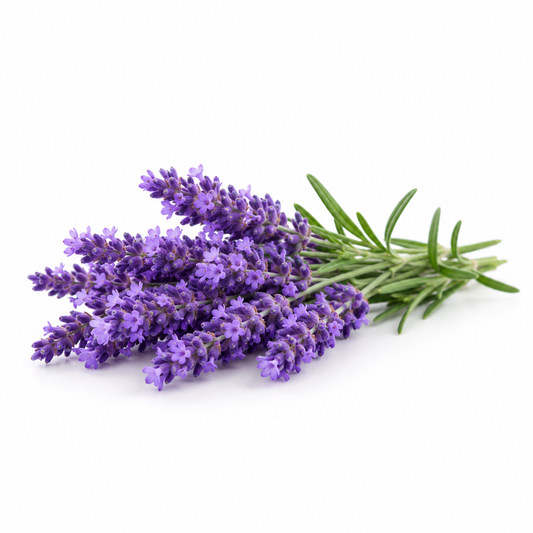
Lavender Essential Oil
Regular price From Rs. 449.00Regular priceUnit price perRs. 899.00Sale price From Rs. 449.00Sale -

 50% OFF
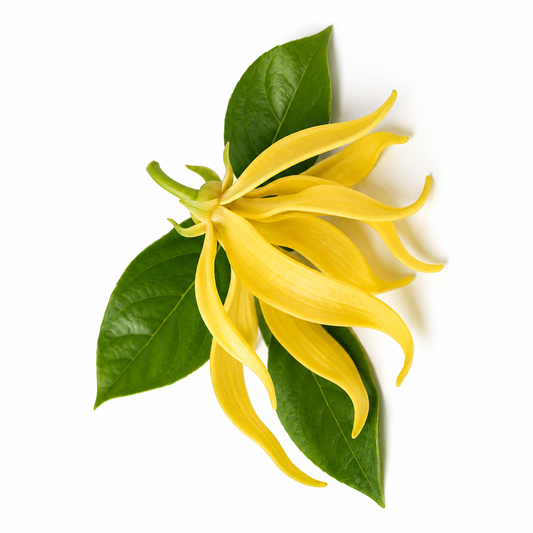
Ylang Ylang Essential Oil
Regular price From Rs. 449.00Regular priceUnit price perRs. 900.00Sale price From Rs. 449.00Sale -

 53% OFF
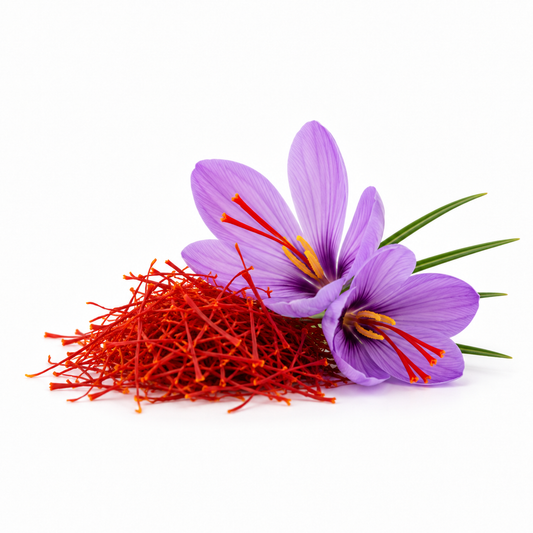
Saffron Essential Oil
Regular price From Rs. 649.00Regular priceUnit price perRs. 1,400.00Sale price From Rs. 649.00Sale -

 33% OFF
Camphor Essential Oil
Regular price From Rs. 299.00Regular priceUnit price perRs. 450.00Sale price From Rs. 299.00Sale -

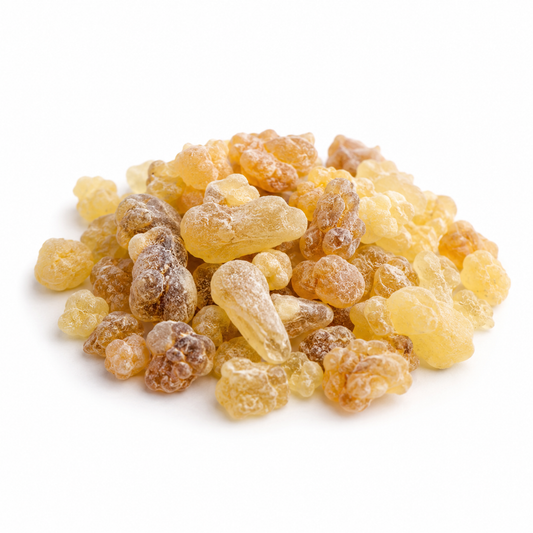 28% OFF
Frankincense Essential Oil
Regular price From Rs. 429.00Regular priceUnit price perRs. 599.00Sale price From Rs. 429.00Sale -

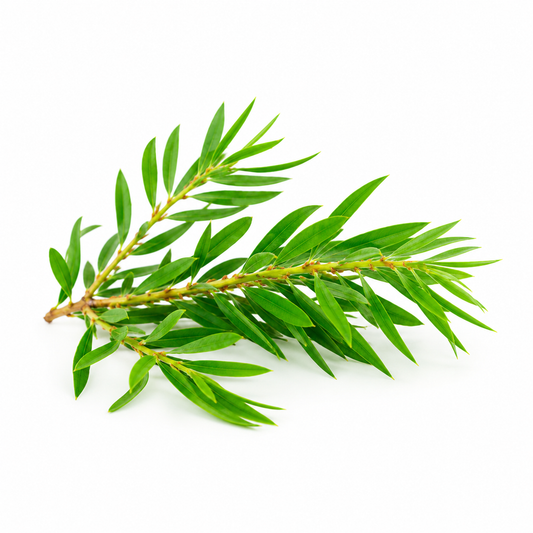 25% OFF
Tea Tree Essential Oil
Regular price From Rs. 449.00Regular priceUnit price perRs. 600.00Sale price From Rs. 449.00Sale -

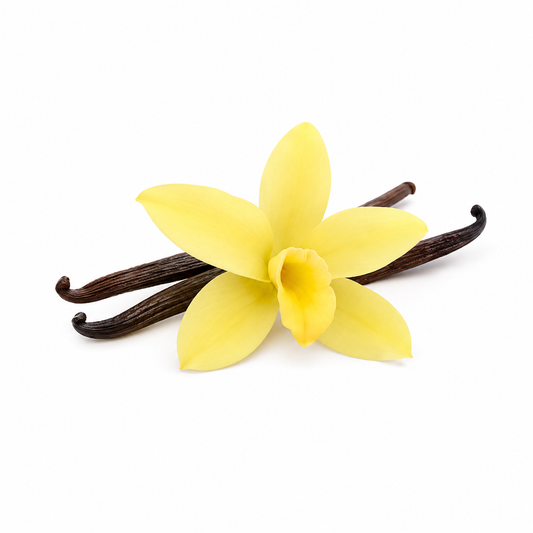 18% OFF
Vanilla Essential Oil
Regular price From Rs. 449.00Regular priceUnit price perRs. 550.00Sale price From Rs. 449.00Sale -

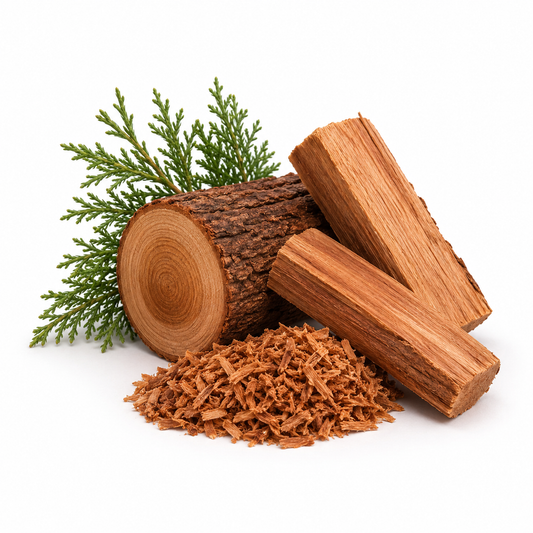 11% OFF
Cedarwood Essential Oil
Regular price From Rs. 399.00Regular priceUnit price perRs. 450.00Sale price From Rs. 399.00Sale -

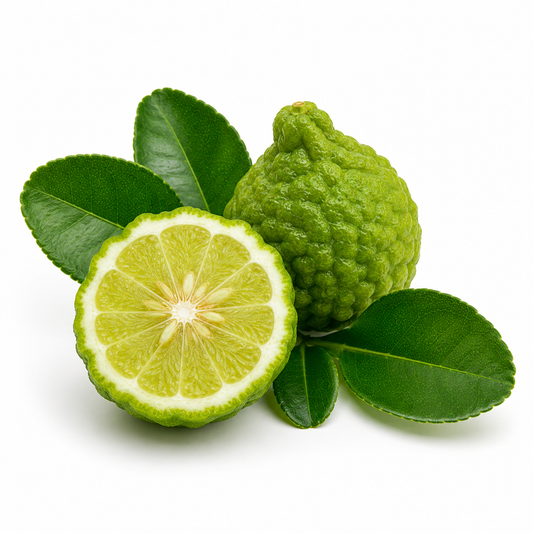 11% OFF
Bergamot Essential Oil
Regular price From Rs. 399.00Regular priceUnit price perRs. 450.00Sale price From Rs. 399.00Sale -

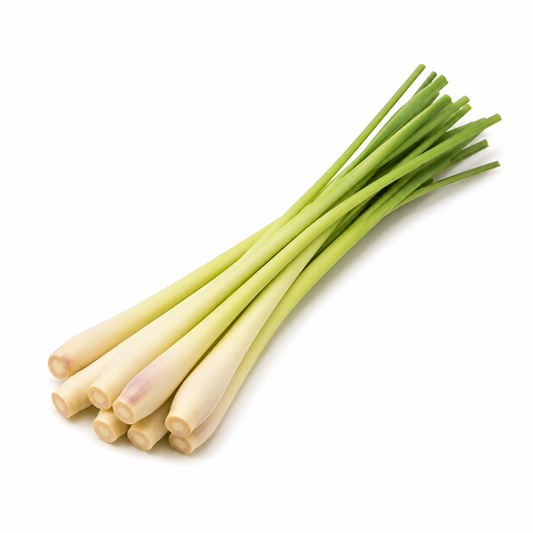 25% OFF
Lemongrass Essential Oil
Regular price From Rs. 449.00Regular priceUnit price perRs. 599.00Sale price From Rs. 449.00Sale -

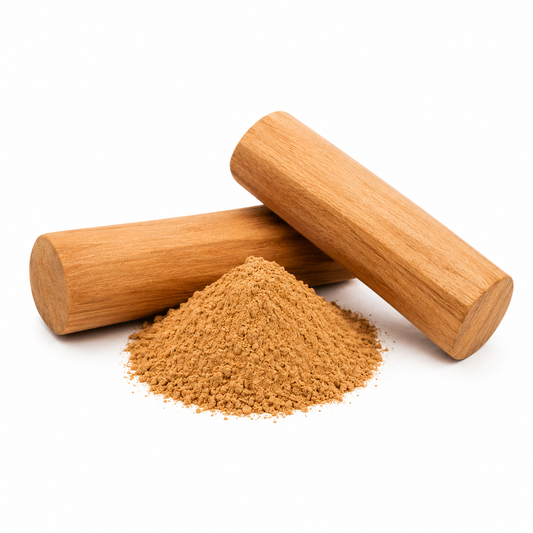 76% OFF
Sandalwood Essential Oil
Regular price From Rs. 1,199.00Regular priceUnit price perRs. 5,000.00Sale price From Rs. 1,199.00Sale -

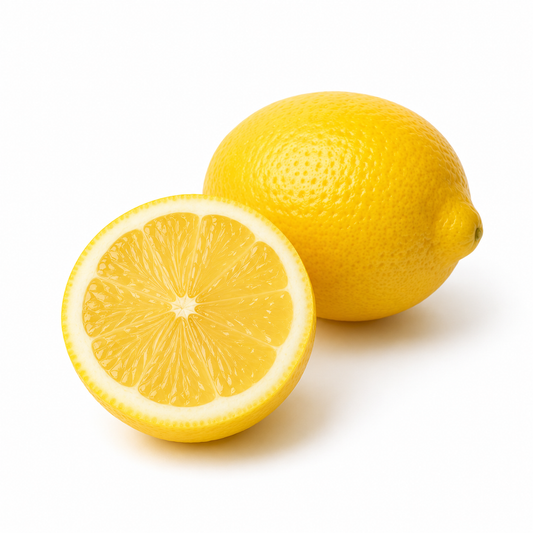 20% OFF
Lemon Essential Oil
Regular price From Rs. 399.00Regular priceUnit price perRs. 500.00Sale price From Rs. 399.00Sale -

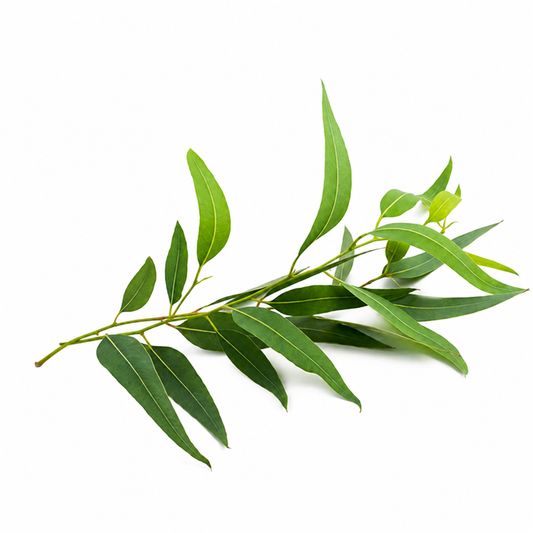 30% OFF
Eucalyptus Essential Oil
Regular price From Rs. 449.00Regular priceUnit price perRs. 650.00Sale price From Rs. 449.00Sale -

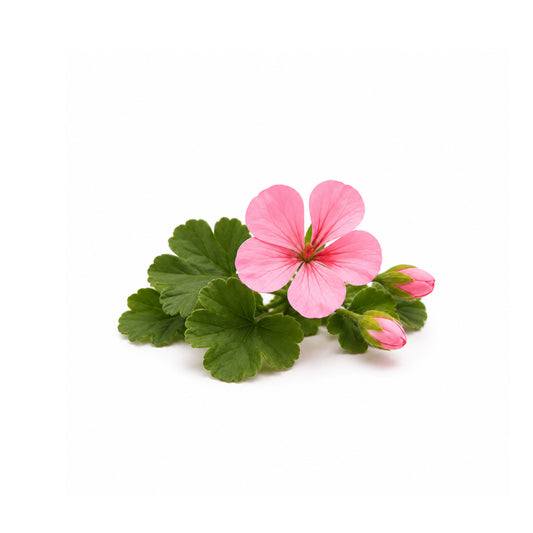 33% OFF
Geranium Essential Oil
Regular price From Rs. 499.00Regular priceUnit price perRs. 750.00Sale price From Rs. 499.00Sale -

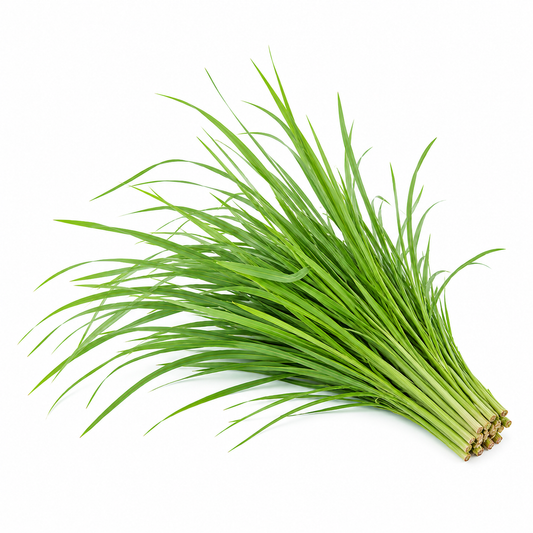 20% OFF
Citronella Essential Oil
Regular price From Rs. 399.00Regular priceUnit price perRs. 500.00Sale price From Rs. 399.00Sale -

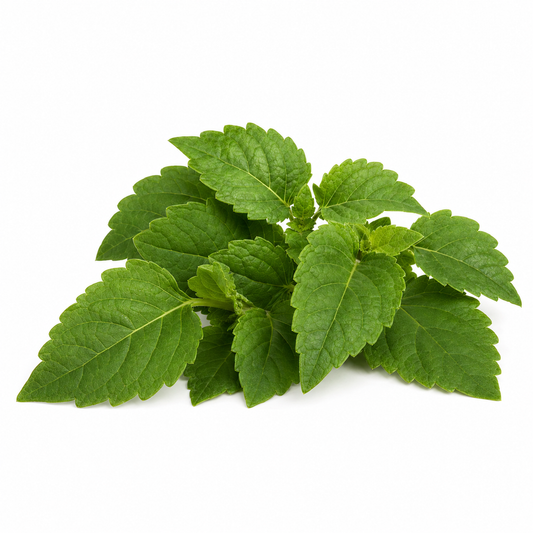 36% OFF
Patchouli Essential Oil
Regular price From Rs. 949.00Regular priceUnit price perRs. 1,500.00Sale price From Rs. 949.00Sale -

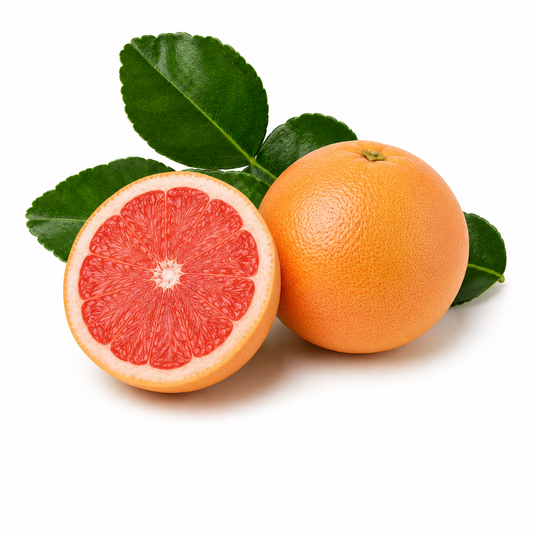 18% OFF
GrapeFruit Oil
Regular price From Rs. 449.00Regular priceUnit price perRs. 550.00Sale price From Rs. 449.00Sale -

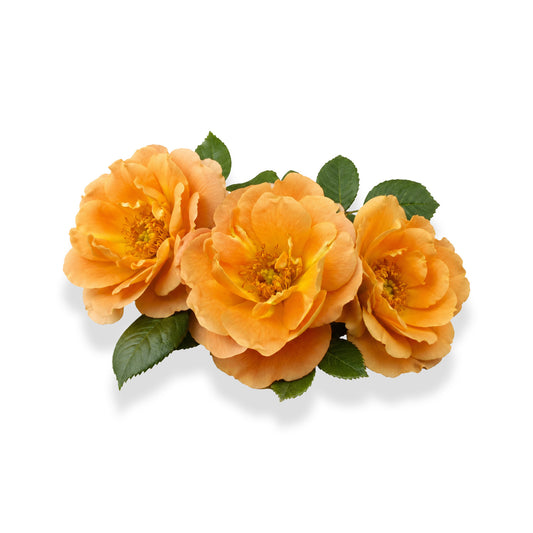 25% OFF
Amber Rose Essential Oil
Regular price From Rs. 899.00Regular priceUnit price perRs. 1,200.00Sale price From Rs. 899.00Sale -

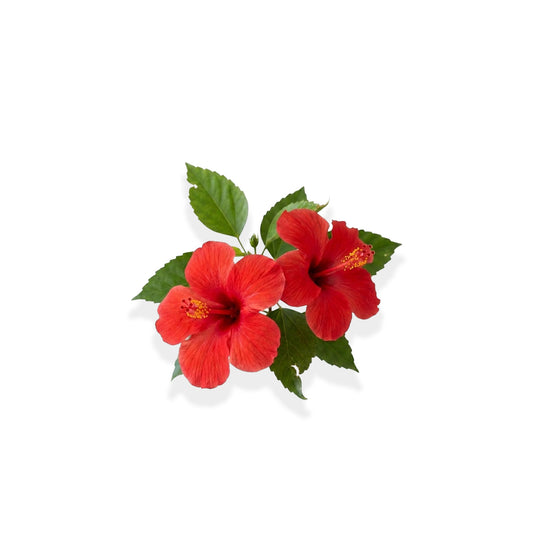 20% OFF
Hibiscus Essential Oil
Regular price From Rs. 479.00Regular priceUnit price perRs. 600.00Sale price From Rs. 479.00Sale


Essential Oils
Quick answer: An essential oil is a concentrated aromatic extract from a plant's leaves, flowers, bark, roots, or peel, usually obtained by steam distillation or cold pressing. Unlike a fragrance oil, which is a lab-built scent, an essential oil carries the plant's own chemistry. Never apply essential oils undiluted: 2 to 3 percent in a carrier oil is a common body dilution, about 1 percent for the face. RV Organica ships every batch with a COA and MSDS.
RV Organica is an essential oil manufacturer based in Panipat, Haryana, India, supplying both retail buyers and bulk manufacturers across the country and internationally. An essential oil is the concentrated aromatic extract pulled from a plant's leaves, flowers, bark, roots, or peel, almost always through steam distillation or cold pressing. That distinction matters more than most buyers realize: a fragrance oil is a lab-built synthetic copy of a scent, while an essential oil is the plant's own chemistry, captured intact. The two behave differently on skin, in a diffuser, and in a candle, and they are priced differently for a reason.
Browse the full essential oils collection to see what's currently in stock, from single-note oils to blends built for specific uses.
As an essential oil manufacturer in India, RV Organica sources directly from distillers and growers across the country and processes everything at its own Panipat, Haryana facility, rather than outsourcing production. Every batch ships with a Certificate of Analysis and an MSDS, and India Organic certification (or its equivalent) is available on the organic range. Pack sizes start at 100ml for buyers who want to test a single batch before committing, and scale up to 25kg for bulk manufacturers - with private-label packaging available for brands building their own line.
What Is Included in the Essential Oils Collection?
Every oil in the RV Organica essential oils range is extracted from a single plant source, not blended or cut with carrier oil at the bottling stage, so what's on the label is what's in the bottle. Purity is verified per batch rather than per product line, which means two bottles of the same oil from different harvests can still carry slightly different COA numbers - that's normal for a natural extract and not a sign of inconsistency.
The range spans the oils people reach for most: peppermint and lemon for cooling, energizing use; tea tree and eucalyptus for antibacterial and respiratory applications; lavender and rosemary for skin, scalp, and wind-down routines; and heavier base oils like vetiver and patchouli for perfumers building layered blends. Each oil is sold both as a standalone product and in the bulk sizes used by candle makers, soap manufacturers, and private-label skincare brands. Buyers sourcing for manufacturing get the same COA and MSDS paperwork as a retail customer ordering a single 100ml bottle, just scaled to order size.
How Do You Use Essential Oils for Perfume, Hair, Skin, and Candles?
The right method depends entirely on what you're using the oil for. A dilution that works for a diffuser will irritate skin, and a ratio built for perfume will smell wrong in soap. Here's how each use case actually works.
Perfume blending. Start with a 3:2:1 ratio of base notes to middle notes to top notes by volume. Treat that as a starting point, not a formula to follow blindly - adjust by smell, not by measurement, once you've got the rough structure down. Oils like vetiver and patchouli are deceptive straight from the bottle; their character only shows up once diluted, so test them at working dilution rather than judging them neat.
Hair and scalp. Mix 2 to 3 drops of rosemary, tea tree, or peppermint into a tablespoon of carrier oil - coconut, jojoba, or sesame all work. Never put essential oil directly on the scalp undiluted; at full strength these oils are strong enough to irritate skin that's meant to absorb them slowly.
Skin. Keep facial use at 1 to 2% dilution, and patch test before adding anything to a regular routine, even oils with a reputation for being gentle. Tea tree is the standard choice for breakouts. Lavender works better on skin that's already irritated or reactive.
Aromatherapy and diffusing. Use 3 to 5 drops in water per session. Rotate which oil you're diffusing every few weeks - the nose stops registering a constant scent fairly quickly, so the same oil running for months starts to fade into background noise rather than doing its job.
Candle and soap making. Lemon, lavender, and eucalyptus all hold up reliably in soy and coconut wax, though the scent throw runs lighter than what you'd get from synthetic fragrance. In soap, lemon and tea tree carry through the curing process without needing any modification, which isn't true of every essential oil.
Which Essential Oil Is Best for Each Season in India?
India's climate swings hard enough between seasons that the same essential oil routine doesn't make sense year-round. What clears a stuffy monsoon room does nothing for summer heat, and what cools you down in May is the wrong choice for a winter evening.
Summer (March to June). Peppermint does the most work here - it's cooling, energizing, and shows up constantly in Indian grooming and post-workout products through the hottest months for exactly that reason. Lemon is the other strong option, particularly as a diffuser top note, since it burns off quickly and doesn't sit heavy in a room that's already warm.
Monsoon (June to September). Tea tree earns its spot through humidity season because of its antibacterial and anti-inflammatory profile, which is useful against the skin and scalp irritation that damp weather tends to bring on. Eucalyptus pairs well with it for the closed-room, stuffy feeling that builds up when everything outside is wet.
Winter (October to February). Eucalyptus is the season's anchor oil. Steam inhalation is one of its oldest and most established uses, and it shows up just as often in chest-care products and spa diffuser blends through the cold months. Rosemary fits winter hair care, when colder, drier air tends to push people toward heavier routines. Lavender rounds it out for long winter evenings, mainly in diffuser blends meant to wind a room down before bed.
| Season | Best oils | Why |
|---|---|---|
| Summer | Peppermint, Lemon | Cooling, energizing, clears fast in heat |
| Monsoon | Tea Tree, Eucalyptus | Antibacterial relief for humidity-driven skin and scalp issues, clears damp air |
| Winter | Eucalyptus, Rosemary, Lavender | Cold-season inhalation, scalp care, evening wind-down |
Which Carrier Oils Are Best for Diluting Essential Oils?
The full essential oils collection includes both the single-note oils and the carrier-compatible blends manufacturers use across hair, skin, and home fragrance applications. A carrier oil isn't just a filler - it changes how the finished blend feels, absorbs, and performs. Coconut oil is the most common base for hair and body use across Indian households, and it suits heavier oils like rosemary and eucalyptus well. Jojoba oil sits closest to skin's natural sebum, making it the lighter choice for facial use or anyone who finds coconut oil too heavy. Sesame oil carries a warming quality in Ayurvedic tradition and pairs naturally with rosemary and eucalyptus in winter blends. Sweet almond oil absorbs quickly and works well for general body massage where a lighter finish matters more than deep nourishment. Whichever base is chosen, the essential oil ratio stays the same across recipes - it's the carrier that changes texture and absorption, not the active ingredient itself.
What Are Common Mistakes When Using Essential Oils?
Applying any essential oil directly to skin or scalp without diluting it is the single most common mistake, and it's responsible for most of the irritation complaints around natural products - none of the oils in this collection are meant for neat application. Judging a blending oil like vetiver or patchouli straight from the bottle is another frequent error, since these oils only show their real character once diluted to working strength. Running the same diffuser blend for months without rotating it is a smaller but common mistake too; the nose adjusts to a constant scent fairly fast, so a beloved oil starts to register as nothing at all. For candle and soap makers, expecting synthetic-fragrance-level scent throw from a natural essential oil is a mismatch in expectations rather than a flaw in the oil - natural extracts perform differently, and formulating around that difference gets better results than fighting it.
Why Does Essential Oil Quality Matter for Manufacturers and Retailers?
Essential oils are a category where quality differences aren't always obvious until a product underperforms. A diluted or adulterated batch can still smell roughly right while delivering a fraction of the active compounds a formulation depends on, and the difference usually shows up in customer complaints rather than at the point of purchase. This matters whether the oil is going into a single diffuser at home, a candle production run, or a private-label skincare line being built around precise dilution ratios.
Batch-level documentation closes that gap. A Certificate of Analysis confirms what's actually in the bottle rather than relying on the label, and an MSDS gives manufacturers the safety data they need to set dilution limits with confidence instead of guessing from general references. For B2B buyers, this consistency is what allows a formulation to be repeated reliably across production runs, batch after batch, without the finished product quietly drifting from what it was originally built to be.
Whether you're picking one oil for a diffuser at home or sourcing 25kg for a manufacturing run, every batch is processed at RV Organica's own Panipat, Haryana facility and comes with the same COA and MSDS backing it. Check current stock and pricing on the RV Organica essential oils page before placing an order.
- Choosing a selection results in a full page refresh.
- Opens in a new window.