Buy PureSpa OilsOnline in India - Bulk & Wholesale
Buy Spa Oils in Bulk
-
22% OFFCalendula Essential Oil
4.7 / 5.0
(10) 10 total reviews
Regular price From Rs. 849.00Regular priceUnit price / perRs. 1,100.00Sale price From Rs. 849.00Sale -
20% OFFBulgarian Lavender Essential Oil
4.62 / 5.0
(8) 8 total reviews
Regular price From Rs. 999.00Regular priceUnit price / perRs. 1,250.00Sale price From Rs. 999.00Sale -
30% OFFRose Geranium Essential Oil
4.5 / 5.0
(2) 2 total reviews
Regular price From Rs. 699.00Regular priceUnit price / perRs. 1,000.00Sale price From Rs. 699.00Sale -
42% OFFMyrrh Essential Oil
4.67 / 5.0
(3) 3 total reviews
Regular price From Rs. 1,159.00Regular priceUnit price / perRs. 2,000.00Sale price From Rs. 1,159.00Sale -
51% OFFLabdanum Essential Oil
4.33 / 5.0
(6) 6 total reviews
Regular price From Rs. 729.00Regular priceUnit price / perRs. 1,500.00Sale price From Rs. 729.00Sale -
50% OFFKapoor Kachri Essential Oil
4.36 / 5.0
(11) 11 total reviews
Regular price From Rs. 899.00Regular priceUnit price / perRs. 1,800.00Sale price From Rs. 899.00Sale -
28% OFFHenna Essential Oil
4.8 / 5.0
(5) 5 total reviews
Regular price From Rs. 499.00Regular priceUnit price / perRs. 700.00Sale price From Rs. 499.00Sale -
10% OFFChamomile Essential Oil
4.33 / 5.0
(9) 9 total reviews
Regular price From Rs. 1,349.00Regular priceUnit price / perRs. 1,500.00Sale price From Rs. 1,349.00Sale -
Aquilaria Agallocha Essential Oil
4.33 / 5.0
(3) 3 total reviews
Regular price From Rs. 1,499.00Regular priceUnit price / perRs. 2,999.00Sale price From Rs. 1,499.00Sale -
50% OFFPalmarosa Essential Oil
4.8 / 5.0
(5) 5 total reviews
Regular price From Rs. 699.00Regular priceUnit price / perRs. 1,400.00Sale price From Rs. 699.00Sale -
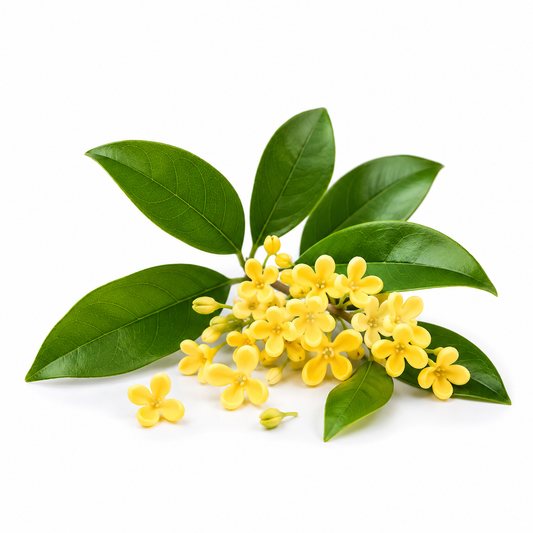
47% OFFOsmanthus Essential Oil
4.43 / 5.0
(7) 7 total reviews
Regular price From Rs. 1,149.00Regular priceUnit price / perRs. 2,200.00Sale price From Rs. 1,149.00Sale -
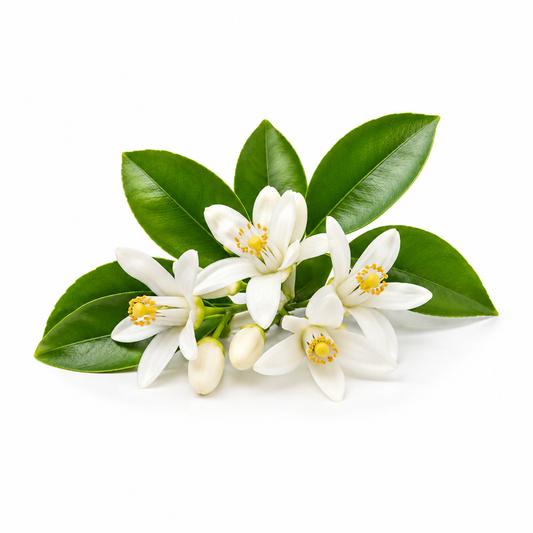
45% OFFNeroli Essential Oil
4.67 / 5.0
(3) 3 total reviews
Regular price From Rs. 2,199.00Regular priceUnit price / perRs. 4,000.00Sale price From Rs. 2,199.00Sale -
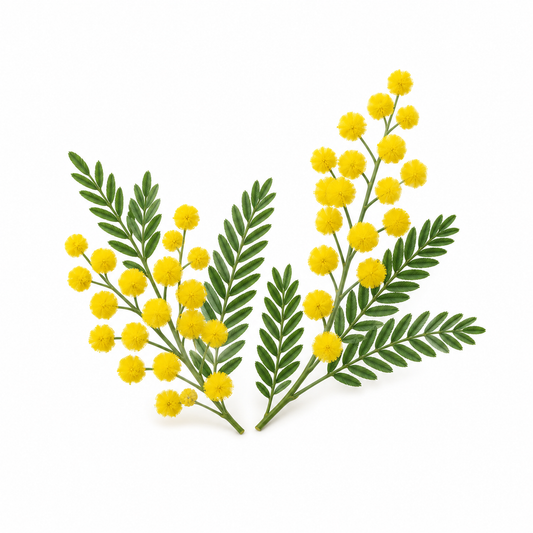
50% OFFMimosa Essential Oil
4.5 / 5.0
(6) 6 total reviews
Regular price From Rs. 749.00Regular priceUnit price / perRs. 1,500.00Sale price From Rs. 749.00Sale -
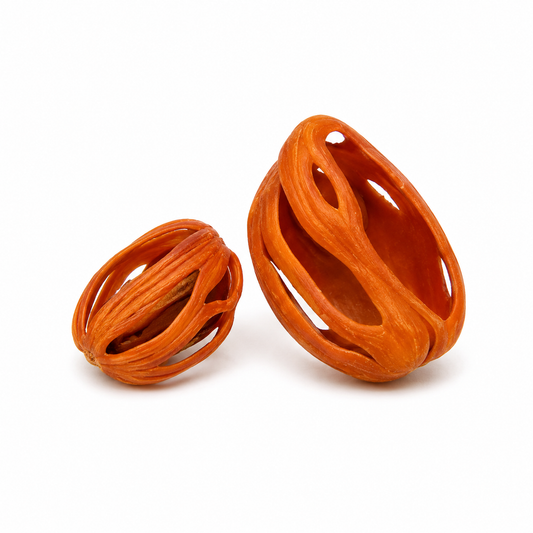
50% OFFMace Essential Oil
4.5 / 5.0
(8) 8 total reviews
Regular price From Rs. 599.00Regular priceUnit price / perRs. 1,200.00Sale price From Rs. 599.00Sale -
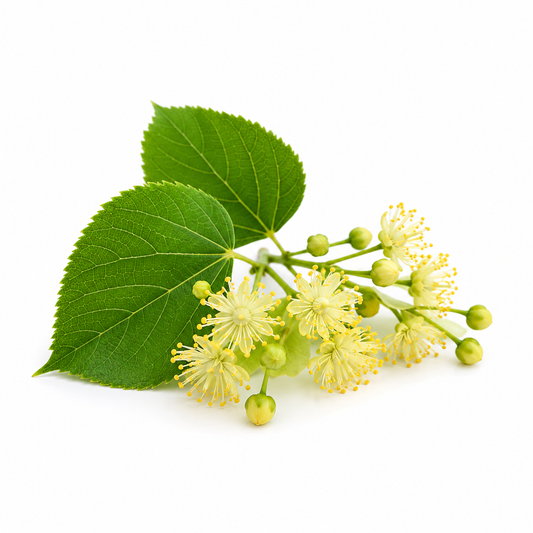
45% OFFLinden Blossom Essential Oil
4.57 / 5.0
(7) 7 total reviews
Regular price From Rs. 649.00Regular priceUnit price / perRs. 1,200.00Sale price From Rs. 649.00Sale -
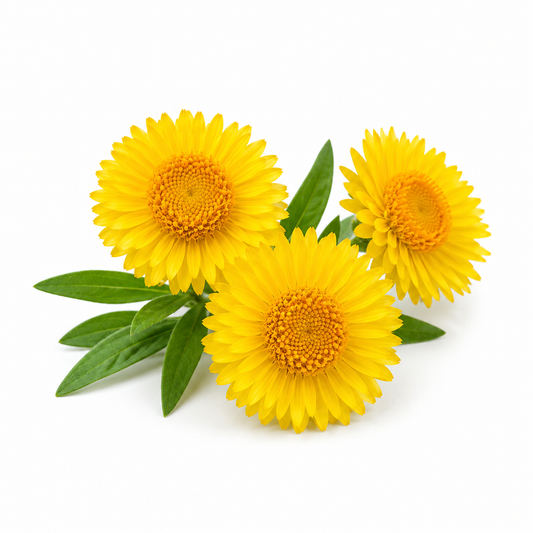
37% OFFHelichrysum Essential Oil
4.5 / 5.0
(6) 6 total reviews
Regular price From Rs. 749.00Regular priceUnit price / perRs. 1,200.00Sale price From Rs. 749.00Sale -
50% OFFGalbanum Essential Oil
4.5 / 5.0
(10) 10 total reviews
Regular price From Rs. 999.00Regular priceUnit price / perRs. 2,000.00Sale price From Rs. 999.00Sale -
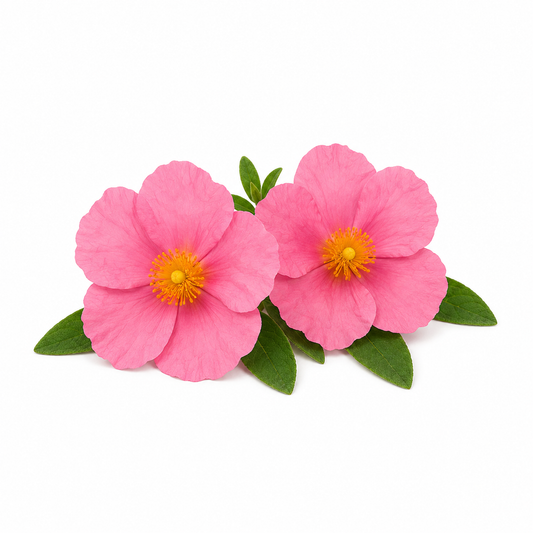
20% OFFCistus Essential Oil
4.33 / 5.0
(6) 6 total reviews
Regular price From Rs. 799.00Regular priceUnit price / perRs. 1,000.00Sale price From Rs. 799.00Sale -
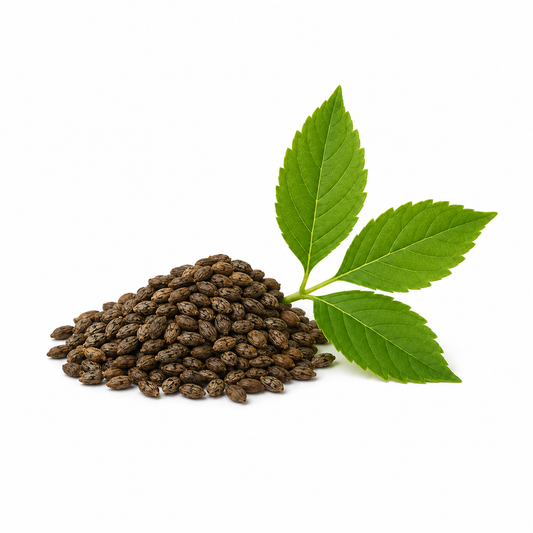
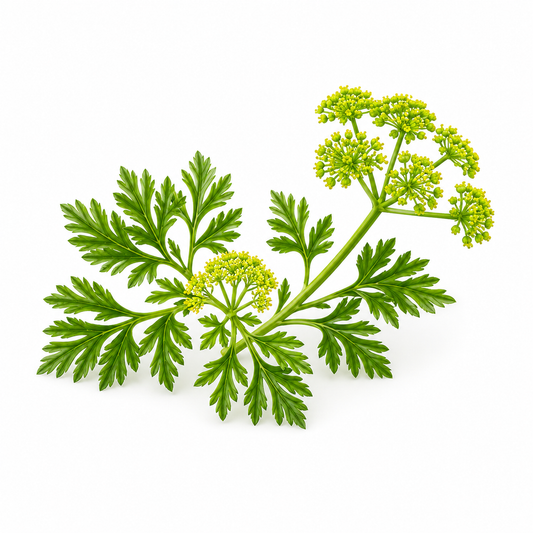
53% OFFCelery Seed Essential Oil
4.5 / 5.0
(4) 4 total reviews
Regular price From Rs. 649.00Regular priceUnit price / perRs. 1,400.00Sale price From Rs. 649.00Sale -
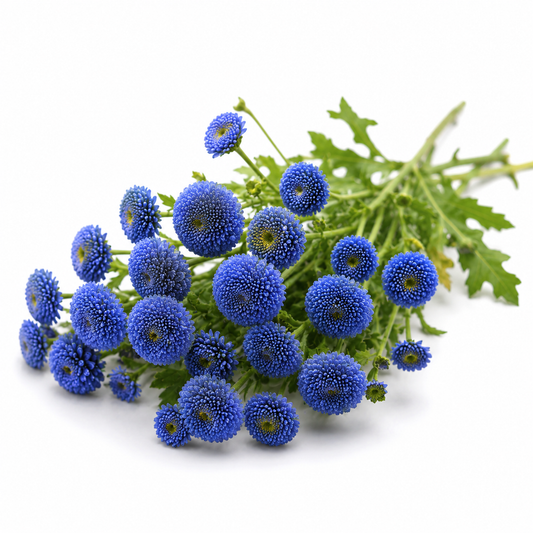
37% OFFBlue Tansy Essential Oil
4.5 / 5.0
(4) 4 total reviews
Regular price From Rs. 1,499.00Regular priceUnit price / perRs. 2,400.00Sale price From Rs. 1,499.00Sale
Collapsible content
What is the difference between spa oils and regular essential oils?
Regular essential oils are concentrated single-compound extracts — undiluted or close to it — intended for diffusing, inhalation, or careful dilution before any skin contact. Spa oils arrive pre-diluted. The essential oil work is already done; you apply them directly. What you lose is the flexibility to adjust concentration. What you gain is that you can't accidentally use an undiluted oil directly on skin, which is where most essential oil skin reactions come from.
Can I use couples massage oil every day, or is it occasional-use?
Daily is fine for most people at standard aromatherapy dilutions. The limit most people hit isn't a skin concern — it's scent fatigue. Using the same fragrance every evening for a few months and your olfactory response to it dulls noticeably. Rotating between two blends, or taking a break every few weeks, keeps the experience fresh. The carrier oils themselves — sweet almond, jojoba — are gentle enough for regular daily use on most skin types.
Lavender for sleep or something stronger?
Lavender is the default recommendation and earns it. For people who try it and find it either too light or too floral to feel genuinely grounding, cedarwood and vetiver are worth trying — heavier, more resinous profiles that feel quieter. The Relaxation Massage Oil puts lavender and cedarwood together, which covers both bases. If that still doesn't work, pure cedarwood or vetiver on their own are the next step — though those are single essential oils that would need diluting before use.
How do I know if the essential oils are real and not synthetic fragrance?
Read the ingredient list, not the front label. Each oil should be named: "lavender essential oil (Lavandula angustifolia)," "ylang ylang essential oil (Cananga odorata)." If the list shows "fragrance," "parfum," or just "essential oil blend" without naming the components, you're looking at synthetic aromatic compounds. They're not harmful in standard dilutions, but they're a different product with a different profile. Brands that batch-test their oils can provide a COA confirming identity and purity. Ask for it. If a supplier won't share it when asked, that answer is informative.
Are Ayurvedic massage oils and spa oils the same thing?
Not exactly. Classical Ayurvedic tailam is herbs cooked into sesame or coconut oil — the heat and time extract specific compounds in a way that's categorically different from blending essential oils into a carrier cold. Most products sold today as Ayurvedic massage oil are actually the latter: sesame or coconut base with sandalwood, vetiver, or tulsi essential oil added. That's a reasonable modern adaptation, and it works well for Abhyanga — but it isn't classical tailam preparation. If you're buying for traditional practice, the sesame-based blends with Indian botanicals are the appropriate category. For relaxation or couples use, the distinction matters less than the fragrance profile and carrier base.
About Spa Oils
Spa Oils — Aromatherapy Essential Oil Blends for Relaxation & Wellness
>Most people buying spa oils in India are actually looking for one of two things: something for couples, or something that genuinely helps them wind down after the kind of day where even sitting still feels like effort. The label "spa oil" does a lot of work — it covers everything from ylang ylang romance blends to camphor-forward pain relief formulas to Ayurvedic sesame bases with sandalwood. They're not the same product. Worth knowing what you're actually picking before you decide.
Spa oils — also called aromatherapy blends — are pre-formulated combinations of essential oils diluted in a carrier base, ready for direct skin application. No measuring, no mixing. That's the practical distinction from single essential oils, which need to be diluted before use and are meant for different applications altogether.
What Are Spa Oils?
>The short version: a spa oil is an essential oil blend that's already been diluted to a safe topical concentration. Two to six essential oils combined with a light carrier — sweet almond, jojoba, fractionated coconut — at a ratio you can apply straight to skin.
Single essential oils like lavender or ylang ylang are typically used at 2–5% dilution in a carrier. Spa oils handle that step for you. The formulation is already calibrated, which is why they're called ready-to-use. For massage, bedtime rituals, or partner use, that convenience matters — most skin irritation incidents with essential oils happen because someone skipped the dilution.
Now, what they are not. Not perfume oils. Not fragrance oils. A proper spa oil uses plant-derived essential oil compounds. Fragrance or parfum on the ingredient list means synthetic aromatic replacements — technically safe for skin in standard dilutions, but not the same chemistry. The scent can be identical; the active profile isn't. If you're buying for therapeutic intent, the ingredient list is the only thing worth reading carefully.
Indian buyers sometimes ask whether Ayurvedic tailam and spa oils are the same. They aren't. Classical tailam is herbs cooked into sesame or coconut base over extended heat — the extraction process is fundamentally different and yields different phytochemicals. A lot of products sold today as "Ayurvedic massage oil" are sesame base with added essential oils like sandalwood or vetiver. That's not wrong, and it works fine for Abhyanga — but it's adaptation, not traditional preparation.
Uses and Applications
>Relaxation and stress relief
Lavender, bergamot, chamomile, cedarwood. These are the standard for general relaxation, and the research backing lavender specifically — mostly inhalation studies — is decent by aromatherapy standards. At spa oil concentrations the effect is real, just probably gentler than what clinical studies measure at higher dilutions. Useful thing to know before you expect a pharmacological result.
For stress relief, 4–5 ml warmed between the palms, worked into the back of the neck and upper shoulders. Ten minutes. The ritual of warming and applying is genuinely part of the mechanism — not just the compound hitting receptors.
Couples and intimacy
This is actually the biggest search signal for spa oils on this site. Ylang ylang, rose, jasmine, sandalwood — these fragrance components are the backbone of couples blends because they read warm and intimate rather than clinical or herbal. The carrier base underneath matters more than most people realise: sweet almond stays workable through a longer massage, jojoba absorbs faster and leaves less on fabric.
One thing worth saying plainly: "sensual" and "romantic" on a label is fragrance positioning, not a separate chemical category. These blends don't function differently from relaxation blends in any measurable biological way. The distinction is entirely in scent profile and what associations it creates for the people using it.
Sleep
Lavender works for most people. Cedarwood and vetiver work better for people who find lavender too light — they have a heavier, more grounding quality that some describe as quieter. Application on the soles of the feet 20–30 minutes before bed is the traditional Ayurvedic approach. Whether the application site actually matters at that level of nuance is debated; what isn't debated is that a consistent pre-sleep ritual — whatever form it takes — genuinely supports sleep onset.
Muscle soreness and pain relief
Camphor, peppermint, eucalyptus, wintergreen — counter-irritant compounds with solid research behind them for reducing local pain perception. Post-gym soreness, desk-posture stiffness, travel fatigue all respond reasonably well. The caveat for India: camphor-heavy blends feel overpowering during monsoon months in humid conditions. June through September, a peppermint or eucalyptus-dominant blend is more comfortable than something camphor-forward.
Skin and Abhyanga
Sesame base with sandalwood or vetiver is the most contextually appropriate choice for Abhyanga — the full-body self-massage before bathing that many Indian households do on Sunday mornings. Circular strokes from the extremities inward, warm oil, left on for 20–30 minutes before a bath. A heavier sesame base suits this better than fast-absorbing jojoba; the technique requires the oil to stay present through the full application.
How to Choose
>Decide on the use first. Everything follows from that.
Extended massage — couples use, full-body — wants a slower-absorbing base. Sweet almond and sesame have enough glide to stay workable. Jojoba is better for scalp, face, or situations where residue is a concern. These aren't interchangeable.
Fragrance: warm and woody (sandalwood, vetiver, ylang ylang, jasmine, rose) for evening and intimate use. Cooling and herbaceous (peppermint, eucalyptus, camphor) for daytime, pain relief, post-workout. You can use either at any time — but one will feel out of place.
On labels: "pure," "natural," "organic" mean nothing specific in India. Unregulated terms, no enforcement. What actually tells you something: named essential oils in the ingredient list (not just "fragrance"), COA availability — Certificate of Analysis confirming purity and identity — and honest dilution percentages. A brand that will share batch testing documentation on request is making a verifiable claim. One that won't, isn't.
Storage matters more than most labels suggest. Keep oils away from direct sunlight and heat. North Indian summers between April and June will oxidise lightly sealed oils faster than expected — camphor and peppermint-heavy blends go flat first, and the shift is noticeable. A closed cabinet away from windows is enough. A car glove box in May is not.
Browse the full essential oils collection if you're looking for single-note oils to formulate your own blends.
Popular Spa Oils
>Sensual Couple Massage Oil — ylang ylang, rose, sandalwood on sweet almond. The scent reads warm and dry rather than overtly floral, which is why it works across a wider range of preferences than rose-heavy blends usually do. Sweet almond base means it stays workable — useful when the massage is actually extended rather than a five-minute gesture.
Organic Romance Massage Oil — jasmine-forward on a lighter carrier. Absorbs faster than the sensual blend, which is either a drawback or a feature depending on whether you're prioritising glide or residue. The fragrance intensity is more restrained — closer to ambient presence than statement scent.
Relaxation Massage Oil — lavender with cedarwood underneath. The cedarwood stops it from landing as purely floral and gives it enough earthiness to use in the afternoon, not just at bedtime. Probably the most versatile single-bottle option if you want relaxation without a scent that only makes sense after 9pm.
Head Massage Oil – Stress Relief — lighter carrier suited to scalp use, peppermint giving cooling at the hairline and temples. It works for tension headaches. Worth knowing: the oil stays visible in hair for a few hours, so timing matters if you're using it before leaving the house.
Organic Lavender Massage Oil — jojoba-almond base, lavender as the dominant note. Clean profile, well-documented. If you're new to aromatherapy and want to start somewhere with a clear, established effect before experimenting with multi-note blends, this is the sensible first bottle.
Fat Burning Massage Oil — grapefruit, black pepper, ginger on grapeseed. Grapeseed is lightweight; the essential oils increase local circulation and produce warming sensation. The lymphatic drainage angle has reasonable supporting evidence. The "fat burning" in the name overstates what topical massage can do on its own — body composition changes through diet and movement, not massage alone. Used as part of a consistent routine, people find it worth having. Used instead of other changes, no.
Coconut Massage Oil — a richer base that suits cooler months. Between November and February across most of North India it's excellent; during humid coastal summers or the plains heat in June, it sits heavy and absorbs slowly enough to feel inconvenient.Explore all spa and relaxing essential oil blends in one place.
RV Organica Spa Oils
RV Organica blends and bottles spa oils at its Panipat facility. Essential oil components are sourced with batch documentation and diluted to safe topical concentrations — COA is available for wholesale and institutional orders on request. Packaging runs from 30 ml retail to 1-litre bulk. Custom aromatherapy blends and private label are available;contact through the website for formulation enquiries.
- Choosing a selection results in a full page refresh.
- Opens in a new window.