
Spa Oils
Buy Spa Oils in Bulk
-

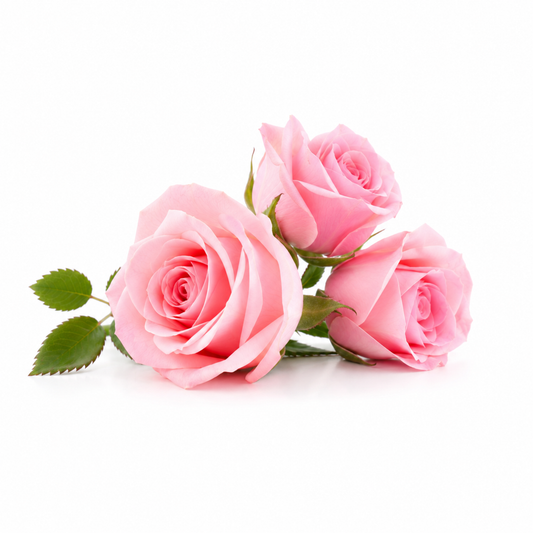 57% OFF
Rose Essential Oil
Regular price From Rs. 429.00Regular priceUnit price perRs. 999.00Sale price From Rs. 429.00Sale -

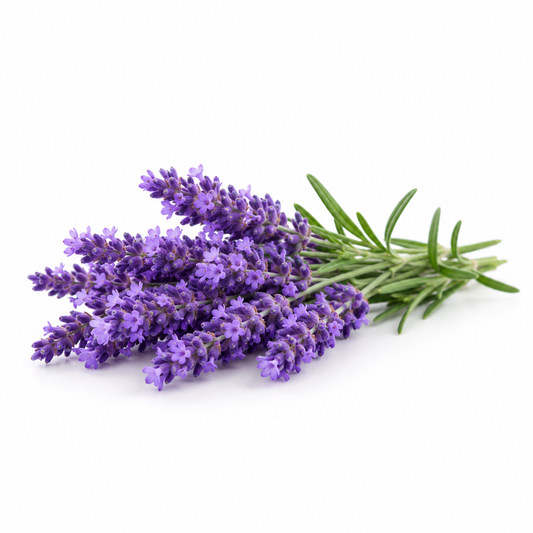 50% OFF
Lavender Essential Oil
Regular price From Rs. 449.00Regular priceUnit price perRs. 899.00Sale price From Rs. 449.00Sale -

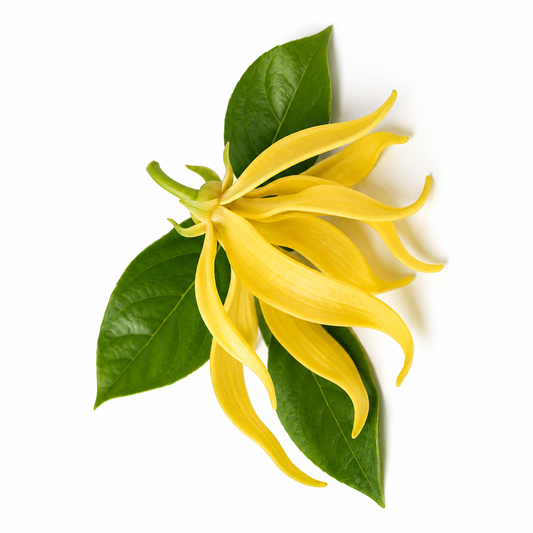 50% OFF
Ylang Ylang Essential Oil
Regular price From Rs. 449.00Regular priceUnit price perRs. 900.00Sale price From Rs. 449.00Sale -

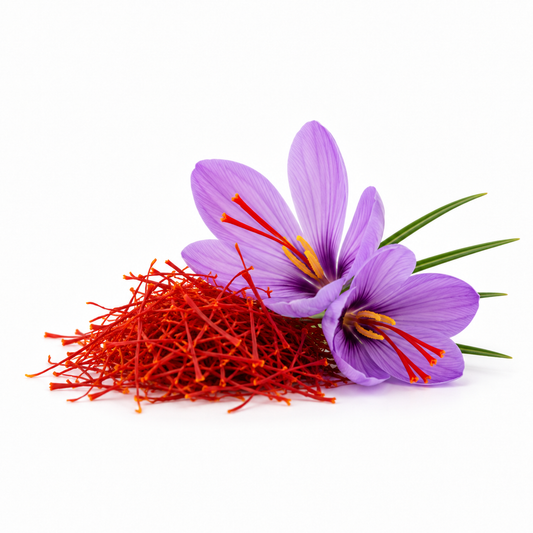 53% OFF
Saffron Essential Oil
Regular price From Rs. 649.00Regular priceUnit price perRs. 1,400.00Sale price From Rs. 649.00Sale -

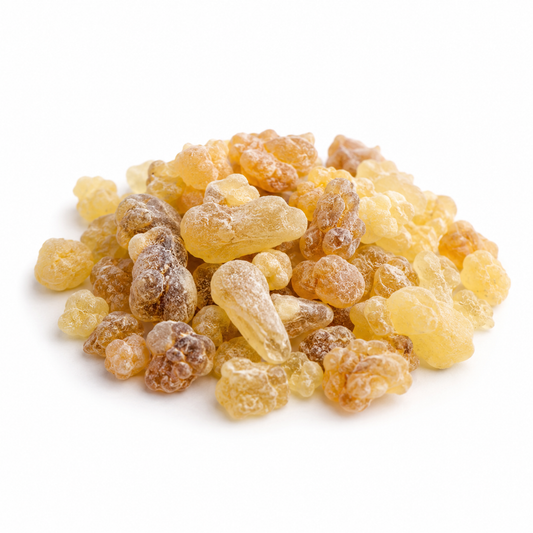 28% OFF
Frankincense Essential Oil
Regular price From Rs. 429.00Regular priceUnit price perRs. 599.00Sale price From Rs. 429.00Sale -

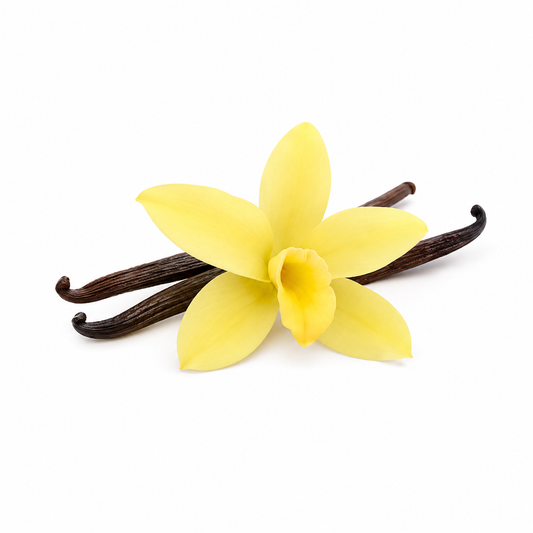 18% OFF
Vanilla Essential Oil
Regular price From Rs. 449.00Regular priceUnit price perRs. 550.00Sale price From Rs. 449.00Sale -

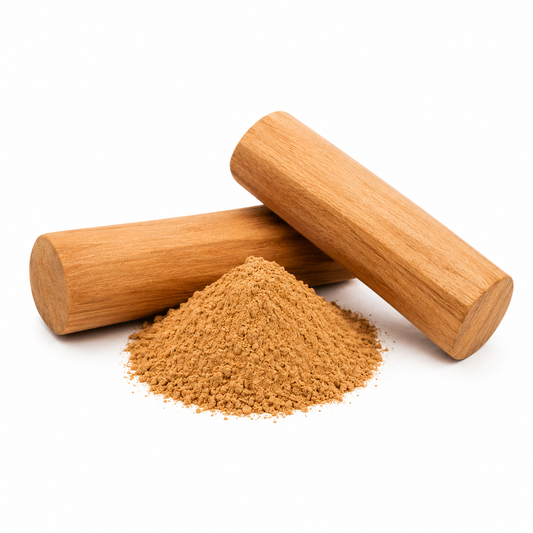 76% OFF
Sandalwood Essential Oil
Regular price From Rs. 1,199.00Regular priceUnit price perRs. 5,000.00Sale price From Rs. 1,199.00Sale -

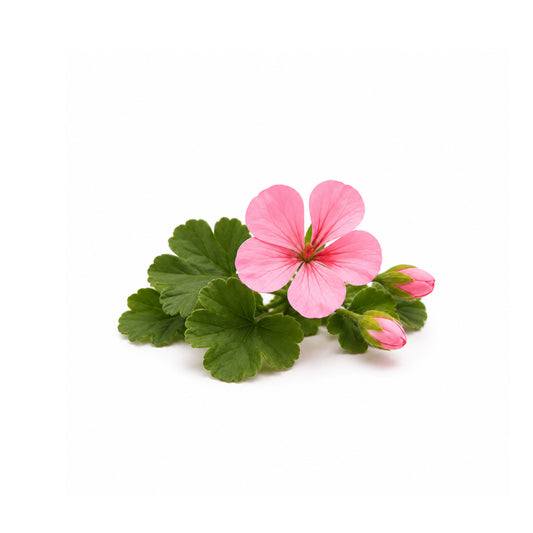 33% OFF
Geranium Essential Oil
Regular price From Rs. 499.00Regular priceUnit price perRs. 750.00Sale price From Rs. 499.00Sale -

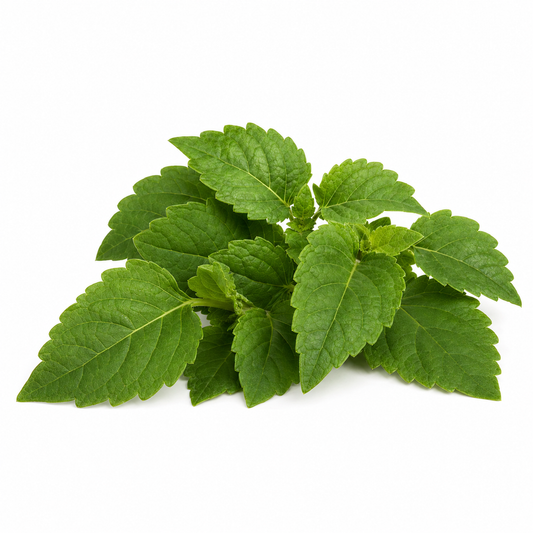 36% OFF
Patchouli Essential Oil
Regular price From Rs. 949.00Regular priceUnit price perRs. 1,500.00Sale price From Rs. 949.00Sale -

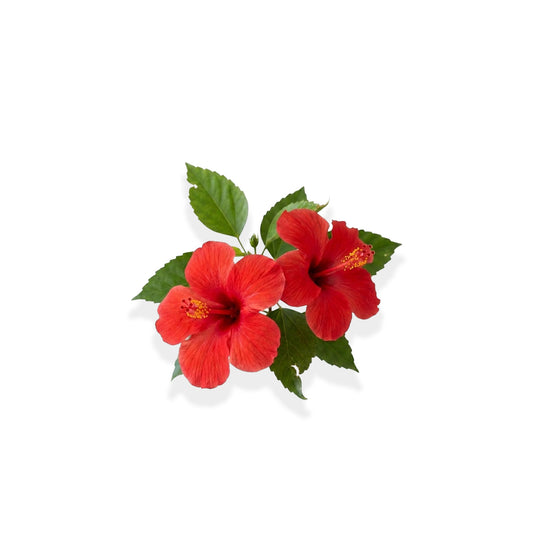 20% OFF
Hibiscus Essential Oil
Regular price From Rs. 479.00Regular priceUnit price perRs. 600.00Sale price From Rs. 479.00Sale -

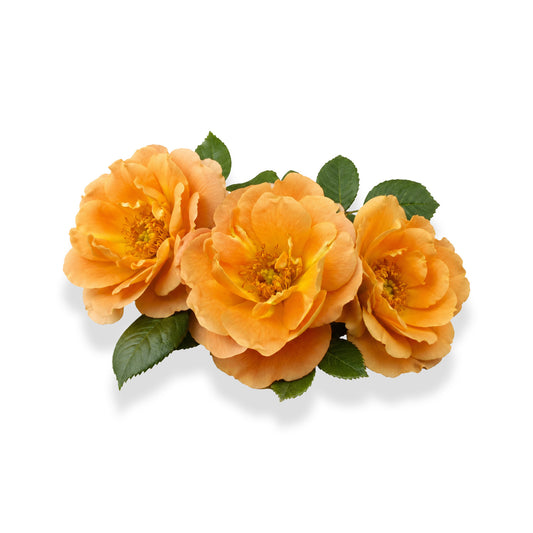 25% OFF
Amber Rose Essential Oil
Regular price From Rs. 899.00Regular priceUnit price perRs. 1,200.00Sale price From Rs. 899.00Sale -

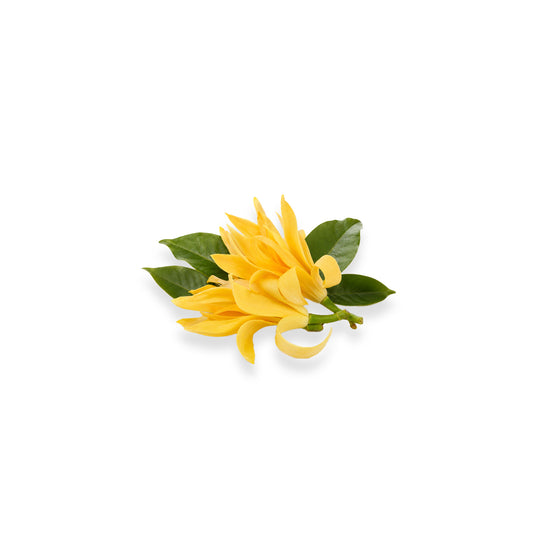
Champaca Essential Oil
Regular price From Rs. 899.00Regular priceUnit price perRs. 700.00Sale price From Rs. 899.00 -

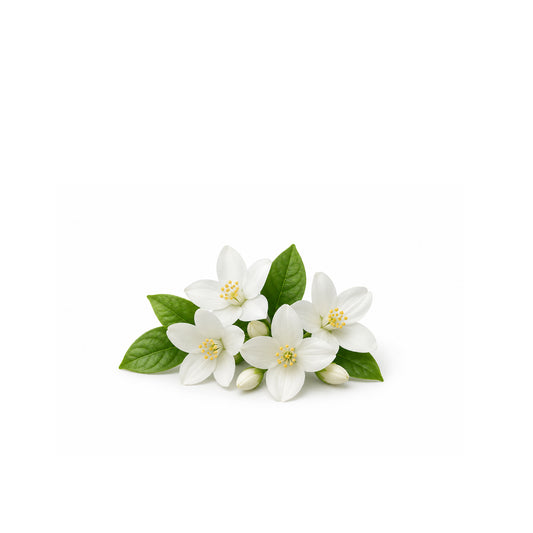 80% OFF
Jasmine Essential Oil(Grandiflorum)
Regular price From Rs. 1,999.00Regular priceUnit price perRs. 10,000.00Sale price From Rs. 1,999.00Sale -

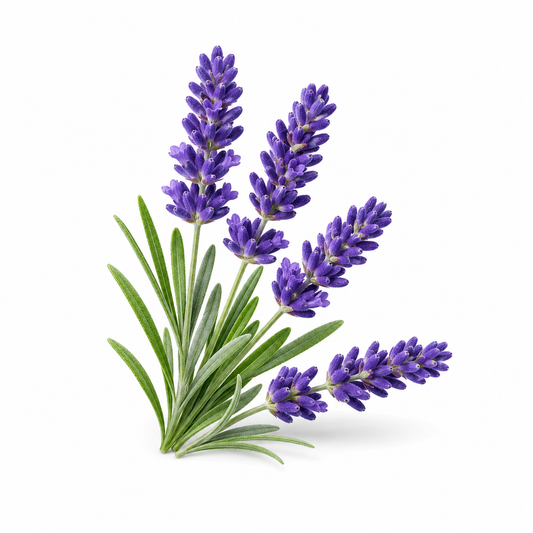 20% OFF
Bulgarian Lavender Essential Oil
Regular price From Rs. 999.00Regular priceUnit price perRs. 1,250.00Sale price From Rs. 999.00Sale -

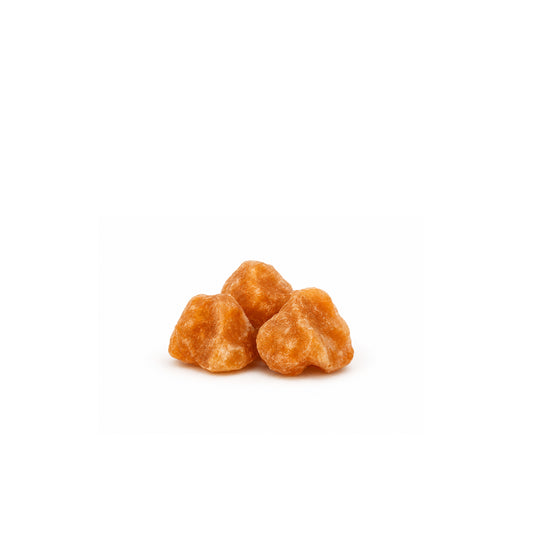 41% OFF
Benzoin Siam Essential Oil
Regular price From Rs. 699.00Regular priceUnit price perRs. 1,200.00Sale price From Rs. 699.00Sale -

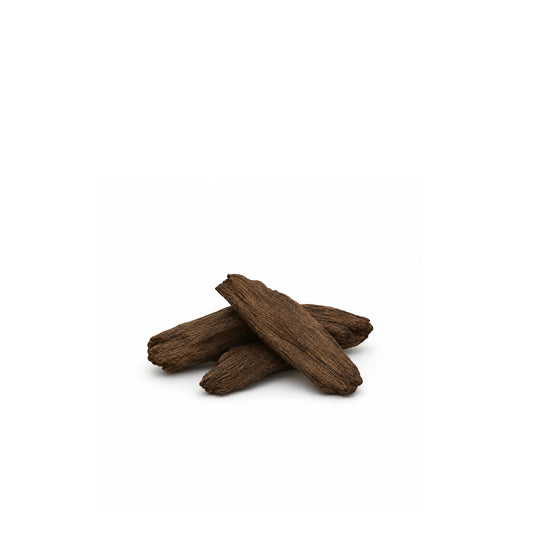 30% OFF
Oudh Essential Oil
Regular price From Rs. 2,799.00Regular priceUnit price perRs. 4,000.00Sale price From Rs. 2,799.00Sale -

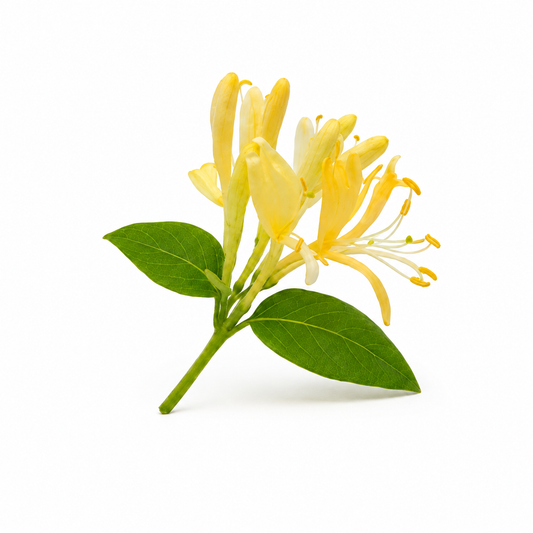 30% OFF
Honeysuckle Essential Oil
Regular price From Rs. 699.00Regular priceUnit price perRs. 1,000.00Sale price From Rs. 699.00Sale -

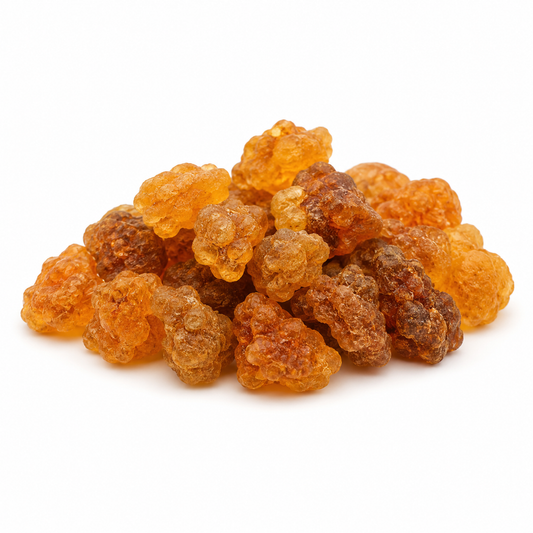 42% OFF
Myrrh Essential Oil
Regular price From Rs. 1,159.00Regular priceUnit price perRs. 2,000.00Sale price From Rs. 1,159.00Sale -

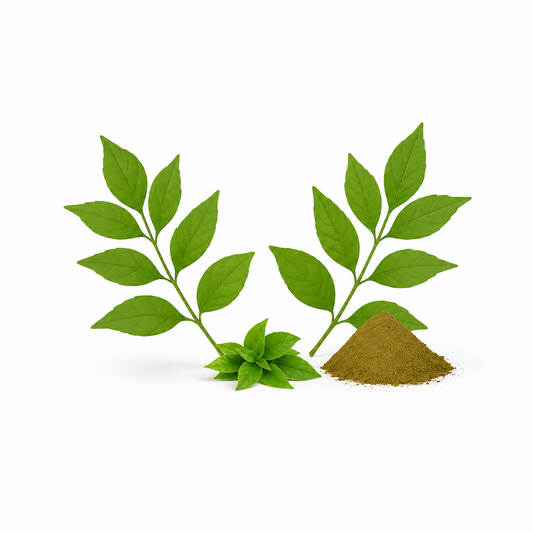 28% OFF
Henna Essential Oil
Regular price From Rs. 499.00Regular priceUnit price perRs. 700.00Sale price From Rs. 499.00Sale -

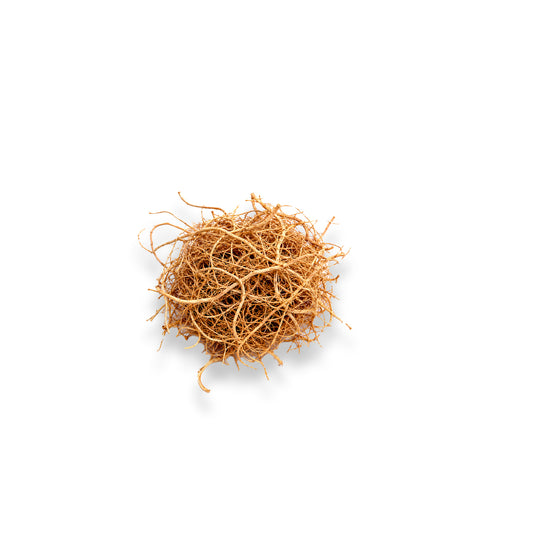 78% OFF
Vetiver Essential Oil
Regular price From Rs. 1,299.00Regular priceUnit price perRs. 6,000.00Sale price From Rs. 1,299.00Sale


About Spa Oils

Spa Oils: Essential Oils for Massage, Aromatherapy and Spa Treatments
Quick answer: Spa oils in this collection are pure essential oils, such as lavender, rose, sandalwood, ylang ylang, frankincense, and vetiver, used in massage blends, aromatherapy, and spa treatments. They are concentrated, so dilute them in a carrier oil before skin contact: about 2 to 3 percent for body massage, or 12 to 18 drops per 30ml of sweet almond, jojoba, or fractionated coconut oil. For diffusion, use 3 to 5 drops per 100ml of water.
Spas and wellness studios use a small set of essential oils again and again: calming florals, grounding woods and resins, and a few fresh notes. This collection brings together the oils most used for spa massage, aromatherapy rooms, and at-home spa routines.
Which Essential Oils Are Used in Spa Treatments?
Lavender Essential Oil is the most used spa oil for relaxation and sleep. Ylang Ylang Essential Oil and Rose Essential Oil give floral, calming blends. Sandalwood Essential Oil and Frankincense Essential Oil are used in facials and grounding massage. Vetiver Essential Oil is deep and earthy and suits evening treatments.
How Do You Dilute Spa Oils for Massage?
Add 12 to 18 drops of essential oil to 30ml of carrier oil for a 2 to 3 percent body massage blend. Use about 1 percent for the face or for sensitive skin. Sweet almond, jojoba, and fractionated coconut are common spa carriers because they glide well and have little scent of their own. Never apply essential oils undiluted, and patch test a new blend first.
How Do You Use Spa Oils for Relaxation and Sleep?
For relaxation, warm a small amount of diluted blend between the palms and massage into the neck and shoulders for about ten minutes. For sleep, apply a diluted lavender, cedarwood, or vetiver blend to the soles of the feet 20 to 30 minutes before bed, or diffuse 3 to 5 drops in the bedroom for 30 minutes.
What Should Spas Check When Buying Essential Oils in Bulk?
Ask for a batch-specific COA and MSDS, check that the botanical name matches the label, and store oils in dark glass away from heat. Pregnant clients, children, and people with sensitive skin need lower dilutions or a different oil, so keep a simple safety sheet at the treatment station.
About RV Organica
RV Organica manufactures essential oils at its facility in Nimbri, Panipat, Haryana, from 30ml retail sizes to bulk packs, with COA available for wholesale and institutional orders. See related ranges in relaxation oils and body massage oils.
- Choosing a selection results in a full page refresh.
- Opens in a new window.
