

Jasmine dried flower
100% Pure and Natural | Paraben, SLS, Chemical Free | Suitable for all Skin Types
Need large quantity? Contact us for bulk orders →
Couldn't load pickup availability
Frequently Bought Together

Jasmine dried flower
Rs. 299.00

Ultra White Soap Base
Rs. 429.00

Bunny, Teddy & Butterfly Shapes Silicone Mould For Soap & Candle Making
Rs. 349.00
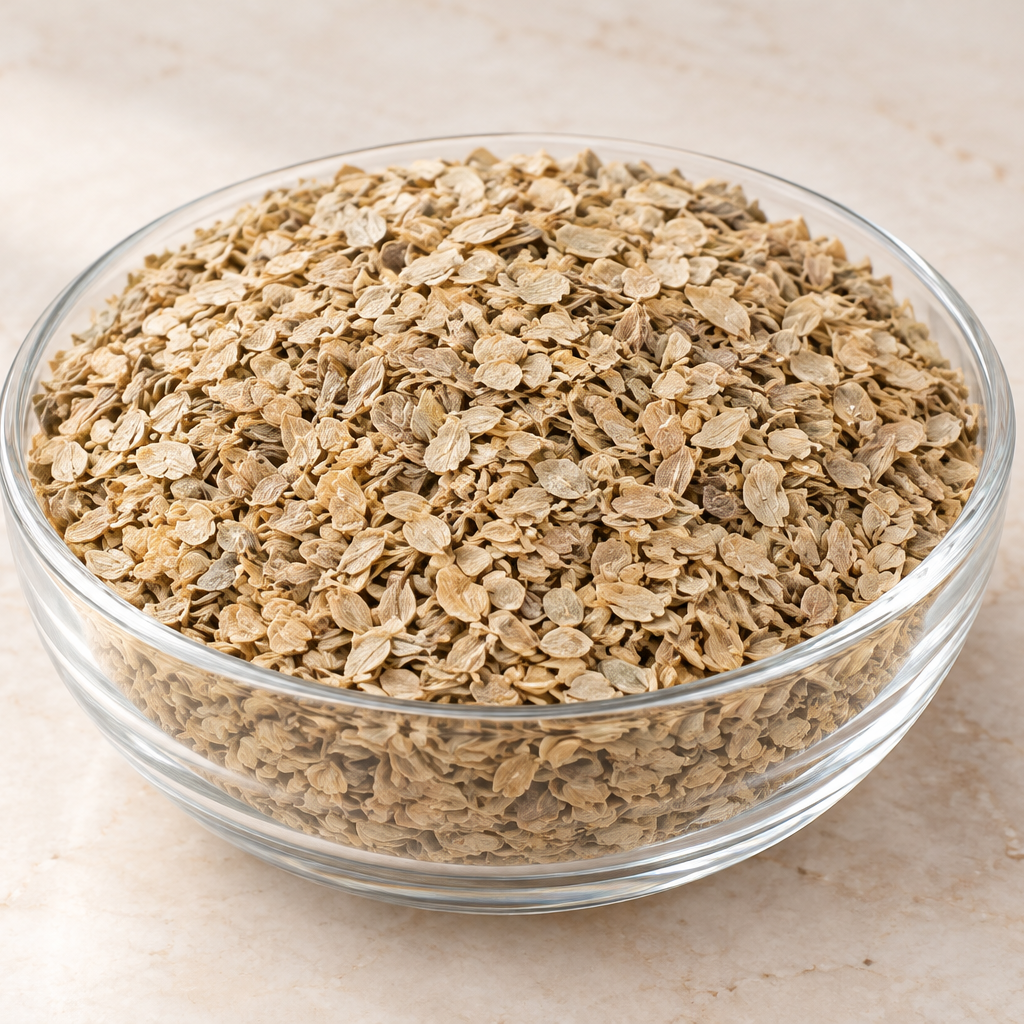

Jasmine dried flower
Our Certifications


Recently Viewed
Dried Jasmine Flowers (Jasmine Buds) – Natural, Whole Blooms for Tea, Skincare and DIY Crafts
Dried Jasmine Flowers are whole jasmine buds and blooms dehydrated to preserve their aromatic compounds and delicate floral character, used across herbal tea, skincare formulation, and home décor or craft applications. RV Organica's Dried Jasmine Flowers are packed with no added fragrance and no colour fixatives, suited to tea brewing, skincare infusion, and DIY botanical projects.
What dried jasmine flowers actually are
Dried jasmine flowers are whole buds and blooms from the jasmine plant, dehydrated to reduce moisture content and slow the natural decay that affects fresh flowers, while preserving much of their characteristic aroma and floral compounds. It's worth noting that dried jasmine buds typically smell somewhat different from fresh jasmine blooms, since the drying process itself changes the scent profile rather than simply preserving it unchanged, a detail that surprises some first-time buyers expecting an identical fragrance to a fresh flower.
Dried jasmine is distinct from jasmine essential oil or jasmine floral water, both of which are produced through a separate extraction or distillation process. The dried whole flower retains its physical form and is used directly, whether steeped in hot water for tea, infused into a carrier oil for skincare, or used decoratively, rather than being processed into a concentrated liquid extract first.
How dried jasmine flowers are used in herbal tea
Jasmine flower tea is one of the most common uses for dried jasmine buds, producing a mildly sweet, aromatic infusion that can be enjoyed hot or cold. The buds are commonly blended into green or white tea rather than brewed entirely on their own, since jasmine's delicate floral character complements a base tea rather than needing to carry the entire flavor profile by itself. Steeping dried jasmine buds in hot water, whether alone or mixed with a base tea, is generally a quick process, since the dried buds release their aroma readily once exposed to heat.
Jasmine tea is also associated with antioxidant content, and some traditional and informal use links it to mood relaxation and general refreshment, though these effects are more anecdotal than clinically established at the concentrations present in a typical home-brewed cup.
How dried jasmine flowers are used in skincare
In skincare formulation, dried jasmine flowers are commonly infused into a carrier oil, such as jojoba or sweet almond oil, to transfer some of the plant's aromatic and floral compounds into a usable base for facial oils, body oils, and homemade lotions. This infusion process, steeping the dried buds in oil over a period of time, is a common practice for DIY and small-batch skincare formulators looking to add a natural floral character to a finished product without using a concentrated essential oil.
Dried jasmine is also used in floral waters and facial toners, where the buds are steeped in water rather than oil to produce a lightly scented liquid suited to a toning step in a skincare routine. Formulators working with specific active-ingredient claims should note that dried flower material alone typically doesn't provide the concentration data needed to substantiate a specific skincare claim, so additional testing or documentation is generally required beyond simply listing dried jasmine as an ingredient.
How dried jasmine flowers are used in DIY crafts and home décor
Beyond tea and skincare, dried jasmine flowers are a popular choice for potpourri, sachets, bath salts, bath bombs, and general home décor projects where a natural floral fragrance and visual texture are both part of the appeal. Because dried jasmine sold for tea or skincare use should not contain synthetic fragrance additives, it differs from some decorative potpourri blends that are sprayed with added scent after drying, a distinction worth knowing if the goal is a genuinely natural craft or personal care ingredient rather than a purely decorative one.
Dried jasmine also works well combined with other dried botanicals, such as rose petals or lavender buds, in blended sachets, bath soaks, or gift packaging, where the floral variety adds visual and aromatic complexity beyond a single-flower presentation.
What to check before buying dried jasmine flowers in bulk
Moisture content at the time of packing is the main factor determining shelf stability for any dried flower botanical, including jasmine, since flowers packed with excess residual moisture are more prone to degrading during storage, particularly in humid conditions. Buyers sourcing in bulk for commercial tea, skincare, or craft production should look for batch consistency in colour and bud size across a full shipment rather than judging quality from a single sample alone.
For food-grade tea applications specifically, confirming the absence of sulphur dioxide treatment, artificial colour, and any post-drying synthetic fragrance is worth doing directly with the supplier, since these treatments are more common in decorative potpourri-grade dried flowers than in flowers intended for tea or skincare use.
About RV Organica
RV Organica's Dried Jasmine Flowers are supplied with no added fragrance and no colour fixatives, packed from small retail pouches up to bulk formats for formulators and small brands. The product is manufactured and packed at RV Organica's facility in Nimbri, Panipat, Haryana, with documentation available on wholesale orders.
Product Specification
| Product Name | Dried Jasmine flower |
|---|---|
| Botanical Name | Jasmine dried flower |
| CAS No | 8002-66-2 |
| Country of Origin | India |
| F.E.M.A # | Not Assigned |
| Specific Gravity | Not Applicable |
| Moisture Content | ≤ 12.0% |
| Refractive Index | Not Applicable |
| Flash Point | >200°C |
| Acid Value | Not Applicable |
| Relative Density | Not Applicable |
| Form | Dried Solid (Flower Heads) |
| Consistency | Dried Flower Heads / Loose |
| Shelf Life | 2 Years |
| Packaging Type | As Per Requirement |
| Extraction or Processing Method | Shade Dried from Fresh Chamomile Flower Heads |
| Solubility | Partially Soluble in Water; Partially Soluble in Alcohol |
| Color & Odor | Pale Yellow to Golden; Characteristic Sweet, Apple-Like, Warm Herbal Scent |
| Major Constituents | Apigenin, Alpha-Bisabolol, Chamazulene, Luteolin, Quercetin, Apigenin-7-glucoside |
| Blends With | Lavender Buds, Rose Petals, Hibiscus, Calendula, Linden Flower, Peppermint Leaf |

- Choosing a selection results in a full page refresh.
- Opens in a new window.