
Skin Care Products
Buy Skin Care Products in Bulk
-

 46% OFF
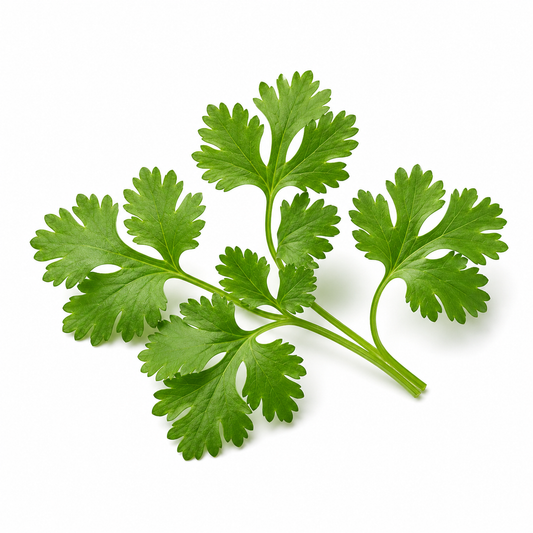
Coriander Essential Oil
Regular price From Rs. 849.00Regular priceUnit price perRs. 1,600.00Sale price From Rs. 849.00Sale -

 30% OFF
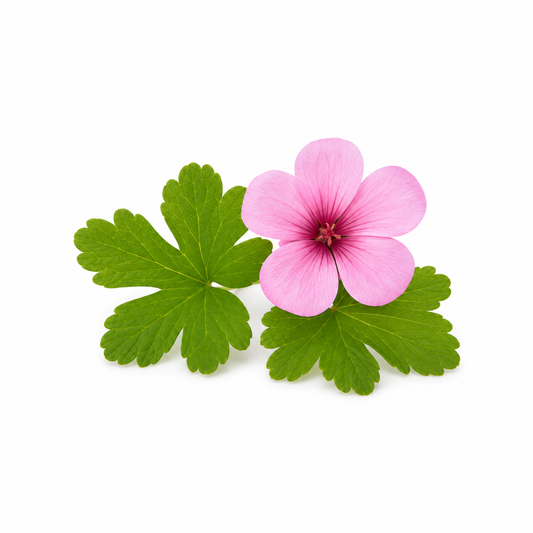
Rose Geranium Essential Oil
Regular price From Rs. 699.00Regular priceUnit price perRs. 1,000.00Sale price From Rs. 699.00Sale -

 22% OFF
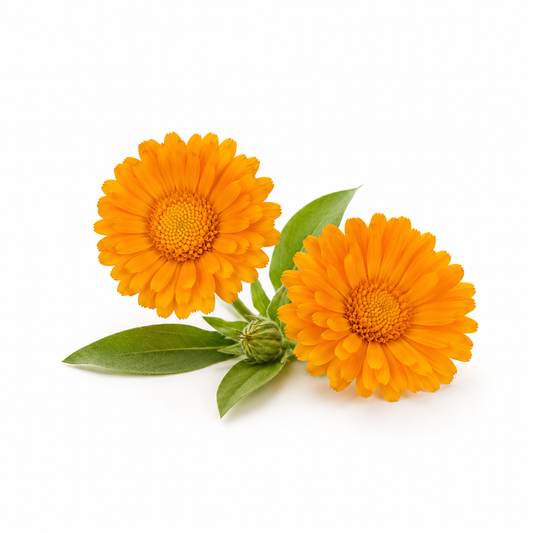
Calendula Essential Oil
Regular price From Rs. 849.00Regular priceUnit price perRs. 1,100.00Sale price From Rs. 849.00Sale -
 53% OFF
Watermelon Seed Carrier Oil
Regular price From Rs. 279.00Regular priceUnit price perRs. 600.00Sale price From Rs. 279.00Sale -

 50% OFF
Aquilaria Agallocha Essential Oil
Regular price From Rs. 1,499.00Regular priceUnit price perRs. 2,999.00Sale price From Rs. 1,499.00Sale -

 50% OFF
Betel Leaf Essential Oil
Regular price From Rs. 649.00Regular priceUnit price perRs. 1,300.00Sale price From Rs. 649.00Sale -

 50% OFF
Birch Essential Oil
Regular price From Rs. 449.00Regular priceUnit price perRs. 900.00Sale price From Rs. 449.00Sale -

 45% OFF
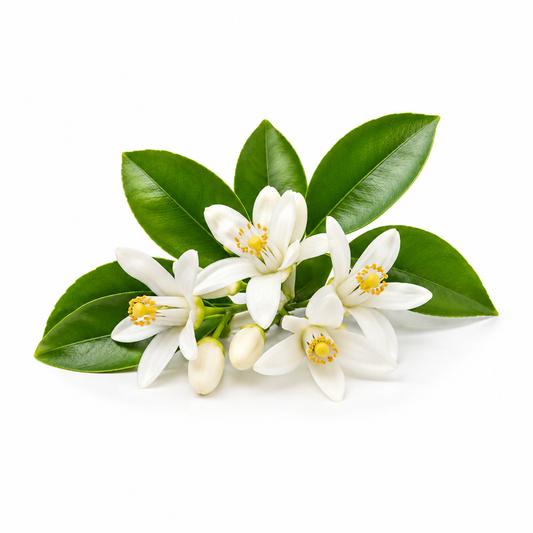
Neroli Essential Oil
Regular price From Rs. 2,199.00Regular priceUnit price perRs. 4,000.00Sale price From Rs. 2,199.00Sale -

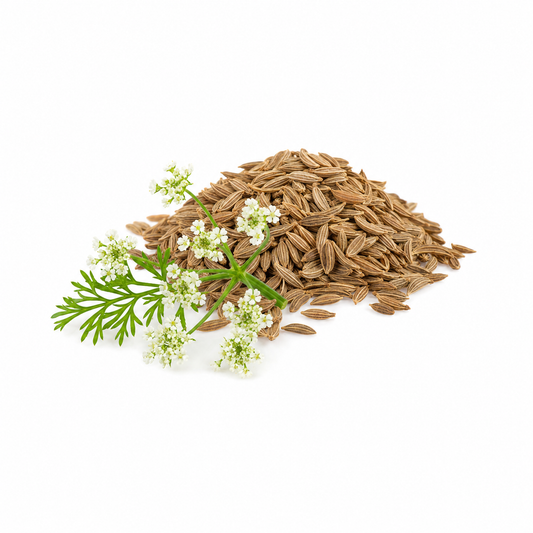 9% OFF
Ajwain Essential Oil
Regular price From Rs. 499.00Regular priceUnit price perRs. 550.00Sale price From Rs. 499.00Sale -
 50% OFF
Cucumber Seed Carrier Oil
Regular price From Rs. 299.00Regular priceUnit price perRs. 600.00Sale price From Rs. 299.00Sale -
 50% OFF
Mango Seed Carrier Oil
Regular price From Rs. 349.00Regular priceUnit price perRs. 700.00Sale price From Rs. 349.00Sale -
 52% OFF
Allspice Carrier Oil
Regular price From Rs. 379.00Regular priceUnit price perRs. 800.00Sale price From Rs. 379.00Sale -
 50% OFF
Walnut Carrier Oil
Regular price From Rs. 199.00Regular priceUnit price perRs. 400.00Sale price From Rs. 199.00Sale -

 35% OFF
Siberian Fir Needle Oil
Regular price From Rs. 449.00Regular priceUnit price perRs. 700.00Sale price From Rs. 449.00Sale -

 22% OFF
Roman Chamomile(Material)
Regular price From Rs. 3,894.00Regular priceUnit price perRs. 5,000.00Sale price From Rs. 3,894.00Sale -

 50% OFF
Galangal Essential Oil
Regular price From Rs. 2,499.00Regular priceUnit price perRs. 5,000.00Sale price From Rs. 2,499.00Sale -

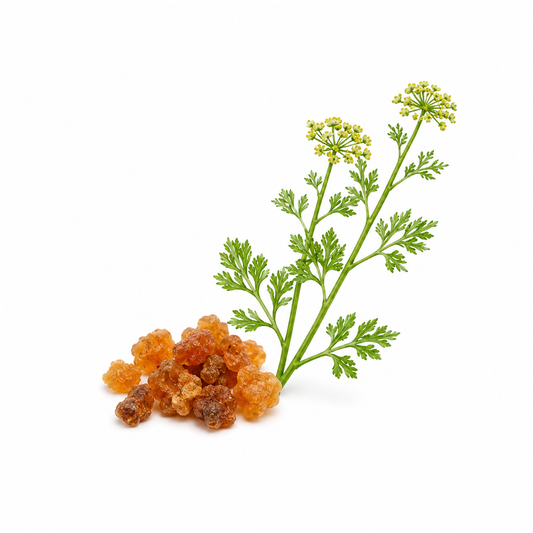 50% OFF
Hing Essential Oil
Regular price From Rs. 649.00Regular priceUnit price perRs. 1,300.00Sale price From Rs. 649.00Sale -

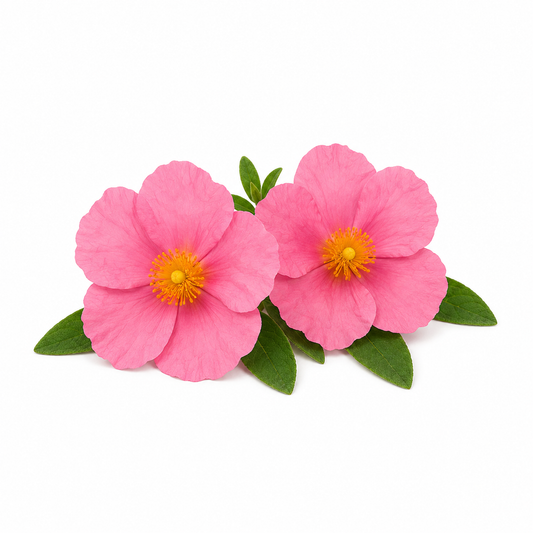 20% OFF
Cistus Essential Oil
Regular price From Rs. 799.00Regular priceUnit price perRs. 1,000.00Sale price From Rs. 799.00Sale -

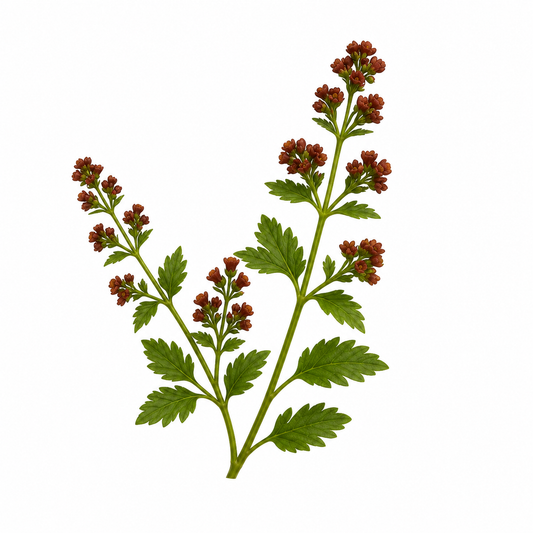 48% OFF
Davana Essential Oil
Regular price From Rs. 2,249.00Regular priceUnit price perRs. 4,400.00Sale price From Rs. 2,249.00Sale -

 50% OFF
Mimosa Essential Oil
Regular price From Rs. 749.00Regular priceUnit price perRs. 1,500.00Sale price From Rs. 749.00Sale


About Skin Care Products

Skin Care Products: Natural Oils, Body Butters and Massage Oils for Face and Body
Quick answer: This skin care collection brings together RV Organica's face oils, body oils, body butters, hydrosols, and massage oils. For massage, choose by base oil: sesame, coconut, and almond are the most used in India, applied in larger amounts for glide. For the face, use a few drops of a lighter oil such as jojoba or rosehip. Essential oils are always diluted in a carrier first, and a patch test is advised before any new product.
Massage Oil for Body Care and Ayurvedic Wellness
There are two very different things people search for when they type massage oil. Some want a base oil for a therapist grade full body massage. Others want something lighter for a five minute self massage before bed. This collection covers both, plain carrier oils used neat across the body, and essential oil blended massage oils built for a specific outcome such as muscle relief, joint stiffness, or sleep support.
What Is Massage Oil and How Is It Different from Skin Care Oil?
Skin care oil is usually applied in small amounts to the face, focused on absorption and finish. Massage oil is applied in far larger quantities across the body, so the priority shifts to glide, working time on the skin, and how the oil behaves under sustained pressure and friction. A face safe oil like rosehip oxidises too fast and costs too much to use across a full body session. Sesame, coconut, and almond dominate massage bases in India for exactly this reason, they hold up over a 30 to 45 minute session without absorbing too quickly or leaving the therapist's hands sticking to skin.
What Are the Benefits of Massage Oil for Body Care?
Massage Oil for Joint and Muscle Pain
For joint stiffness and muscle soreness, warming oils do the heavier lifting. Wintergreen and eucalyptus essential oils, blended at 2 to 3% into a sesame or mustard base, bring a mild heating sensation that helps with circulation before and after physical activity. Going above 3% on regular skin can cause a burning sensation rather than a therapeutic one, so a patch test before full application is worth the extra two minutes. Sesame on its own, without any essential oil added, is already used in classical practice for joint mobility support due to its natural viscosity and slow absorption rate.
Massage Oil for Stress and Relaxation
Lavender is the most requested note for relaxation massage, and for good reason, it is one of the few essential oils with reasonable evidence behind calming effects when diluted at 1 to 2% in almond or coconut oil. Chamomile blended oil works similarly but is harder to source consistently at scale, since chamomile essential oil pricing shifts more than most other notes depending on the season. A slower massage stroke paired with a lavender blend tends to outperform a faster stroke with a stronger, more stimulating oil when the goal is winding down rather than waking up.
Ayurvedic Massage Oil for Abhyanga
Sesame is the base oil in classical abhyanga for documented reasons, it has the right viscosity for sustained massage strokes, reasonable oxidative stability compared to lighter oils, and measurable antioxidant content from sesamol and sesamin. The practice treats warmth as equally important as the oil itself, oil warmed slightly before application absorbs faster and the massage itself generates heat through friction that supports circulation. If someone is trying abhyanga for the first time, the warming step and the massage technique matter as much as which oil ends up in the bottle.
Massage Oil Routine, When and How to Apply
Full body massage oil works best applied before bathing rather than after, since the oil needs contact time on skin, typically 15 to 20 minutes, before it washes off cleanly without leaving a heavy residue. Applying massage oil after a bath instead of before means most of the oil sits on top of already clean skin rather than being absorbed, which wastes product and defeats the purpose of a pre bath oil massage. For a quick self massage rather than a full session, five minutes focused on shoulders, neck, and feet covers the areas that hold the most daily tension for most people.
Cold Pressed Massage Oil Base
Cold pressing keeps extraction temperature below roughly 45 to 50 degrees Celsius, which preserves compounds that break down under heat, tocopherols in sesame, natural antioxidants in coconut, and similar heat sensitive components across most carrier bases. Cold pressed sesame and coconut cost more per litre because yield per batch is lower than refined, heat processed versions. For daily therapeutic massage this cost difference is worth it, for occasional use a refined base performs close enough that the price gap is harder to justify.
Massage Oil for Women, Prenatal and Postnatal Care
Prenatal massage oil sticks to plain carrier bases almost entirely, coconut or almond without any essential oil blended in, since several common massage blend oils are not recommended during pregnancy at any concentration. Postnatal massage traditions in India lean heavily on sesame and coconut for abdominal and full body massage in the weeks after delivery, partly for the oil itself and partly for the physical practice of regular touch during recovery. Anyone formulating or selling into this specific category should be explicit on the label about which blends are plain carrier only and which contain essential oil additions.
Which Massage Oils Are Most Popular in This Collection?
Carrier Base Oils
Pure Sesame Oil: the classical base for Indian massage traditions. Holds its viscosity through a full session, absorbs slowly enough for extended massage work, and carries measurable antioxidant content from sesamol. Works as a standalone body oil or as the carrier for any warming essential oil blend.
Virgin Coconut Oil: lighter glide than sesame, absorbs faster, and suits prenatal and postnatal use where a plain, unblended base is preferred. Less ideal for long massage sessions in humid months since it can feel occlusive on the skin in India's warmer weather.
Sweet Almond Oil: a middle ground option between sesame and coconut, mild enough for sensitive skin and flexible enough for both facial adjacent areas and full body work. Suits year round use across most Indian climates without needing seasonal switching.
Mustard Oil: a traditional warming base in North Indian households, used for both infant massage and adult joint care depending on dilution and additional ingredients. Its natural pungency fades once warmed slightly before application.
Massage Oil Blends
Wintergreen and Eucalyptus Blend: built for joint and muscle relief, this blend performs best at 2 to 3% in a sesame or mustard base for a warming, circulation supporting effect before or after physical activity. Not intended for use near broken skin or on children without adjusting the concentration down. Lavender Relaxation Blend: the most requested blend for evening massage, diluted at 1 to 2% in almond or coconut oil. Suits dry, sensitive, and reactive skin types better than stronger warming blends, and pairs well with a slower massage stroke aimed at winding down rather than physical recovery.
Sandalwood and Frankincense Blend: a quieter, grounding blend diluted at 1 to 2% in sesame, drawing on a long place in Indian wellness traditions for its calming, resinous character. Works well for a short evening self massage focused on shoulders and feet rather than a full body session.
How to Choose the Right Massage Oil
The first filter is purpose. Joint and muscle relief calls for a warming blend, relaxation calls for lavender or a similarly calming note, and abhyanga or classical practice calls for plain sesame with warmth added through technique rather than additional ingredients. From there, skin sensitivity and season decide the base, sesame and mustard for cooler months and general body work, coconut or almond for humid months or prenatal and postnatal use where a lighter, unblended oil is preferred. Documentation remains the only reliable quality signal across this category. A COA confirms the fatty acid composition and any essential oil concentration were tested at batch level rather than estimated. An MSDS covers safe handling and storage, which matters more for concentrated essential oil blends than for plain carrier oils. Both should arrive with any order without a separate request, and a supplier unwilling to produce either on request for a specific batch is not one worth building a repeat order around.
For bulk buyers and spa or wellness formulators, batch consistency across orders affects both cost and customer experience, since a shift in essential oil concentration between batches changes how a blend performs on skin. India's warehouse temperatures above 35 degrees Celsius through summer months can also affect oxidation rates in lighter carrier oils, so storage conditions are worth confirming before committing to larger volumes ahead of a seasonal spa or wellness product launch.
About RV Organica
RV Organica manufactures and batch tests carrier oils, essential oils, and blended massage oils at its own facility in Panipat, Haryana, supplying individual buyers and bulk wellness businesses across India. Every batch ships with COA and MSDS documentation on request. Carrier and massage oils are available starting from 100g, with bulk pricing available for spa, salon, and wholesale wellness orders.
- Choosing a selection results in a full page refresh.
- Opens in a new window.
